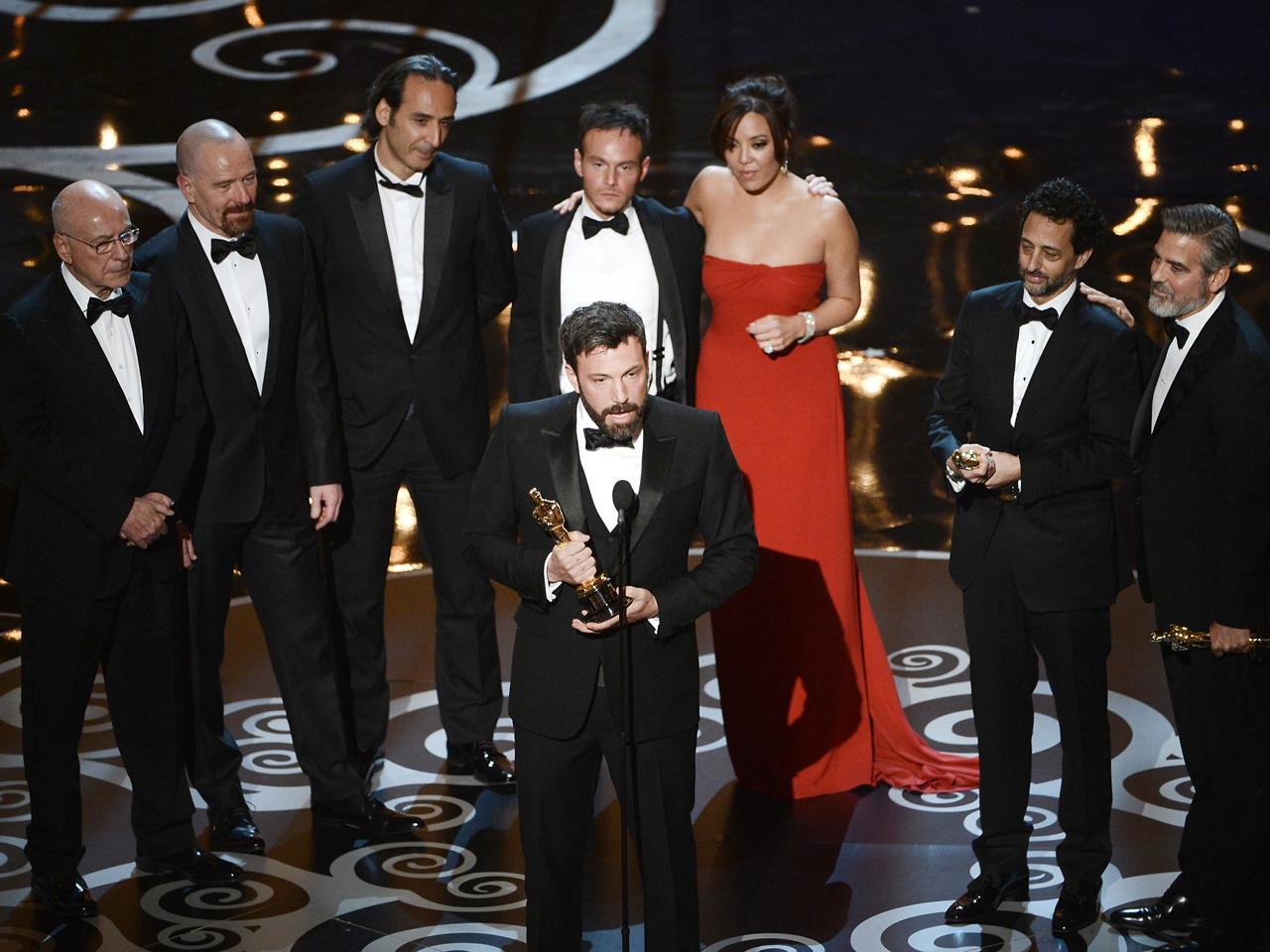
The 85th Academy Awards ceremony, commonly known as the 2013 Oscars, delivered a historic night for cinema by honoring the best films of 2012. Held on February 24, 2013, at the Dolby Theatre in Hollywood, Los Angeles, and hosted by actor Seth MacFarlane, the event featured notable triumphs such as Ang Lee winning Best Director for Life of Pi, Ben Affleck's Argo taking home Best Picture, and memorable wins for Daniel Day-Lewis and Jennifer Lawrence.
Historical Context and Setting the Stage
The 85th Academy Awards marked a significant turning point in how Hollywood celebrated its biggest night. Produced by Craig Zadan and Neil Meron, the ceremony sought to inject a fresh, youthful energy into a traditionally conservative institution. The overarching theme of the evening paid tribute to the music of movies, celebrating how songs and scores have shaped cinematic storytelling over the past eight decades. This musical focus allowed for elaborate production numbers, including a memorable opening sequence featuring host Seth MacFarlane singing "We Saw Your Boobs" alongside various audience reactions, which instantly set a divisive, pop-culture-heavy tone for the evening.
The eligibility window for the 2013 Oscars spanned the standard calendar year of 2012, capturing a remarkably diverse field of cinematic achievements. From sweeping biographical dramas and gritty historical thrillers to groundbreaking science fiction and international masterpieces, the slate of nominated films reflected a shifting industry landscape. Traditional studio prestige pictures competed directly with independent cinema, signaling a broader democratization in how critically acclaimed films found distribution and audience acclaim.
Major Categories and Historic Wins
The competition across the major categories at the 2013 Oscars featured some of the tightest races in Academy history. The acting and directing categories, in particular, showcased masterclasses in performance and vision that continue to be studied by filmmakers and actors today.
Best Actor and the Daniel Day-Lewis Record
In the Best Actor category, Daniel Day-Lewis secured his third Academy Award for his transformative portrayal of the United States President in Steven Spielberg's Lincoln. This victory made Day-Lewis the first and only lead actor in Oscar history to win three competitive Best Actor Oscars, having previously won for My Left Foot (1989) and There Will Be Blood (2007). His performance was widely praised for its quiet authority, historical precision, and emotional depth.
Best Actress and Jennifer Lawrence’s Milestone
Jennifer Lawrence won Best Actress for her role as the emotionally volatile Tiffany Maxwell in David O. Russell’s romantic comedy-drama Silver Linings Playbook. At just 22 years old, Lawrence became the second-youngest winner in the Best Actress category. Her memorable trip up the steps of the stage—where she tripped on her voluminous Dior Haute Couture gown—became one of the defining live television moments of the evening, endearing her further to a global audience.
Supporting Acting Triumphs
The supporting acting races brought equally compelling narratives. Anne Hathaway secured the Best Supporting Actress trophy for her harrowing, physically demanding portrayal of Fantine in Tom Hooper's musical adaptation Les Misérables. Her rendition of "I Dreamed a Dream" and her dedication to the role—which included severe weight loss and a dramatic hair crop—dominated the precursor awards season.
In the Best Supporting Actor category, Christoph Waltz won his second Academy Award for his role as the cunning bounty hunter Dr. King Schultz in Quentin Tarantino’s revisionist Western Django Unchained. Waltz previously won under Tarantino’s direction for Inglourious Basterds in 2010. His witty, articulate delivery and charismatic screen presence anchored one of the film's most morally complex narrative arcs.
The Best Picture Race and the Envelope Presentation
The Best Picture race of the 2013 Oscars remains one of the most politically resonant and unusual in modern academy history. Argo, directed by and starring Ben Affleck, emerged victorious. The film chronicled the daring 1979-1980 "Canadian Caper," in which a CIA operative rescued six American diplomats from Tehran during the Iranian hostage crisis.
What made the Argo win unique was the manner in which it was announced. First Lady Michelle Obama appeared via a live video feed from the White House to present the award alongside Jack Nicholson. This unprecedented presidential crossover added an extraordinary layer of political gravity to the evening, underscoring how deeply Hollywood and Washington intertwined during that awards season. Interestingly, Argo won Best Picture despite Affleck failing to secure a nomination in the Best Director category—a rare statistical anomaly for a Best Picture victor, echoing past wins like Driving Miss Daisy (1989).
| Category | Winner | Film | Nominees / Details |
|---|---|---|---|
| Best Picture | Argo | Warner Bros. | Directed by Ben Affleck; produced by Grant Heslov, Ben Affleck, and George Clooney. |
| Best Director | Ang Lee | Life of Pi | Defeated Steven Spielberg (Lincoln), David O. Russell (Silver Linings Playbook), and others. |
| Best Actor | Daniel Day-Lewis | Lincoln | Historic third Best Actor win, portraying Abraham Lincoln. |
| Best Actress | Jennifer Lawrence | Silver Linings Playbook | Portrayed Tiffany Maxwell; second-youngest winner in category history. |
| Best Supporting Actor | Christoph Waltz | Django Unchained | Played Dr. King Schultz; second Oscar collaboration with Quentin Tarantino. |
| Best Supporting Actress | Anne Hathaway | Les Misérables | Portrayed Fantine; featured the live-sung performance of "I Dreamed a Dream." |
Technical and International Excellence
Beyond the marquee categories, the 2013 Oscars celebrated groundbreaking technical achievements and international storytelling. Ang Lee’s Life of Pi dominated the technical tallies, winning four Academy Awards out of its eleven nominations. The film secured victories for Best Director, Best Original Score, Best Cinematography (Claudio Miranda), and Best Visual Effects. The visual effects work, executed by Rhythm & Hues Studios, pushed the boundaries of digital character creation—specifically through the creation of the photorealistic Bengal tiger, Richard Parker.
Paradoxically, the triumph of Rhythm & Hues occurred amidst severe financial turmoil for the company, leading to protests outside the Dolby Theatre by visual effects artists demanding better working conditions and fairer compensation within the studio system. This juxtaposition highlighted the growing disconnect between technical marvels on screen and the labor realities behind-the-scenes in the modern VFX industry.
In the international arena, Michael Haneke’s harrowing Austrian drama Amour claimed the Academy Award for Best Foreign Language Film. Furthermore, Amour earned a rare Best Picture nomination, cementing its status as a critical masterpiece that transcended traditional linguistic boundaries. Emmanuelle Riva, the film's star, also received a Best Actress nomination at the age of 85, making her one of the oldest nominees in that category's history.
Cultural Impact and Legacy of the 85th Academy Awards
The 2013 Oscars occupy a fascinating space in television and film history. Seth MacFarlane's hosting stint drew polarizing reviews from critics, with some praising his edgy, boundary-pushing musical numbers and others criticizing his irreverent humor regarding women, diversity, and Hollywood culture. Despite the mixed critical reception, the broadcast drew a substantial television audience, pulling in over 40 million viewers in the United States—a high-water mark for the telecast in the 2010s.
The ceremony also served as a cultural marker for the transition from physical media to streaming dominance, and from traditional studio gatekeeping to more agile, independent financing models. Films like Argo, Zero Dark Thirty, and Django Unchained engaged directly with complex geopolitical histories and social controversies, proving that Oscar-nominated cinema could spark widespread public debate.
Frequently Asked Questions
Who hosted the 2013 Oscars?
Actor, writer, and filmmaker Seth MacFarlane hosted the 85th Academy Awards. His comedic style emphasized musical numbers, satirical pop-culture references, and self-aware Hollywood humor.
Which film won Best Picture at the 2013 Oscars?
Argo won Best Picture at the 2013 Oscars. Directed by Ben Affleck, the political thriller chronicled the rescue of American diplomats during the 1979 Iran hostage crisis.
What historic record did Daniel Day-Lewis break at the 2013 Oscars?
Daniel Day-Lewis became the first and only lead actor in Academy Award history to win three competitive Best Actor Oscars, taking home the prize for his performance in Lincoln.
How many Oscars did Life of Pi win?
Life of Pi won four Academy Awards at the 2013 ceremony: Best Director for Ang Lee, Best Cinematography, Best Original Score, and Best Visual Effects.
Why was the Best Picture presentation at the 2013 Oscars unique?
First Lady Michelle Obama presented the Best Picture award via a surprise live video feed from the White House, marking the first time a sitting First Lady presented an Academy Award.
Conclusion and Further Exploration
The 85th Academy Awards remain a benchmark for cinematic excellence, balancing prestige historical dramas with innovative technical spectacles and memorable live television moments. To deepen your understanding of this era in film, consider exploring the original screenplays of the nominated films, reviewing the technical breakdowns of Life of Pi's visual effects pipeline, or examining the real-world historical archives behind Argo and Lincoln.