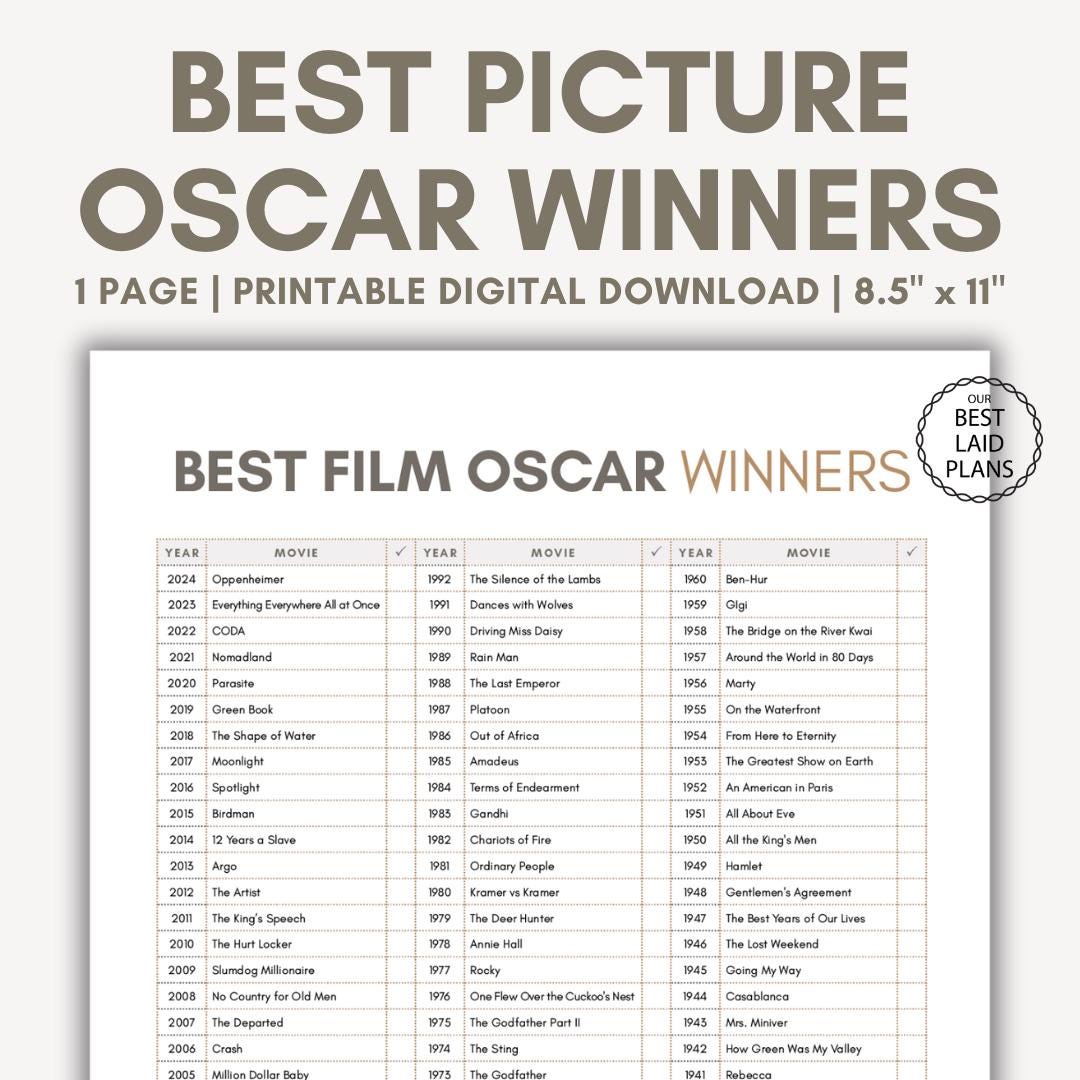
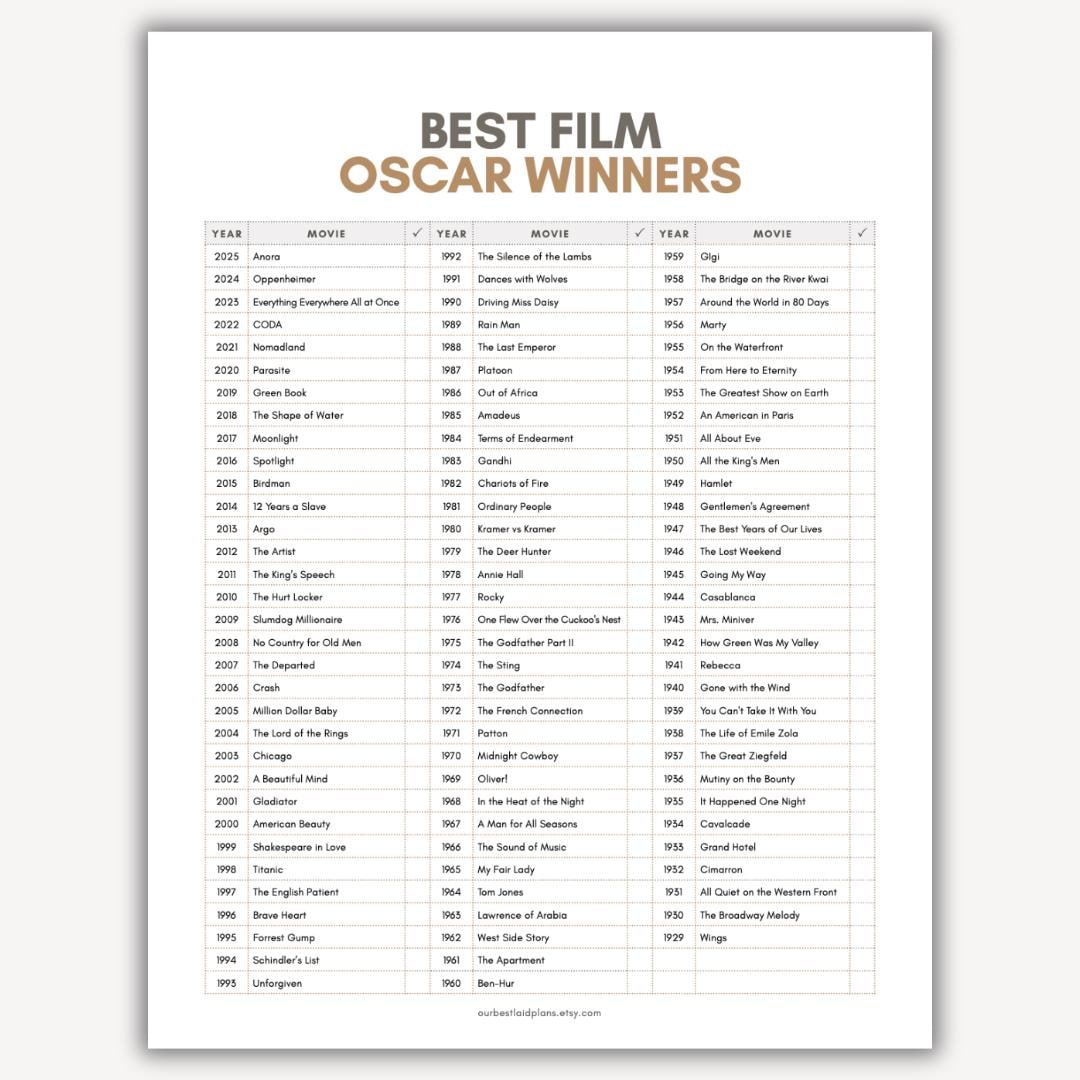
The 83rd Academy Awards, honoring the best films of 2010, expanded the Best Picture category to ten nominees, offering a diverse snapshot of cinematic achievements that ranged from sweeping historical dramas to intimate independent psychological thrillers, ultimately culminating in The King's Speech taking home the night's highest honor.
The Evolution of the 2011 Best Picture Race
The 83rd Academy Awards ceremony, held on February 27, 2011, at the Kodak Theatre in Hollywood, Los Angeles, marked the second consecutive year of the Academy of Motion Picture Arts and Sciences' expanded ten-film Best Picture slate. This structural shift, initially introduced for the 82nd Oscars, aimed to accommodate more blockbuster hits and critically acclaimed independent features alongside traditional prestige pictures. The 2011 race was characterized by a fierce competition between commercial juggernauts, biographical dramas, and stylistic auteur pieces.
Understanding this era of the Oscars requires examining how the industry navigated a transitional period between traditional theatrical windows and the rising influence of specialized distribution and early digital distribution models. The nominees for the 2011 Best Picture category reflected a broad spectrum of storytelling, touching upon British royalty, social media origins, psychological instability, boxing underdogs, magical realism, historical survival, Western revisionism, and futuristic inception.
Complete List of 2011 Best Picture Nominees and the Winner
The 83rd Academy Awards featured ten distinct contenders vying for the Academy's highest accolade. Below is the complete, verified list of nominees for Best Picture at the 2011 Oscars, highlighting the eventual winner alongside the competing films.
| Film Title | Director(s) | Primary Studio / Distributor | Result |
|---|---|---|---|
| The King's Speech | Tom Hooper | The Weinstein Company | Winner |
| Black Swan | Darren Aronofsky | Fox Searchlight Pictures | Nominee |
| The Fighter | David O. Russell | Paramount Pictures | Nominee |
| Inception | Christopher Nolan | Warner Bros. Pictures | Nominee |
| The Kids Are All Right | Lisa Cholodenko | Focus Features | Nominee |
| 127 Hours | Danny Boyle | Fox Searchlight Pictures | Nominee |
| The Social Network | David Fincher | Columbia Pictures | Nominee |
| Toy Story 3 | Lee Unkrich | Walt Disney Pictures / Pixar | Nominee |
| True Grit | Joel and Ethan Coen | Paramount Pictures | Nominee |
| Winter's Bone | Debra Granik | Roadside Attractions | Nominee |
Detailed Breakdown of the Nominees
The Winner: The King's Speech
Directed by Tom Hooper and written by David Seidler, The King's Speech emerged as the commercial and critical darling of the awards season, capturing four Academy Awards, including Best Picture, Best Director, Best Actor (Colin Firth), and Best Original Screenplay. The film details the true story of King George VI, who must overcome a severe stutter with the help of unorthodox Australian speech therapist Lionel Logue as he ascends the throne on the eve of World War II. Its classic storytelling, meticulous period detail, and strong ensemble cast resonated heavily with the voting membership of the Academy.
The Frontrunner Contender: The Social Network
Directed by David Fincher and written by Aaron Sorkin, The Social Network chronicled the turbulent founding of Facebook and the subsequent legal battles. Anchored by sharp dialogue, a haunting score by Trent Reznor and Atticus Ross, and Jesse Eisenberg’s portrayal of Mark Zuckerberg, the film captured the zeitgeist of the early digital age. While it dominated early critics' association awards and was widely considered an early favorite, its loss to The King's Speech is frequently cited by film historians as one of the most notable late-season momentum shifts in Oscar history.
Blockbusters and Auteur Visions
The expanded field allowed major commercial hits and high-concept genre films to secure Best Picture slots:
- Inception: Christopher Nolan’s mind-bending sci-fi heist thriller explored dream manipulation and subconscious architecture. While missing out on a Best Director nomination for Nolan, the film secured eight total nominations and won four technical awards (Cinematography, Sound Editing, Sound Mixing, and Visual Effects).
- Toy Story 3: Directed by Lee Unkrich, this Pixar landmark became only the third animated feature in history to be nominated for Best Picture (following Beauty and the Beast and Up). It won two Oscars, including Best Animated Feature and Best Original Song.
- True Grit: Joel and Ethan Coen’s gritty, poetic adaptation of Charles Portis’s novel proved to be a box office powerhouse, earning ten Academy Awards nominations, though it ultimately went home empty-handed on Oscar night.
Independent and Character-Driven Dramas
- Black Swan: Darren Aronofsky’s psychological thriller earned Natalie Portman a Best Actress win for her harrowing portrayal of a ballerina losing her grip on reality under the pressure of a New York City production of Swan Lake.
- The Fighter: David O. Russell’s gritty biographical sports drama focused on boxer "Irish" Micky Ward and his trainer-brother Dicky Eklund, capturing supporting wins for Christian Bale and Melissa Leo.
- The Kids Are All Right: Lisa Cholodenko’s contemporary comedy-drama explored modern family dynamics, securing four nominations, including Best Original Screenplay and acting nods for Annette Bening and Mark Ruffalo.
- 127 Hours: Danny Boyle’s survival drama depicted Aron Ralston’s harrowing five-day entrapment in a Utah canyon, driven by James Franco’s committed solo performance and Anthony Dod Mantle's kinetic cinematography.
- Winter’s Bone: Debra Granik’s Ozark-set neo-noir drama launched Jennifer Lawrence to international stardom, earning four nominations, including Best Adapted Screenplay and a breakout Best Actress nomination for Lawrence.
Voting Mechanics and Academy Context
The 2011 Best Picture race operated under a unique preferential voting system, which was reinstated for the expanded ten-film ballot. Unlike the traditional plurality voting system where members vote for a single favorite, the preferential ballot requires voters to rank all nominees from first to tenth.
If a film secures more than 50% of the first-place votes, it wins outright. If no film achieves this threshold in the initial tally, the film with the fewest first-place votes is eliminated, and its ballots are redistributed to the remaining contenders based on the voters' second choices. This iterative process continues until one film crosses the majority threshold. Film analysts frequently attribute the victory of The King's Speech over the more critically ubiquitous The Social Network to this system, suggesting that The King's Speech consistently ranked high as a second or third choice across a broader consensus of voters.
Legacy and Impact on Future Academy Awards
The lineup of the 83rd Academy Awards remains a frequent point of discussion regarding how the Academy evaluates prestige versus cultural impact. Following this ceremony, the Academy adjusted the Best Picture rules once more, moving to a fluctuating slate of anywhere from five to ten nominees rather than a fixed ten.
Looking back from 2026, the 2011 Best Picture slate is often praised for its exceptional depth. Several films from this specific year have achieved enduring cultural and cinematic status, frequently appearing on retrospective lists of the best films of the 21st century.
Frequently Asked Questions
Which film won Best Picture at the 2011 Oscars?
The King's Speech, directed by Tom Hooper, won the Academy Award for Best Picture at the 83rd Academy Awards, defeating nine other nominated films.
How many films were nominated for Best Picture at the 2011 Oscars?
There were ten films nominated for Best Picture, following the Academy's temporary rule expansion that mandated a fixed ten-film slate for the category.
Did The Social Network win Best Picture in 2011?
No. Despite winning numerous precursor critics' awards and dominating early season prognostications, The Social Network lost the Best Picture award to The King's Speech.
What voting system was used for the 2011 Best Picture category?
The Academy utilized a preferential voting system, requiring voters to rank the nominees from one to ten, with votes redistributed through elimination rounds until a majority was reached.
Was an animated movie nominated for Best Picture at the 2011 Oscars?
Yes, Toy Story 3 was nominated for Best Picture, marking a rare instance of an animated feature securing a top-category nomination.
Conclusion and Next Actions
For film enthusiasts, researchers, and awards historians, studying the 2011 Oscar nominees offers a window into Hollywood's creative output during a crucial transitional era. To explore further, consider revisiting the individual screenplays, analyzing the mechanics of preferential voting systems, or examining the career trajectories of the directors and actors who shaped this defining year in modern cinema.