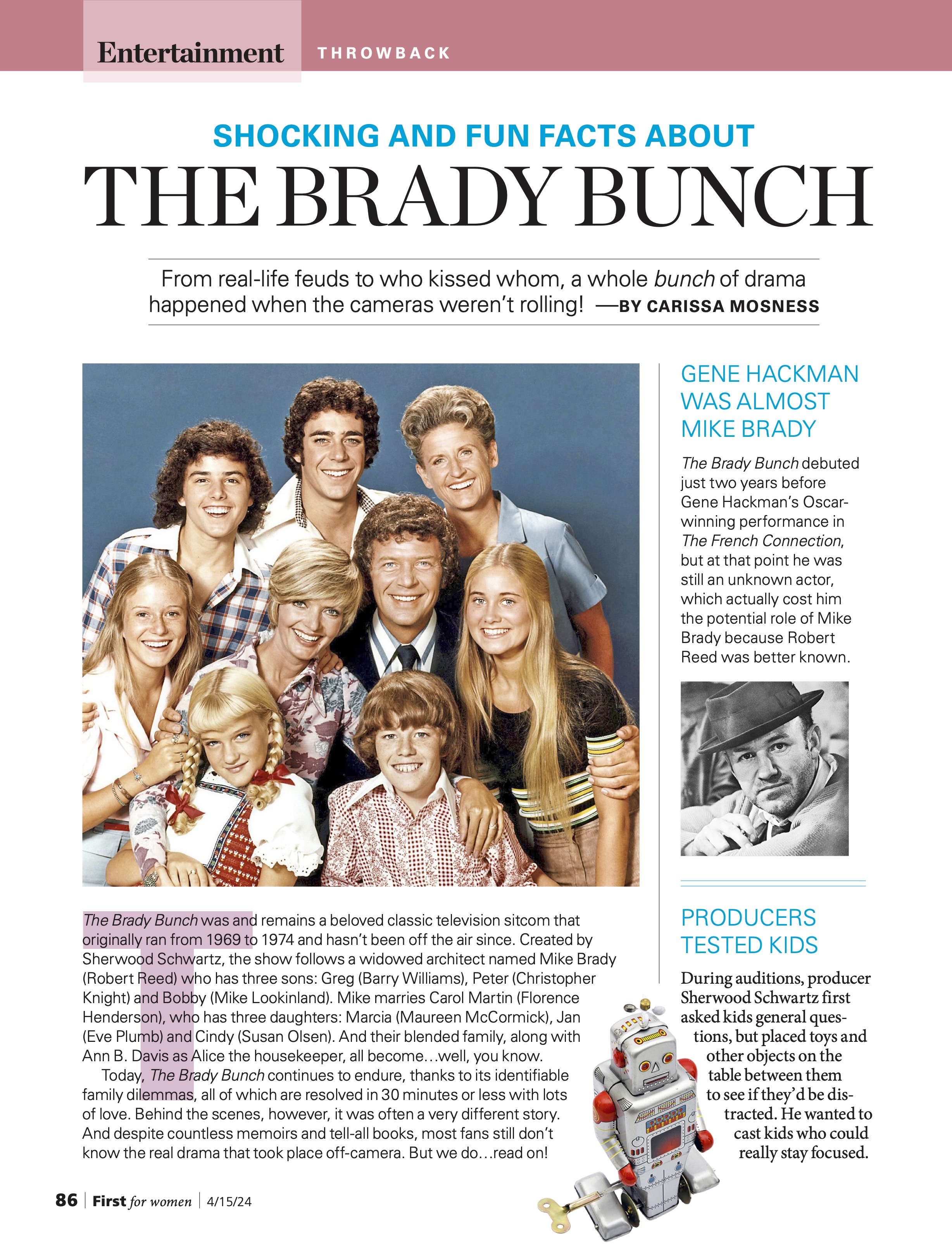
The Brady Bunch is a quintessential American sitcom that originally aired on ABC from September 26, 1969, to March 8, 1974. Created by Sherwood Schwartz, the series depicts a large blended family formed when a widow with three daughters marries a widower with three sons, becoming a cornerstone of 20th-century pop culture through decades of global syndication.
The Genesis of a Cultural Icon: Inspiration and Development
The origin of The Brady Bunch was rooted in a statistical reality rather than a purely fictional whim. In 1965, producer Sherwood Schwartz, who had already seen massive success with Gilligan’s Island, read a brief report in the Los Angeles Times stating that approximately 30% of marriages in the United States involved children from a previous marriage. This "blended family" dynamic was largely underrepresented on television at the time, which favored the nuclear family model seen in shows like Leave It to Beaver.
Schwartz developed a pilot script originally titled The Bradley Brood. His vision was to explore the friction and eventual harmony of merging two distinct family units. Unlike many sitcoms of the era that relied on slapstick, Schwartz intended for the humor to arise from the organic growing pains of childhood and adolescence within a crowded household.
The development process faced hurdles. Networks were initially skeptical that audiences would connect with a family where the parents had "pasts," even though the deaths of the previous spouses were heavily implied (and eventually confirmed for Mike Brady, though Carol’s status remained a point of network sensitivity). It was only after the success of the 1968 film Yours, Mine and Ours, starring Lucille Ball and Henry Fonda, that ABC saw the commercial potential in the "yours, mine, and ours" premise and greenlit the series.
Defining the Premise: The "Blended Family" Narrative
The central narrative of The Brady Bunch revolves around Mike Brady, an architect, and Carol Martin, a stay-at-home mother. The show’s premise is famously encapsulated in its theme song, which explains how "this group must somehow form a family."
The Characters and Casting
The casting of the family was a meticulous process. Schwartz reportedly interviewed over 1,100 children to find the right chemistry for the six Brady kids. The final lineup became iconic:
- The Father (Mike Brady): Played by Robert Reed, Mike was the moral compass of the show. An architect by trade, he was known for his calm demeanor and long-winded, philosophical lessons.
- The Mother (Carol Brady): Played by Florence Henderson, Carol was the quintessential 1970s matriarch. Henderson brought a musical background and a sense of warmth that balanced Reed’s more serious tone.
- The Girls: Marcia (Maureen McCormick), Jan (Eve Plumb), and Cindy (Susan Olsen). Their storylines often dealt with jealousy, academic pressure, and the transition into womanhood.
- The Boys: Greg (Barry Williams), Peter (Christopher Knight), and Bobby (Mike Lookinland). Their arcs focused on sports, sibling rivalry, and the search for individuality.
- The Housekeeper (Alice Nelson): Played by Ann B. Davis, Alice was the glue that held the household together. Her character provided comic relief and a bridge between the parents and the children.
The Setting: The Iconic Brady House
The house, located in a fictional suburban neighborhood of Los Angeles, was as much a character as the family members. Architecturally, it represented the "Mid-Century Modern" style popular in the late 1960s. The open floor plan, the floating staircase, and the vibrant orange and green decor became hallmarks of the show’s aesthetic.
Interestingly, while the exterior of the house used for filming was a real home in Studio City, California, the interior was a set at Paramount Studios. The layout of the set was actually impossible to fit inside the real house’s exterior dimensions—a common trivia point among TV historians.
Behind-the-Scenes Realities: Production and Conflict
While the on-screen Brady family was the picture of harmony, the production was often marked by creative tension. The most notable conflict involved Robert Reed and Sherwood Schwartz. Reed, a classically trained Shakespearean actor, frequently took issue with the show’s writing, which he felt was often "silly" or "unrealistic."
The Robert Reed Letters
Reed was known for sending long, detailed memos to Schwartz and the writers, critiquing the logic of the scripts. He famously refused to appear in the series finale, "The Hair-Brained Scheme," because he believed the plot involving a hair tonic that turned Greg’s hair orange was scientifically impossible and beneath the show's dignity. Despite these clashes, Reed was deeply devoted to the child actors, often taking them on trips and acting as a real-life mentor.
Technical and Legal Constraints
The production of The Brady Bunch also had to navigate the strict television standards of the era. One of the most famous "facts" about the show is the absence of a toilet in the kids' shared bathroom. At the time, television censors (specifically the "Standards and Practices" departments) forbade the depiction of toilets or the sound of a flushing toilet on screen. This led to the architectural oddity of a large bathroom with two sinks but no visible commode.
The Cultural Impact of Syndication
The Brady Bunch was never a massive "top ten" hit during its original five-year run. It performed respectably but was often overshadowed by more topical or sophisticated programming. However, its true legacy began after it was canceled in 1974.
The Power of After-School TV
When the show entered off-network syndication, it was packaged for late-afternoon time slots. This allowed a new generation of "latchkey kids" to grow up with the Bradys. By the late 1970s and throughout the 1980s, the show was being aired multiple times a day in various markets. This constant exposure transformed the characters into archetypes. "Marcia, Marcia, Marcia!" became a catchphrase for sibling resentment, and the "Jan Brady" complex became a recognized shorthand for middle-child syndrome.
Evolution into a Franchise
The longevity of the series led to numerous spin-offs, sequels, and reinterpretations, including:
- The Brady Bunch Hour (1976-1977): A variety show that is often cited as one of the most bizarre chapters in TV history.
- The Brady Girls Get Married (1981): A TV movie that led to the short-lived sitcom The Brady Brides.
- A Very Brady Christmas (1988): A highly-rated reunion movie that proved the audience's enduring love for the family.
- The Bradys (1990): A short-lived attempt to turn the series into a serious drama (often called "thirtysomething for the Bradys").
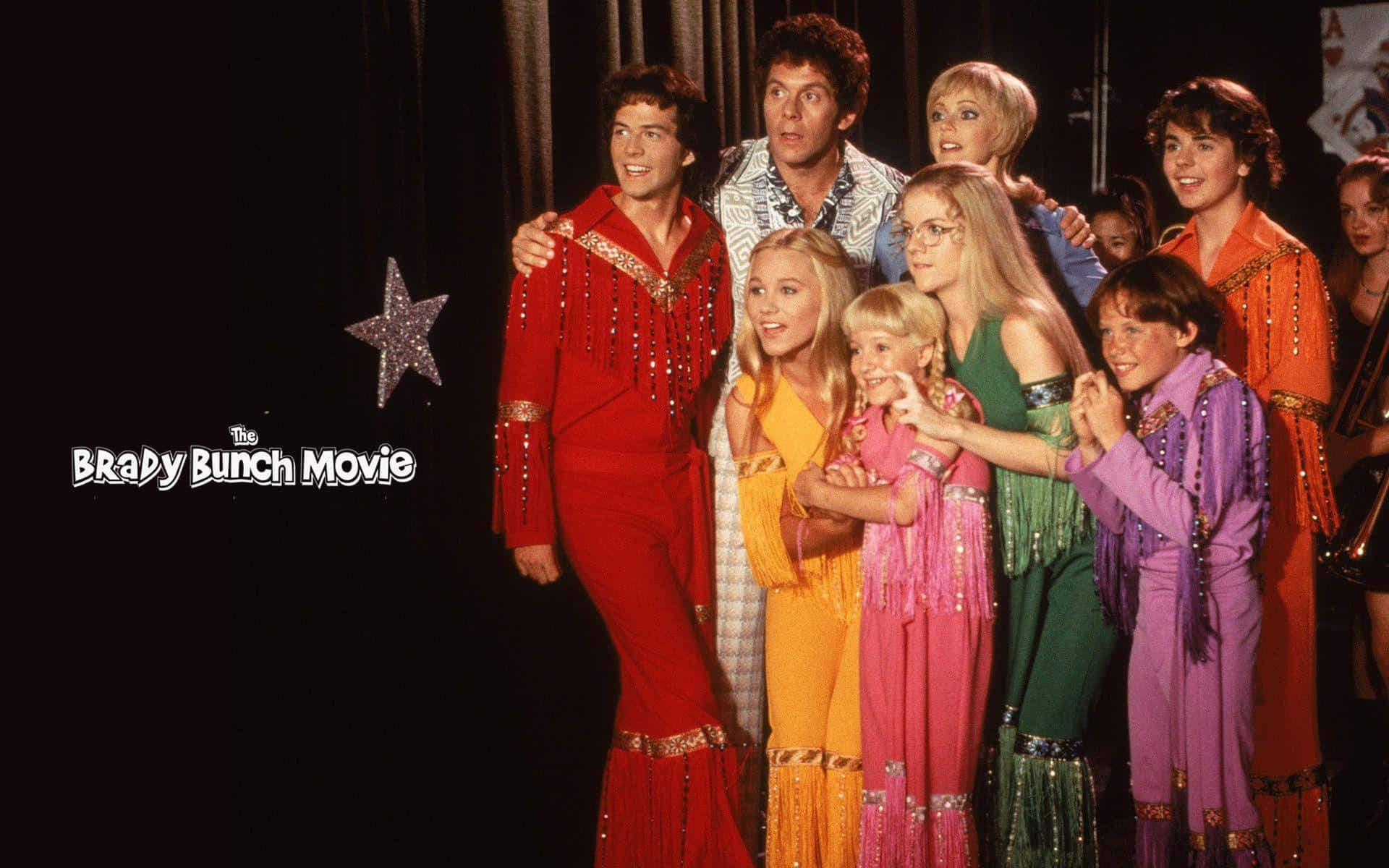
- The Brady Bunch Movie (1995): A satirical take on the series that placed the 1970s-era family into the cynical 1990s world.
Key Technical Details and Series Specifications
The following table summarizes the foundational data of the original series for archival and research purposes.
| Feature | Detail |
|---|---|
| Original Network | ABC (American Broadcasting Company) |
| Production Company | Paramount Television / Sherwood Schwartz Productions |
| Total Episodes | 117 Episodes |
| Format | Multi-camera Sitcom; Filmed on 35mm film |
| Running Time | ~25 minutes (excluding commercials) |
| Theme Song Composer | Frank De Vol and Sherwood Schwartz |
| Recording Location | Paramount Studios, Hollywood (Stage 5) |
| First Episode Air Date | September 26, 1969 |
| Last Episode Air Date | March 8, 1974 |
The Modern Legacy: A Very Brady Renovation and Beyond
In 2019, to celebrate the 50th anniversary of the show, HGTV purchased the actual house used for the exterior shots in Studio City. In a massive production titled A Very Brady Renovation, the network reunited all six "Brady kids" to help renovate the interior of the house to exactly match the 1970s studio sets.
This project was a landmark in television nostalgia, as it bridged the gap between the fictional world and the physical location. The renovation involved sourcing vintage 1970s appliances, recreating the iconic floating staircase, and even matching the exact shade of the "avocado" kitchen appliances. As of 2026, the house remains one of the most photographed private residences in the United States, serving as a physical monument to a show that defined the "idealized" American family for millions.
Frequently Asked Questions
Why did the show end after five seasons?
The cancellation of The Brady Bunch was primarily due to declining ratings in its fifth season and the fact that the child actors were aging out of their roles. By 1974, Barry Williams (Greg) was 19 years old, and the "wholesome" image of the show was becoming harder to maintain as the cast entered adulthood and the cultural landscape of the 1970s shifted toward more gritty, realistic programming.
Was the "Tiger" the dog story true?
Yes. Tiger, the family dog, appeared frequently in the first season. However, the original dog was tragically killed by a car during production. A replacement dog was brought in, but he was difficult to train and often frightened by the studio lights. Eventually, Tiger was written out of the show without explanation, though his doghouse remained in the backyard for the duration of the series.
Are all the original cast members still alive?
As of early 2026, all six of the actors who played the Brady children—Barry Williams, Maureen McCormick, Christopher Knight, Eve Plumb, Mike Lookinland, and Susan Olsen—are alive and frequently participate in reunion events. The adult cast members, Robert Reed (1992), Florence Henderson (2016), and Ann B. Davis (2014), have passed away.
Was there a real-life romance between Greg and Marcia?
Maureen McCormick and Barry Williams have both confirmed in their respective memoirs that they had a brief, innocent romance during the filming of the series, particularly during the later seasons. This was a source of some anxiety for the producers, who wanted to ensure that any off-screen relationships did not interfere with the "sibling" chemistry required for the show.
What is "Cousin Oliver Syndrome"?
This term originated from the introduction of Robbie Rist as Cousin Oliver in the final season of The Brady Bunch. The character was added in an attempt to bring a "cute young child" back to the show as the original kids grew up. The move was widely criticized as a "jump the shark" moment, and "Cousin Oliver" has since become a trope for any late-addition character intended to save a failing show.
Practical Recommendation for Fans and Researchers
For those looking to explore the depth of The Brady Bunch history, it is recommended to start with the official Smithsonian archives which occasionally feature television history exhibits, or consult Sherwood Schwartz’s own book, Brady, Brady, Brady: The Complete Story of the Brady Bunch as Told by the Father/Creator. If you are interested in the architectural and design aspects, the HGTV A Very Brady Renovation documentation provides the most accurate physical recreation of the sets available. For viewing the series in 2026, it remains widely available on major streaming platforms and through physical media collections that include the numerous reunion movies and spin-offs.