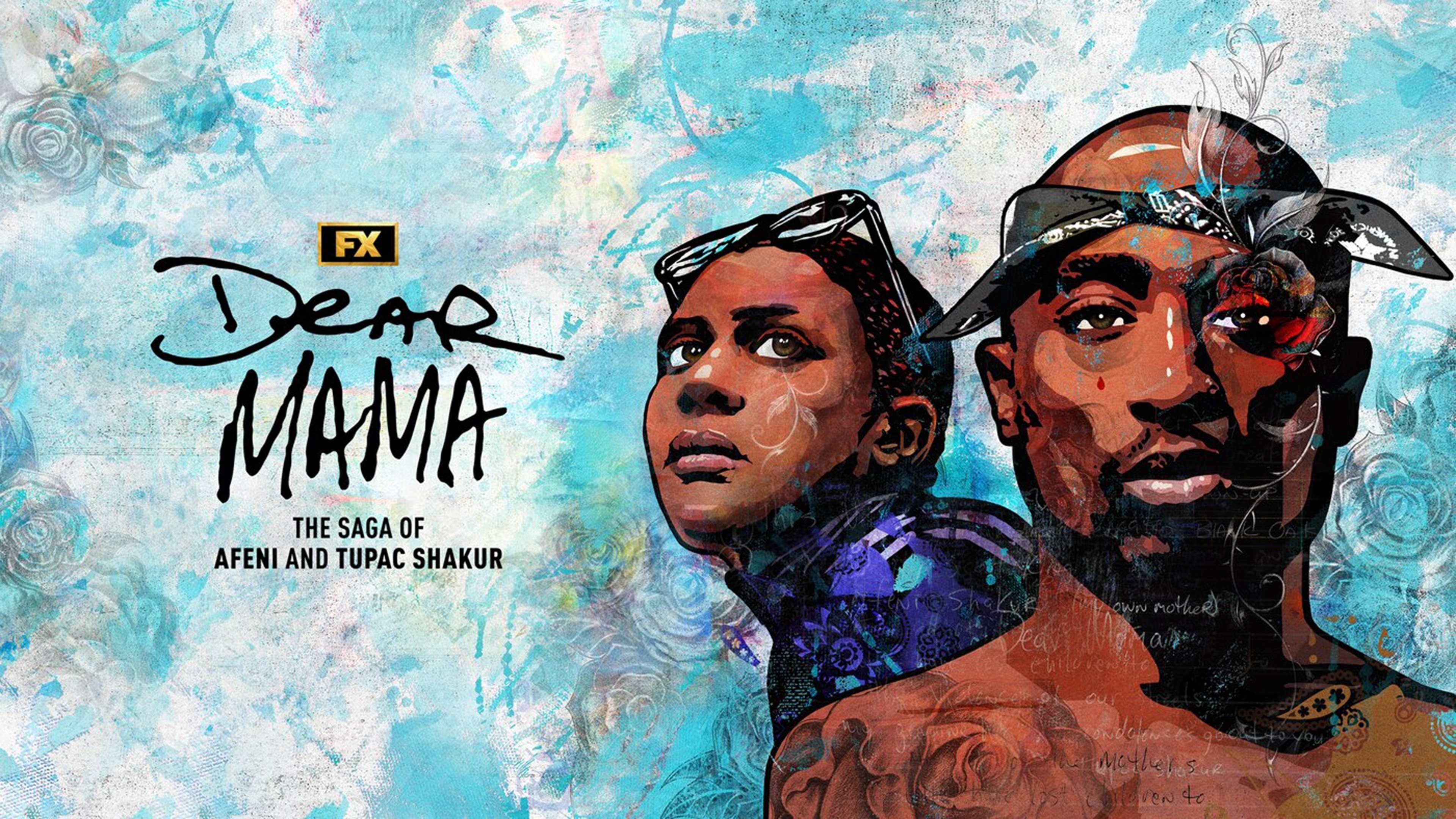
The legacy of Tupac Amaru Shakur is inextricably linked to the radical activism and tumultuous personal histories of his parents, Afeni Shakur and Billy Garland. Both were members of the Black Panther Party, a fact that fundamentally shaped Tupac’s worldview, his revolutionary lyricism, and his identity as a "Black Prince" of hip-hop. While Afeni remained the primary influence and guardian of his estate until her death, Billy Garland’s role as the biological father—long thought by Tupac to be dead—adds a layer of complexity to the rapper’s narrative of abandonment and eventual reconciliation.
Understanding Tupac's parents is not merely an exercise in celebrity genealogy; it is an exploration of the American civil rights struggle, the weight of systemic oppression, and the resilience of a family born out of the Black Power movement. In 2026, as the Shakur estate continues to influence global culture, the stories of Afeni and Billy remain essential to decyphering the man who became 2pac.
The Revolutionary Matriarch: Afeni Shakur
Afeni Shakur, born Alice Faye Williams in 1947, was the cornerstone of Tupac’s life. Her journey from a small-town girl in North Carolina to a high-ranking member of the Black Panther Party in Harlem is the stuff of legend. Afeni’s influence on her son was total—intellectual, political, and emotional.
The Black Panther Party and the Panther 21
Afeni joined the Black Panther Party (BPP) in the late 1960s, a period of intense social upheaval. She quickly rose through the ranks, known for her sharp mind and oratorical skills. In 1969, she was arrested as part of the Panther 21, a group of activists accused of plotting to bomb department stores and police stations in New York City.
What makes this chapter of her life particularly poignant is that she was pregnant with Tupac while incarcerated and facing a potential 300-year sentence. Acting as her own attorney, Afeni cross-examined witnesses and delivered a closing argument that resulted in the acquittal of all defendants in May 1971. Tupac was born just one month later, on June 16, 1971. This prenatal environment of defiance and legal battle likely contributed to the "warrior" spirit Tupac frequently referenced in his music.
Struggles with Addiction and Redemption
The 1980s were a difficult period for the Shakur family. As the Black Panther Party was dismantled by internal friction and the FBI’s COINTELPRO operations, Afeni struggled with a crack cocaine addiction. This era of her life is candidly documented in Tupac’s 1995 hit "Dear Mama."
Afeni eventually overcame her addiction in the early 1990s, a feat that allowed her to reconcile with her son before his untimely death in 1996. Her redemption arc became a symbol of hope for many families in the inner city. After Tupac's death, she founded the Tupac Amaru Shakur Foundation and the Afeni Shakur Center for the Arts, ensuring that his artistic and political message was preserved without corporate dilution.
The Biological Connection: Billy Garland
For much of his youth, Tupac believed his biological father was either dead or had abandoned him. He was raised by Afeni and influenced by several father figures in the Black Panther movement, most notably Mutulu Shakur (his stepfather and a revolutionary who was incarcerated for decades). However, the biological reality was Billy Garland.
A Shared Panther History
Billy Garland was a fellow member of the Black Panther Party. He met Afeni in the late 1960s within the New York chapter. Garland was active in the party's community programs, which emphasized self-defense and social services. Unlike Afeni, who became a public face of the movement through her trial, Garland remained a more background figure in the grand narrative of the BPP.
Garland’s absence from Tupac’s early life was not entirely a matter of simple abandonment, according to his later accounts. He claimed that he had been pushed out of the picture due to the chaotic nature of the movement and his own personal failings.
The Reunion and Legal Battles
Tupac and Billy Garland did not meet until 1994, after Tupac was shot at Quad Studios in New York. Garland visited him in the hospital, and for a brief period, they began to forge a relationship. Tupac later remarked on the shock of seeing his own face in another man, a realization that forced him to confront his long-held anger regarding his father's absence.
Following Tupac’s death in 1996, Billy Garland emerged in the public eye primarily through legal channels. He sued the Shakur estate for a portion of the inheritance. However, the courts ultimately ruled against him, as he had not provided significant financial or emotional support during Tupac's upbringing. Despite the legal friction, Garland has spent subsequent years defending his son's legacy in interviews, often highlighting the similarities in their temperaments and political convictions.
Comparing the Parental Influences on 2pac
The impact of both parents on Tupac’s psyche can be viewed through different lenses: Afeni provided the revolutionary ideology and the maternal bond, while Billy Garland represented the "missing link" and the biological root of his physical appearance and perhaps his volatile nature.
| Feature | Afeni Shakur | Billy Garland |
|---|---|---|
| BPP Involvement | High-ranking member (Panther 21) | Member (New York Chapter) |
| Primary Role | Mother, Legal Guardian, Estate Executor | Biological Father, Reconnected in 1994 |
| Influence on Lyrics | Central theme of "Dear Mama," "Keep Ya Head Up" | Referenced as the "absent father" in early works |
| Legal Legacy | Successfully defended herself in 1971; protected 2pac's intellectual property | Attempted legal claim on estate; unsuccessful |
| Status (2026) | Deceased (May 2016) | Private Citizen |
The Socio-Political Blueprint: How They Shaped his Music
Tupac’s discography is essentially a rhythmic biography of his parents' struggles. He was not just a rapper; he was a "legacy child" of the Black Power movement.
From "Brenda’s Got a Baby" to "Dear Mama"
In his debut album, 2Pacalypse Now, Tupac focused heavily on the social issues his parents fought against—poverty, police brutality, and systemic neglect. However, it was "Dear Mama" that truly "unveiled" the complexity of his household. By acknowledging Afeni's addiction while praising her strength, Tupac humanized the revolutionary icon. He showed that the "struggle" was not just against the state, but also against internal demons.
The "Absent Father" Trope
Before meeting Billy Garland, Tupac's lyrics were often bitter about his father's absence. In songs like "Papa'z Song," he reflects the pain of a child looking for a role model and finding only a void. After meeting Garland, the tone shifted slightly toward a broader understanding of the pressures that broke Black families apart in the 70s and 80s. This transition allowed Tupac to move from personal resentment to a more systemic critique of the African American family structure under pressure.
The Estate and Legacy in 2026
As of 2026, the management of Tupac's legacy has seen significant evolution. Following Afeni Shakur’s death in 2016, the estate has been managed with a focus on high-quality posthumous releases and educational initiatives.
- The Shakur Estate Trust: Managed by professionals appointed by Afeni, the trust continues to authorize documentaries like the 2023 hit Dear Mama (directed by Allen Hughes), which explored the dual narrative of Afeni and Tupac.
- Archival Preservation: In recent years, more of Tupac’s poetry and journals—many of which were saved by Afeni during their years of poverty—have been released, showcasing the literary depth he inherited from his mother's love of language.
- The Impact of Mutulu Shakur: While this article focuses on Afeni and Billy, the passing of Mutulu Shakur in 2023 (Tupac’s stepfather) also closed a major chapter in the family’s revolutionary history. His influence, alongside Afeni's, remains a pillar of the "Shakur" name.
Common Misconceptions About 2pac’s Parents
To fully understand the legacy of Afeni Shakur and Billy Garland, one must navigate several persistent myths that have clouded the historical record.
- The "Abandonment" Myth: While Billy Garland was absent, the narrative that he simply "walked out" is viewed by historians as an oversimplification of the stresses placed on BPP members during the height of the FBI's counter-intelligence programs.
- The Estate Dispute: Many believe the legal battles after Tupac's death were solely about greed. For Afeni, the battle was about protection—preventing those who were not present for the struggle from profiting from the result.
- The Name Shakur: It is often mistakenly assumed Billy Garland is a "Shakur." In reality, the name Shakur comes from Lumumba Shakur (Afeni’s first husband) and Mutulu Shakur. Tupac was born Lesane Parish Crooks; Afeni changed his name to Tupac Amaru Shakur to give him a revolutionary identity from birth.
Frequently Asked Questions
Was Billy Garland in Tupac’s life at all during his childhood?
No. Billy Garland was largely absent during Tupac's formative years. They did not have a meaningful interaction until 1994, when Tupac was 23 years old. Tupac was raised primarily by his mother and various members of the Shakur family and the Black Panther Party.
How did Afeni Shakur manage to get acquitted in the Panther 21 trial?
Afeni Shakur acted as her own legal counsel. Despite having no formal legal training, she effectively argued that the Black Panther Party was being targeted for its political beliefs rather than criminal intent. Her ability to dismantle the prosecution's witnesses while pregnant is considered one of the most impressive pro se defenses in American legal history.
What happened to Billy Garland after the estate lawsuits?
After his legal claims were denied, Billy Garland largely retreated from the public eye. He has occasionally participated in documentaries and interviews to provide context on his relationship with Afeni and his brief time with Tupac, maintaining a stance that he loved his son despite their long estrangement.
Is the Tupac Amaru Shakur Foundation still active in 2026?
Yes, the foundation remains active. It continues to provide programs for youth in the arts, mental health support, and scholarships. The foundation serves as the primary vehicle for Afeni Shakur’s vision of using Tupac’s fame to fuel community empowerment.
Did Tupac’s parents have other children?
Yes. Afeni Shakur had a daughter, Sekyiwa Shakur, who has been instrumental in managing the family's legacy and the foundation. Billy Garland also has other children, making them half-siblings to Tupac, though they grew up in entirely different environments.
Practical Recommendation for Further Research
To truly understand the "unveiled" legacy of these two figures, readers should look beyond the music. The 2023 documentary series "Dear Mama" is the most authoritative visual resource, as it utilizes never-before-seen footage of Afeni Shakur and interviews with those who knew Billy Garland during the Panther years. Additionally, reading Afeni Shakur’s biography, Afeni Shakur: Evolution of a Revolutionary, provides a firsthand account of the legal and personal battles that defined the family.
By examining the lives of Afeni Shakur and Billy Garland, we see that Tupac was not an accident of history. He was the deliberate product of a revolutionary household, born into a battle for civil rights that he would eventually carry onto the global stage through his art.