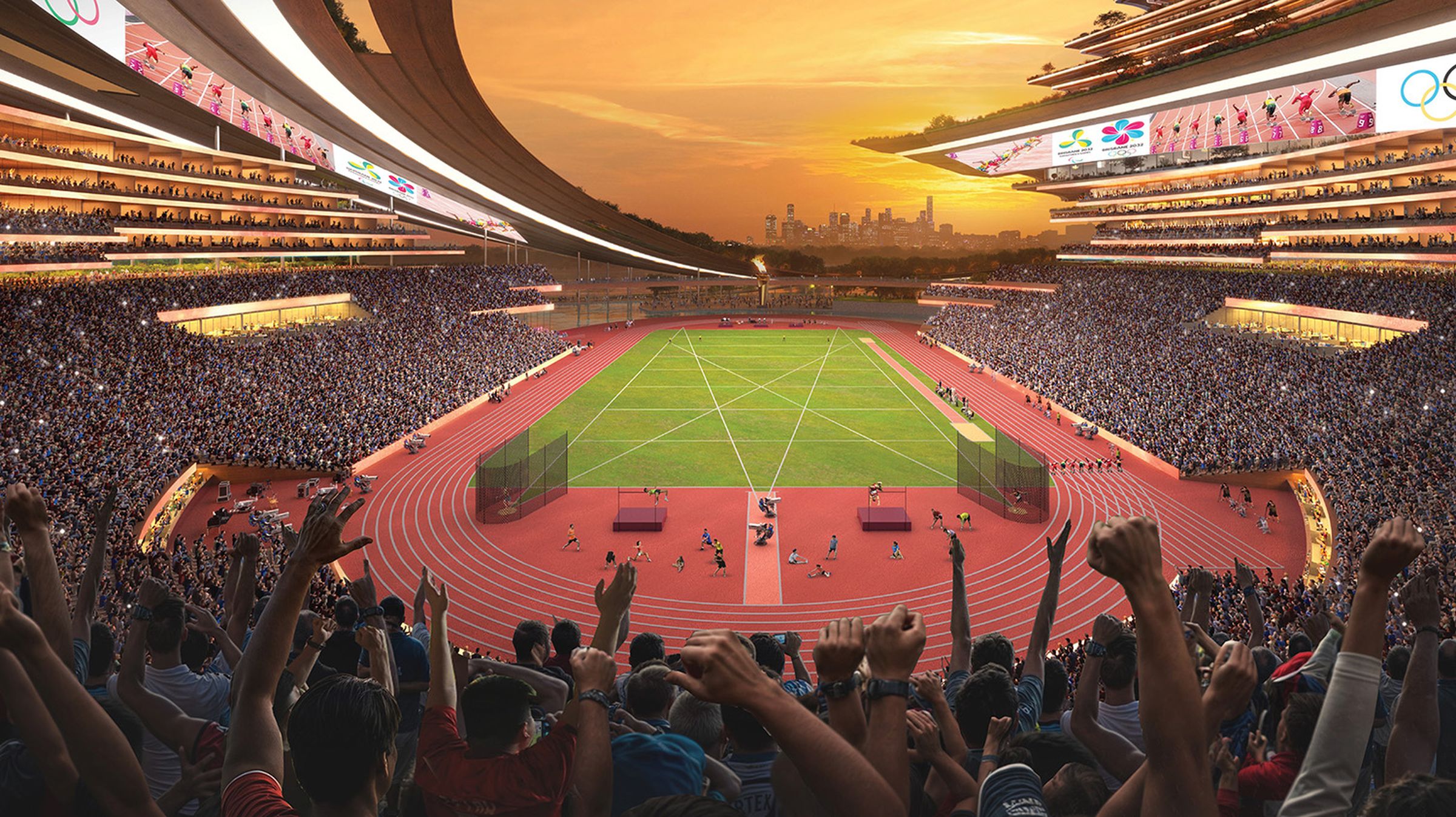
The 2032 Olympic and Paralympic Games in Brisbane represent a historic milestone for Australia, marking the third time the nation will host the marquee international sporting event. Scheduled to run from July 23 to August 8, 2032, for the Olympics and August 24 to September 4 for the Paralympics, the Games will transform Brisbane, Queensland, and surrounding regions into a global hub for athletic excellence, urban renewal, and sustainable infrastructure development.
Introduction to the Brisbane 2032 Olympic and Paralympic Games
The allocation of the 2032 Olympic Games to Brisbane was finalized by the International Olympic Committee (IOC) in July 2021, utilizing the organization's modernized, targeted dialogue process. Brisbane became the first host city to be awarded the Summer Games under the targeted model, reflecting confidence in its existing venue infrastructure, strong governmental backing, and alignment with the IOC’s sustainability mandates.
For local residents, international travelers, and global sports enthusiasts, preparing for the 2032 Games requires an understanding of how the event will unfold across Southeast Queensland. Unlike previous host cities that constructed vast arrays of temporary or speculative venues, Brisbane 2032 relies heavily on a decentralized venue master plan. This plan distributes events across three primary zones: Brisbane, the Gold Coast, and the Sunshine Coast. By maximizing existing and upgradeable facilities, the organizers aim to curtail financial waste and minimize carbon footprints, setting a new benchmark for future Olympic host cities.
Venue Master Plan and Regional Zones
The geographic footprint of the 2032 Games spans a diverse Australian landscape, incorporating urban centers, coastal strips, and regional hubs. The venue strategy categorizes locations into three operational zones, supplemented by outer-lying competition sites.
The Brisbane Hub
Brisbane serves as the beating heart of the 2032 Games, hosting the Opening and Closing Ceremonies, aquatics, athletics, and indoor team sports.
- The Gabba (Brisbane Cricket Ground): Traditionally designated as the marquee venue for track and field events and ceremonies, its ongoing redevelopment plans have sparked public debate regarding budgeting, capacity, and long-term community value.
- Brisbane Live / Arena: A proposed entertainment and sports precinct in the heart of the inner city designed to host swimming and water polo preliminaries, enhancing the urban spectator experience.
- Suncorp Stadium: A premier rectangular stadium utilized for rugby sevens and football (soccer) matches, celebrated for its proximity to the city center and intense spectator atmosphere.
The Gold Coast and Sunshine Coast Zones
To the south and north of Brisbane, existing world-class infrastructure on the Gold Coast and Sunshine Coast will minimize capital expenditure.
- Gold Coast Convention and Exhibition Centre & Metricon Stadium: These venues will host sports such as weightlifting, wrestling, and football matches, leveraging the legacy of the 2018 Commonwealth Games.
- Sunshine Coast Stadium and Mountain Bike Course: Positioned to host regional football matches and specialized cycling events, highlighting the natural topography of the region.
| Zone | Primary Venues | Key Sports Hosted | Infrastructure Status |
|---|---|---|---|
| Brisbane Hub | The Gabba, Suncorp Stadium, Brisbane Arena | Athletics, Ceremonies, Swimming, Rugby Sevens | Mixed (Upgrades and New Builds) |
| Gold Coast | Metricon Stadium, Convention Centre | Football, Weightlifting, Wrestling | Existing / Operational |
| Sunshine Coast | Sunshine Coast Stadium | Football, Mountain Biking | Existing / Minor Upgrades |
| Regional Queensland | Townsville, Cairns, Toowoomba | Preliminary Football Matches | Existing / Operational |
Infrastructure, Transport, and Urban Regeneration
Hosting the Olimpiadas 2032 acts as a powerful catalyst for accelerating transport and urban infrastructure projects across Queensland. The multibillion-dollar transformation focuses on connecting dispersed venues efficiently while leaving a lasting legacy for local communities.
Public Transport Enhancements
The expected influx of millions of international visitors and domestic tourists demands a robust, high-capacity public transport network. Key transport initiatives tied to the 2032 timeline include:
- Cross River Rail: A vital 10.2-kilometer rail line featuring 5.9 kilometers of twin tunnels under the Brisbane River, designed to alleviate bottlenecks in the inner-city rail network.
- Brisbane Metro: A high-frequency, high-capacity bus rapid transit system designed to connect major suburban corridors with the central business district.
- Road and Active Transport Upgrades: Expansion of pedestrian walkways, cycling networks, and highway corridors to ensure seamless transit between accommodation hubs and competition zones.
Sustainable Construction and Environmental Targets
The IOC and the Brisbane 2032 Organising Committee have committed to delivering a climate-positive event. This objective is pursued by prioritizing temporary seating over permanent mega-structures where long-term demand is low, utilizing 100% renewable energy for venue operations, and enforcing strict waste-diversion protocols across all official sites.
Economic, Tourism, and Social Impacts
The 2032 Games represent an estimated multi-billion-dollar economic stimulus for Australia, projected to boost tourism, trade, and foreign investment over the decade leading up to the event and well into the 2030s.
Tourism Growth and Global Exposure
Queensland is already a renowned international tourism destination, but the Games place the region under an unprecedented global microscope. Tourism authorities anticipate a sustained surge in international visitors not only during the July-September competition window but also through pre- and post-Games travel packages exploring the Great Barrier Reef, the Outback, and surrounding coastal regions.
Community and Grassroots Sport Development
Beyond elite competition, the Queensland Government and federal partners have established legacy programs aimed at increasing physical activity participation rates, upgrading community sports clubs, and fostering indigenous athlete development pathways. These initiatives ensure that the benefits of the Games extend far beyond professional podiums into suburban and regional clubs.
Frequently Asked Questions
When will tickets for the Brisbane 2032 Olympic Games go on sale?
Ticket sales typically commence approximately two to three years before the opening ceremony, aligning with standard IOC timelines. Official registration portals and ballot systems will be announced through the official Brisbane 2032 committee channels, allowing global sports fans to register interest well in advance.
Where will the Opening and Closing Ceremonies take place?
The ceremonies are traditionally scheduled to be hosted at the main stadium, designated as The Gabba in Brisbane. However, venue configurations and master plan reviews remain subject to ongoing government oversight and budgetary adjustments.
How will visitors travel between Brisbane, the Gold Coast, and the Sunshine Coast?
Spectators will rely heavily on an upgraded public transport grid, including expanded rail networks, high-frequency regional bus services, and coordinated shuttle systems designed specifically to handle high-density Olympic crowds.
Are there volunteer opportunities for international applicants?
Yes, the Brisbane 2032 Organising Committee will recruit tens of thousands of volunteers from across Australia and globally to support various operational facets, including media operations, spectator services, venue management, and language translation. Applications typically open 12 to 18 months prior to the Games.
What accommodation options will be available for spectators?
Spectators can choose from a wide array of accommodations, ranging from traditional hotels and serviced apartments in Brisbane’s central business district to coastal resorts on the Gold and Sunshine Coasts, alongside authorized homestay networks established for the event.
Next Actions for Travelers and Stakeholders
For travelers, athletes, and local residents planning for the 2032 Olympic Games, preparation should begin early. Monitor official announcements from the International Olympic Committee and the Brisbane 2032 Organising Committee regarding ticketing timelines, volunteering portals, and hospitality packages. Securing accommodations and transport logistics well in advance of the travel window will ensure a seamless and rewarding experience during Australia's historic sporting showcase.