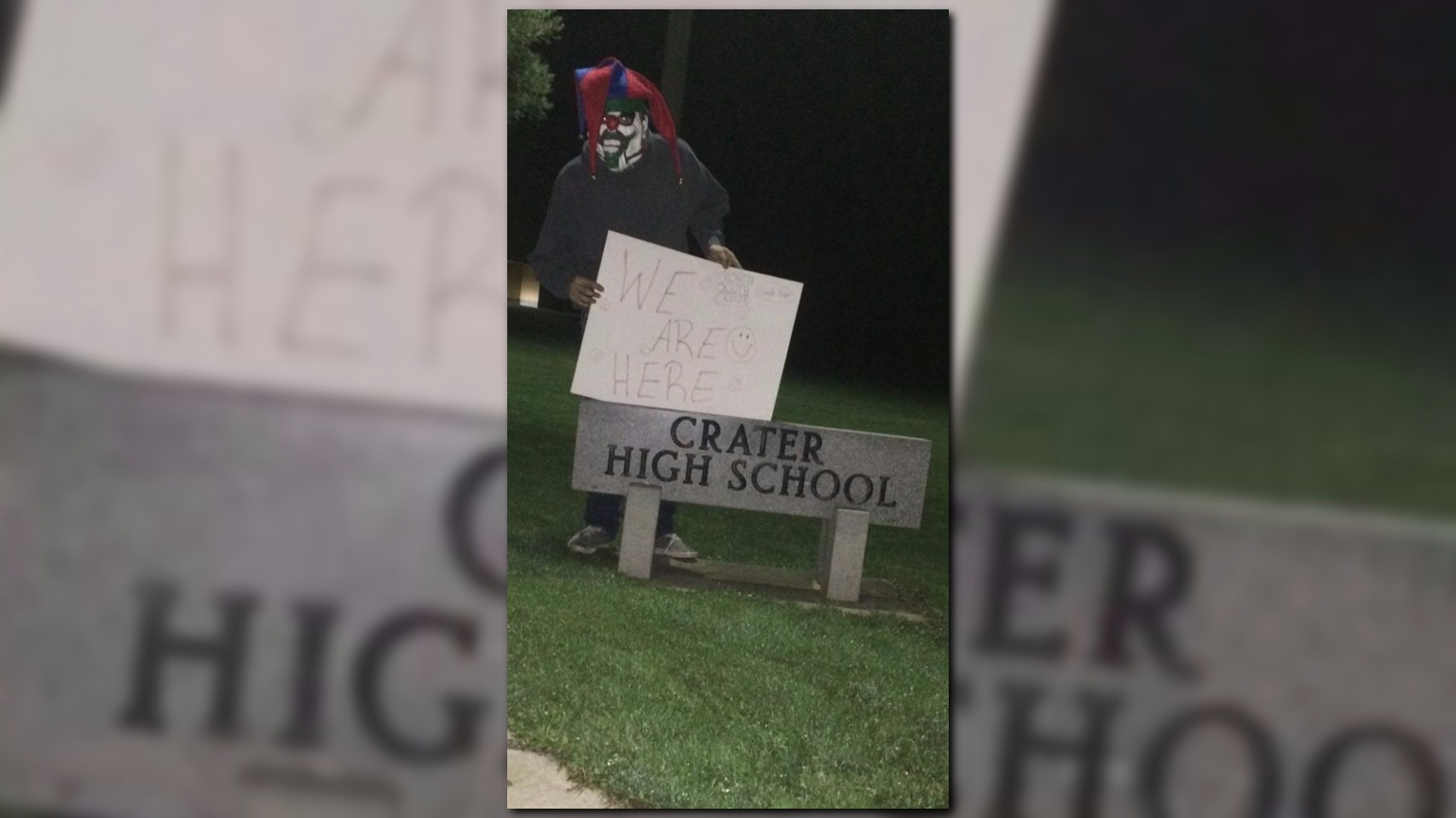
The 2016 clown panic was a widespread social phenomenon characterized by hundreds of unverified sightings of people dressed in creepy clown costumes across the United States, Canada, and several other countries. This panic was driven by a potent mix of viral social media rumors, local news reporting, and pre-existing cultural anxieties surrounding clowns, leading to school lockdowns, police investigations, and widespread public unease.
Origins and Evolution of the Phenomenon
The roots of the 2016 clown panic trace back to late August in Greenville County, South Carolina. Residents in several apartment complexes reported sightings of individuals dressed as clowns attempting to lure children into nearby wooded areas with money and treats. While initial police investigations yielded no concrete evidence or suspects, the local reports quickly captured the attention of regional news outlets.
As stories spread through local television broadcasts, the narrative mutated. What began as isolated, unverified neighborhood complaints transformed into a borderless digital contagion. By September and October 2016, reports flooded emergency dispatch centers across dozens of states. Sightings ranged from harmless individuals standing quietly near roadside tree lines at night to more menacing accounts of clowns wielding weapons, chasing motorists, or lurking near school grounds.
The rapid escalation of these incidents highlighted a profound shift in how localized folklore spreads in the digital age. Unlike historical urban legends that relied on word-of-mouth or print media, the clown panic leveraged hyper-connected social media platforms such as Facebook, Twitter, and Snapchat. Users shared real-time, often fabricated or exaggerated accounts, creating a feedback loop of fear and curiosity that outpaced official police updates.
Social Media Amplification and Viral Dynamics
Social media served as the primary accelerator for the 2016 clown panic. Platforms designed to maximize user engagement inadvertently rewarded sensationalized content. Localized Facebook groups became clearinghouses for unverified sightings, where blurry photographs and second-hand anecdotes were treated as immediate threats.
Furthermore, anonymous accounts and pranksters capitalized on the trending panic by creating dedicated profiles promising clown appearances in specific towns. This prompted school districts and local law enforcement agencies to issue public warnings, which paradoxically amplified the terror by validating the existence of the threat. Teenagers and young adults quickly recognized the viral potential of the trend, donning cheap Halloween masks and filming themselves jumping out of bushes or running alongside cars to secure views and shares.
This gamification of fear created a chaotic environment where distinguishing between genuine malicious intent, teenage pranks, and mass hysteria became nearly impossible for police departments. The viral nature of the events demonstrated the vulnerability of public discourse to digital panics, where the perception of a threat could mobilize communities faster than official verification processes.
Sociological and Cultural Context
The cultural readiness of the public to accept the reality of menacing clowns did not emerge in a vacuum. Clowns have long held a paradoxical position in Western popular culture, functioning simultaneously as figures of innocent children's entertainment and objects of deep-seated phobia—a condition formally known as coulrophobia.
Several cultural touchstones prepared the public imagination for the 2016 events:
- Fictional Depictions: Stephen King’s 1986 novel It and its iconic 1990 television adaptation featuring Pennywise cemented the archetype of the evil, predatory clown in the public consciousness.
- True Crime Parallels: The legacy of historical figures such as serial killer John Wayne Gacy, who performed as "Pogo the Clown," provided a dark, real-world anchor for fictional anxieties.
- The "Creepypasta" Era: The mid-2010s saw a massive surge in online horror folklore, making internet users particularly receptive to eerie, ambiguous urban legends.
Sociologists categorized the event as a textbook example of a modern moral panic or mass hysteria. In times of rapid cultural and political transition, societal anxieties frequently manifest in displaced fears regarding public safety and the protection of children. The anonymity provided by clown masks allowed the public to project abstract fears onto a tangible, albeit absurd, physical archetype.
Impact on Public Safety and Law Enforcement Response
The logistical burden placed on municipal services and law enforcement agencies during the autumn of 2016 was substantial. Police departments across North America diverted significant resources to investigate hundreds of daily tips, the vast majority of which proved to be unfounded, hoaxes, or entirely legal costumed gatherings.
| Incident Category | Law Enforcement / Community Impact |
|---|---|
| Neighborhood Luring Reports | Triggered increased patrols, community watch alerts, and heightened anxiety among parents. |
| Social Media Hoaxes | Resulted in criminal charges for public mischief and threats against educational institutions. |
| School Threats | Caused mandatory lockdowns, student absences, and security protocol reviews in multiple states. |
| Vigilante Retaliation | Led to physical altercations, accidental injuries, and arrests of armed citizens seeking to confront clowns. |
As the panic peaked in October leading up to Halloween, the consequences turned legal and physical. Numerous individuals were arrested for filing false police reports, making terroristic threats via social media, or disturbing the peace. In some instances, armed citizens formed vigilante groups to "hunt" clowns, resulting in physical altercations and unintended violence. Professional clowns also suffered severe collateral damage; legitimate birthday party performers, circus workers, and charity entertainers reported canceled bookings, public harassment, and threats to their livelihoods simply for wearing their professional attire.
Frequently Asked Questions
What triggered the 2016 clown panic?
The panic originated from unverified reports in late August 2016 in Greenville County, South Carolina, where individuals dressed as clowns allegedly attempted to lure children into the woods. The story quickly gained traction through regional news and social media, sparking imitation sightings and widespread fear across multiple countries.
Were any children actually harmed during the clown panic?
Law enforcement agencies found no credible evidence that children were abducted or physically harmed by individuals in clown costumes during the 2016 incidents. The vast majority of reported sightings were determined to be hoaxes, social media pranks, or misinterpretations of harmless behavior.
Why did people dress up as clowns during the panic?
Many participants were teenagers and young adults motivated by viral social media trends, peer imitation, and the desire for online attention. The anonymous nature of the costumes provided a shield for pranksters looking to scare others without immediate identification.
How did law enforcement handle the situation?
Police departments dedicated extensive resources to investigate credible threats while issuing public statements urging calm. Authorities arrested numerous individuals for filing false police reports, making online threats, and disturbing the peace, while several school districts implemented temporary bans on clown costumes.
What was the economic impact on professional clowns?
Professional entertainers, birthday party performers, and circus acts experienced widespread cancellations, public harassment, and income loss as public hostility toward anyone in clown makeup peaked during September and October 2016.
Practical Takeaways and Historical Significance
The 2016 clown panic remains a fascinating case study in modern media consumption, crowd psychology, and the speed of digital misinformation. For researchers and communication specialists, the event underscores the importance of media literacy and the need for measured, evidence-based reporting by news outlets when dealing with viral phenomena.
When evaluating extraordinary claims circulating on social media, individuals and communities are advised to rely on official statements from verified law enforcement agencies rather than unverified user-generated content. Understanding the mechanics of mass panics helps prevent unnecessary community alarm and preserves critical public safety resources for genuine emergencies.