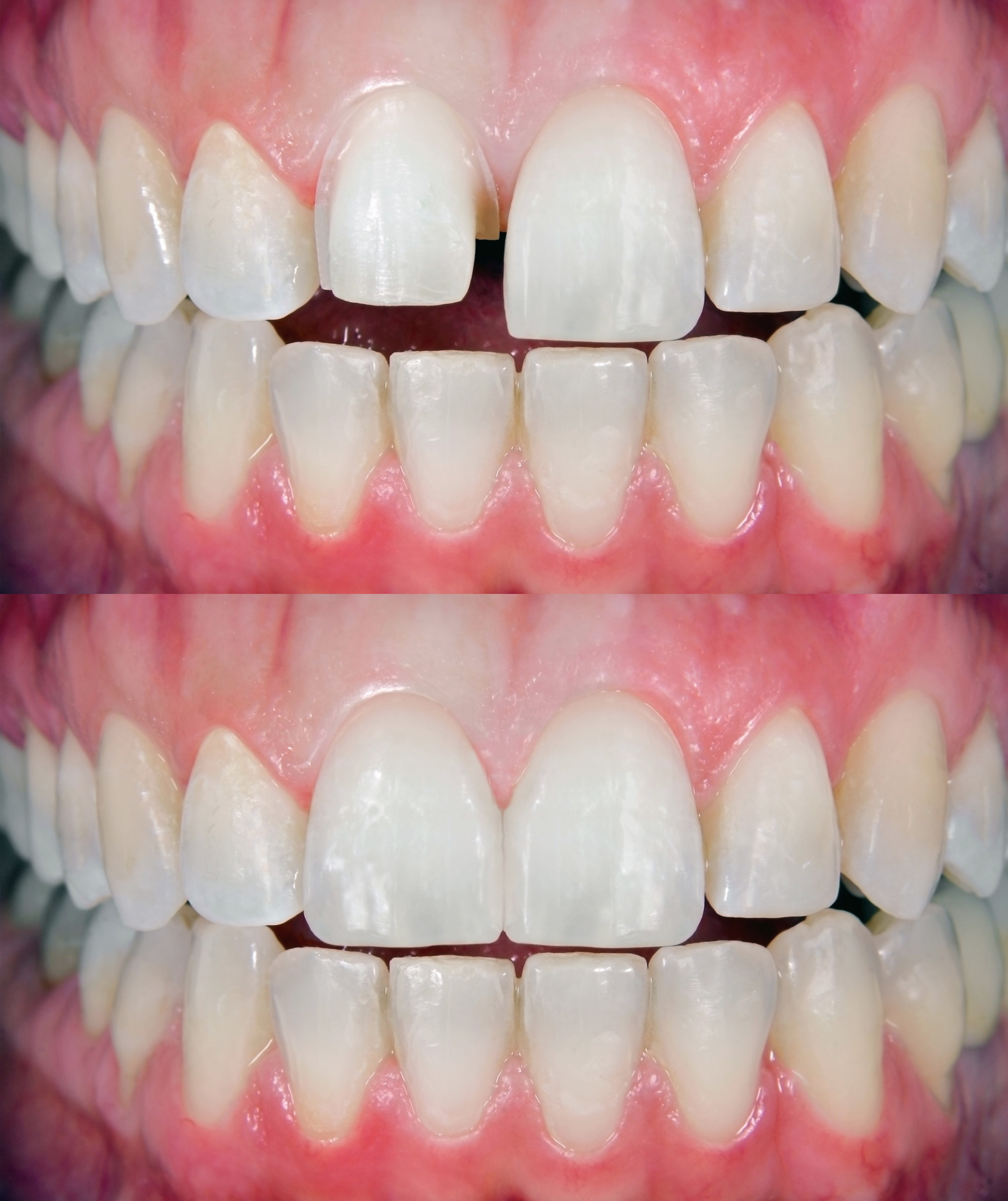
Applying two veneers can instantly transform your smile by masking localized imperfections, closing small gaps, or correcting tooth discoloration with ultra-thin, highly customized porcelain sheets. This targeted cosmetic dental procedure delivers dramatic aesthetic improvements with minimal structural changes to your natural teeth, blending seamlessly with your surrounding dentition.
Understanding the Power of Targeted Aesthetic Dentistry
Modern cosmetic dentistry offers numerous ways to enhance a smile, but few treatments achieve the balance of speed, durability, and aesthetics quite like porcelain veneers. While full-mouth transformations involve placing veneers across all visible teeth, a targeted approach utilizing precisely 2 veneers can yield remarkable results. This localized strategy is particularly effective when aesthetic flaws are isolated to the two central incisors—the most prominent teeth in the human smile—or any adjacent pair that draws immediate visual attention.
The process relies on medical-grade ceramic materials designed to mimic the light-reflecting properties of natural tooth enamel. When crafted by a skilled laboratory technician and bonded by an experienced cosmetic dentist, two porcelain sheets can correct asymmetry, eliminate stubborn intrinsic staining, and harmonize tooth proportions. Understanding how this procedure works requires looking closely at candidacy, material science, clinical steps, and long-term maintenance.
When Two Veneers Are the Ideal Solution
Not every smile transformation requires a comprehensive set of veneers. Selecting a two-unit restoration depends entirely on the specific layout of your dental imperfections and the health of your supporting structures. Dentists evaluate several diagnostic factors before recommending this targeted intervention.
Ideal Clinical Indicators for a Two-Veneer Treatment
- Diastema Closure: Closing a persistent or prominent gap (diastema) specifically between the two upper central incisors without orthodontic intervention.
- Localized Trauma or Chipping: Restoring teeth that have suffered minor fractures, edge wear, or structural chips due to injury or bruxism.
- Intrinsic Discoloration: Covering deep-set stains caused by fluorosis, tetracycline use, or root canal therapy that fail to respond to professional teeth whitening.
- Shape and Proportion Corrections: Lengthening or reshaping peg lateral incisors or undersized central teeth to create dental symmetry.
Assessing Bite Alignment and Occlusion
Before committing to two veneers, a thorough bite analysis is mandatory. If your lower teeth strike directly against the biting edges of your upper front teeth when you chew or speak, porcelain veneers may be vulnerable to excessive shear stress and fracture. Patients with edge-to-edge bites, deep overbites, or severe malocclusions often require preliminary orthodontic alignment or bite adjustment to ensure the long-term survival of the porcelain restorations.
The Material Science of Natural-Looking Porcelain Sheets
The phrase "natural-looking porcelain sheets" refers to advanced feldspathic or lithium disilicate ceramic materials. Unlike traditional bulky crowns, modern veneers are wafer-thin shells—often ranging from 0.3mm to 0.5mm in thickness—that adhere to the front surface of the tooth.
Why Porcelain Outperforms Composite Resin
While direct composite bonding can also be applied to two teeth, porcelain offers distinct structural and aesthetic advantages:
| Feature | Porcelain Veneers | Direct Composite Bonding |
|---|---|---|
| Lifespan | 10 to 15+ years with proper care | 4 to 8 years before repair/replacement |
| Stain Resistance | Highly resistant to coffee, tea, and tobacco | Porous matrix prone to surface staining |
| Aesthetic Depth | Translucent ceramic mimics natural enamel light scatter | Opaque resin can look flat under harsh lighting |
| Appointment Count | Usually requires two separate visits | Typically completed in a single visit |
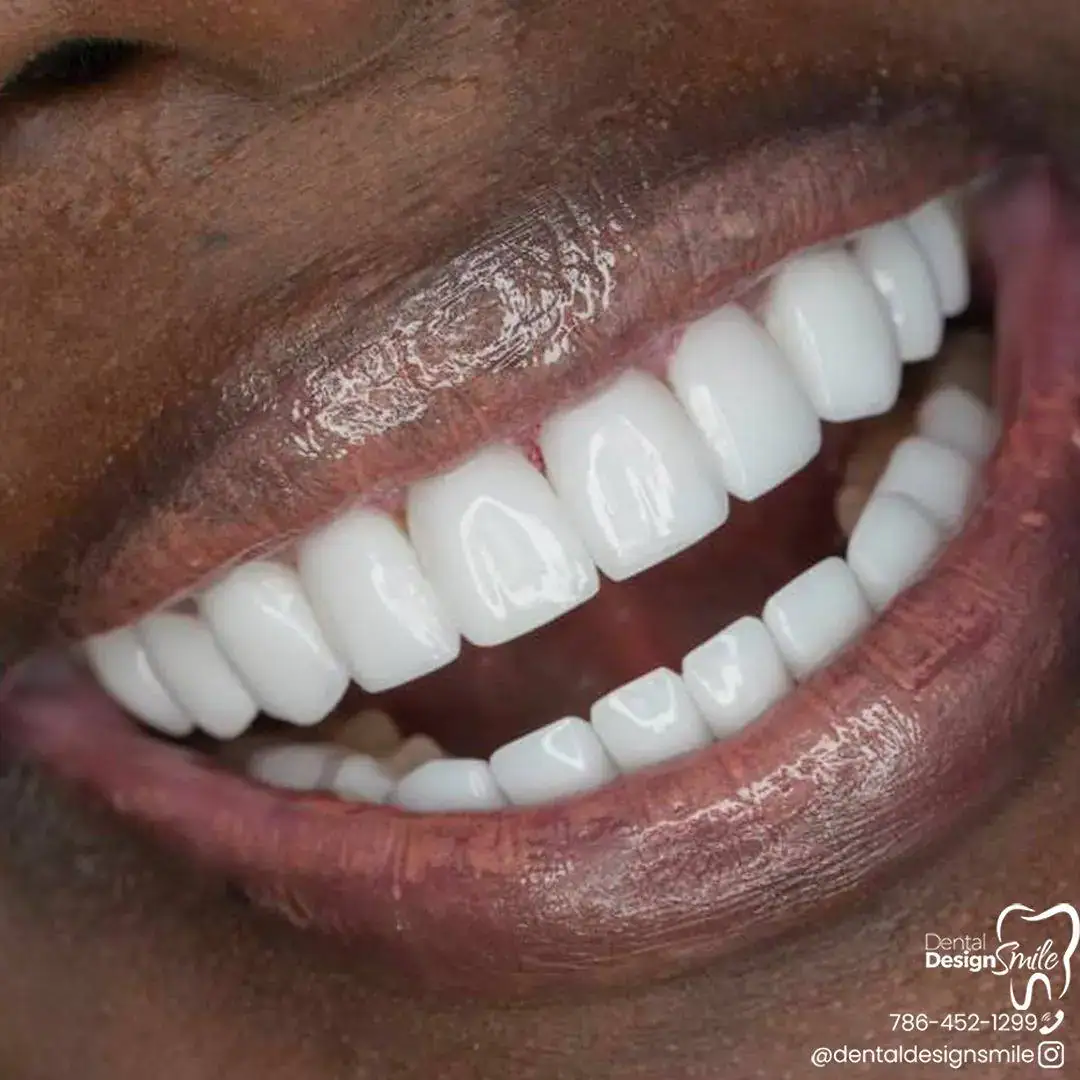
Porcelain's translucency is its defining characteristic. Natural teeth do not possess a uniform solid color; they feature varying shades of white, ivory, and amber near the gumline, coupled with translucent edges at the incisal tip. Master ceramicists layer fine ceramic powders and fire them in high-temperature ovens to replicate these subtle internal color dimensions.
Step-by-Step Clinical Procedure for Your Two-Veneer Transformation
Achieving a flawless transformation with two veneers is a meticulous clinical process that balances art and science. While the exact workflow can vary slightly depending on the dental practice and technology used, most treatments follow a structured pathway.
1. Comprehensive Consultation and Digital Smile Design
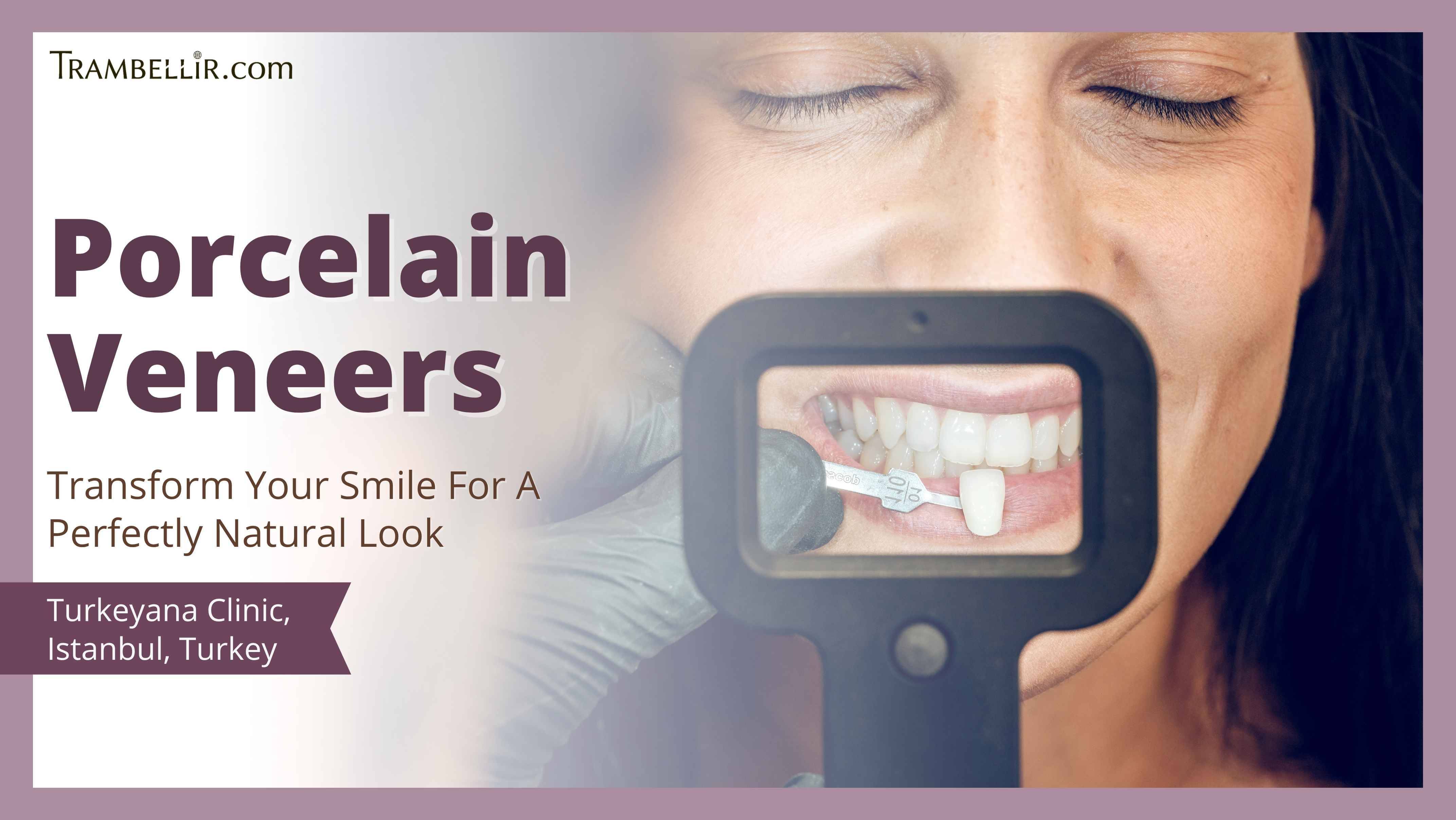
The journey begins with a thorough clinical examination, periodontal evaluation, and digital imaging. Dentists utilize advanced photography and 3D intraoral scanners to map your bite and facial proportions. During this consultation, you discuss your aesthetic goals, select the desired shade, and preview the potential outcome using digital mock-ups or wax models placed on a physical model of your teeth.
2. Conservative Tooth Preparation
To ensure the veneers do not look bulky or feel unnatural against your lips, a microscopic layer of enamel—roughly equivalent to the thickness of the porcelain veneer itself—is gently removed from the front surface of the two target teeth.
- Local anesthesia is often utilized to ensure patient comfort during this phase.
- Minimally invasive techniques preserve as much healthy tooth structure as possible.
- In select cases, "no-prep" or ultra-thin veneers can be applied without enamel reduction, provided the teeth are small or receded enough to accommodate them.
3. Impressioning and Temporary Protection
Once the teeth are prepared, precise physical impressions or digital scans are captured and sent to a specialized dental laboratory. Because the outer enamel layer has been altered, temporary acrylic veneers are usually fabricated and bonded to your teeth using spot-etching. These temporaries protect your teeth from sensitivity and maintain your smile's appearance while your permanent porcelain sheets are crafted—a process that typically takes one to two weeks.
4. Adhesive Bonding and Final Adjustment
When your custom porcelain veneers arrive from the laboratory, you return for the placement appointment:
- The temporary veneers are removed, and the underlying teeth are cleaned.
- The porcelain sheets are temporarily placed on your teeth to verify color match, contour, and marginal fit.
- If you and your dentist are completely satisfied, the teeth are cleaned with pumice, etched with a mild acid gel to create a micro-porous bonding surface, and coated with a specialized silane coupling agent and resin cement.
- A high-intensity curing light polymerizes the resin cement, locking the porcelain sheets permanently into place.
- Excess cement is cleaned away, and your bite is checked one final time to ensure harmonious occlusion.
Potential Risks, Limitations, and Care Guidelines
While porcelain veneers offer a durable and visually stunning solution, patients must approach the treatment with realistic expectations regarding maintenance and biological permanence.
Irreversibility and Sensitivity
Because the removal of dental enamel is an irreversible process, teeth that receive porcelain veneers will always require coverage of some kind—either a replacement veneer or a full crown—if the original restoration is ever removed. Furthermore, temporary thermal sensitivity to hot or cold foods is common in the days immediately following the preparation and cementation phases as the teeth adjust to the restorations.
Long-Term Maintenance Best Practices
Maintaining your new porcelain smile requires disciplined hygiene habits:
- Brush and Floss Daily: Porcelain is immune to decay, but the natural tooth structure underneath and around the margins remains susceptible to cavities and periodontal disease. Use a non-abrasive fluoride toothpaste to prevent scratching the ceramic glaze.
- Wear a Nightguard: If you grind or clench your teeth while sleeping (bruxism), a custom occlusal splint is essential to protect your veneers from fracturing under extreme pressure.
- Avoid Destructive Habits: Refrain from using your veneered front teeth to open packages, bite hard fingernails, chew ice, or crack nutshells.
Frequently Asked Questions
Can I get just two veneers if my surrounding teeth are slightly yellow?
Yes, but color matching is critical. Your dentist will help you choose a porcelain shade that harmonizes with your adjacent natural teeth, or recommend professional teeth whitening for the rest of your smile before the veneer shade is selected. Matching two ultra-white veneers to naturally darker adjacent teeth can create an unbalanced, artificial appearance.
Does the veneer preparation procedure hurt?
The preparation process is generally performed under local anesthesia, ensuring that you feel no pain while the dentist contours the enamel. Mild gum tenderness or temperature sensitivity is normal for a few days after the temporary and permanent veneers are placed, but this typically subsides quickly.
How long do porcelain veneers last?
With diligent oral hygiene, regular dental check-ups, and protective measures against teeth grinding, high-quality porcelain veneers commonly last between 10 and 15 years, and frequently much longer before requiring replacement due to normal wear or gum recession.
Can porcelain veneers stain over time?
No. High-grade dental porcelain features a smooth, highly polished glaze that is non-porous. Unlike natural tooth enamel or direct composite resin, porcelain does not absorb pigments from coffee, red wine, tea, or smoking, meaning your two transformed teeth will retain their bright shade for years.
Conclusion and Next Actions
Investing in two veneers can dramatically elevate your confidence by correcting localized smile imperfections with predictable, long-lasting results. To determine if your bite and dental health make you an ideal candidate for this targeted procedure, schedule a comprehensive consultation with an experienced, accredited cosmetic dentist. Ask to review portfolio cases of prior two-unit restorations to ensure their aesthetic style aligns with your personal vision for your smile.