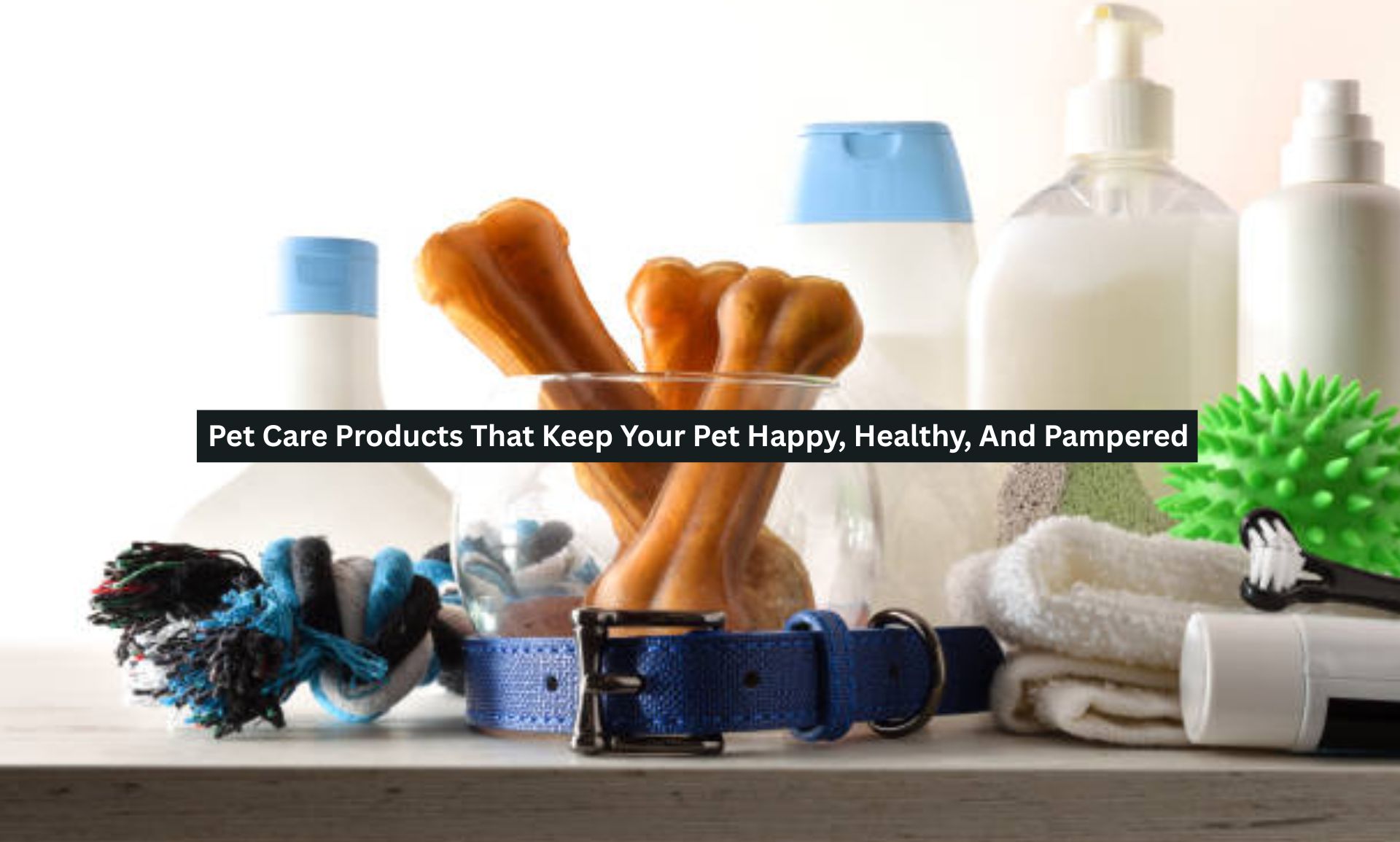
Keeping your companion animal thriving requires a balanced routine of species-appropriate nutrition, mental stimulation, preventative veterinary care, and emotional bonding. By understanding their physical and behavioral requirements, owners can build a sustainable lifestyle that prevents common health issues, enhances longevity, and fosters a deeply fulfilling human-animal relationship.
1. Prioritize Species-Appropriate Nutrition and Portion Control
Proper nutrition forms the literal foundation of a pet's health and longevity. Every species—and often every breed or life stage—has distinct nutritional demands. Dogs are omnivores capable of processing a wide variety of foods, whereas cats are obligate carnivores requiring specific amino acids like taurine found almost exclusively in animal tissue.
Beyond selecting a high-quality commercial diet that meets regulatory standards such as those set by the Association of American Feed Control Officials (AAFCO), portion control is critical. Obesity is one of the most prevalent chronic conditions in companion animals, directly contributing to osteoarthritis, diabetes, and cardiovascular complications.
- Consult Your Veterinarian: Calculate exact caloric requirements based on your pet’s age, neuter status, and activity level.
- Measure Meals: Ditch the scoop-and-guess method in favor of standard measuring cups or a digital kitchen scale.
- Monitor Body Condition: Regularly check for a visible waistline and palpable ribs without excess fat padding.
2. Schedule Regular Preventative Veterinary Care
Preventative medicine stops minor physiological shifts from escalating into complex, costly diseases. Routine veterinary examinations should occur at least annually for adult animals and semi-annually for seniors. These visits allow clinicians to track baseline metrics, screen for internal parasites, and catch silent pathologies like periodontal disease or early renal decline before outward symptoms appear.
Vaccination schedules must be maintained according to regional exposure risks and lifestyle factors. Core vaccines protect against universally dangerous pathogens, while lifestyle vaccines target environmental hazards such as ticks or standing water. Integrating routine blood panels into annual check-ups provides a comprehensive internal view of organ function.
3. Implement Daily Physical Exercise and Movement
Physical exertion does more than burn calories; it maintains joint mobility, regulates metabolism, and channels nervous energy. The intensity and type of exercise must align with the animal's physical design. A working-breed dog requires miles of vigorous running or hiking, whereas a brachycephalic breed or an older feline needs gentle, low-impact play sessions to prevent respiratory distress or joint strain.
| Species / Type | Recommended Activity | Duration / Frequency |
|---|---|---|
| High-Energy Dogs | Running, Fetch, Agility | 60–90 minutes daily |
| Senior/Giant Dogs | Controlled Leash Walks | 30 minutes, split sessions |
| Indoor Cats | Wand Toys, Laser Chasing | 15 minutes, 2–3 times daily |
| Small Mammals | Free-Roam Play Pens | 1–2 hours supervised space |
Consistency is vital. Sporadic, high-intensity weekend workouts can lead to ligament tears or severe muscle soreness. Integrate movement naturally into the day through structured walks, interactive fetch games, or puzzle toys that encourage physical exploration.
4. Provide Cognitive Enrichment and Mental Stimulation
Physical exhaustion without mental engagement often results in behavioral issues, including destructive chewing, excessive vocalization, and anxiety. Animals possess complex minds that evolved to solve problems, forage, and explore.
Enrichment can be seamlessly introduced through environmental modifications. For dogs, this might mean using snuffle mats, frozen stuffed chew toys, or rotating puzzle games. For cats, vertical territory, window perches for bird watching, and foraging feeders mimic hunting behaviors. Training sessions also serve as exceptional cognitive workouts, reinforcing obedience while strengthening communication between pet and owner.
5. Maintain Rigorous Dental Hygiene
Periodontal disease affects the vast majority of adult dogs and cats, yet it remains one of the most overlooked aspects of home care. Plaque and tartar buildup lead to gingivitis, tooth root abscesses, and systemic bacterial migration that can damage the heart, liver, and kidneys.
Brushing your pet's teeth daily with a pet-safe enzymatic toothpaste is the gold standard of dental maintenance. Introduce the process gradually, starting with flavored pastes on a finger before transitioning to a soft-bristled brush. Dental chews, water additives, and veterinary dental diets can supplement home brushing but rarely replace mechanical cleaning.
6. Create a Secure, Stress-Free Living Environment
An animal's immediate environment directly dictates its psychological baseline. Chronic environmental stress triggers cortisol release, weakening the immune system and exacerbating behavioral problems. Ensuring safety means securing household hazards—such as toxic houseplants, human medications, and electrical cords—out of reach.
Furthermore, recognize your pet’s need for sanctuary space. Dogs benefit from a quiet crate or designated bed where they are never disturbed, while cats require elevated retreats and private, clean litter boxes placed away from high-traffic household commotion.
7. Establish Consistent Routines and Clear Communication
Animals are creatures of habit who find comfort and stability in predictable daily structures. Consistent schedules for feeding, elimination, play, and rest reduce anxiety by helping pets anticipate daily events.
Communication must be grounded in positive reinforcement. Rewarding desired behaviors with high-value treats, praise, or play builds trust and accelerates learning far more effectively than punishment-based methods, which often induce fear and defensive aggression.
8. Commit to Professional Grooming and Coat Maintenance
Grooming is not merely an aesthetic luxury; it is a critical health assessment tool. Regular brushing removes dead undercoat, prevents painful matting that can restrict circulation or harbor skin infections, and distributes natural oils for a healthy coat.
During grooming sessions, owners have a prime opportunity to inspect the skin for anomalies. Check systematically for:
- Unexplained lumps, bumps, or localized swelling
- Parasites such as fleas, ticks, or mites
- Redness, flaking, or hot spots indicating allergies
- Overgrown nails that can alter gait and cause joint pain
9. Ensure Optimal Hydration and Water Quality
Water is involved in virtually every metabolic process, from nutrient transport to thermoregulation. Dehydration can quickly precipitate medical emergencies, particularly in cats prone to lower urinary tract diseases.
Ensure fresh, clean water is accessible in multiple locations throughout the home. Many pets, particularly felines, prefer moving water and drink more readily from a circulating pet fountain. Wash water bowls daily with soap and hot water to prevent the accumulation of biofilm, which can harbor harmful bacteria.
10. Monitor Behavioral Nuances and Senior Transitions
The final pillar of a happy, healthy pet is vigilant observation. Because animals instinctively mask pain or vulnerability as a survival mechanism, subtle behavioral shifts are often the earliest indicators of underlying medical issues. A sudden reluctance to jump onto the sofa, increased irritability, changes in sleep patterns, or a shift in house-training habits warrant a veterinary evaluation.
As pets enter their senior years, their physiological needs shift dramatically. Joint supplements, modified lower-calorie diets, softer bedding, and non-slip rugs on hardwood floors can vastly improve their quality of life, ensuring their golden years remain comfortable and dignified.
Frequently Asked Questions
How often should I take my pet to the veterinarian for a routine check-up?
Adult pets should visit the veterinarian at least once a year for a comprehensive physical examination and wellness bloodwork. Senior pets—generally defined as dogs and cats in the last 25% of their estimated lifespan—require semi-annual visits to catch age-related conditions early and manage chronic discomfort proactively.
What is the most effective way to prevent pet obesity?
Preventing pet obesity requires strict portion control based on caloric guidelines rather than free-feeding, combined with daily measured exercise. Avoid excessive high-calorie table scraps and use low-calorie training treats, calculating every calorie consumed against your pet's daily maintenance energy requirement.
How can I tell if my cat is mentally stimulated enough?
A mentally stimulated cat displays curiosity, exhibits normal hunting and play behaviors without destructive outlets, and uses vertical space comfortably. Signs of under-stimulation include over-grooming, pacing, aggression toward other household pets, and targeting furniture or curtains for destructive scratching.
Are human foods safe for dogs and cats?
Many common human foods are toxic to companion animals, including chocolate, grapes, raisins, onions, garlic, xylitol (artificial sweetener), and macadamia nuts. Always verify food safety with a veterinary source before offering any table scraps or alternative ingredients.
What are the signs of dental disease in dogs and cats?
Common indicators of dental disease include persistent bad breath (halitosis), visible yellow or brown tartar buildup along the gumline, inflamed or bleeding gums, dropped food while eating, reluctance to chew hard toys, and excessive drooling.
How do I safely introduce a new routine or exercise to an older pet?
Introduce any new physical activity or dietary change gradually and under veterinary supervision. For older pets, start with low-impact sessions—such as five-minute flat walks or gentle indoor games—and monitor closely for stiffness or fatigue the following day before slowly increasing intensity.
Next Actions and Implementation
To begin improving your pet's well-being today, pick one area to audit—such as switching to measured feeding portions or establishing a daily five-minute dental brushing routine. Schedule any overdue veterinary appointments, and gradually layer in new mental enrichment tools over the coming weeks to build a sustainable, health-focused lifestyle for your companion.