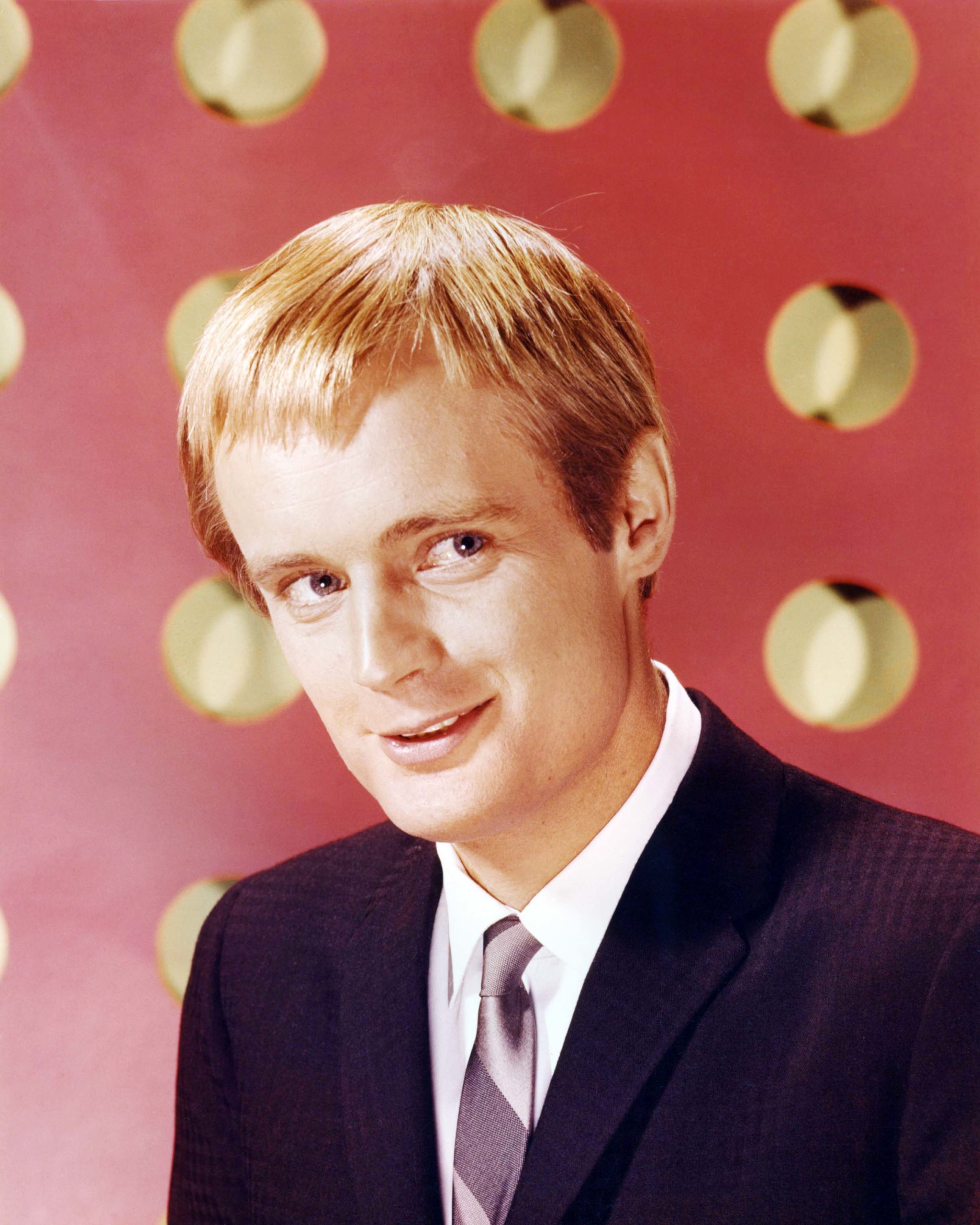
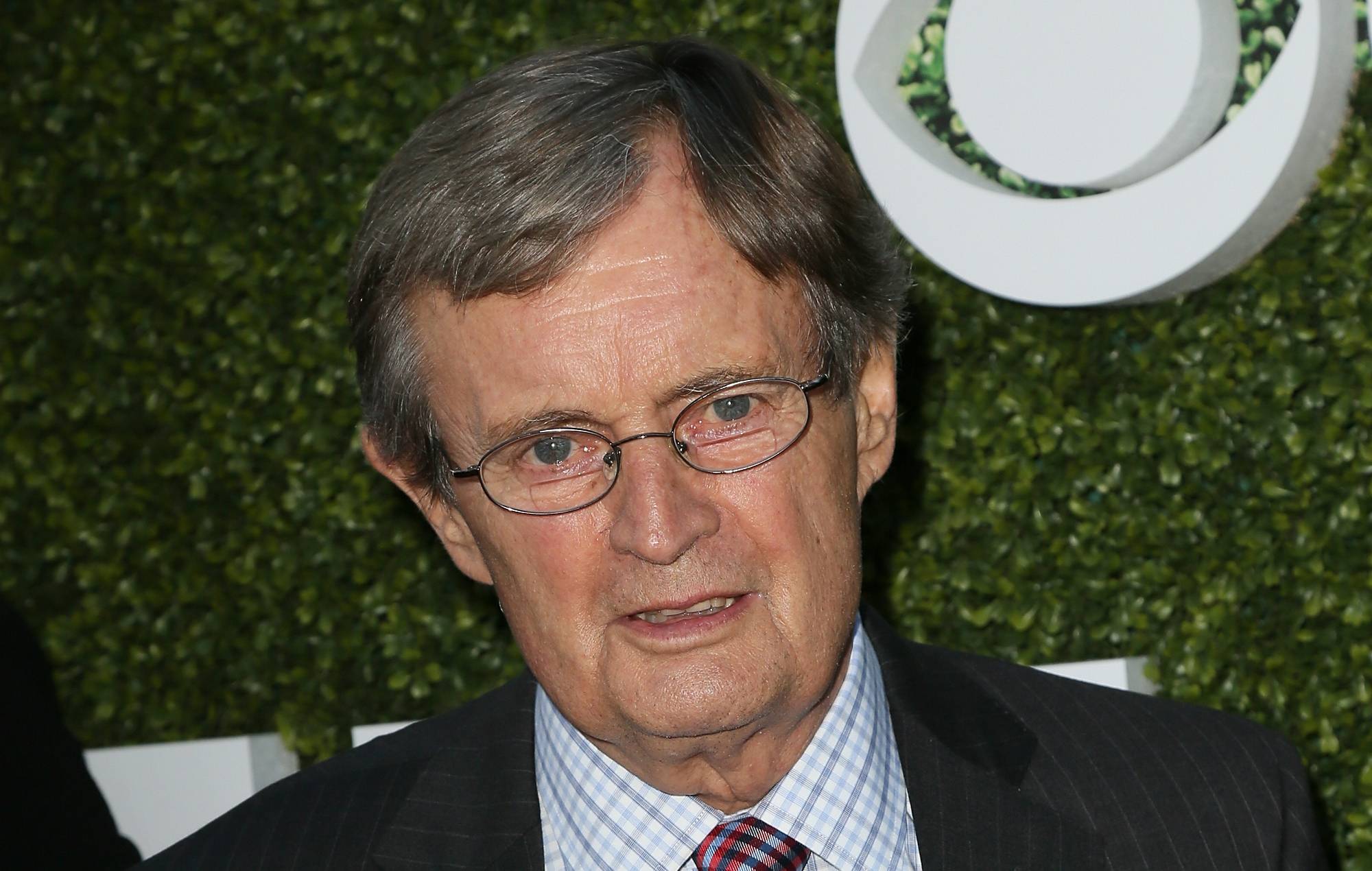
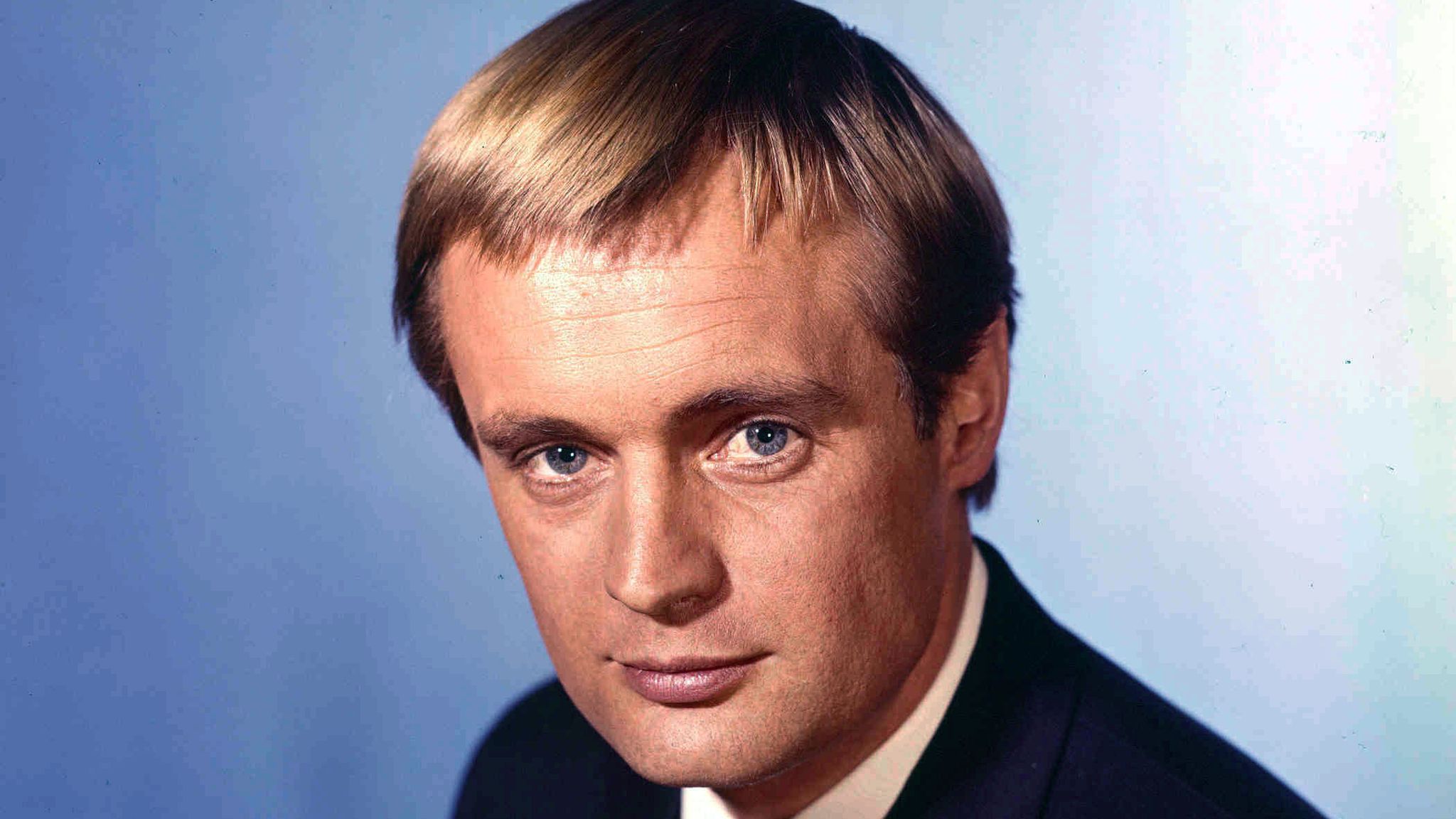
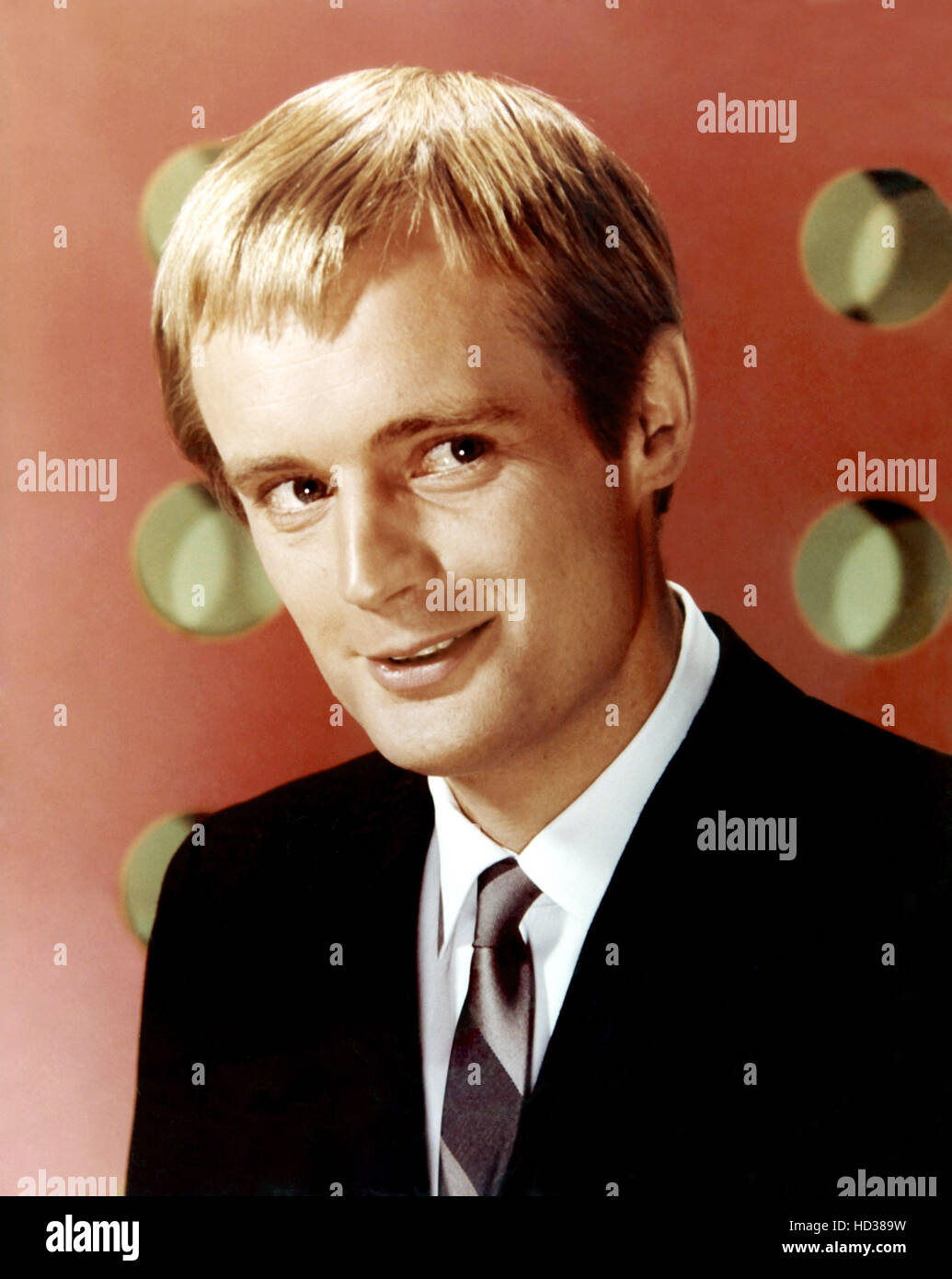
David McCallum was a legendary Scottish actor and musician best known for his iconic roles as secret agent Illya Kuryakin in The Man from U.N.C.L.E. and medical examiner Dr. Donald "Ducky" Mallard in NCIS. His career spanned seven decades, leaving an indelible mark on television history, classical music, and popular culture through his versatile performances.
The Formative Years and Early Training
Born on August 31, 1933, in Maryhill, Glasgow, David Keith McCallum Jr. was the son of high-level musical talent. His father, David McCallum Sr., was the first violinist for the London Philharmonic Orchestra, and his mother, Dorothy Mary Isabella Shevis, was a cellist. This immersion in the world of classical music and performance provided a foundation for the discipline and precision McCallum would later bring to his acting craft.
Though he initially followed in his father's footsteps by studying the oboe at the Royal Academy of Music, McCallum eventually pivoted toward the dramatic arts. He enrolled in the Royal Academy of Dramatic Art (RADA) in London, where he honed the skills that would allow him to transition seamlessly between stage, film, and television. His early career was defined by British repertory theater and small film roles, including appearances in Hell Drivers (1957) and A Night to Remember (1958), where he played wireless operator Harold Bride during the sinking of the Titanic.
The Global Phenomenon of The Man from U.N.C.L.E.
While McCallum was a respected actor in the United Kingdom, global stardom arrived in 1964 with the premiere of The Man from U.N.C.L.E. Originally cast in a secondary capacity to Robert Vaughn’s Napoleon Solo, McCallum’s portrayal of the enigmatic Russian agent Illya Kuryakin quickly became a cultural sensation.
The character’s signature look—specifically the black turtleneck and blond "mop-top" hair—coupled with his stoic, intellectual demeanor, resonated deeply with the youth of the 1960s. At the height of the show’s popularity, McCallum was the recipient of more fan mail than almost any other star at MGM, reportedly rivaling the volume received by Elvis Presley. This "Kuryakin-mania" was a testament to McCallum's ability to imbue a supporting role with such mystery and charisma that he became an equal partner in the series' success.
The show did more than just entertain; it humanized a Russian character during the height of the Cold War, a feat that required McCallum to balance the character’s loyalty to his country with a broader commitment to global security. His performance earned him two Emmy Award nominations and established him as a permanent fixture in the "spy craze" of the era.
Cinematic Contributions and The Great Escape
Parallel to his television success, McCallum maintained a presence in major motion pictures. His most significant film role came in 1963 as Lieutenant-Commander Eric Ashley-Pitt (codenamed "Dispersal") in the classic war epic The Great Escape. In the film, McCallum’s character is instrumental in the disposal of dirt from the tunnels, showcasing the actor's ability to play a focused, technical professional—a precursor to the roles he would inhabit later in life.
It was during the production of The Great Escape that a significant shift occurred in his personal life. His first wife, actress Jill Ireland, met co-star Charles Bronson on set. The subsequent divorce of McCallum and Ireland, followed by her marriage to Bronson, was a highly publicized event in the 1960s. Despite the personal upheaval, McCallum remained professional, later finding long-term stability and happiness with Katherine Carpenter, whom he married in 1967.
The Renaissance: NCIS and Dr. Donald "Ducky" Mallard
In 2003, David McCallum began what would become the longest-running chapter of his career. Cast as Dr. Donald "Ducky" Mallard in the CBS procedural NCIS, he introduced a new generation of viewers to his meticulous acting style. As the chief medical examiner, Ducky was known for his vast historical knowledge, penchant for talking to the deceased, and his grandfatherly mentorship of the team.
McCallum’s commitment to the role of Ducky was extensive. To ensure the character was portrayed with technical accuracy, he reportedly spent time in the Los Angeles County Coroner’s office, attending autopsies and studying forensic pathology. This dedication made Ducky one of the most believable medical examiners on television, grounding the show’s more dramatic elements in a sense of scientific reality.
He remained a series regular for 15 seasons and continued as a recurring cast member until his death in 2023. His character’s transition to the role of NCIS Historian allowed the show to preserve his presence while respecting the actor's real-life need for a reduced filming schedule. As of 2026, his portrayal remains the gold standard for supporting characters in the police procedural genre.
Musical Legacy and The Edge
Beyond acting, McCallum’s musical heritage manifested in four albums recorded for Capitol Records in the 1960s: Music... A Part of Me, Music... A Bit More of Me, Music... A Happening in Sound, and It's Happening Now!. These were not vocal albums; rather, McCallum conducted and arranged orchestral versions of contemporary hits, often incorporating his own compositions.
His track "The Edge" became his most enduring musical legacy, though not in the way many would expect. Decades after its release, the song’s dramatic intro was sampled by producer Dr. Dre for the hit single "The Next Episode." This connection between a 1960s Scottish actor and 1990s West Coast hip-hop introduced McCallum’s creative work to a completely different demographic, solidifying his status as a multi-generational icon.
Literary Pursuits and Voice Acting
In his later years, McCallum added "author" to his list of accomplishments. In 2016, he published a crime novel titled Once a Crooked Man. The book, which follows an actor who finds himself embroiled in a real-life crime plot, received positive reviews for its pacing and narrative wit, reflecting McCallum’s deep understanding of the entertainment industry and the noir genre.
Additionally, McCallum was a prolific voice actor. He provided the voice for Alfred Pennyworth in several DC Universe Animated Original Movies, including Batman: Gotham Knight, Superman/Batman: Public Enemies, and Son of Batman. His refined, authoritative, yet warm vocal delivery made him an ideal fit for the legendary butler and confidant.
Career Comparison: Two Iconic Roles
The following table highlights the differences and similarities between McCallum's two most defining characters, illustrating his range across different eras of television.
| Feature | Illya Kuryakin (The Man from U.N.C.L.E.) | Dr. Donald "Ducky" Mallard (NCIS) |
|---|---|---|
| Active Years | 1964–1968 | 2003–2023 |
| Primary Skill | Combat, Espionage, Linguistics | Forensic Pathology, Psychology, History |
| Personality | Stoic, Mysterious, "The Enigma" | Loquacious, Academic, Empathetic |
| Defining Accessory | Black Turtleneck / Special Gun | Bow Tie / Spectacles |
| Character Motivation | Global Security / Cold War Peace | Justice for the Dead / Team Mentorship |
| Cultural Impact | 1960s Teen Idol / Spy Icon | Beloved Elder Statesman of Procedural TV |
Final Years and Legacy
David McCallum passed away on September 25, 2023, at the age of 90, just days before his 91st birthday. He died of natural causes at New York-Presbyterian Hospital, surrounded by his family. His death marked the end of an era for NCIS and for fans of classic television who remembered his 1960s peak.
His legacy is one of consistent excellence and adaptability. Unlike many child stars or idols of the 1960s who struggled to find work as they aged, McCallum reinvented himself multiple times. He transitioned from a heartthrob spy to a cult-classic sci-fi lead in Sapphire & Steel, and finally into the wise, steadying presence of Ducky Mallard. He is remembered by colleagues as a consummate professional, a lifelong learner, and a man of immense personal integrity.
Frequently Asked Questions
How did David McCallum prepare for his role on NCIS? McCallum was known for his rigorous preparation. He attended numerous autopsies at the coroner's office and read extensively about forensic pathology. He became so knowledgeable that he could often discuss the technical aspects of the scripts with the show’s actual technical advisors with a high degree of proficiency.
What was David McCallum’s most famous musical work? His most famous musical contribution is "The Edge," an instrumental piece from his 1967 album Music... A Bit More of Me. The track is widely recognized today because the opening sequence was sampled by Dr. Dre for the song "The Next Episode," featuring Snoop Dogg.
Did David McCallum ever retire from acting? No, McCallum never officially retired. While he reduced his workload in his late 80s, transitioning from a series regular to a recurring guest star on NCIS, he remained part of the cast until his death in 2023. He frequently stated that he enjoyed the mental stimulation of working.
Was David McCallum married? Yes, McCallum was married twice. His first marriage was to actress Jill Ireland from 1957 to 1967. Following their divorce, he married Katherine Carpenter in 1967, and they remained married for 56 years until his death. He had five children across both marriages.
What other TV shows was David McCallum known for? Aside from his two major hits, he starred in the supernatural British series Sapphire & Steel (1979–1982) alongside Joanna Lumley. He also starred in the 1975 series The Invisible Man and made guest appearances on shows like The Outer Limits, Law & Order, and Sex and the City.
Practical Recommendation for Fans
To truly appreciate the breadth of David McCallum’s talent, viewers should look beyond NCIS. Watching his performance in The Great Escape provides insight into his early cinematic presence, while the "Illya Kuryakin" years offer a look at his peak as a cultural icon. For those interested in his intellectual depth, reading his novel Once a Crooked Man or listening to his 1960s orchestral arrangements offers a more personal glimpse into the mind of a man who was far more than just the characters he played.