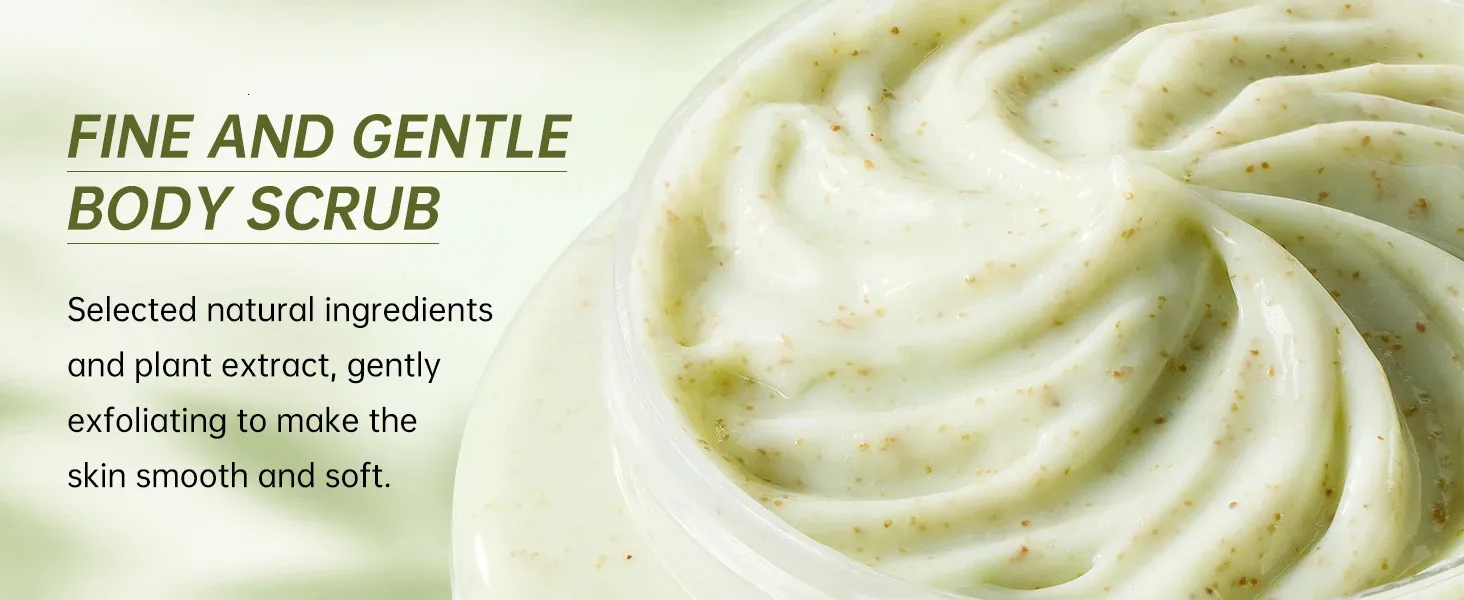
Choosing the best body scrub to remove dead skin requires balancing effective physical or chemical exfoliation with skin-barrier preservation. The ideal formulation sloughs off dull, keratinized cells without causing micro-tears or stripping natural moisture, leaving the epidermis smooth, balanced, and receptive to hydrating lotions.
Understanding Exfoliation: Physical Versus Chemical Body Scrubs
Exfoliation is the cornerstone of any effective body care routine, responsible for clearing away the buildup of dead skin cells that accumulates on the outer layer of the epidermis, known as the stratum corneum. Without regular shedding or intervention, this accumulation can lead to a dull complexion, rough texture, and clogged pores that manifest as keratosis pilaris (often called "strawberry skin") or ingrown hairs following shaving or waxing. To combat this, skincare formulations generally rely on one of two primary methods: physical exfoliation or chemical exfoliation.
Physical body scrubs utilize visible, tactile particles to manually buff away dead skin cells through friction. Common mechanical agents include finely ground walnut shells, pumice, sugar crystals, sea salt, and jojoba beads. While highly satisfying due to their immediate smoothing effect, physical scrubs require careful selection. Jagged or irregularly shaped particles—such as poorly milled nut shells—can create microscopic tears in the barrier, inviting irritation, moisture loss, and bacterial vulnerability. Conversely, spherical or dissolvable agents like sugar and rounded jojoba beads offer a gentler approach. Sugar naturally melts as it is massaged into damp skin with warm water, providing a built-in safety mechanism that prevents over-scrubbing.
Chemical body scrubs, on the other hand, employ acids or enzymatic agents to dissolve the intercellular "glue" that binds dead cells to the skin's surface, allowing them to slough off naturally. These formulas typically feature alpha-hydroxy acids (AHAs) like glycolic and lactic acid, beta-hydroxy acids (BHAs) like salicylic acid, or fruit enzymes such as papain and bromelain. BHAs are oil-soluble, making them exceptionally effective for penetrating deep into pores to clear sebum and debris, which benefits acne-prone or bumpy skin. AHAs are water-soluble and excel at surface-level resurfacing, boosting radiance and improving overall texture. Selecting between physical and chemical options—or choosing a hybrid formula that combines gentle polishing agents with low-percentage acids—depends entirely on individual skin resilience and personal sensory preferences.
Key Criteria for Evaluating Body Scrubs
Navigating the crowded marketplace of skin-resurfacing products demands a discerning eye for formulation quality. Not all body scrubs are created equal; products that prioritize harsh detergents or abrasive fillers can compromise skin health over time. Evaluating a scrub's true efficacy and safety involves examining several core criteria, beginning with the base and moisturizing agents. A high-quality body scrub should never leave the skin feeling squeaky-clean or tight, as this indicates that the protective lipid barrier has been stripped. Instead, look for formulas suspended in nourishing carrier oils—such as sweet almond oil, coconut oil, grapeseed oil, shea butter, or squalane—which replenish lipids while the exfoliating agents work.
Particle size and uniformity represent another vital consideration for physical scrubs. The ideal mechanical exfoliant features micro-fine or medium-sized particles that feel smooth rather than sharp against the inner wrist. Granules that are too large or coarse can cause localized inflammation, particularly on thinner areas of skin like the chest, neck, and inner arms. For chemical formulas, concentration and pH balance dictate performance. Over-the-counter body treatments generally feature AHAs or BHAs at concentrations ranging from 2% to 10%. Formulas that fall outside optimal pH parameters (typically between 3.5 and 4.0 for acids) will render the active ingredients inactive or excessively irritating.
Fragrance and sensitivity potential must also be weighed carefully. While heavily scented scrubs with synthetic perfumes or essential oils may offer an appealing sensory experience in the shower, they are among the leading causes of contact dermatitis and skin sensitization. Individuals with eczema, psoriasis, or reactive skin types should seek out fragrance-free or hypoallergenic formulations. Furthermore, the sustainability of the scrub's ingredients—such as avoiding plastic microbeads in favor of biodegradable alternatives like sugar, salt, or plant-based waxes—ensures that the product is as gentle on the environment as it is on the body.
Top Picks for Removing Dead Skin
Different skin types and concerns require specialized formulations to achieve optimal smoothness without irritation. The following top picks represent a cross-section of effective, well-regarded body scrubs categorized by their primary performance profiles and formulation strengths.
| Product Category | Primary Exfoliating Agent | Key Moisturizing Ingredients | Best Suited For | Notable Characteristics |
|---|---|---|---|---|
| Sugar-Based Polish | Fine Sugar Crystals | Coconut Oil, Evening Primrose Oil | Normal to Dry Skin | Dissolves gradually during massage; provides deep hydration. |
| Salt-Based Buff | Fine Sea Salt | Mineral Oils, Sweet Almond Oil | Normal to Oily Skin | Rich in trace minerals; offers high-intensity physical friction. |
| Chemical Resurfacer | Glycolic and Lactic Acid | Glycerin, Hyaluronic Acid | Keratosis Pilaris & Rough Patches | No physical scrubbing required; dissolves cellular bonds. |
| Hybrid Scrub-Acid | Jojoba Beads & Salicylic Acid | Shea Butter, Niacinamide | Blemish-Prone & Ingrown Hairs | Combines gentle physical buffing with pore-clearing BHA. |
Sugar-Based Polishes for Dry and Sensitive Skin
Sugar scrubs are widely considered the gold standard for individuals prone to dryness or mild sensitivity. Because sucrose molecules are naturally softer and less abrasive than salt crystals, they provide a cushioned exfoliation experience. As warm water hits the skin, the sugar crystals slowly dissolve, preventing accidental over-exfoliation. High-end and derm-approved formulations often pair organic cane sugar with rich emollients like macadamia nut oil or shea butter. This ensures that as dead skin cells are lifted away, an occlusive layer is immediately deposited to lock in moisture, making these picks ideal for winter skin care routines or aging epidermis that loses moisture quickly.
Salt-Based Buffs for Robust Exfoliation
Sea salt and Epsom salt scrubs deliver a more rigorous physical exfoliation experience, making them well-suited for thicker skin on areas like the legs, elbows, heels, and feet. Salt crystals possess natural antimicrobial properties and are rich in trace minerals such as magnesium, potassium, and calcium, which help support cellular metabolism and reduce inflammation. However, because salt is more abrasive and can sting if applied to freshly shaved or broken skin, these formulas should be used with a lighter touch. They are particularly effective for active individuals or those dealing with stubborn calluses who require a deep-cleansing, invigorating scrub.
Acid-Infused and Hybrid Treatments
For those who prefer to bypass mechanical friction entirely, chemical body lotions and washes—often categorized alongside scrubs for their exfoliating utility—offer transformative results. Formulations featuring a blend of lactic acid and urea work exceptionally well to break down the hard protein plugs associated with keratosis pilaris. Hybrid scrubs take a dual-action approach by incorporating smooth, spherical jojoba beads alongside low levels of salicylic acid. This combination addresses both the surface layer of dead skin and the interior of the hair follicles, preventing ingrown hairs and body breakouts without requiring aggressive manual rubbing.
Step-by-Step Guide to Effective Body Scrub Application
Applying a body scrub correctly maximizes its resurfacing benefits while safeguarding the delicate skin barrier. Rushing through the process or using incorrect techniques can lead to micro-abrasions, redness, or uneven exfoliation. Follow this structured protocol to ensure optimal results from your exfoliating routine.
- Prep the Skin: Begin by showering or bathing in warm—never hot—water for at least 5 to 10 minutes. Warm water softens the keratinized protein of the outer skin layer, making dead cells much easier to lift away without excessive force.
- Turn Off or Step Away from the Stream: To prevent the product from being immediately washed away, step out of the direct stream of water or turn off the shower while applying the scrub.
- Apply with Gentle Pressure: Scoop a generous amount of the scrub into your palms. Using circular motions, massage the product into your skin starting from your extremities (feet and hands) and moving inward toward your heart. This upward circular motion supports lymphatic drainage and blood circulation.
- Tailor Pressure by Area: Apply lighter pressure on thinner skin areas, such as the chest, torso, and inner thighs. Increase pressure slightly on areas with thicker skin and tougher dead cell accumulation, such as the heels, soles, elbows, and knees.
- Rinse Thoroughly: Step back under the warm water to thoroughly rinse away all residual exfoliating particles, ensuring no granules are left trapped in folds of skin or swimwear lines.
- Lock in Moisture: Pat your skin dry gently with a clean towel, leaving it slightly damp. Immediately apply a rich moisturizer, body cream, or body oil to seal hydration into the freshly exposed epidermis.
Frequency, Safety, and Common Mistakes
Establishing a sustainable exfoliation schedule is vital for maintaining skin health. Over-exfoliation is one of the most common pitfalls in body care, driven by the misconception that more frequent scrubbing yields faster smoothing. When the skin barrier is stripped through excessive friction or high-acid exposure, it develops micro-tears, loses its ability to retain moisture, and becomes vulnerable to pathogens, allergens, and contact dermatitis.
Most skin types benefit from body scrubbing just one to two times per week. Individuals with robust, thick, or oily skin may tolerate up to three times weekly, while those with sensitive, thin, or eczema-prone skin should limit physical and chemical exfoliation to once every ten to fourteen days, or consult a dermatologist before introducing active ingredients.
Several critical mistakes should be actively avoided during your body care routine:
- Scrubbing Broken or Sunburned Skin: Never apply a body scrub over open wounds, fresh cuts, active rashes, or severe sunburns, as this will exacerbate inflammation and delay healing.
- Using Facial Scrubs on the Body (and Vice Versa): Facial skin is significantly thinner and more delicate than body skin. Facial scrubs often use finely targeted ingredients, while body scrubs can be far too coarse for the face. Conversely, facial scrubs lack the potency required to effectively slough off thick body skin.
- Skipping Post-Exfoliation Hydration: Exfoliation removes the topmost layer of dead cells, exposing fresh, vulnerable skin. Failing to apply a moisturizer immediately afterward leads to rapid transepidermal water loss, resulting in flaky, dry skin.
- Ignoring Product Expiration Dates: Natural scrubs containing botanical oils and organic bases can harbor bacteria over time, especially when exposed to shower moisture. Check preservation systems and discard products that change in color, odor, or texture.
Frequently Asked Questions
Can body scrubs help eliminate keratosis pilaris (strawberry skin)?
Yes, body scrubs can significantly improve the appearance of keratosis pilaris by clearing away the plug of dead skin cells trapped inside hair follicles. However, physical scrubs alone may sometimes cause irritation if the particles are too sharp. Dermatologists frequently recommend chemical exfoliants containing lactic acid, salicylic acid, or urea, as these ingredients dissolve the keratin plugs gently without mechanical friction.
Is it better to use a body scrub before or after shaving?
It is generally recommended to use a body scrub before shaving rather than immediately after. Exfoliating prior to shaving removes dead skin cells that can otherwise clog the razor blade, while also lifting trapped hairs to ensure a closer, cleaner shave. Scrubbing immediately after shaving can cause severe irritation, stinging, and razor burn due to freshly exposed, sensitive skin encountering friction and active ingredients.
Should I use a loofah or washcloth with my body scrub?
Using a loofah or washcloth alongside a physical body scrub is typically redundant and can easily lead to over-exfoliation. Most body scrubs are formulated to be applied directly with clean hands using gentle circular motions. If using a chemical scrub or liquid wash, a soft washcloth can assist with distribution, but abrasive loofahs should be used with caution and replaced frequently to prevent bacterial growth.
How do I know if a body scrub is damaging my skin barrier?
Signs of a compromised skin barrier include persistent redness, tightness, stinging or burning when applying standard lotions, flaking, and increased sensitivity to water or clothing friction. If you notice these symptoms, immediately discontinue all physical and chemical exfoliants, switch to a fragrance-free barrier-repair cream containing ceramides, and wait until the skin fully heals before reintroducing gentle products.
Conclusion and Next Actions
Achieving smooth, healthy skin requires a thoughtful approach that respects the skin barrier while effectively clearing away dead cell buildup. To begin your journey, evaluate your skin type and specific concerns—whether that means choosing a hydrating sugar scrub for winter dryness, a mineral-rich salt buff for rough heels, or a chemical resurfacer for keratosis pilaris. Audit your current bathroom products to eliminate overly harsh, abrasive formulations containing jagged nutshells or sensitizing artificial fragrances. Incorporate exfoliation into your routine once or twice a week, always followed immediately by a nourishing moisturizer to lock in hydration and maintain a resilient, glowing epidermis.