The phenomenon surrounding E.L. James’s erotic romance trilogy and its cinematic adaptations generated massive global attention, yet the true complexity of bringing these stories to the screen remained largely shielded by careful studio marketing. Behind the glamorous premieres and heavily guarded soundstages lay intense casting negotiations, creative friction between directors and authors, rigorous intimacy choreography, and unexpected technical hurdles that defined the production of the films.
The Evolution of Adaptation: From Literary Page to Cinematic Screen
Bringing a literary property as culturally lightning-rod as Fifty Shades of Grey to the motion picture format presented a unique set of challenges for Universal Pictures and Focus Features. When the studio acquired the rights in March 2012 following a fierce bidding war, the literary trilogy had already dominated international bestseller lists. However, adapting text characterized by explicit internal monologues and specialized BDSM (bondage, discipline, dominance, submission, sadism, and masochism) dynamics required careful translation for a mainstream cinematic audience.
The primary hurdle involved balancing fidelity to the source material with the constraints of major studio filmmaking, specifically achieving an R-rating in the United States without alienating the core readership. Screenwriter Kelly Marcel was brought on board to draft the initial adaptation, focusing on the core romance between Anastasia Steele and Christian Grey while navigating the explicit content. The script underwent multiple revisions to ensure that the psychological power dynamics were preserved visually rather than relying solely on dialogue. This adaptation process required constant negotiation between commercial viability, artistic vision, and the expectations of millions of fans worldwide who felt personally invested in the fidelity of the film adaptations.
Casting Controversies and Behind-the-Scenes Negotiations
Few modern film productions have experienced the intense public scrutiny and casting turbulence that surrounded the selection of Christian Grey and Anastasia Steele. The initial casting announcements in September 2013 cast Charlie Hunnam and Dakota Johnson in the lead roles. However, Hunnam's sudden departure just weeks before principal photography was scheduled to begin threw the production into a state of emergency, citing immersive television scheduling conflicts with Sons of Anarchy.
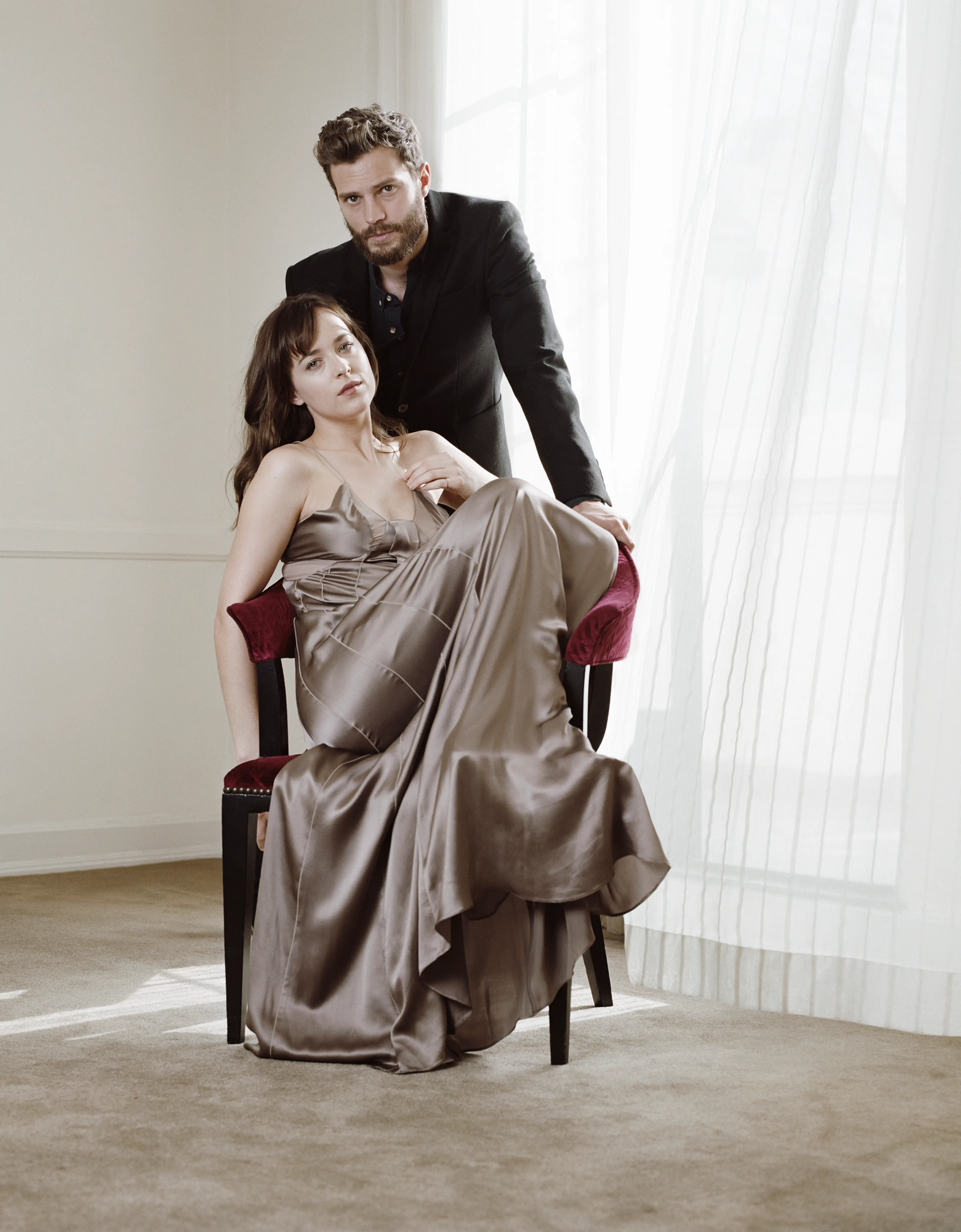
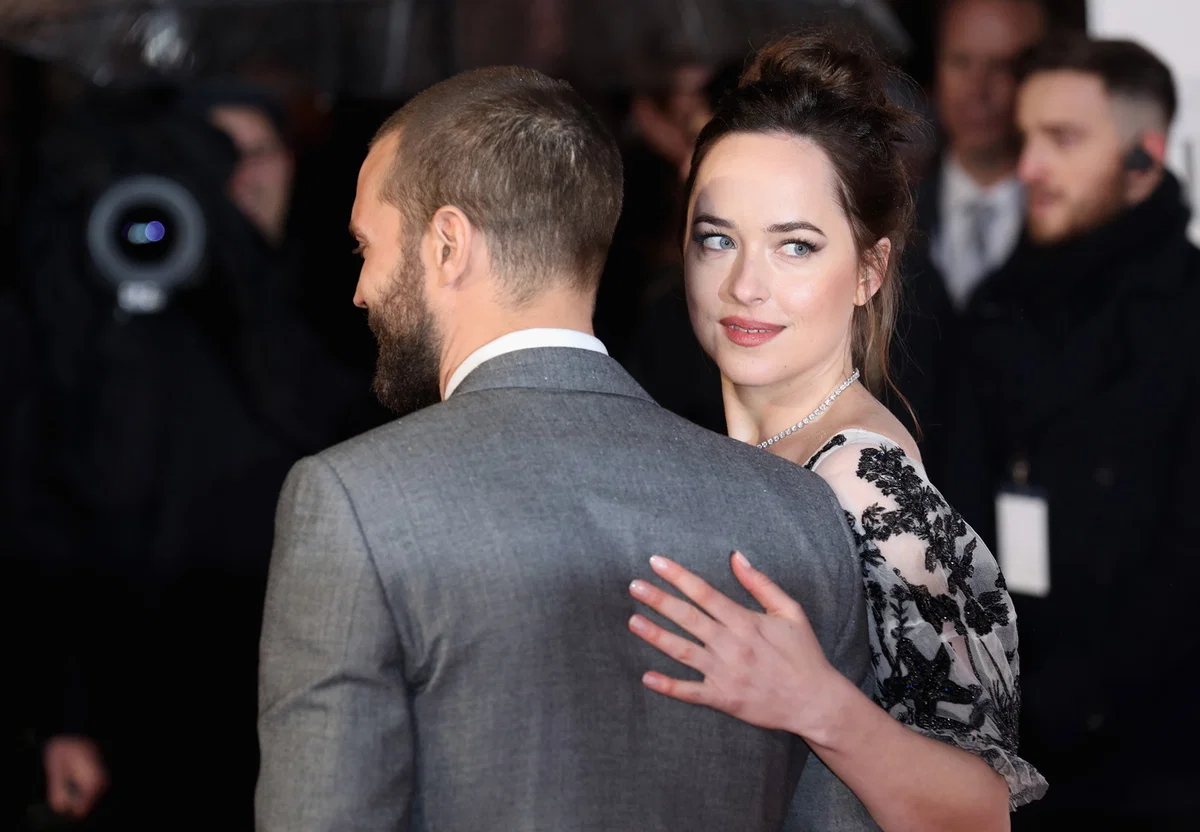
Jamie Dornan was subsequently cast as Christian Grey in October 2013, stepping into a role under immense pressure and a compressed preparation timeline. Behind closed doors, the casting process involved extensive chemistry reads and strict non-disclosure agreements. Dakota Johnson's casting proved enduring, but the sudden transition required immediate script adjustments and intensive rehearsal periods to establish on-screen rapport between Johnson and Dornan. The casting trials highlighted the immense stakes involved in translating literary icons to the silver screen, where physical appearance, emotional vulnerability, and the ability to handle intense media attention had to align perfectly.
Creative Friction: Directorial Shifts and Authorial Control
The production history of the franchise is marked by notable creative differences, most prominently between director Sam Taylor-Johnson and author E.L. James (Erika Mitchell). Taylor-Johnson signed on to direct the first installment with a vision that emphasized artistic framing, emotional depth, and a moody aesthetic. However, reports surfaced during and after production regarding creative disputes over explicit scenes, pacing, and narrative fidelity.
E.L. James maintained significant creative oversight as part of the initial book-to-screen rights agreement, frequently advocating for scenes and dialogue pulled directly from the pages of her novels. This dynamic led to distinct working environments across the three films. Following the release of the first film, Taylor-Johnson chose not to return for the sequels, paving the way for director James Foley to helm Fifty Shades Darker (2017) and Fifty Shades Freed (2018), which were shot back-to-back. Foley brought a more traditional thriller aesthetic to the final two installments, shifting the tonal balance away from the indie-drama feel of the first movie toward a slicker, suspense-driven romantic drama.
Navigating Intimacy: The Role of Coordination and Safety on Set
One of the most heavily scrutinized aspects of the production was the filming of explicit intimacy and bondage sequences. Long before the widespread integration of formal intimacy coordinators across the film industry, the production team on Fifty Shades had to establish strict protocols to ensure the physical and emotional safety of the lead actors.
Both Dakota Johnson and Jamie Dornan have spoken in retrospective interviews about the rigorous technical choreography required for these scenes. Far from spontaneous, every moment involving physical restraint, specialized furniture, or explicit exposure was meticulously planned, storyboarded, and rehearsed. A dedicated technical adviser specializing in safe BDSM practices was consulted during pre-production to ensure that props, such as leather cuffs, floggers, and suspension equipment, were used safely and authentically without risking injury to the actors. Closed sets were strictly enforced, limiting crew presence to only essential personnel to maintain a professional and comfortable environment for the performers.
Technical Production and Wardrobe Secrets
The visual identity of Christian Grey’s world relied heavily on upscale production design and high-end fashion, which required extensive behind-the-scenes coordination. Christian Grey’s Seattle apartment, featuring floor-to-ceiling glass windows and minimalist luxury, was not a real penthouse but a massive, highly detailed set constructed on a soundstage in Vancouver, British Columbia. This allowed the camera and lighting crews complete control over the environment, particularly during complex night shoots and sweeping tracking shots.
| Element | Production Reality | BTS Secret / Technical Detail |
|---|---|---|
| Christian’s Penthouse | Soundstage Build in Vancouver | Built entirely on a stage to control lighting and complex camera rigs; not a real Seattle building. |
| The Red Room of Pain | Secure, Restricted Soundstage Set | Maintained under high security with restricted access; props were custom-designed for safety. |
| Wardrobe (Anastasia) | High-Low Fashion Blend | Transitioned from thrift-store aesthetics to luxury designer pieces (Chanel, Yves Saint Laurent) as her character evolved. |
| Intimacy Sequences | Storyboarded and Choreographed | Filmed on closed sets with specialized technical safety advisors and minimal crew presence. |
Wardrobe played a critical narrative role in mapping Anastasia Steele's personal transformation. Costume designer Mark Bridges curated a wardrobe that evolved alongside the character's confidence and financial standing within Grey's world. Early scenes utilized accessible, muted tones, while later sequences featured bespoke designer garments that highlighted her integration into high society. Similarly, the infamous "Red Room of Pain" set was treated as a top-secret zone during production, with access restricted even among studio executives to prevent unauthorized leaks of the set design and specialized equipment.
Production Timeline and Financial Impact
The commercial trajectory of the cinematic trilogy remains one of the most successful box office runs for an R-rated franchise in cinematic history. Understanding the timeline and financial scale provides context for the immense pressure placed on the cast and crew during production.
- 2012: Universal acquires rights
- Sep 2013: Initial casting / Oct 2013: Jamie Dornan cast
- Feb 2015: Release of Fifty Shades of Grey ($571M WW)
- Jun 2016: Back-to-back filming of Darker and Freed in Vancouver
- Feb 2017 & Feb 2018: Sequential releases of sequels
The financial return justified the intense logistical hurdles. On a combined production budget across the three films estimated at under $150 million, the franchise grossed over $1.3 billion globally at the box office. This financial success turned a controversial literary adaptation into a powerhouse studio asset, though it required weathering intense critical reception and demanding shooting schedules that often had the cast filming two complex movies simultaneously across British Columbia and international locations like Paris and Nice.
Frequently Asked Questions
Were Charlie Hunnam and Dakota Johnson the original choice for the lead roles?
Dakota Johnson was cast as Anastasia Steele relatively early in the casting process, but Charlie Hunnam was initially cast as Christian Grey in September 2013. Hunnam withdrew from the project just weeks before filming began due to scheduling conflicts, leading to the emergency casting of Jamie Dornan in October 2013.
Is Christian Grey’s Seattle penthouse a real building?
No. While exterior establishing shots of Seattle were utilized, the expansive penthouse interior, including the living areas and the Red Room, was built as a massive, self-contained set on a soundstage in Vancouver, British Columbia, allowing for precise lighting and camera control.
How did the actors handle filming the explicit and BDSM scenes?
The production utilized closed sets with strictly limited crew members. Specialized advisors consulted on the correct and safe use of BDSM equipment, and every intimate sequence was meticulously storyboarded, choreographed, and rehearsed like a complex stunt sequence to ensure comfort and safety.
Why did director Sam Taylor-Johnson leave the franchise after the first film?
Sam Taylor-Johnson chose not to return for the sequels due to well-documented creative differences with author E.L. James regarding the artistic direction, tone, and fidelity of the adaptation. Director James Foley subsequently took over the helm for the final two films.
Were Fifty Shades Darker and Fifty Shades Freed filmed at the same time?
Yes. To manage actor availability and production costs efficiently, Universal Pictures scheduled Fifty Shades Darker and Fifty Shades Freed to be shot back-to-back over several months in 2016 across Vancouver and various European locations.
Final Recommendations for Fans and Researchers
For those examining the intersection of modern literary adaptation and major studio filmmaking, reviewing the original screenplays alongside the finished films reveals how censorship boards and PG-13/R rating boards shape artistic output. Researchers should consult trade publications such as The Hollywood Reporter and Variety archives from 2013 to 2018 for primary-source reporting on the production shifts, while official behind-the-scenes featurettes included in the home media releases offer direct commentary from the technical crews and design leads who executed the project's complex logistical demands.