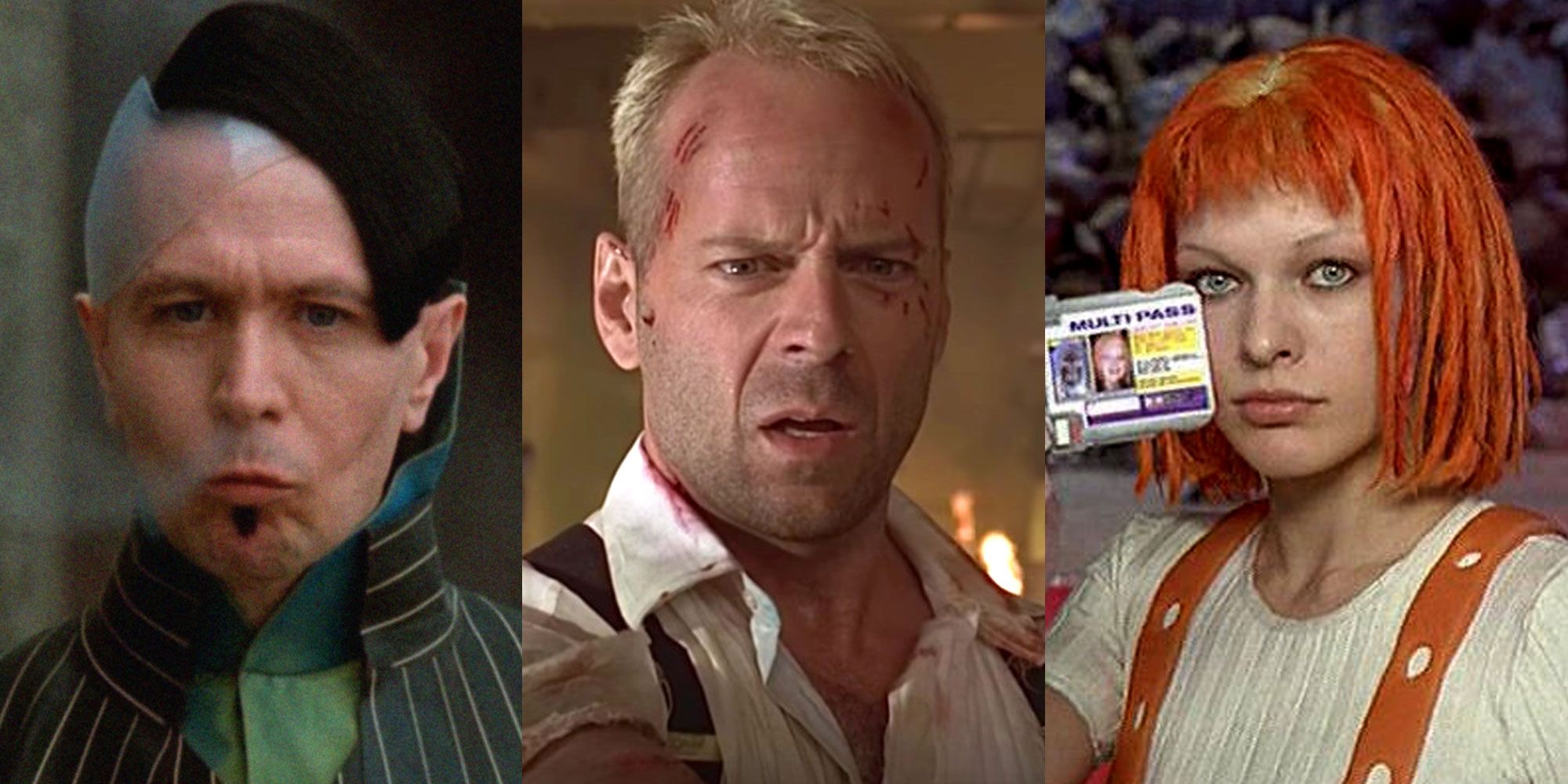
Luc Besson’s 1997 sci-fi epic stands as a vibrant milestone in modern cinema, blending high-concept space opera with stylized visual design, unforgettable characters, and a unique comedic tone that continues to influence popular culture nearly three decades after its original theatrical release.
Introduction and Disambiguation
When discussing the 5th element, audiences and researchers generally refer to one of two primary cultural touchstones: Luc Besson’s landmark 1997 science fiction film The Fifth Element (starring Bruce Willis and Milla Jovovich), or the broader ancient philosophical concept of classical elements (earth, water, air, fire, and the quintessence or ether). Because the cinematic property remains a massive pop-culture anchor with enduring technical, design, and narrative significance, this examination focuses primarily on the film, its production legacy, its cultural footprint, and its structural place in modern science fiction cinema.
Understanding the film requires looking past its colorful surface. Beneath the campy exterior, comic-book aesthetics, and Jean-Paul Gaultier costumes lies a meticulously crafted narrative about cosmic balance, ancient prophecies, and the ultimate defense of life. This guide explores the film's origins, its visual and technical achievements, its character dynamics, and its lasting position in global cinema.
Historical Context and Production Origins
The genesis of The Fifth Element stretches back much further than its 1997 release date. French filmmaker Luc Besson began conceptualizing the universe of the film when he was just sixteen years old, using world-building as an escape and a creative outlet. Initially conceived as a sprawling, multi-part saga, the project evolved over two decades before finally landing on the big screen with a massive international budget.
By the mid-1990s, European cinema rarely produced science-fiction films on Hollywood blockbuster scales. Besson’s project broke that mold, utilizing major international financing, cutting-edge visual effects houses like Digital Domain, and state-of-the-art practical effects. The production also capitalized on the rising globalization of the film industry, casting American action stars alongside European art-house royalty, setting a precedent for transnational blockbuster filmmaking that remains common today.
Narrative Structure and Mythological Framework
The plot of the film hinges on a classic high-stakes sci-fi premise: every five thousand years, an interdimensional portal opens between dimensions, threatening all life in the universe. Stopping this threat requires a unique weapon composed of four elemental stones (representing earth, water, air, and fire) clustered around a mysterious fifth element—a supreme being named Leeloo.
| Element | Mythological Role | Narrative Function | Key Associations |
|---|---|---|---|
| Earth | Grounding foundation | Represented by stone artifact | Stability, geological mass |
| Water | Fluidity and life | Represented by stone artifact | Oceans, movement, adaptation |
| Air | Atmosphere and breath | Represented by stone artifact | Sky, wind, velocity |
| Fire | Destruction and energy | Represented by stone artifact | Heat, combustion, transformation |
| The 5th Element | Supreme synthesis | Embodied by Leeloo | Love, human spirit, ultimate weapon |
Rather than treating the elements as mere props, the script weaves them into a race-against-time framework where ex-special forces cab driver Korben Dallas must protect Leeloo from corporate-backed arms dealer Jean-Baptiste Emanuel Zorg and the militaristic Mangalores. The narrative structure balances frantic action set-pieces with whimsical comedy and philosophical musings on what makes human life worth saving.
Visual Design and Sartorial Influence
One of the most enduring aspects of The Fifth Element is its distinct visual language. Eschewing the gritty, desaturated cyberpunk aesthetic popularized by Blade Runner, Besson and his production designers opted for a hyper-saturated, primary-colored future city filled with towering vertical traffic lanes, floating Chinese restaurants, and absurd consumer culture.
Crucial to this aesthetic was legendary French fashion designer Jean-Paul Gaultier, who designed over a thousand distinct costumes for the film. Gaultier’s work bridged high fashion and cinematic world-building:
- The Multipass Uniforms: Minimalist, functional, and instantly recognizable.
- Zorg’s Corporate Attire: Sharp lines, translucent plastics, and avant-garde tailoring that signaled corporate authoritarianism.
- Leeloo’s Thermal Bandage: An iconic, instantly recognizable design that defied traditional Hollywood costume conventions.
This bold visual approach turned the film into a runway for futuristic design, influencing subsequent music videos, runway collections, and science fiction concept art for decades.
Musical Composition and Soundscapes
Eric Serra’s score for The Fifth Element is integral to its identity, fusing orchestral arrangements with heavy electronic beats, world music influences, and operatic vocals. Serra, a frequent collaborator with Besson, created a sonic landscape that felt simultaneously futuristic and deeply organic.
The most famous musical sequence in the film is the Diva Dance scene, performed by Albanian soprano Inva Mula (who voiced the alien opera singer Plavalaguna). The segment transitions seamlessly from a soaring rendition of Gaetano Donizetti's Il dolce suono from Lucia di Lammermoor into a frantic, electronic-infused vocalization that pushed human vocal capabilities to their limits. This blending of classical opera with modern techno beats encapsulates the film's broader stylistic mission: juxtaposing high art with pop culture pulp.
Legacy, Critical Reception, and Cultural Footprint
Upon its initial release in May 1997, The Fifth Element received mixed reviews from American critics, who were sometimes polarized by its campy tone and eccentric humor. However, European critics embraced its visual audacity, and the film became a massive box-office success globally, grossing over $263 million worldwide against its substantial budget.
Over time, critical reassessment has been overwhelmingly positive. Modern film scholars and genre fans recognize the movie as a triumph of imaginative production design and a rare example of a high-budget sci-fi blockbuster that refuses to take itself too seriously. Its DNA can be seen in subsequent space operas, superhero films, and cyberpunk media that prioritize vibrant world-building over grim realism.
Frequently Asked Questions
What does the 5th element actually represent in the film?
In the narrative, the fifth element is a supreme physical being named Leeloo (Leelosai Aromay keratin Lakzat), but metaphorically, the film reveals that the element is human love. When the four elemental stones are activated, the final weapon cannot fire until Leeloo understands the emotional value of human history, art, and love.
Who designed the costumes for the 5th element?
The acclaimed French fashion designer Jean-Paul Gaultier designed the costumes for the film. He created more than a thousand custom outfits, ranging from futuristic corporate wear to the iconic thermal bandages worn by Milla Jovovich.
Is The Fifth Element based on a book?
No, the film is not based on a pre-existing book or comic series. It originated from an original story and universe conceived by director Luc Besson when he was a teenager, which he later adapted into a screenplay with Robert Kamen.
Where was The Fifth Element filmed?
Principal photography primarily took place at Pinewood Studios near London, as well as on location in areas around Mauritania for desert sequences, though most of the futuristic cityscapes were built using massive practical miniature models and early digital compositing.
Next Actions and Further Exploration
For those looking to deepen their appreciation of the film, exploring behind-the-scenes documentary footage offers a fascinating window into 1990s practical effects craftsmanship. Viewers interested in the broader cinematic landscape can also examine Luc Besson's later space opera Valerian and the City of a Thousand Planets to trace the evolution of his visual style, or explore the works of comic artists Jean "Moebius" Giraud and Jean-Claude Mézières, whose artistic styles heavily influenced the look of 1997's ultimate sci-fi classic.