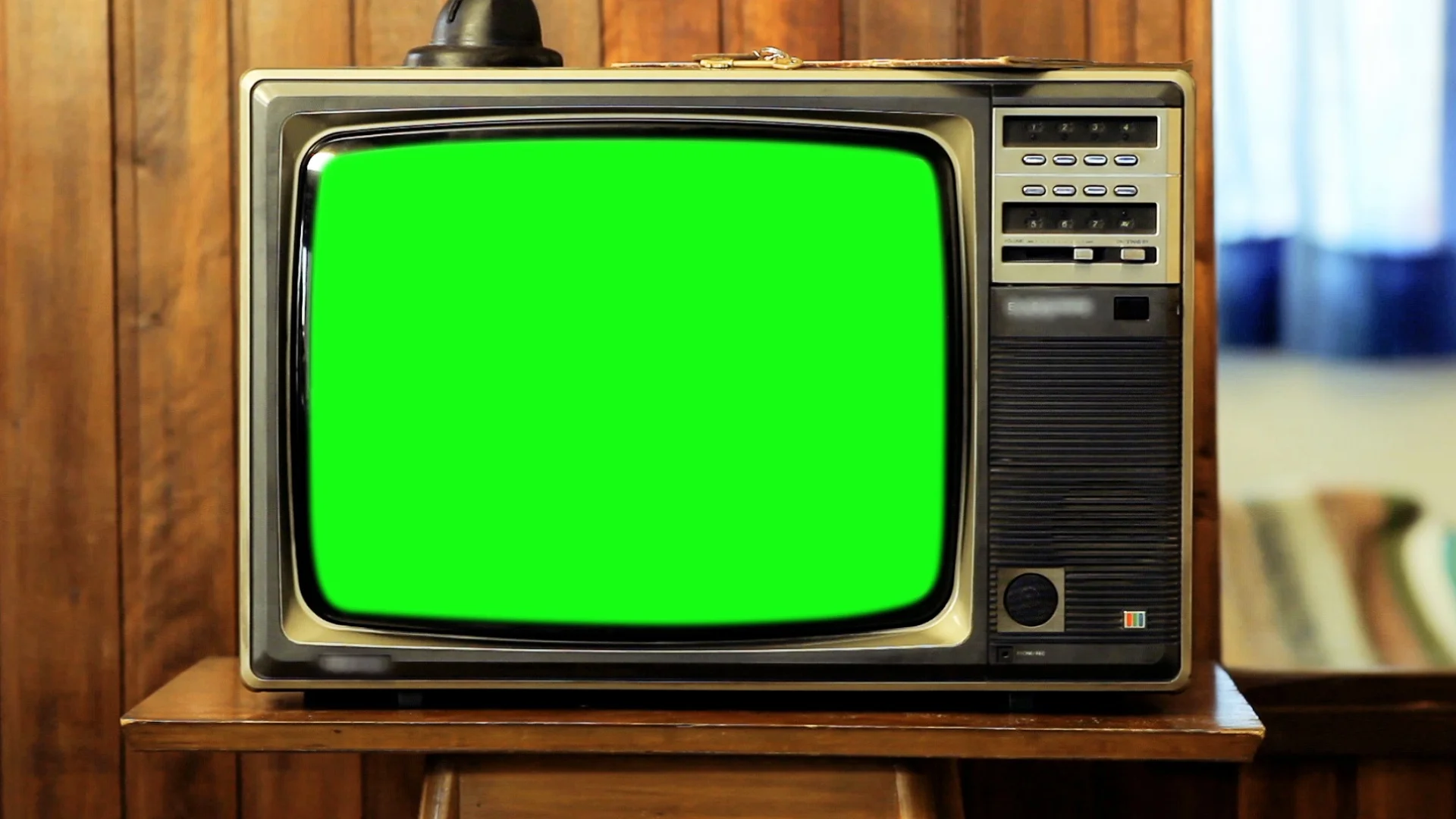
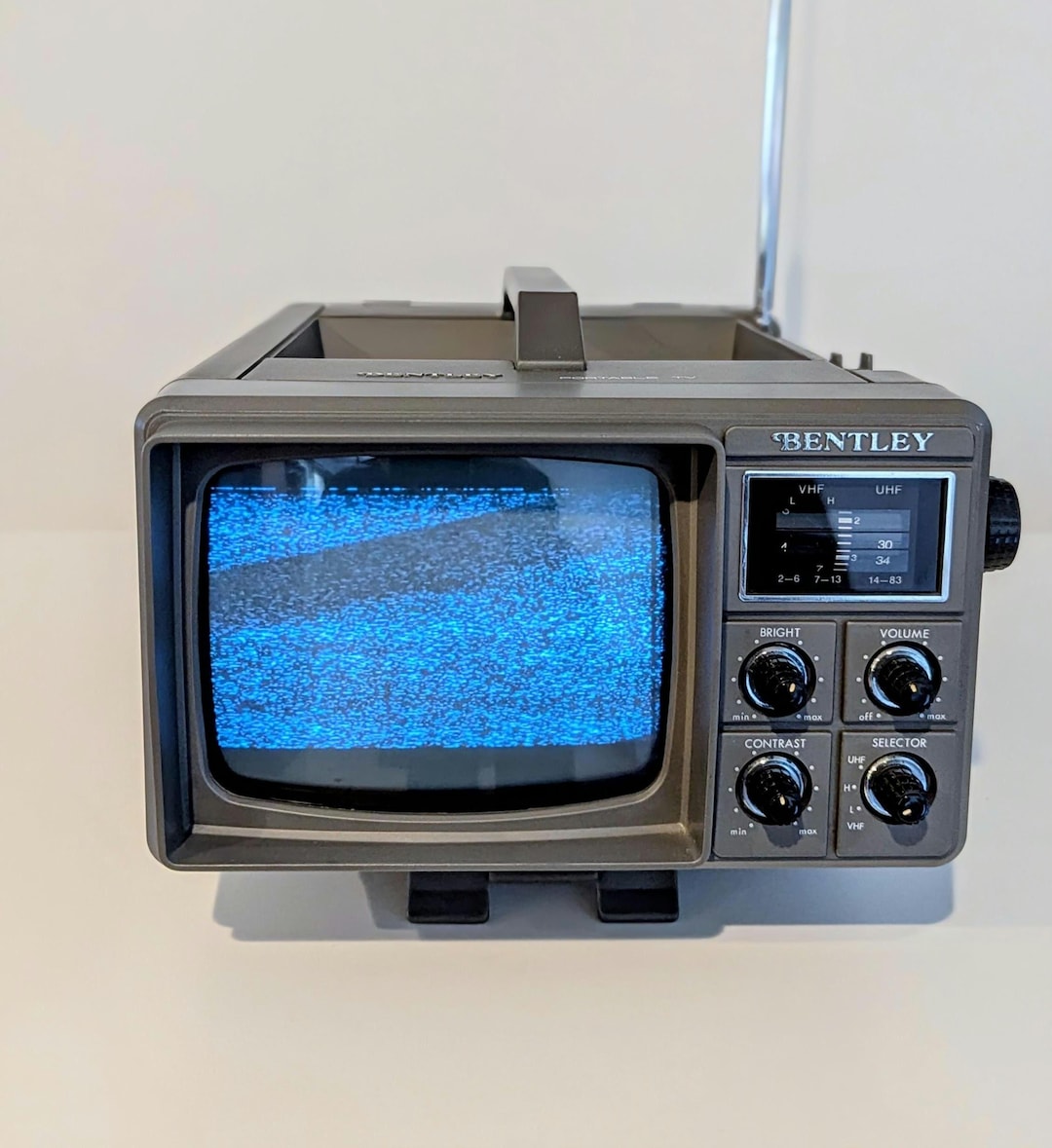
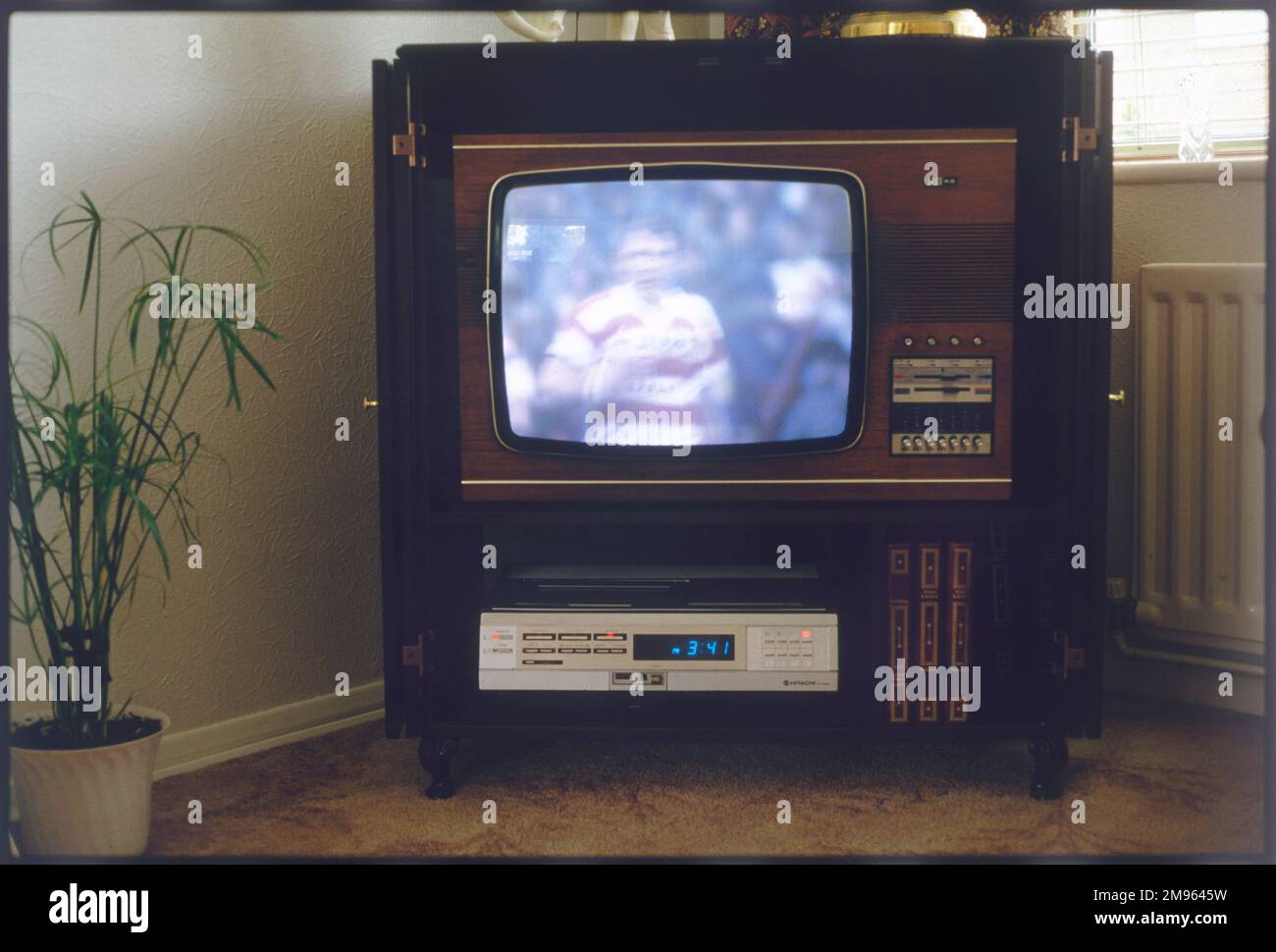
During the 1980s, television transformed from a traditional three-network domestic hearth into a multi-channel, high-fidelity cultural landscape characterized by the rise of cable, stereo sound, remote controls, and bold, auteur-driven visual storytelling.
The decade of 1980s television represents a distinct transitional era in media history, bridging the analog broadcast customs of the mid-20th century with the multi-channel, high-production-value landscape that foreshadowed modern cable and streaming architectures. This period dismantled the rigid hegemony of the traditional American "Big Three" networks—ABC, CBS, and NBC—while redefining visual aesthetics, narrative structures, and the socio-economic impact of the living room screen.
Understanding this era requires examining both the technological hardware that brought images into homes and the radical shifts in programming, scheduling, and genre development that captivated global audiences.
The Technological Transformation of the Living Room Screen
The physical apparatus of the television set underwent a profound evolution during the 1980s. While vacuum tubes had largely given way to solid-state transistor chassis in the previous decade, the 1980s introduced features that permanently altered human interaction with the screen.
The Rise of Cable and Specialty Networks
For decades, television viewing was defined by scarcity. Viewers relied on rooftop antennas or basic local cable drops to receive a handful of VHF and UHF channels. The 1980s shattered this limitation through the rapid expansion of cable television providers and the birth of dedicated niche programming.
The launch of MTV (Music Television) on August 1, 1981, fundamentally altered youth culture and established a new grammar for visual media, blending commercial advertising techniques with avant-garde editing. Simultaneously, networks like CNN (Cable News Network, launched in 1980) proved the viability of 24-hour news cycles, reshaping how society consumed unfolding global events. Superstations like WTBS and regional premium movie channels such as HBO and Showtime shifted consumer expectations from scheduled appointment viewing to on-demand cinematic access within the home.
Hardware Innovations: Remote Controls, Stereo, and VCRs
The daily ritual of watching television was reconfigured by three major technological integrations:
- Wireless Remote Controls: While early remote controls existed as tethered units or bulky ultrasonic devices in the 1960s and 1970s, the infrared remote control became standard equipment on mid-to-high-tier television sets in the 1980s. This innovation enabled "zapping" (changing channels rapidly) and gave rise to the modern television landscape of fragmented viewer attention.
- Multichannel Television Sound (MTS): The introduction of stereo sound broadcasting in the mid-1980s allowed networks to transmit high-fidelity audio and separate language tracks (Second Audio Program or SAP). Sitcoms and dramas began mixing soundtracks with cinematic depth, enhancing the immersive quality of broadcast entertainment.
- The Videocassette Recorder (VCR): The format war between Sony’s Betamax and JVC’s VHS format was decisively won by VHS during the 1980s. The VCR liberated viewers from rigid broadcast schedules through "time-shifting" (recording programs to watch later) and spawned the home video rental industry, forever changing film distribution and television repeat economics.
Programming Shifts: The Birth of Modern Serialization and Aesthetics
The content of 1980s television broke away from the self-contained, episodic resets of 1970s sitcoms and police procedurals. Producers experimented with complex story arcs, ensemble casts, and cinematic production values that mirrored feature films.
Stylized Action and High-Concept Dramas
The visual language of 1980s television was heavily influenced by executive producer Steven Bochco and director Michael Mann, among others. Shows like Hill Street Blues (premiered 1981) introduced overlapping storylines, shaky-cam realism, and ensemble casts that dealt with unresolved narrative threads from week to week. This formula laid the groundwork for the prestige television dramas of the 21st century.
Conversely, Miami Vice (premiered 1984) prioritized visual mood, pastel color palettes, contemporary pop music, and high-fashion styling over traditional procedural plotting. It demonstrated that television could serve as a high-end cultural trendsetter, directly influencing music, clothing, and automotive design.
| Show Title | Premiere Year | Primary Genre | Defining Technical or Narrative Innovation |
|---|---|---|---|
| Hill Street Blues | 1981 | Police Drama | Multi-thread serialization, documentary-style handheld camera work, and complex ensemble character development. |
| Cheers | 1982 | Sitcom | Single-set character-driven comedy utilizing the "long-arc" romance trope and delayed narrative payoff. |
| Miami Vice | 1984 | Action / Crime | Cinematic lighting, integration of popular music videos into narrative pacing, and high-fashion styling. |
| The Cosby Show | 1984 | Sitcom | Revitalization of the multi-camera family sitcom format and dominant demographic ratings success. |
The Evolution of the Sitcom
The sitcom format experienced both traditional revivals and subversive deconstructions. The Cosby Show (1984) restored the wholesome, multi-camera family comedy to dominant ratings heights while reflecting upper-middle-class African American life. At the same time, animated and satirical comedies began pushing boundaries, culminating at the very end of the decade with the debut of The Simpsons as a regular series in 1989, which challenged conventional depictions of the American nuclear family.
Economic and Regulatory Realities
The business model of 1980s television was governed by advertising revenue derived from Nielsen ratings, yet the fragmentation caused by cable signaled the slow erosion of the traditional network audience share.
The Federal Communications Commission (FCC) under the Reagan administration enacted deregulatory policies that dismantled long-standing structural rules. The elimination of the National Association of Broadcasters (NAB) television code and the relaxation of rules regarding children's programming allowed toy manufacturers to directly co-produce animated series. This commercial synergy birthed enduring franchises such as He-Man and the Masters of the Universe, G.I. Joe, and Transformers, where television episodes functioned effectively as 30-minute toy commercials.
Frequently Asked Questions
How did the VCR change television viewing habits in the 1980s?
The VCR introduced time-shifting, allowing viewers to record live broadcasts and watch them at their convenience. This capability broke the absolute authority of network scheduling and created the multi-billion-dollar home video rental market, changing how audiences consumed both movies and television reruns.
What caused the shift from three-network dominance to cable expansion?
The expansion of coaxial and fiber-optic cable infrastructure bypassed traditional broadcast limitations, allowing companies to deliver dozens of specialized channels directly to homes. This technical expansion splintered the monolithic audience of the Big Three networks into targeted demographic segments.
Why did 1980s television rely so heavily on toy-based animated series?
Regulatory changes in the early 1980s lifted restrictions on commercial content within children's programming. Toy manufacturers capitalized on this by partnering directly with animation studios to produce dedicated cartoon series designed to market action figures and merchandise.
How did television audio technology improve during this decade?
The implementation of Multichannel Television Sound (MTS) in the mid-1980s enabled networks to broadcast in stereo and provide secondary audio program tracks. This upgrade elevated the sonic quality of television production, bringing a theatrical audio experience into residential living rooms.
Next Steps and Historical Preservation
For researchers, historians, and enthusiasts examining 1980s television, the primary challenge lies in media preservation. Many original broadcast tapes, local affiliate commercials, and syndicated prints remain unarchived or trapped on deteriorating magnetic media formats. To explore this era accurately, consult specialized archives such as the Paley Center for Media or the UCLA Film & Television Archive, which maintain physical master tapes and comprehensive logs of broadcast history.