The year 1993 stands as a monumental turning point in cinema history, defined by a rare convergence of technological disruption, commercial blockbusters, and deeply personal auteur-driven dramas. It was a period when the cinematic medium simultaneously looked forward into the digital age with groundbreaking computer-generated imagery and backward into the dark depths of human history, redefining what major Hollywood studios were willing to finance and put on global screens.
Introduction to the Cinematic Landscape of 1993
When examining 1993 films, film historians and enthusiasts often point to a duality that rarely exists so sharply in a single twelve-month window. On one hand, the year delivered some of the highest-grossing and most technologically transformative blockbusters in motion picture history, led by Steven Spielberg’s prehistoric juggernaut Jurassic Park, which shattered global box office records and permanently altered how visual effects were produced. On the other hand, 1993 was an artistic watershed for serious, adult-oriented drama. Steven Spielberg achieved the rare feat of releasing both Jurassic Park and the Holocaust masterpiece Schindler's List in the same calendar year, capturing the Academy Award for Best Picture and cementing a towering cultural legacy.
The primary intent of studying 1993 films is to understand how a single year bridged the gap between the practical-effect dominated cinema of the 1980s and the high-tech, globalized multiplex era of the late 1990s and 2000s. For cinephiles, researchers, and casual viewers alike, exploring this era means navigating a rich catalog of enduring classics, unexpected box-office surprises, and independent milestones that continue to shape contemporary storytelling, aesthetic choices, and distribution models.
Technological Transformation and the Blockbuster Evolution
The technological narrative of 1993 cinema cannot be overstated. For decades, creature features and science fiction relied heavily on stop-motion animation, physical puppetry, and mechanical animatronics. While masters like Ray Harryhausen and Stan Winston achieved miraculous results, the limits of physical effects often constrained narrative scope.
The CGI Revolution Led by Jurassic Park
Released in June 1993, Jurassic Park changed the technical specifications of filmmaking overnight. By blending Stan Winston’s full-scale, life-like animatronic dinosaurs with revolutionary computer-generated imagery produced by Industrial Light & Magic (ILM), Spielberg created living, breathing prehistoric creatures that looked indistinguishable from reality to audiences of the era. The cultural impact was immediate and profound, triggering a gold rush among major studios to incorporate digital effects into their tentpole productions.
Expanding the Sci-Fi and Action Genres
Beyond dinosaurs, 1993 saw other notable genre entries grappling with futuristic concepts and action choreography. Sylvester Stallone and Wesley Snipes starred in Demolition Man, a sci-fi action film that satirized future societal norms while pushing the boundaries of studio pyrotechnics. Meanwhile, Arnold Schwarzenegger starred in Last Action Hero, a meta-cinematic satire that playfully deconstructed the very tropes of the 1980s and early 1990s action blockbuster. Though a box office disappointment upon its initial theatrical run, it stands today as an interesting artifact of a genre attempting to satirize its own excess.
Defining Dramas and Historical Masterpieces
While blockbusters captured the headlines and box office tallies, the dramatic offerings of 1993 proved that major studios were still willing to invest heavily in challenging, emotionally demanding, and historically rigorous storytelling.
Spielberg’s Monumental Double Feature
The defining cinematic achievement of the year belongs entirely to Steven Spielberg. While Jurassic Park dominated the summer, Schindler's List arrived in the winter to critical reverence. Shot in stark black-and-white by cinematographer Janusz Kamiński, the film chronicled the efforts of German industrialist Oskar Schindler to save the lives of over a thousand mostly Polish-Jewish refugees during the Holocaust. The film swept the Academy Awards, winning seven Oscars including Best Picture and Best Director, and redefined how mainstream Hollywood approached historical trauma.
Exploring the Human Condition
Other dramatic features from 1993 explored intimate personal crises and social changes:
- Philadelphia: Directed by Jonathan Demme and starring Tom Hanks alongside Denzel Washington, this landmark studio drama addressed the AIDS epidemic and systemic homophobia directly, earning Hanks his first Academy Award for Best Actor.
- The Piano: Jane Campion directed this atmospheric, visually striking period drama about a mute Scottish woman sold into marriage in 19th-century New Zealand. The film won the prestigious Palme d'Or at the Cannes Film Festival and earned Holly Hunter an Academy Award.
- The Fugitive: Directed by Andrew Davis and starring Harrison Ford alongside Tommy Lee Jones, this taut thriller proved that adult-skewing, non-franchise action dramas could dominate the box office through tight plotting, exceptional pacing, and strong lead performances.
Critical Commercial Standouts of 1993
| Film Title | Primary Genre | Director | Major Accolades / Box Office Significance |
|---|---|---|---|
| Jurassic Park | Sci-Fi / Adventure | Steven Spielberg | Highest-grossing film of all time upon release; revolutionized CGI. |
| Schindler's List | Historical Drama | Steven Spielberg | Won 7 Academy Awards, including Best Picture and Best Director. |
| The Fugitive | Action / Thriller | Andrew Davis | Major box office hit; Academy Award winner for Tommy Lee Jones. |
| Philadelphia | Drama | Jonathan Demme | Groundbreaking mainstream exploration of HIV/AIDS; Best Actor Oscar for Tom Hanks. |
| Groundhog Day | Comedy / Fantasy | Harold Ramis | Enduring comedic masterpiece; established the recurring time-loop trope. |
The Golden Age of Comedies and Family Cinema
Comedy and family entertainment in 1993 achieved a remarkable balance between high-concept premises and sharp, enduring wit. Studios were willing to greenlight original comedies that relied on high-concept storytelling rather than pre-existing intellectual property.
High-Concept Masterpieces
Groundhog Day, directed by Harold Ramis and starring Bill Murray as a cynical weatherman trapped in a temporal loop in Punxsutawney, Pennsylvania, stands as one of the greatest comedies ever made. Initially a modest box office performer, the film has expanded in cultural stature over the decades, becoming a philosophical touchstone and spawning the term "Groundhog Day" to describe monotonous repetition.
Family Entertainment Milestones
Family cinema also saw enduring classics released in 1993:
- Mrs. Doubtfire: Starring the late Robin Williams, this family comedy blended slapstick humor with genuine emotional resonance regarding divorce and parental devotion, becoming the second-highest-grossing film worldwide that year.
- The Nightmare Before Christmas: Produced by Tim Burton and directed by Henry Selick, this stop-motion animated dark fantasy combined distinctive visual artistry with iconic musical numbers by Danny Elfman, creating a cult classic beloved by generations of fans.
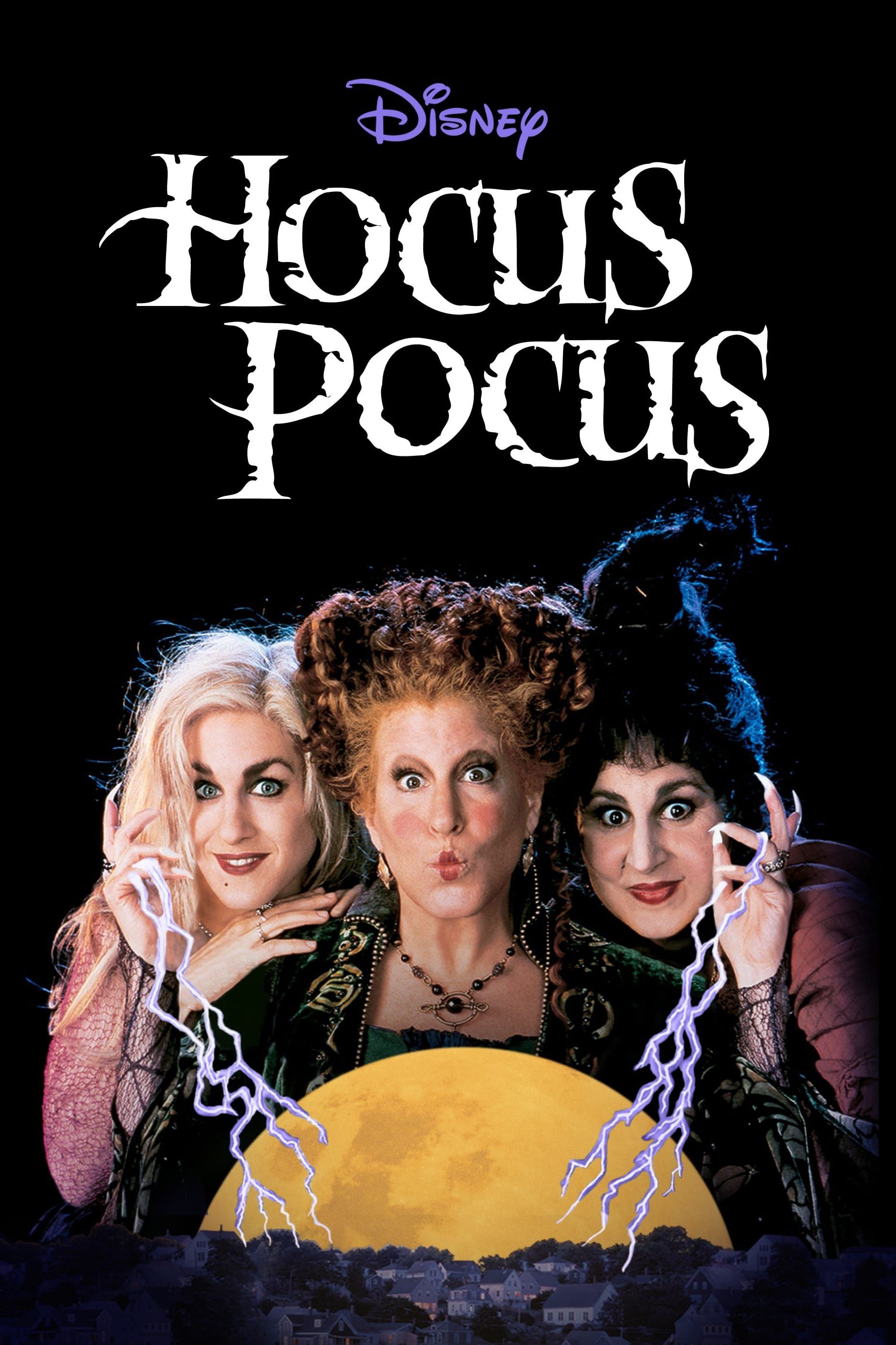
- Hocus Pocus: Directed by Kenny Ortega, this Halloween-themed fantasy comedy initially underperformed in theaters during its summer release window, but grew through home video and television syndication into an enduring seasonal classic.
Independent Cinema and Alternative Voices
The early 1990s represented a vibrant era for American independent cinema, fueled by the Sundance Film Festival and specialty distribution divisions that discovered unique voices operating outside the traditional studio system.
Richard Linklater followed his breakthrough indie hit Slacker with Dazed and Confused, a nostalgic, structurally loose comedy chronicling the last day of school for a group of Texas teenagers in 1976. Featuring a soundtrack of classic rock anthems and an ensemble cast of fresh faces (including Matthew McConaughey and Ben Affleck), the film captured the authentic texture of youth culture and became an instant cultural touchstone.
Similarly, independent and international arthouse releases found receptive audiences in specialized urban theaters. Films like Krzysztof Kieślowski’s Three Colors: Blue (the first installment of his acclaimed trilogy) demonstrated the vitality of European cinema during a period when American blockbusters dominated global discourse.
Frequently Asked Questions About 1993 Films
What was the highest-grossing film of 1993?
Jurassic Park was the highest-grossing film of 1993, earning over $900 million worldwide during its initial theatrical release and eventually crossing the $1 billion threshold through subsequent re-releases and IMAX conversions. It held the global box office record until James Cameron’s Titanic surpassed it in 1998.
Which film won the Academy Award for Best Picture for 1993 releases?
Schindler's List, directed by Steven Spielberg, won the Academy Award for Best Picture at the 66th Academy Awards held in March 1994. It triumphed over fellow nominees including The Fugitive, In the Name of the Father, The Piano, and The Remains of the Day.
Were there notable animated films released in 1993?
While Disney did not release a major animated feature in the traditional calendar year of 1993 (following Aladdin in 1992 and preceding The Lion King in 1994), Henry Selick’s The Nightmare Before Christmas and Amblin’s animated feature We're Back! A Dinosaur's Story were notable genre contributions during this period.
How did 1993 impact modern visual effects?
The year 1993 marked the definitive transition from physical creature effects to digital hybrid techniques. Jurassic Park proved that computer-generated creatures could display organic weight, texture, and emotional expression, convincing skeptical studio executives that CGI was ready for prime-time storytelling.
Where can I stream classic 1993 films today?
Streaming availability for 1993 films varies widely by geographic region and licensing agreements. Major titles like Jurassic Park, Schindler's List, and Groundhog Day regularly rotate across mainstream subscription services such as Netflix, Max, and Prime Video, or remain available for digital rental via platforms like Apple TV and Vudu.
Conclusion and Next Actions
Exploring the cinema of 1993 offers a comprehensive window into a transitional era where artistic ambition met technological revolution. Whether you are revisiting monumental blockbusters like Jurassic Park, studying the historical rigor of Schindler's List, or discovering independent gems like Dazed and Confused, the year's output remains remarkably vibrant. To deepen your appreciation, consider curating a weekend watchlist that pairs a major studio blockbuster with its corresponding independent or dramatic counterpart from the same year, observing firsthand how diverse visions coexisted during one of Hollywood's most dynamic eras.