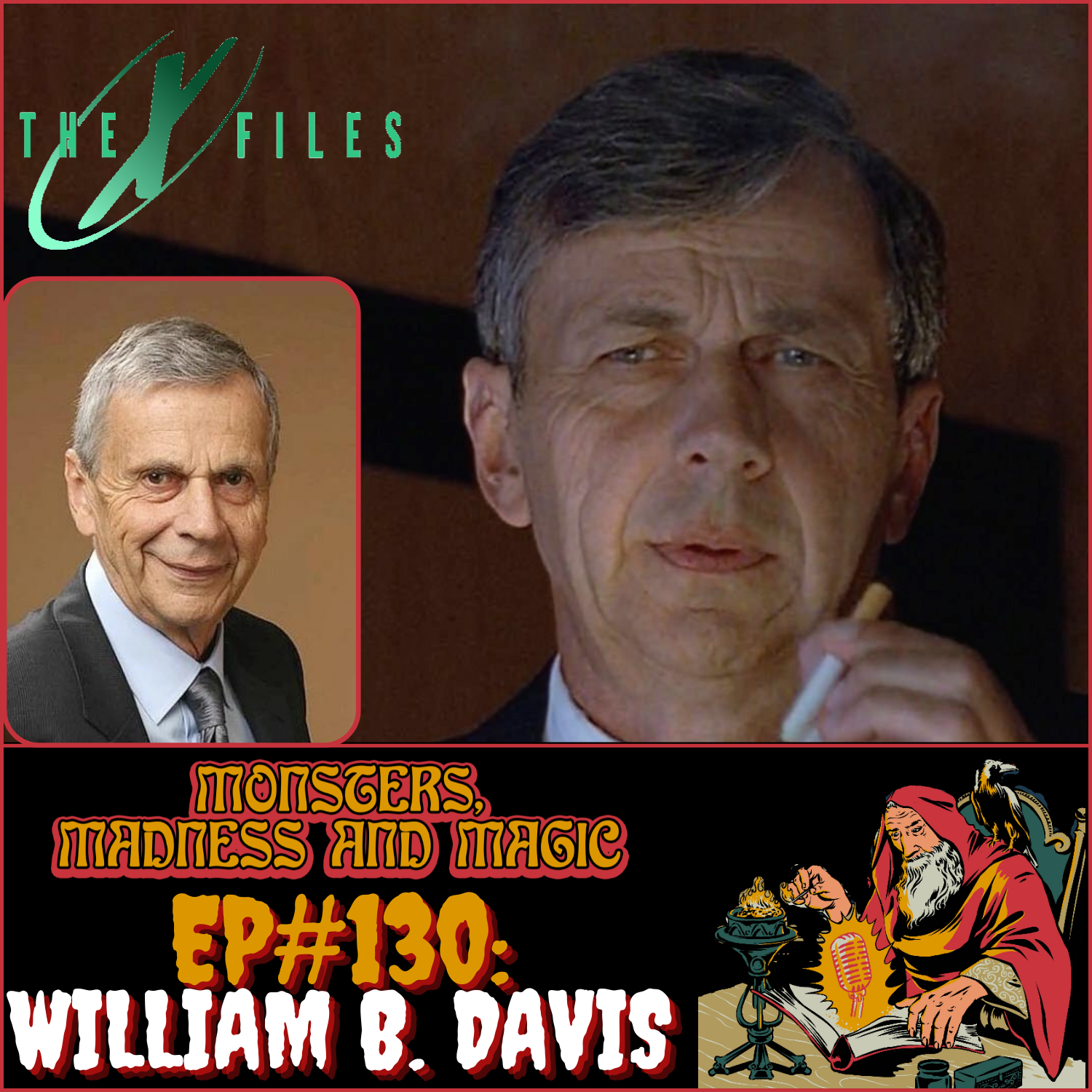
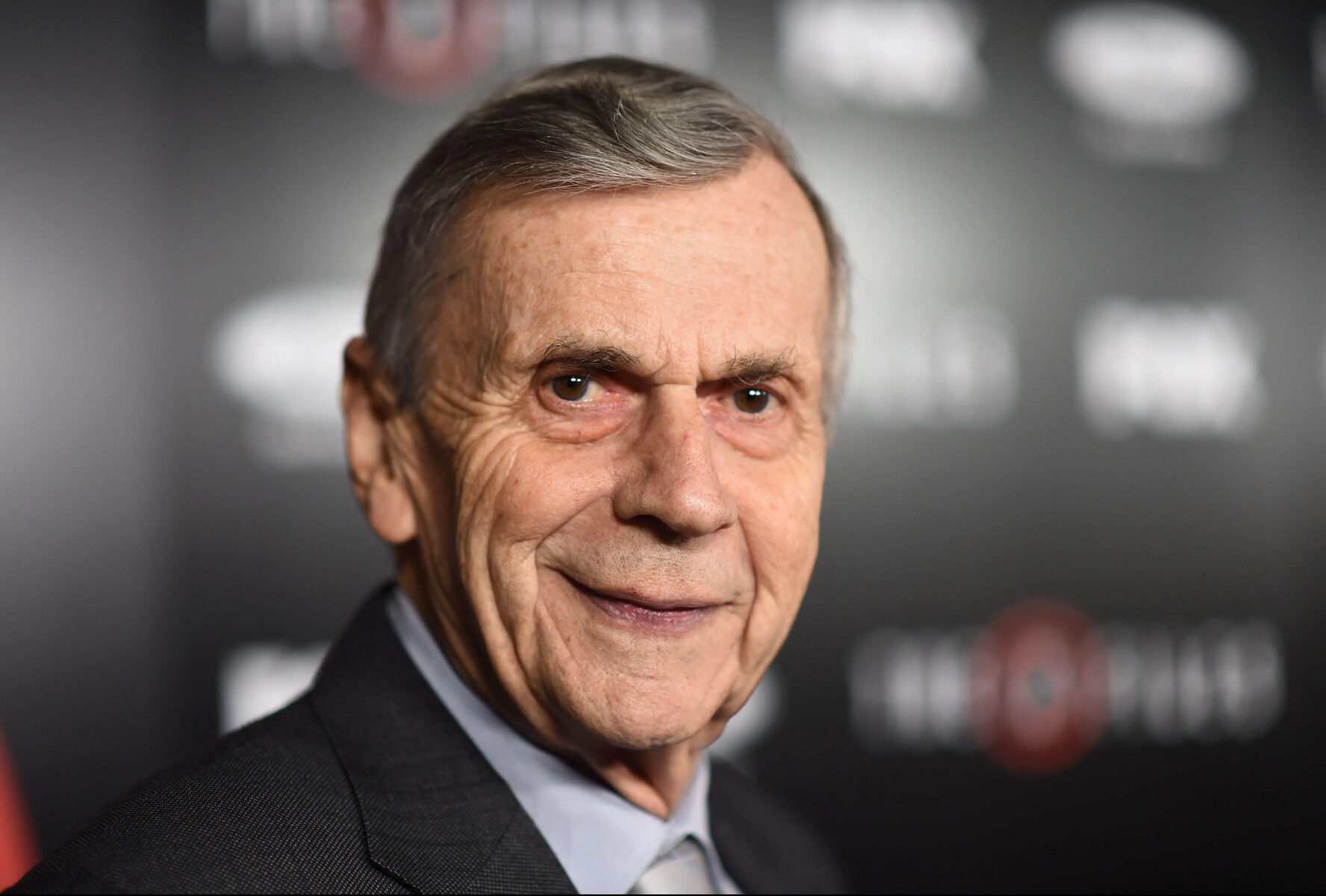
William B. Davis is a Canadian actor and director whose career spans over six decades, best known internationally for his iconic portrayal of the Cigarette Smoking Man in the science fiction television series The X-Files. While he is widely recognized for this seminal role in pop culture, his professional life encompasses an extensive body of work in theater, stage direction, and academic instruction, reflecting a deep commitment to the craft of acting that predates his rise to global fame.
Early Life and Academic Foundations
Born on January 13, 1938, in Toronto, Ontario, William Bruce Davis pursued an education that balanced the liberal arts with intensive theater training. His path to acting was not immediate; he attended the University of Toronto, where he studied philosophy and psychology. This academic background would later inform his approach to character development, particularly in portraying complex, stoic, or manipulative figures.
Following his university studies, Davis relocated to the United Kingdom to hone his craft at the London Academy of Music and Dramatic Art (LAMDA). During his time in England, he immersed himself in the British theater scene, working in repertory theaters across the country. This period was formative, as it provided him with the rigorous technical training and endurance required for live performance. Upon returning to Canada, he continued to work extensively in theater, eventually shifting his focus toward directing and founding his own acting school, the William Davis Centre for Actors' Study in Vancouver, British Columbia.
The X-Files and The Cigarette Smoking Man
In 1993, William B. Davis was cast in what would become the most significant role of his career. Initially appearing as a background character—a silent figure often shrouded in shadows—the Cigarette Smoking Man (also known as Cancer Man) evolved into the primary antagonist of The X-Files.
The character’s appeal was rooted in his ambiguity and his position as the shadowy architect of a vast government conspiracy. Davis’s performance was defined by a deliberate, understated intensity; he utilized stillness and silence to convey authority, a stark departure from the more bombastic villain tropes common in 1990s television.
Key Elements of the Performance
- Minimalism: Davis resisted over-acting, choosing instead to let the weight of the character’s secrets communicate his power.
- The Prop: The cigarette became an extension of the character, used to punctuate his presence in scenes and reinforce his cynical, detached worldview.
- Longevity: Because of the character’s mysterious nature, Davis was able to remain with the series throughout its original nine-season run and returned for the revival seasons in 2016 and 2018.
His success on The X-Files shifted the trajectory of his career, providing him with a platform to secure guest roles in various other prominent science fiction and fantasy television series, including Stargate SG-1, Smallville, Supernatural, and Continuum.
Directing and Academic Contributions
Beyond his work in front of the camera, William B. Davis has maintained a prolific career as a theater director. His work in the Canadian theater scene is highly regarded, with credits spanning a wide range of classical and contemporary works. He has frequently balanced high-profile television roles with the demands of staging complex theatrical productions, noting that the two mediums, while different, rely on the same fundamental principle: truth in performance.
His contribution to education is perhaps his most lasting professional legacy outside of his acting credits. By establishing the William Davis Centre for Actors' Study, he created an environment that emphasized the Stanislavski method and practical, on-set application. Many Canadian actors have cited his mentorship as a pivotal influence in their own professional development. His philosophy toward acting—that it is a discipline requiring constant practice rather than a static talent—continues to underpin the curriculum of the programs he helped develop.
Selective Filmography and Television Highlights
While the Cigarette Smoking Man remains his most famous contribution to the screen, Davis has a diverse range of credits. His filmography reflects a tendency toward roles that require gravitas, intellectual sharpness, or an air of underlying menace.
| Production Title | Role | Notable Era |
|---|---|---|
| The X-Files | Cigarette Smoking Man | 1993–2002, 2016, 2018 |
| Stargate SG-1 | Damaris | 2004–2006 |
| Smallville | Mayor Tate | 2004 |
| Supernatural | The Serpent | 2012 |
| Continuum | Older Alec Sadler | 2012–2015 |
| The Dead Zone | Greg Stillson’s Father | 2003–2006 |
Personal Philosophy and Professional Perspective
William B. Davis has frequently been interviewed regarding his transition from academic life to the entertainment industry. In his memoir, Where There's Smoke: Musings of a Cigarette Smoking Man, he explores the challenges of being typecast as a villain and the professional hurdles of navigating the film industry from a Canadian base rather than Hollywood.
He is also a vocal advocate for environmental awareness. Davis has leveraged his public profile to speak on climate change, often drawing parallels between the dystopian nature of the stories he acted in and the real-world implications of environmental degradation. His perspective is typically characterized by a cautious optimism, emphasizing that individual action is the necessary precursor to systemic change.
Impact on the Sci-Fi Genre
The archetype of the "shadowy government official" was significantly solidified in the public consciousness by Davis’s portrayal. Following the success of The X-Files, writers and producers in the science fiction genre frequently utilized his specific style of delivery to imbue their own series with a sense of grounded, bureaucratic malevolence.
His influence extends to how actors prepare for long-term antagonistic roles. By maintaining a sense of humanity and internal logic for the Cigarette Smoking Man—rather than playing him as a caricature of evil—Davis provided a blueprint for complex character work in serial television. This "grounded villainy" is a hallmark of the modern prestige television era, which owes a significant debt to the standards set by actors of his generation who mastered the craft on both the stage and the screen.
FAQ: William B. Davis
Was William B. Davis actually a smoker in real life? No. In fact, William B. Davis was a former smoker who had quit long before being cast in The X-Files. During the production, he was provided with herbal, nicotine-free cigarettes to ensure his health was protected while maintaining the character’s signature visual.
What is the William Davis Centre for Actors' Study? It is a conservatory-style school in Vancouver that focuses on the practical aspects of acting for both stage and screen. It was founded by Davis to provide a more rigorous training environment for actors looking to transition from foundational drama studies to professional-grade performance.
Is William B. Davis still active in 2026? Yes. As of 2026, Davis remains active in the industry. He continues to take on select film and television roles and remains involved in theater directing and industry commentary, showing no signs of full retirement from the craft.
Did William B. Davis write about his career? Yes, he authored an autobiography titled Where There's Smoke: Musings of a Cigarette Smoking Man, published in 2011. The book covers his transition from the stage to his life as a cult icon, providing insight into his acting methods and personal life.
What is his preferred acting methodology? Davis is a proponent of a disciplined, technique-based approach. He has often emphasized the importance of relaxation and sensory awareness, training that he adapted from his time at the London Academy of Music and Dramatic Art.
Conclusion and Next Actions
William B. Davis serves as a prime example of a career built on versatility and the mastery of specialized performance techniques. His legacy is firmly cemented not only by his iconic presence in The X-Files but also by his contributions to acting education and the Canadian theatrical landscape.
For those interested in exploring his work further, beginning with his early stage directing credits or his memoir provides a clearer picture of the depth behind his screen persona. If you are an aspiring actor, researching his specific pedagogical approach through his available writing or the legacy of his acting center remains a highly recommended step for understanding the technical requirements of the profession.