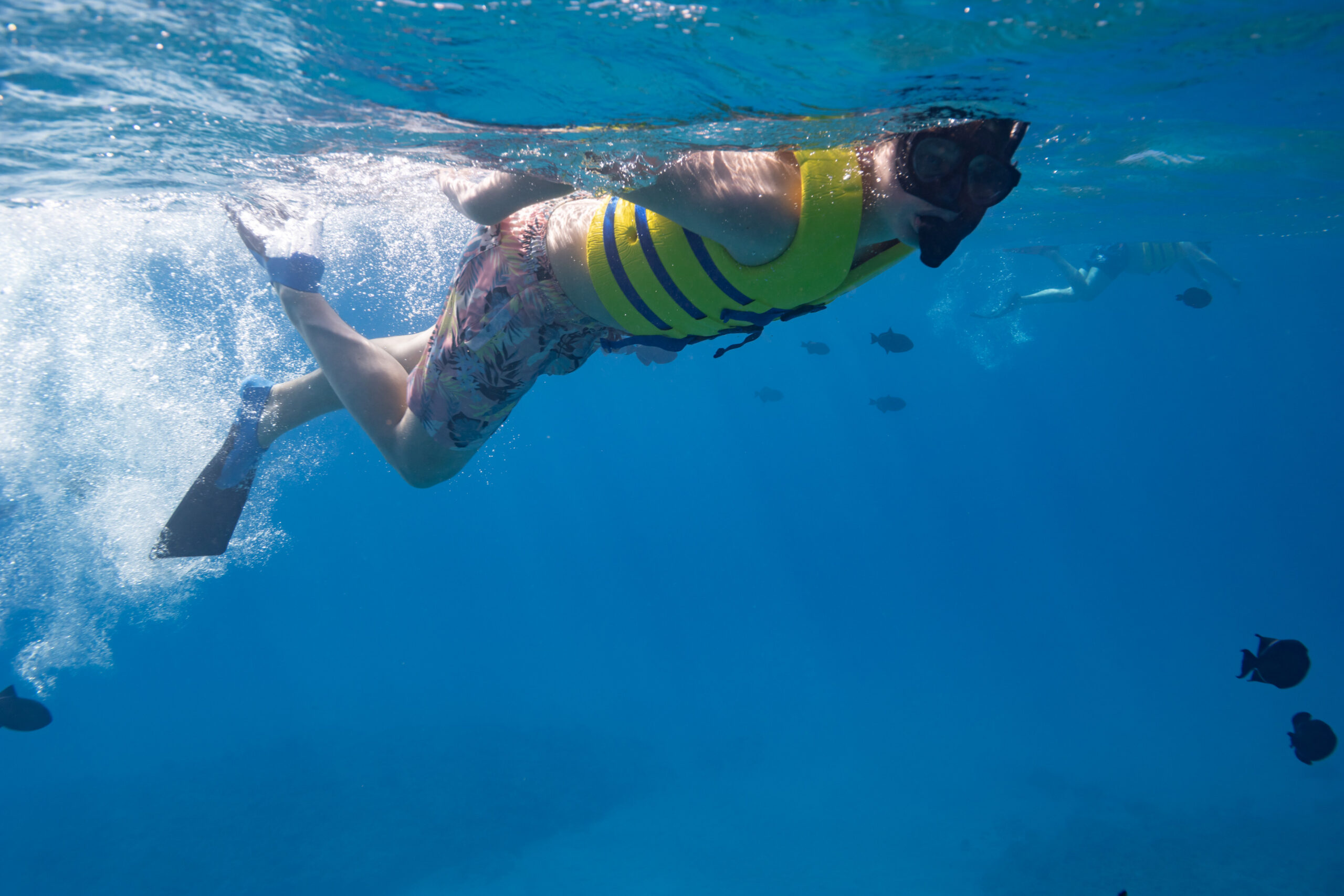
Snorkeling in Hawaii is a world-renowned activity, yet it remains the leading cause of ocean-related tourist fatalities in the state. Data indicates that most incidents involve older visitors, underlying medical conditions, and accidental water inhalation. By understanding environmental risks, recognizing personal health limitations, and employing proper safety equipment, tourists can significantly reduce the likelihood of a life-threatening emergency in Hawaiian waters.
The Landscape of Snorkeling Fatalities in Hawaii
For decades, the Hawaii Department of Health (DOH) and the Hawaii Lifeguard Association have tracked ocean-related incidents, consistently identifying snorkeling as a primary risk area for visitors. Unlike local residents, who are often acclimated to the specific ocean conditions of the islands, visitors may lack the necessary aquatic experience or physical conditioning to handle the unique challenges posed by the Pacific.
Statistical analysis from state reports reveals a pattern: many fatalities occur in areas that are not patrolled by lifeguards. While popular beaches like Hanauma Bay on Oahu or Poipu Beach on Kauai have robust safety infrastructure, the vast majority of snorkeling occurs at remote beaches or isolated coves. When a snorkeler encounters distress, the time required for emergency responders to arrive at these non-monitored locations often exceeds the narrow window required to prevent drowning after a loss of consciousness.
Identifying the Core Risk Factors
The most critical factor in Hawaiian snorkeling fatalities is not necessarily a lack of swimming ability, but rather the interaction between pre-existing health conditions and the physical exertion required for snorkeling.
The Role of Underlying Medical Conditions
Many victims of snorkeling-related fatalities are over the age of 50. Medical examiners have frequently found that victims suffered from undiagnosed or managed cardiovascular conditions. Snorkeling requires sustained physical effort, often in warm, humid conditions that can elevate blood pressure and heart rate. When a tourist with an underlying heart condition enters the ocean, the "mammalian dive reflex"—an involuntary physical response to cold water on the face—can trigger arrhythmias or cardiac events.
Environmental and Oceanographic Hazards
The Pacific Ocean is inherently dynamic. Even on "calm" days, Hawaiian shorelines are subject to:
- Rip Currents: Powerful, channeled currents that can pull even strong swimmers away from the shore.
- Trade Winds: Strong offshore winds can push snorkelers toward deep water, making the return trip exhausting.
- Surge and Shorebreak: Sudden changes in wave energy can slam a snorkeler against reef structures, causing injury or rendering them unconscious before they can clear the water.
Equipment-Related Complications
The introduction of full-face snorkel masks has been a subject of intense safety scrutiny. Critics and some researchers have suggested that these masks may increase the rebreathing of carbon dioxide ($CO_2$), leading to hypercapnia. Symptoms of hypercapnia—dizziness, confusion, and panic—can be catastrophic in an underwater environment, leading to rapid water inhalation and drowning.
Comparative Risk Analysis: Public vs. Protected Waters
Understanding where fatalities occur is as important as understanding why. Statistics differentiate between high-traffic, state-managed parks and unmanaged, wild areas.
| Location Type | Primary Risk Factor | Safety Mitigation |
|---|---|---|
| Lifeguarded Park | Overcrowding / Panic | Immediate professional rescue |
| Isolated Cove | Delayed Emergency Response | Partner system (buddy) |
| Deep-Water Reef | Strong Currents / Fatigue | Use of high-visibility surface float |
| Shoreline/Near-shore | Surge against rock/reef | Monitoring tide and swell forecasts |
Essential Safety Protocols for Hawaii Snorkeling
Safety in the water is a proactive endeavor. Tourists should shift their perspective from viewing snorkeling as a passive "sightseeing" activity to treating it as a physical sport that demands preparation and vigilance.
The Buddy System
Never snorkel alone. This is the most frequently ignored piece of advice in Hawaii. A buddy should be someone who is physically capable of alerting authorities or helping the snorkeler maintain buoyancy in the event of a cramp or sudden illness. If you are traveling solo, join a guided tour; commercial operators maintain rigorous safety protocols and constant visual monitoring of their guests.
Evaluating Health Readiness
If you are over 50, or if you have a history of cardiovascular or respiratory issues, consult with your physician before planning a snorkel excursion. Do not ignore minor symptoms such as chest tightness or shortness of breath. The ocean is not the place to "test" your stamina.
Equipment Familiarization
Before entering the ocean, test your gear in a shallow, controlled environment like a swimming pool. Ensure your mask fits properly and that you understand how to clear your snorkel of water. If you choose to use a full-face mask, ensure it is a high-quality model with an active $CO_2$ ventilation system, or consider transitioning to the traditional two-piece setup (mask and separate snorkel) which offers better visibility and gas exchange.
Understanding Ocean Conditions
Before departing for a beach, check the National Weather Service surf reports for the specific island you are visiting. Look for:
- Surf Height: High surf warnings should effectively cancel snorkeling plans.
- Wind Velocity: High trade winds create choppy water, which increases the likelihood of water entering the snorkel.
- Water Clarity: If the water is murky due to recent rain, do not snorkel. Poor visibility prevents you from seeing hazards such as reefs or changing depth.
The Role of Commercial Tour Operators
For visitors who are not experienced swimmers, booking a guided boat snorkeling tour is significantly safer than shore snorkeling. Commercial operators provide:
- Professional Lifeguards: Many vessels are staffed by crew trained in rescue and CPR.
- Floatation Devices: High-quality life vests are provided, which offer crucial buoyancy for tired swimmers.
- Monitoring: Crew members track the number of guests in the water, ensuring no one is left behind.
- Equipment Quality: Gear is maintained and sanitized regularly, reducing the risk of equipment failure.
When to Abort the Mission
A critical skill for any snorkeler is the ability to recognize when conditions or personal physical states necessitate leaving the water. If you feel tired, cold, or anxious, return to the shore immediately. Do not attempt to "push through" fatigue. Many fatalities occur when a tourist, already exhausted, tries to swim back against a current or wind, leading to total physiological collapse.
Frequently Asked Questions
Why are snorkel fatalities so common among older tourists? The primary reason is the correlation between age and the prevalence of undiagnosed cardiovascular issues. The physical stress of swimming combined with the psychological impact of being in the ocean can trigger cardiac events in individuals who may have been unaware of their underlying risks.
Are full-face masks banned in Hawaii? No, full-face masks are not legally banned. However, many reputable tour operators have prohibited their use on guided excursions due to concerns regarding $CO_2$ buildup and limited emergency access to the airway. Users should exercise extreme caution and choose reputable brands.
What should I do if I see a snorkeler in distress? Call 911 immediately. If you are not a trained lifeguard, do not enter the water yourself, as this often leads to two victims instead of one. If you have access to a floatation device (a boogie board, life ring, or even a large cooler), throw it to the person to help them stay afloat until professionals arrive.
Does alcohol consumption affect snorkeling safety? Alcohol significantly impairs judgment, reaction time, and physical coordination. Even a single drink can increase the risk of drowning by leading to risky behavior or diminished awareness of changing ocean conditions. Never consume alcohol before entering the water.
How can I find out if a beach has lifeguards? The Hawaii Lifeguard Association maintains a website listing all patrolled beaches. Always check this list before choosing a destination. If a beach does not have a lifeguard tower, assume you are fully responsible for your own safety and that of your party.
Recommendations for Your Next Visit
To prioritize your safety, start by planning your water activities for the early morning, when wind speeds are generally lower and the water is calmer. Choose locations that are patrolled by professional lifeguards. If you are not a confident swimmer, invest in a high-quality, high-visibility snorkel vest; this allows you to stay buoyant with minimal effort and ensures that others—including your buddy and rescuers—can spot you easily. Finally, prioritize a "safety-first" mindset: the reef will be there tomorrow, but your health is a non-renewable asset.