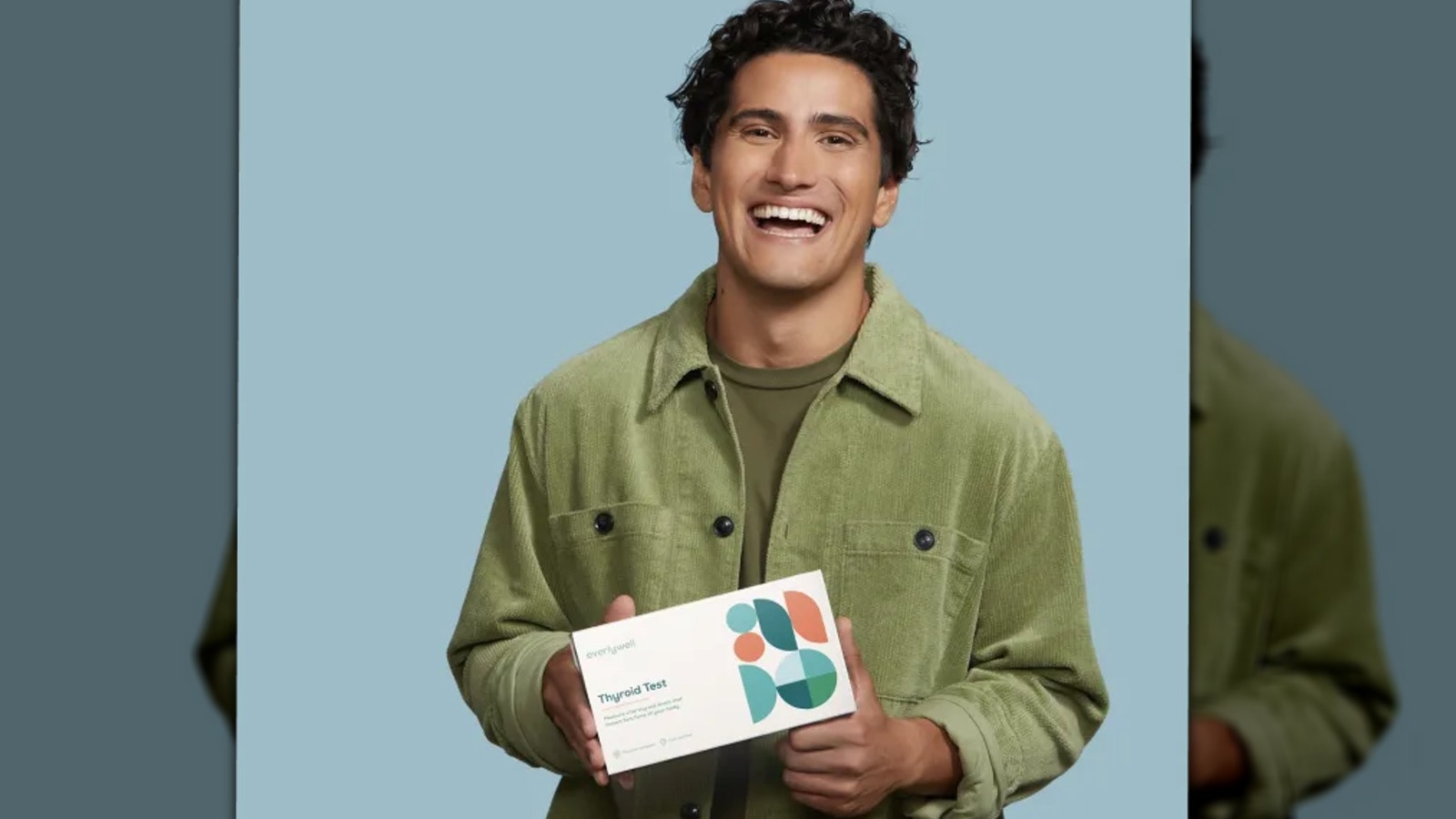
The Everlywell appearance on Shark Tank remains one of the most frequently cited examples of a startup successfully leveraging the platform to validate a disruptive healthcare model. In 2017, founder Julia Cheek secured a $1 million investment from Lori Greiner for 5% equity and an additional $1 million as a line of credit. This high-profile partnership not only provided the necessary capital for infrastructure scaling but also offered the brand significant credibility, fundamentally shifting the consumer perception of at-home laboratory testing.
The Genesis of the Everlywell Business Model
Everlywell was established with a singular mission: to democratize access to diagnostic testing by removing the traditional gatekeepers of the healthcare system. Before Everlywell, obtaining laboratory insights typically required a physician's order, a visit to a blood draw center, and a protracted wait for results sent back through a primary care network.
The core business model revolves around direct-to-consumer (DTC) testing kits. Users purchase these kits online, receive them via mail, collect a specimen (typically blood, saliva, or urine) at home, and mail the sample to a CLIA-certified (Clinical Laboratory Improvement Amendments) laboratory. Once the analysis is complete, the results are processed by a physician network and delivered to the user through a secure digital dashboard. This asynchronous, patient-centric approach eliminated the necessity of the "middleman" for routine health monitoring, appealing specifically to health-conscious consumers and those with high-deductible health plans who sought to manage out-of-pocket costs more effectively.
The Shark Tank Strategy and Execution
When Julia Cheek entered the Shark Tank arena in Season 8, she faced a skeptical panel regarding the regulatory hurdles and the potential for clinical misinterpretation. The challenge for any diagnostic company on the show is demonstrating that they are not merely selling a "gadget" but are providing a medically valid service.
Cheek’s pitch focused on the technical infrastructure behind the scenes. She emphasized that Everlywell did not perform the tests themselves but rather acted as the digital platform and logistics manager, outsourcing the physical testing to existing, accredited laboratories. This "asset-light" strategy was crucial; it allowed the company to scale without the immense capital expenditure required to build and maintain high-complexity testing facilities.
Lori Greiner, known for her expertise in scaling retail and consumer-facing products, recognized the massive potential for a service that simplifies the "worried well" demographic's ability to check vitamin levels, thyroid function, or food sensitivity. The negotiated deal—$1 million for 5% equity—valued the company at $20 million at the time of the airing. Beyond the capital, the partnership provided the leverage to secure retail shelf space, which eventually led to Everlywell products appearing in major national retailers like CVS and Target.
Regulatory and Technical Frameworks
The success of Everlywell hinges on strict adherence to diagnostic regulations. In the United States, laboratories must be CLIA-certified to perform clinical testing. By utilizing labs that already hold these certifications, Everlywell ensures that the data produced meets federal standards for clinical quality.
However, the company’s expansion has necessitated constant navigation of state-specific healthcare regulations. For instance, some states have restrictive laws regarding "direct access testing" (DAT), where individuals are prohibited from ordering their own lab work. Everlywell addresses these limitations by utilizing a physician-led network that reviews the orders to ensure they meet the specific requirements of the user’s jurisdiction. This compliance-first approach is the primary reason the company was able to move from a niche startup to a widely accepted healthcare entity.
Growth and Market Evolution Since 2017
Following the Shark Tank investment, the company’s business architecture underwent significant transformation. While the initial focus was on wellness-based panels (such as metabolism or sleep and stress), the company later expanded into diagnostic testing for infectious diseases.
This pivot proved critical during the global public health events of 2020. Having established the logistics for shipping diagnostic kits and returning them for analysis, Everlywell was positioned to pivot toward high-demand testing services. This era of rapid growth solidified the company’s transition from a "wellness" brand to a broader "digital health" brand, integrating telehealth consultations as an add-on service. This addition completed the diagnostic cycle: testing identifies a potential issue, and the digital platform connects the user to a clinician who can provide next steps, such as referrals for further treatment or lifestyle modifications.
Comparative Analysis of Diagnostic Access Models
Understanding the value of the Everlywell model requires comparing it to traditional medical pathways. The following table illustrates the operational differences between the traditional lab route and the DTC model.
| Feature | Traditional Healthcare Pathway | Everlywell (DTC) Model |
|---|---|---|
| Ordering Process | Requires formal physician appointment | Direct online purchase |
| Lab Location | In-person visit to a facility | At-home sample collection |
| Wait Time | Variable (often days to weeks) | Typically 3-5 days after receipt |
| Cost Transparency | Often obscured by insurance billing | Upfront, fixed pricing |
| Clinical Context | Integrated into EMR systems | Provided via secure digital portal |
| Accessibility | Limited by geography/hours | Available nationwide (US) |
Operational Limitations and User Considerations
Despite the convenience, the model is not without limitations that users must understand. First, Everlywell tests are generally intended for informational purposes and wellness monitoring, not as a replacement for emergency care or the diagnosis of acute, life-threatening conditions. The tests provide a snapshot in time; they do not account for the continuous physiological changes that a primary care physician might observe over a series of visits.
Furthermore, while the kits are highly precise regarding the laboratory analysis, the "actionability" of the result is limited. A high or low level of a specific marker requires clinical context—symptoms, medical history, and physical examination—which a kit alone cannot provide. Users often encounter frustration when a test returns an "abnormal" result without a clear, personalized path forward, which is why the integration of follow-up telehealth consultations has become a vital component of the business.
Risks and Challenges in the Diagnostic Market
The primary risk for companies in the DTC diagnostic space is the changing regulatory landscape. State legislatures frequently update statutes regarding the privacy of medical data and the legality of lab-result disclosure without direct physician intervention. Everlywell must maintain a robust legal and compliance team to monitor these variations, which adds to the operational cost.
Additionally, data security is paramount. As a provider of sensitive medical information, the company must comply with HIPAA (Health Insurance Portability and Accountability Act) standards in the United States. Any failure in data protection or cybersecurity represents an existential threat to the company’s reputation and financial health. Since the 2017 investment, the company has invested heavily in encrypted storage and secure data transmission protocols to mitigate these risks.
The Role of Investment in Scaling Logistics
The $1 million investment from Shark Tank served as the foundation for modernizing the supply chain. Scaling an at-home testing business requires significant investment in:
- Reverse Logistics: Developing a system that ensures samples reach the lab in a stable, viable condition.
- Laboratory Partnerships: Negotiating volume-based pricing with major national labs to keep consumer costs competitive.
- User Interface (UI): Developing an app or web portal that makes complex medical data understandable for the layperson.
By solving these logistical challenges, Everlywell moved the needle for the entire digital health industry, proving that consumers are willing to take ownership of their health data if the process is frictionless and the results are presented clearly.
Frequently Asked Questions
Did the Shark Tank deal significantly change Everlywell’s business? Yes, the investment provided both capital and brand recognition. It allowed for the scaling of operations, professionalization of the management team, and established the company as a credible player in the health-tech space, leading to wider retail distribution.
Are Everlywell results accepted by personal physicians? Most clinicians accept diagnostic results from accredited, CLIA-certified laboratories. However, physicians may choose to replicate the tests within their own preferred lab network to ensure consistency and to integrate the results into their specific medical record systems.
Is the cost of Everlywell testing covered by insurance? While some Flexible Spending Accounts (FSAs) or Health Savings Accounts (HSAs) may be used to purchase the kits, standard health insurance coverage varies significantly. Users are encouraged to check their specific plan details, as most of these tests are currently categorized as wellness monitoring rather than medically necessary diagnostic procedures.
How does Everlywell ensure my data is safe? The company uses encryption standards consistent with HIPAA requirements. They maintain that personal health information is isolated and not sold to third-party data brokers, which is a common concern among users of modern health-tech platforms.
Can I get a medical diagnosis from an Everlywell test? No. Everlywell tests are designed for wellness insight and monitoring. They should not be used as a substitute for professional medical advice, diagnosis, or treatment for any disease or health condition. Always consult a physician regarding results that cause concern.
Next Steps for Consumers
If you are considering an at-home testing kit, begin by reviewing your specific health goals. Identify if you are looking for general baseline data (like vitamin levels) or specific indicators that require follow-up. Always verify that your chosen panel is appropriate for your age and health history. Before purchasing, check the product website for "state availability" to confirm the test is permitted in your area. If you receive an abnormal result, download the report or use the company’s digital features to share the findings directly with your primary care physician during your next scheduled appointment.