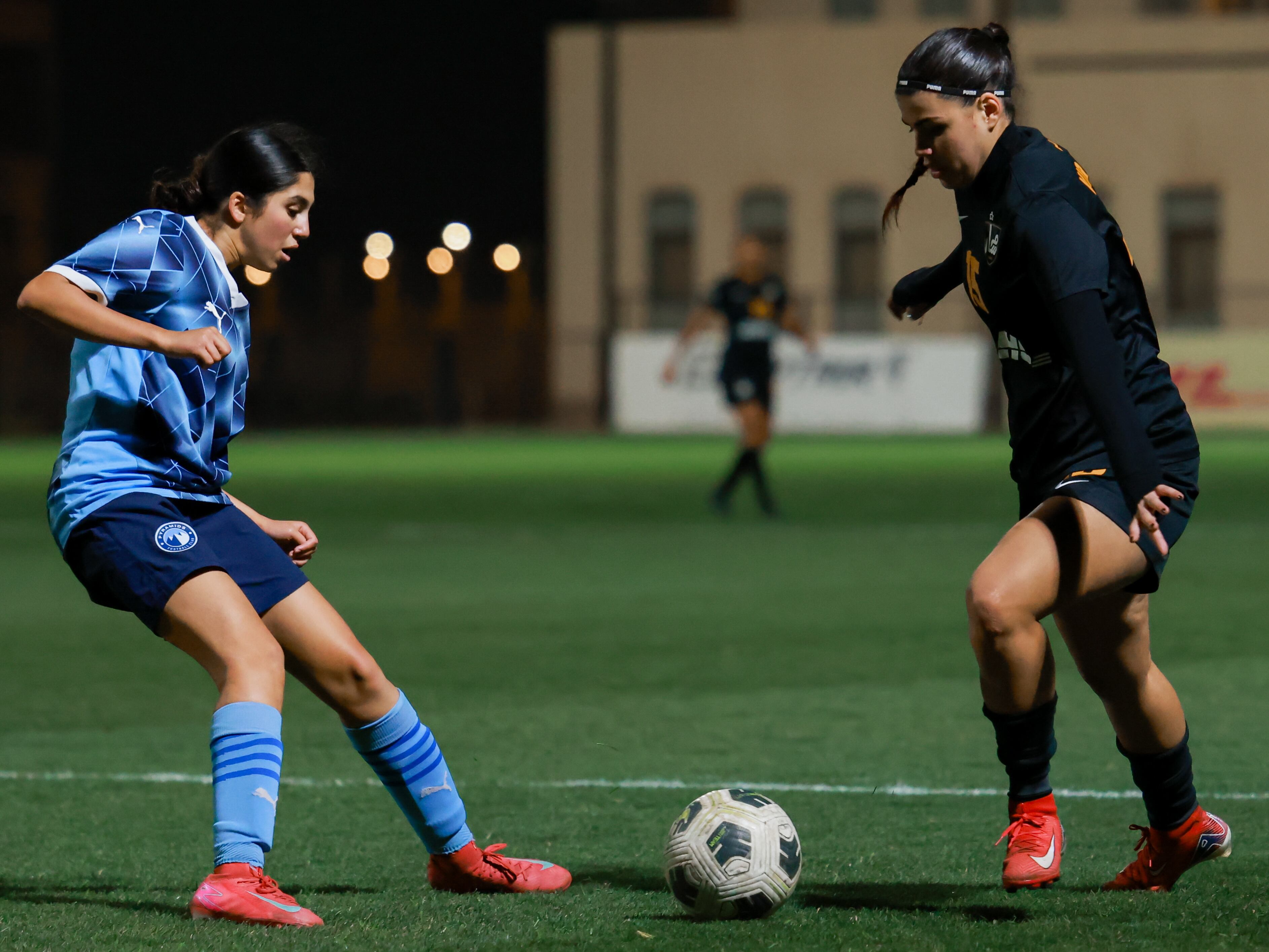
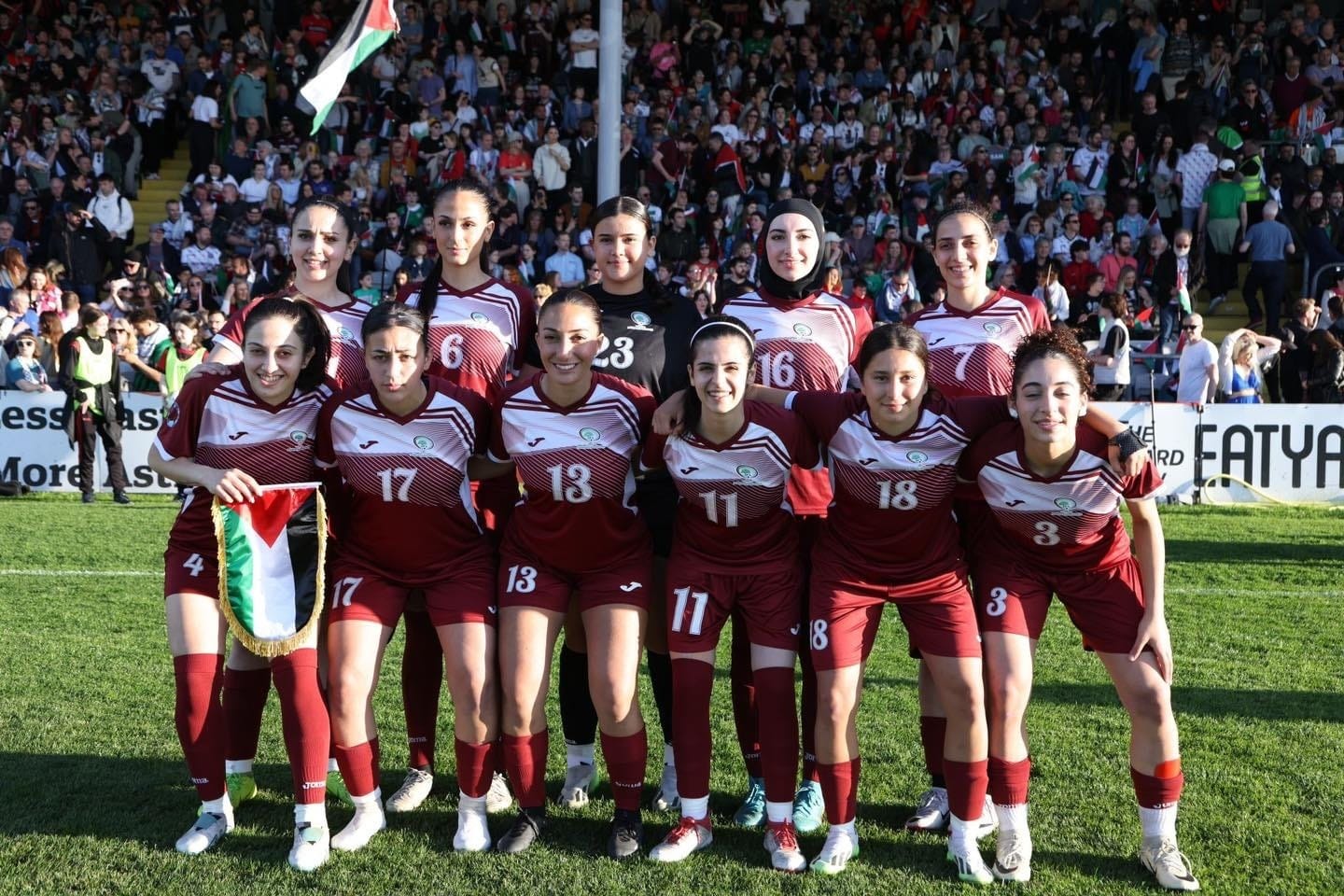
Palestine women’s football represents a unique intersection of athletic ambition, international sports diplomacy, and structural resilience. Operating under the auspices of the Palestinian Football Association (PFA), women’s football in the region encompasses domestic league competitions, national team participation in FIFA and Asian Football Confederation (AFC) tournaments, and continuous developmental initiatives designed to overcome substantial logistical, political, and social hurdles.
Historical Context and Governance of the Palestinian Football Association
The institutional foundation of women's football in Palestine is anchored by the Palestinian Football Association (PFA). The PFA became a full member of FIFA in 1998 and joined the Asian Football Confederation (AFC) in 1962, though active, organized development for women's football gained significant momentum in the late 2000s. Under the leadership of long-standing sports administrators, the PFA established formal pathways for female athletes, aligning with FIFA's global mandates to promote gender equity and expand participation in women's sports.
Developing organized sports in Palestine involves navigating complex geopolitical realities. Administrative control, travel permits, and infrastructure development are subject to external constraints imposed by regional authorities and border crossings. Despite these systemic challenges, the PFA established the Palestine Women's National Team, which played its first official international match recognized by FIFA against Jordan in 2006. This milestone marked the formal entry of Palestinian women into competitive international association football.
Governance structures within the PFA include dedicated committees focused on women's football development, refereeing, and youth training. These bodies coordinate closely with international governing bodies, receiving grants and technical assistance through programs such as the FIFA Forward development program. This funding supports grassroots initiatives, coaching education courses, and the operational costs associated with hosting and traveling to international fixtures.
Structure of Domestic Competitions and Leagues
The domestic landscape of Palestine women’s football relies on a structured league system managed by the PFA. The primary tier of competition is the Palestine Women's Football League, which features clubs from various regions, predominantly the West Bank, alongside youth development academies.
The West Bank Women's League and Regional Divisions
Due to geographical fragmentation and restricted movement between the West Bank and the Gaza Strip, domestic competitions have historically operated in regional silos. The West Bank Women's League serves as the primary competitive outlet for senior club teams. Clubs such as Sariyah Ramallah, Orthodox Club Beit Sahour, and Dar Al-Kalima have historically formed the backbone of club-level competition, fostering talent and providing consistent match practice.
- Senior Competitions: Top-tier clubs compete in round-robin tournament formats to determine the national champion, which often gains eligibility or recognition in regional club initiatives where logistical conditions permit.
- Youth Academies and Age Groups: To ensure a sustainable pipeline of talent, the PFA mandates or encourages youth setups, including U-16 and U-19 divisions. These youth leagues focus on technical fundamentals, tactical awareness, and physical conditioning.
Challenges in League Operations
Operating domestic leagues in Palestine presents distinct operational hurdles:
- Logistical Fragmentation: The inability to establish a unified national league spanning both the West Bank and Gaza due to travel restrictions divides the domestic player pool.
- Infrastructure Limitations: Access to FIFA-standard grass pitches, floodlit training facilities, and indoor gymnasiums remains limited, forcing many clubs to train on artificial turf surfaces that may experience heavy wear and tear.
- Financial Constraints: Most clubs operate on amateur or semi-professional budgets, relying heavily on PFA subsidies, municipal support, or private sponsorships rather than lucrative television rights or commercial gate receipts.
International Representation and Competitions
The Palestine Women’s National Team serves as the international ambassador for the sport, participating in regional and continental tournaments organized by the AFC and FIFA.
AFC Women's Asian Cup Qualifiers and WAFF Championships
The national team regularly participates in qualifiers for the AFC Women’s Asian Cup and tournaments organized by the West Asian Football Federation (WAFF). These competitions provide vital exposure to high-level international play, allowing Palestinian players to test their skills against top-tier Asian opponents such as Jordan, Lebanon, and regional powerhouses like Japan and Australia.
Participating in these tournaments requires extensive logistical planning. Securing visas, coordinating transit through international borders, and managing player releases from academic or employment obligations are constant administrative tasks for the PFA team management.
FIFA World Rankings and Milestones
The team’s performance on the international stage is reflected in the official FIFA/Coca-Cola Women's World Ranking. While fluctuating based on match frequency and results against higher-ranked confederation opponents, maintaining an active ranking demonstrates compliance with international match calendars and sustained competitive engagement.
| Tournament Category | Governing Body | Frequency / Cycle | Primary Objective for Palestine |
|---|---|---|---|
| WAFF Women's Championship | WAFF | Biennial / Periodic | Regional competitive benchmarking and match experience |
| AFC Women's Asian Cup Qualifiers | AFC | Every 4 Years | Qualification for the premier continental championship |
| FIFA International Friendlies | FIFA | Annual Windows | Ranking points, tactical experimentation, and squad cohesion |
| Domestic League Play | PFA | Annual Season | Player development, talent scouting, and club competition |
Grassroots Development, Coaching, and Refereeing
Long-term viability in women's football depends heavily on grassroots participation, coaching education, and the development of certified match officials.
Grassroots Programs and School Partnerships
To counter cultural barriers and encourage early participation, the PFA, in collaboration with international bodies, implements grassroots festivals and school outreach programs. These initiatives introduce young girls to football through fun, skill-based activities, shifting cultural perceptions of women's sports in conservative communities.
Key milestones in grassroots development include:
- School Sports Integration: Partnering with the Ministry of Education to incorporate football into physical education curricula for girls.
- Regional Training Centers: Establishing specialized centers of excellence that identify talented youth players and provide supplemental coaching outside of club environments.
Capacity Building: Coaches and Referees
A critical component of the PFA's strategic plan involves certifying female coaches and referees. Historically, sports administration and technical roles were male-dominated. However, targeted AFC and FIFA coaching courses (such as the AFC 'C' and 'B' coaching licenses) have empowered former players to transition into technical management roles. Similarly, recruitment drives for female referees have increased the number of certified women officiating domestic matches, creating professional pathways within the sport beyond playing careers.
Socio-Cultural Impact and Overcoming Barriers
Women's football in Palestine functions as more than a competitive sport; it serves as a platform for female empowerment, social expression, and community building.
Participation in team sports challenges traditional gender norms, fostering leadership, discipline, and self-confidence among young women. Families and communities increasingly view athletic involvement as a positive outlet that complements academic pursuits. However, societal challenges persist, varying widely between urban centers and more conservative rural areas. Navigating these cultural dynamics requires sustained community engagement by coaches, players, and administrators who act as advocates for gender equality in sport.
Furthermore, international fixtures provide a global platform for Palestinian athletes to represent their identity on the world stage, drawing international solidarity and highlighting the universal appeal of football regardless of political or geographical adversity.
Frequently Asked Questions
When was the Palestine Women's National Football Team established?
The Palestine Women's National Football Team was established in the mid-2000s, playing its first official FIFA-recognized international match against Jordan in 2006 under the governance of the Palestinian Football Association.
How is the domestic women's football league structured in Palestine?
The domestic structure primarily centers around the West Bank Women's League, featuring senior club teams and youth divisions (such as U-16 and U-19). Due to geopolitical and logistical divisions, a unified national league spanning both the West Bank and the Gaza Strip has faced persistent operational barriers.
Does Palestine participate in FIFA and AFC tournaments?
Yes. The PFA is a full member of both FIFA and the Asian Football Confederation (AFC). The women's national team regularly participates in AFC Women's Asian Cup qualifiers, West Asian Football Federation (WAFF) championships, and official FIFA international window friendlies.
What are the main challenges facing women's football in Palestine?
Primary challenges include logistical and travel restrictions that hinder movement between regions, limited access to high-standard training infrastructure, financial constraints reliant on grants and amateur budgets, and occasionally navigating conservative cultural perceptions surrounding women in competitive sports.
How does the PFA support the growth of women's football?
The PFA utilizes development grants from programs like FIFA Forward to fund grassroots school initiatives, coaching education courses for women obtaining AFC licenses, referee training programs, and the operational costs of national team training camps and international travel.
Next Actions and Strategic Recommendations
For stakeholders, researchers, or supporters looking to engage with or follow Palestine women’s football, several practical steps can be taken:
- Monitor Official Channels: Consult the official platforms of the Palestinian Football Association and the Asian Football Confederation for verified match schedules, tournament results, and squad announcements.
- Support Grassroots Initiatives: Engage with international sports NGOs and development programs that partner with local clubs to provide equipment, coaching clinics, and infrastructural aid.
- Academic and Policy Research: Review FIFA Forward impact reports and sports sociology studies focusing on women's sports in West Asia to gain deeper qualitative and quantitative insights into the region's athletic development.