The Milwaukee District West (MD-W) line remains a critical artery for the Chicago metropolitan area’s transportation infrastructure. Stretching from the historic Chicago Union Station to the western terminus at Big Timber Road in Elgin, this 39.8-mile corridor serves as a primary transit link for thousands of daily commuters and leisure travelers. In 2026, Metra has further refined the MD-W schedule to accommodate evolving hybrid work patterns, providing a blend of high-frequency peak service and robust midday options that reflect the regional shift toward more flexible transit utility.
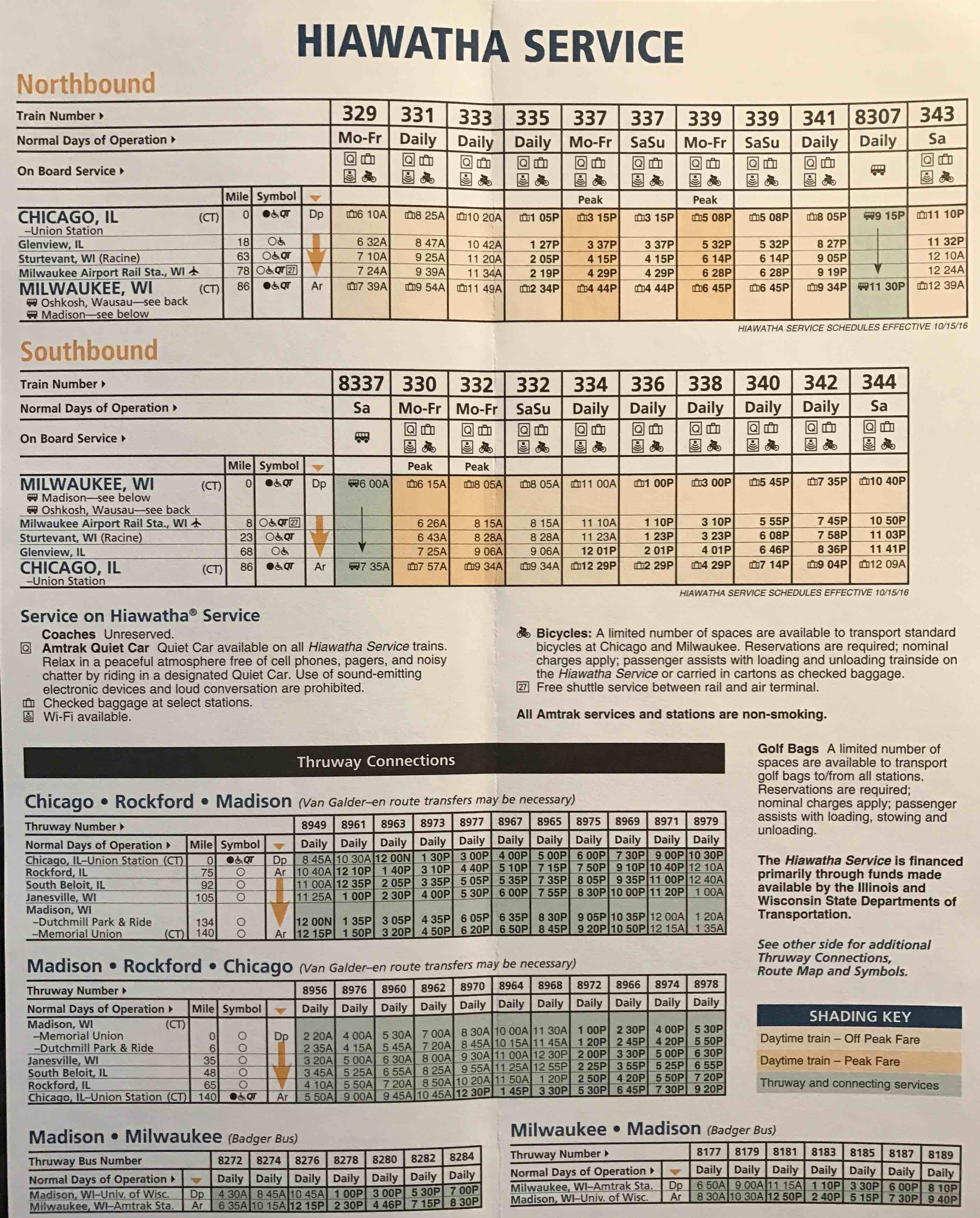
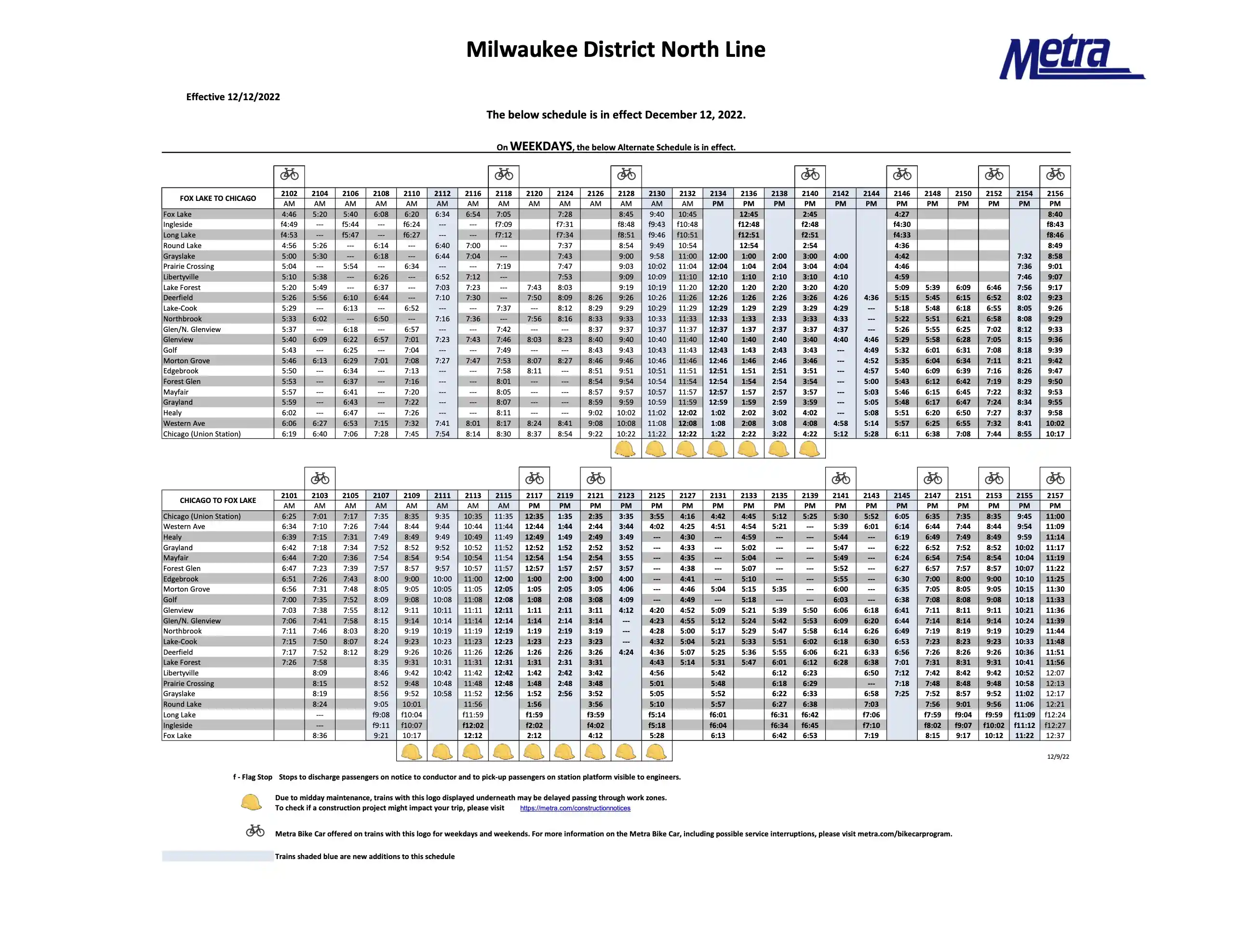
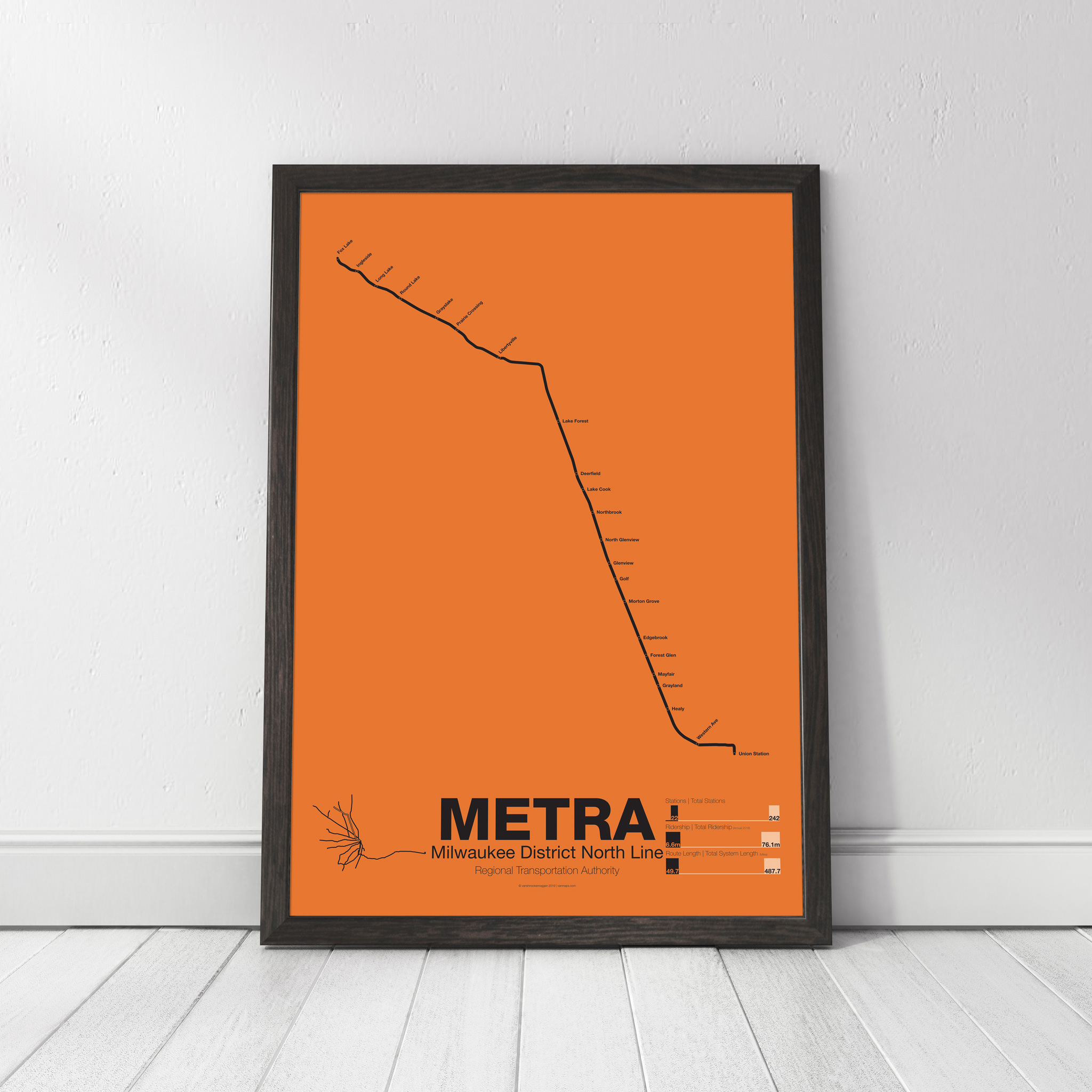
Operational Disambiguation This guide focuses exclusively on the Metra Milwaukee District West (MD-W) commuter rail line operating between Chicago Union Station and Elgin, Illinois. It is distinct from the Milwaukee District North (MD-N) line, which terminates in Fox Lake, and the Amtrak Hiawatha service, which travels to Milwaukee, Wisconsin.
2026 Route Overview and Strategic Stop Analysis
The MD-W line operates through a diverse landscape, ranging from the dense urban environment of Chicago’s West Side to the expansive suburban industrial and residential corridors of Cook and Kane Counties. For 2026, the scheduling architecture prioritizes "clock-face" departures, ensuring trains depart at consistent intervals to simplify passenger planning.
The following stops constitute the 2026 MD-W corridor:
- Chicago Union Station: The central hub for all MD-W operations, providing connections to Amtrak, CTA, and other Metra lines.
- Western Avenue: A vital transfer point for the Milwaukee District North and North Central Service lines.
- Grand/Cicero & Mars: Essential stops for West Side industrial commuters.
- Mont Clare & Elmwood Park: Residential hubs with high pedestrian ridership.
- River Grove: A key junction serving the Near West suburbs.
- Franklin Park & Mannheim: Industrial centers with significant employee transit needs.
- Bensenville & Wood Dale: Critical stops near the southern perimeter of O'Hare International Airport.
- Itasca & Medinah: Serving high-end residential and recreational areas (including the Medinah Country Club).
- Roselle & Schaumburg: Major suburban hubs with extensive "Park and Ride" facilities.
- Hanover Park & Bartlett: Growing residential communities with modernized station amenities.
- National Street & Elgin: Providing access to the historic downtown Elgin area and Grand Victoria Casino.
- Big Timber Road: The western terminus, featuring significant parking capacity for Kane County residents.
2026 Service Frequency and Technical Scheduling Framework
In 2026, Metra utilizes a tiered service model on the MD-W line to maximize rolling stock efficiency. The schedule is divided into three primary categories: Peak-Direction Express, Midday Symmetrical, and Weekend/Holiday service.
Peak Hour Optimization
During the morning rush (6:00 AM – 9:00 AM inbound) and evening rush (3:30 PM – 6:30 PM outbound), the MD-W utilizes skip-stop and express patterns. These "zone-express" schedules allow trains to bypass lower-ridership stations to reduce travel time for outer-suburban commuters from Elgin and Bartlett. By 2026, express transit times from Elgin to Union Station have been stabilized at approximately 62 minutes, despite increased freight interference on the shared CPKC (Canadian Pacific Kansas City) tracks.
Midday and "Pulse" Scheduling
To address the rise of non-traditional work hours, the 2026 schedule features 60-minute headways during the midday period. This "Pulse" system ensures that a train is available at roughly the same minute past the hour, every hour, reducing the passenger's reliance on printed timetables.
Weekend and Late-Night Service
Weekend service in 2026 has seen a 15% increase in frequency compared to the early 2020s. Saturday and Sunday schedules now offer two-hour intervals, with late-night "Night Owl" departures from Union Station at 12:40 AM on Saturdays to accommodate Chicago’s evening economy.
2026 Fare Structure and Ticketing Integration
The 2026 fare system is the result of the regional fare simplification initiative. Metra has moved away from the complex 10-zone system of the past, utilizing a streamlined 4-zone model that integrates seamlessly with the Ventra 3.0 ecosystem.
| Ticket Type | Zone 1 (City) to Zone 2 | Zone 1 to Zone 3 | Zone 1 to Zone 4 (Elgin) |
|---|---|---|---|
| Single Ride | $3.75 | $5.50 | $6.75 |
| Day Pass (Unlimited) | $7.50 | $11.00 | $13.50 |
| Monthly Pass | $75.00 | $110.00 | $135.00 |
| Regional Connect Pass | $30.00 Add-on | $30.00 Add-on | $30.00 Add-on |
The Regional Connect Pass remains the most cost-effective solution for MD-W riders requiring transfers to CTA buses or "L" trains. In 2026, this pass is available exclusively to Monthly Pass holders, offering unlimited CTA and Pace rides for a fixed monthly supplement.
Technical Specifications and Fleet Modernization
The Milwaukee District West line utilizes a mix of modernized bi-level gallery cars and the newer Alstom Coradia Duplex trainsets introduced into the Metra system as part of the 2024-2026 fleet renewal program.
Locomotive and Rolling Stock Standards Most MD-W trains are pushed or pulled by MPI MP36PH-3S locomotives. These units undergo rigorous Tier 4 emissions compliance checks as of 2026. The rolling stock features automated station announcements, high-capacity Wi-Fi 6E connectivity, and designated "Quiet Cars" on all peak-period trains.
Positive Train Control (PTC) and Safety
In 2026, the MD-W operates under full PTC (Positive Train Control) enforcement. This GPS-based safety technology prevents train-to-train collisions, over-speed derailments, and unauthorized incursions into work zones. While PTC improves safety, it requires strict adherence to departure times; trains can no longer "make up time" by speeding between stations, making the 2026 schedule more rigid but significantly safer.
Comparing MD-W to Alternative Commuter Corridors
For residents in the western suburbs, choosing between the MD-W and the Union Pacific West (UP-W) or the BNSF line is a common logistical challenge.
| Feature | Milwaukee District West (MD-W) | BNSF Railway | Union Pacific West (UP-W) |
|---|---|---|---|
| Primary Hub | Union Station | Union Station | Ogilvie Trans. Center |
| Western Terminus | Big Timber (Elgin) | Aurora | Elburn |
| 2026 Reliability Rate | 94.2% | 96.8% | 95.1% |
| Bicycle Capacity | High (Dedicated Cars) | Moderate | Moderate |
| Freight Interference | Medium (CPKC) | High (BNSF) | Medium (UP) |
The MD-W is often preferred for its direct access to the Near West Side and its proximity to the O’Hare industrial corridor, though it faces unique challenges due to the heavy freight volume on the CPKC tracks near Bensenville.
2026 Maintenance and Infrastructure Projects
Ongoing capital improvements impact the MD-W schedule throughout 2026. Passengers should be aware of the following:
- Bridge Replacement Program: Several aging spans between Franklin Park and Bensenville are undergoing phased replacement. During mid-week "work windows" (9:00 AM – 3:00 PM), minor delays of 5–10 minutes may occur.
- Station Enhancements: The Roselle and Bartlett stations are currently undergoing platform extensions to accommodate longer 10-car trainsets, facilitating higher capacity during peak hours.
- Fiber Optic Installation: Metra is finishing the installation of trackside fiber optics along the MD-W corridor, which will power the real-time GPS tracking found in the Ventra app's "Metra Tracker" feature.
Step-by-Step Guide: Navigating the MD-W in 2026
- Verify the Schedule: Use the Ventra app or the official Metra website to download the "2026-A" schedule. Avoid using third-party PDF mirrors which may contain outdated 2025 data.
- Purchase via App: Physical ticket windows at suburban stations (excluding Elgin and Roselle) are largely phased out in 2026. Use the Ventra app for contact-less boarding.
- Identify the Zone: Confirm your destination zone (1 through 4) to ensure you have the correct fare. Riding past your ticketed zone will result in an "On-Board Surcharge" of $5.00 if the station had a working kiosk.
- Monitor "Metra Tracker": Check the real-time location of your train 15 minutes before departure. The MD-W can experience delays due to freight congestion at the Bensenville Yard.
- Utilize Quiet Cars: If commuting during peak hours, remember that the second car from the locomotive (and the second car from the cab car) are designated Quiet Cars. No cell phone calls or loud conversations are permitted.
Expert Insight: Troubleshooting Your MD-W Commute
As a transit strategist, I recommend that MD-W passengers always have a "Plan B" during winter months (January–March 2026). While Metra’s switch heaters and modernized locomotives handle snow well, extreme Kane County winds can lead to drifting at the Big Timber terminus.
Pro-Tip for 2026 Travelers If you are traveling to O'Hare, do not take the MD-W to Bensenville and expect a direct shuttle. Instead, take the MD-W to Union Station and transfer to the CTA Blue Line, or use the North Central Service (NCS) which has a dedicated O'Hare Transfer station. The MD-W is best for airport employees working in the cargo and logistics facilities on the south side of the airfield.
Frequently Asked Questions (FAQ)
What is the earliest train from Elgin to Chicago on weekdays in 2026?
The first inbound train typically departs Big Timber Road at 4:55 AM, arriving at Chicago Union Station at approximately 6:12 AM. This service is designed for early-shift workers and those connecting to the first wave of Amtrak departures.
Are bikes allowed on all MD-W trains in 2026?
Yes, Metra’s "Bikes on All Trains" policy remains in effect for 2026, though space is available on a first-come, first-served basis. During peak periods, look for the cars marked with a large yellow bicycle decal, which have been modified with expanded rack space to accommodate the surge in "last-mile" cycling commuters.
How do I report a lost item on the Milwaukee District West line?
Lost items are held at the Metra Lost and Found office located within Chicago Union Station. Because MD-W trains are cleaned and staged at the Elgin/Big Timber yards, items found after the evening rush are often transported back to the central city office within 24–48 hours.
Does the MD-W schedule change on holidays?
Yes, for major 2026 holidays (New Year's Day, Memorial Day, July 4th, Labor Day, Thanksgiving, and Christmas), Metra operates on a Sunday/Holiday schedule. Always check for "Modified Holiday" alerts during the Christmas-to-New-Year week, as some midday trains may be added to accommodate shoppers.
Is there Wi-Fi on the MD-W trains in 2026?
High-speed Wi-Fi 6E is available on approximately 85% of the MD-W fleet in 2026. Metra has completed the rollout of onboard routers, though signal strength may fluctuate slightly when passing through the industrial corridors of Bensenville due to heavy electromagnetic interference.
For those seeking the most efficient commute, the Milwaukee District West line continues to be a gold standard for suburban-to-urban connectivity. By leveraging the 2026 schedule enhancements and the integrated Ventra platform, passengers can enjoy a reliable, safe, and technologically advanced transit experience.