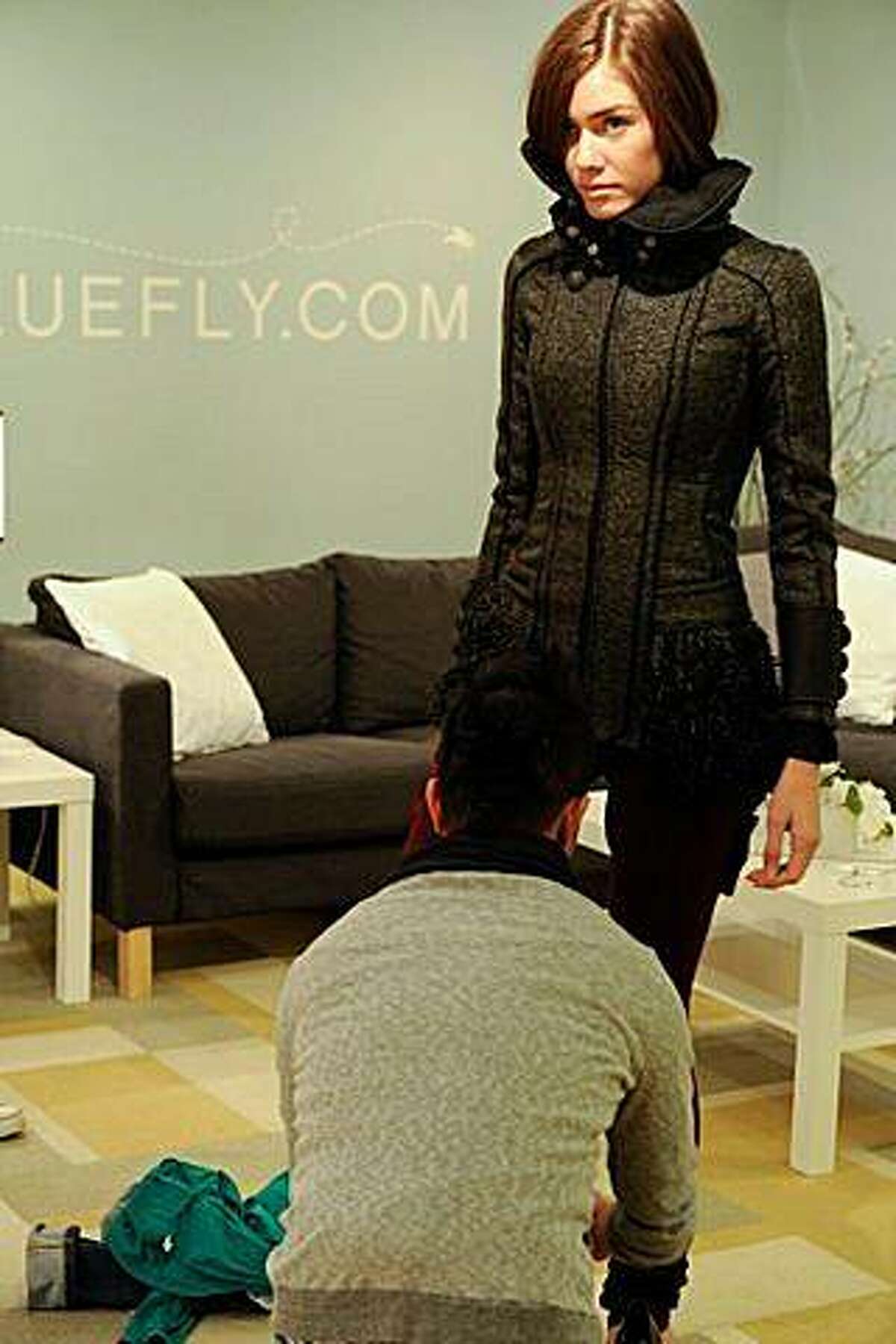
Jay McCarroll, the breakout winner of the very first season of Project Runway in 2004, shifted away from the traditional high-fashion manufacturing model to pursue independent art, textile design, and teaching. While he famously turned down the show's grand prize package due to restrictive contractual obligations, he has continued to work in creative fields on his own terms, occasionally surfacing in design competitions, academic settings, and regional arts programming.
Understanding what happened to Jay McCarroll requires looking back at the genesis of reality television fashion competitions and examining how the industry has evolved. In the early days of reality TV, winners were bound by rigid corporate structures that often clashed with the independent artistic visions of avant-garde designers. McCarroll’s post-show trajectory offers a fascinating case study in how a pioneer of a cultural phenomenon navigated sudden fame, industry backlash, and creative independence long before social media influencers dominated the fashion landscape.
The Genesis of a Reality TV Pioneer
In December 2004, Bravo premiered Project Runway, a reality competition series hosted by Heidi Klum and mentored by Tim Gunn that forever changed the landscape of fashion television. Season 1 was a cultural touchstone, drawing millions of viewers who had never before watched designers draft patterns, select fabrics at Mood, and sweat through tight deadlines.
Jay McCarroll quickly emerged as the breakout star and definitive personality of the season. Armed with a razor-sharp wit, an unapologetic demeanor, and a distinctively theatrical aesthetic, McCarroll captured the audience's attention. His designs were inventive, pushing the boundaries of what viewers expected from commercial fashion. When he presented his final collection at New York Fashion Week—featuring models wearing whimsical, hand-painted textiles and voluminous silhouettes—the judges awarded him the Season 1 title.
However, the victory came with immediate controversy. The prize package included $100,000, a mentorship with Banana Republic, and a production contract. McCarroll ultimately chose to walk away from the official prize package, citing excessively restrictive contracts that he argued compromised his creative freedom and future intellectual property rights. This high-profile dispute set the tone for his relationship with mainstream media and corporate fashion institutions for years to come.
Stepping Away From the Mainstream Fashion Machine
Following his departure from the traditional post-show promotional circuit, McCarroll did not vanish into obscurity, but he did consciously pivot away from the commercial New York fashion week cycle. Instead of launching a mass-market ready-to-wear line backed by corporate investors, he chose to focus on boutique projects, independent textile design, and custom creations.
Operating outside the standard fashion system meant trading massive financial backing for total artistic autonomy. McCarroll explored various creative avenues, including interior design, costume work, and graphic design. He also famously relocated from New York City to rural Pennsylvania, a move that symbolized his rejection of the relentless pace and superficiality of the mainstream fashion industry.
The Shift to Academia and Mentorship
As years passed, McCarroll found a renewed sense of purpose in education and mentorship, channeling his decades of industry experience into shaping the next generation of designers. He took on roles within academic and vocational settings, teaching textile design and fashion construction.
In an educational environment, McCarroll’s unconventional background became an asset rather than a liability. Students benefited from his real-world insights into the realities of garment production, pattern making, and the psychological pressures of the creative industries. By prioritizing teaching over self-branding, he carved out a stable, rewarding niche far removed from the red carpets and flashbulbs of his early television days.
| Era / Phase | Primary Focus | Notable Project / Milestone | Geographic Base |
|---|---|---|---|
| 2004–2005 | Reality Television & Launch | Won Project Runway Season 1 | New York City, NY |
| 2006–2010 | Independent Design | Released independent collections, documentary ("11 Minutes") | Philadelphia / New York |
| 2011–2015 | Multimedia & Teaching | Explored textiles, academic instruction | Pennsylvania |
| 2016–Present | Arts, Craft, & Private Work | Focused on regional arts, private clients, and teaching | Pennsylvania / Greater Philadelphia |
Documenting the Struggle: 11 Minutes
McCarroll’s post-Project Runway life was chronicled in the 2008 independent documentary film 11 Minutes, directed by Michael Selditch and Rob Tate. The film offers an unvarnished look at the grueling process McCarroll undertook to design, produce, and stage an independent fashion show without the backing of the corporate network or the original prize package.
The documentary provides vital context for understanding where McCarroll is today. It illustrates the immense financial risks, logistical hurdles, and emotional tolls independent designers face when trying to break through industry gatekeepers. For viewers wondering why McCarroll did not become a household luxury brand name, 11 Minutes serves as a clear, realistic explanation of the systemic barriers confronting independent creative talent.
Key Milestones in Jay McCarroll’s Career
To trace Jay McCarroll’s path from reality television victor to independent creative, it is helpful to review the consequential events that shaped his professional life:
- Victory on Project Runway (2004): Captured the public imagination and validated avant-garde design on a commercial platform.
- Rejection of the Prize Package (2005): Established a precedent for independent creators standing up against restrictive network contracts.
- Release of 11 Minutes (2008): Documented the gritty reality of independent fashion production.
- Transition to Education (2010s): Pivoted toward teaching textile design and sharing industry craft with students.
- Regional Art and Custom Projects (Present): Continues to work on bespoke creative endeavors away from the glaring spotlight of national media.
Common Questions About Jay McCarroll
Did Jay McCarroll ever launch a major fashion line?
While he designed independent collections and custom pieces following his win, McCarroll did not launch a mass-market retail line. He deliberately chose to avoid the commercial manufacturing agreements that typically follow reality television success, prioritizing creative freedom over corporate scale.
Why did Jay McCarroll turn down the Project Runway prize?
McCarroll declined the official prize package due to restrictive contractual clauses. He expressed concerns that the agreements signed by contestants gave producers excessive control over their future earnings, intellectual property, and creative direction.
Is Jay McCarroll still active in the fashion industry?
He operates largely outside the traditional fashion industry today. While he maintains an appreciation for garment construction and textile arts, his professional energy is focused primarily on teaching, regional arts, and private creative projects.
Where does Jay McCarroll live now?
McCarroll relocated away from the high-pressure environment of New York City, settling in Pennsylvania, where he has spent significant time engaged in regional community arts, education, and quieter creative pursuits.
Did Jay appear on any other reality television shows?
Unlike many reality television alumni who bounce from show to show, McCarroll largely stepped away from the genre. He made occasional guest appearances and retrospective interviews, but he avoided the permanent reality TV circuit, preferring an authentic, private life.
Next Steps and Professional Legacy
For fans looking to revisit his work, streaming Project Runway Season 1 offers a masterclass in early reality competition innovation, while the documentary 11 Minutes provides an honest look at the realities of independent design. Jay McCarroll’s legacy remains that of a trailblazer who proved that true artistic integrity sometimes requires walking away from mainstream validation.