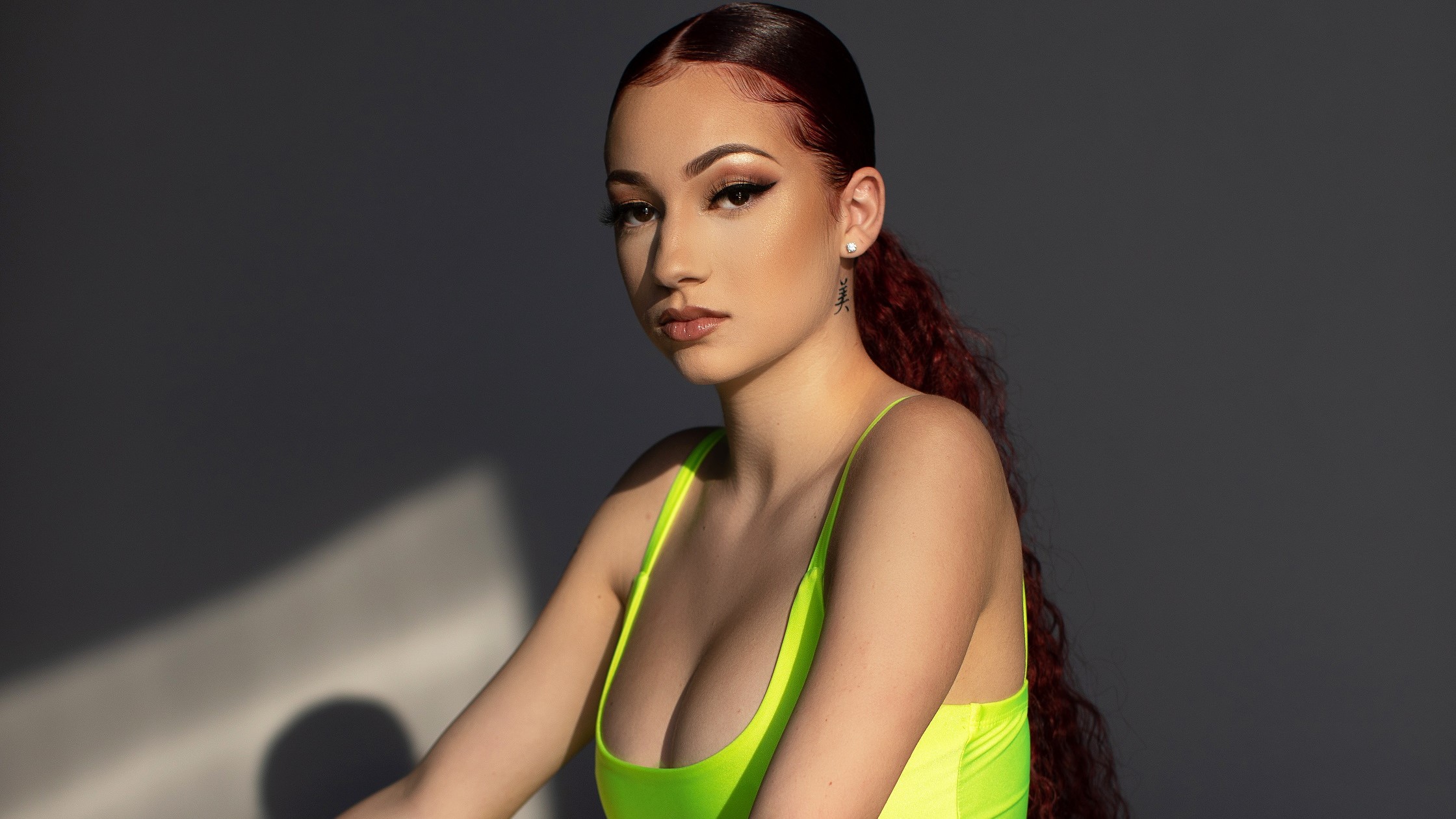
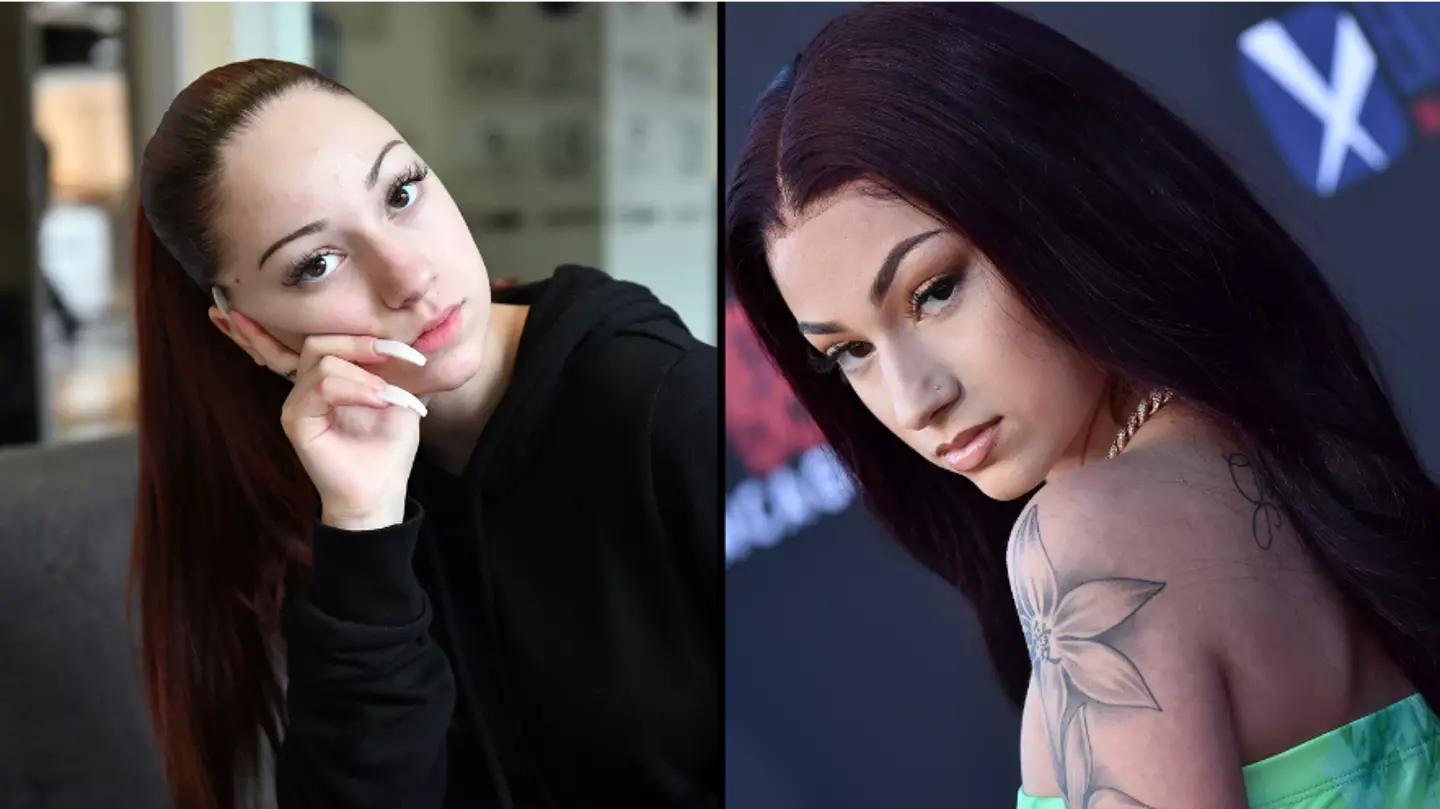
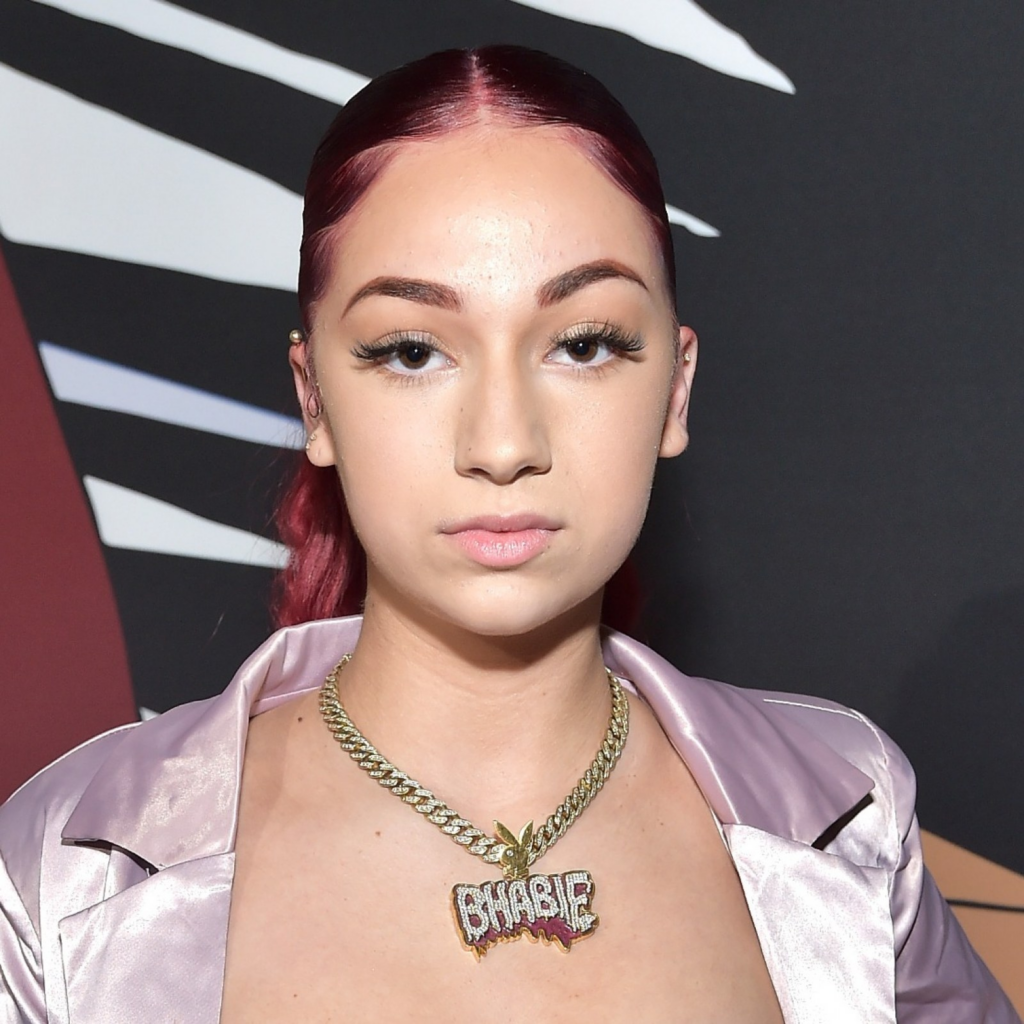
Bhad Bhabie is currently an independent artist, having famously broken away from major label structures like Atlantic Records to manage her own music releases and digital business ventures independently.
The question of who Bhad Bhabie—born Danielle Bregoli—is signed to in the music industry has generated significant public curiosity since her explosive entry into the entertainment world. From her viral origins on The Dr. Phil Show to becoming the youngest female rapper ever to debut on the Billboard Hot 100, Bregoli’s career trajectory has challenged traditional music industry gatekeeping. Understanding her current standing requires looking backward through her record label history, distribution partnerships, and the broader business ecosystem she built around her personal brand.
The Viral Origin and the Path to a Major Label Deal
Long before securing a recording contract, Danielle Bregoli became a pop-culture phenomenon in 2016 through her appearance on The Dr. Phil Show, where her catchphrase "Cash me ousside, how bout dah?" sparked global memes. While many viral sensations fade quickly, talent managers and music executives recognized the immense, albeit polarizing, attention surrounding her.
By 2017, at just 14 years old, Bregoli transitioned into music under the moniker Bhad Bhabie. Her debut single, "These Heaux," released independently, made her the youngest female rapper to debut on the Billboard Hot 100 chart. This unprecedented achievement caught the attention of major record labels eager to monetize her massive social media following. In September 2017, she signed a multi-album recording contract with Atlantic Records, one of the most prominent major labels in the global music industry.
The Atlantic Records Era: Releases, Economics, and Creative Friction
Signing with Atlantic Records provided Bhad Bhabie with access to professional production facilities, high-profile featured artists, mainstream playlisting, and global distribution networks. During her tenure with the label, she released a string of notable singles and collaborations, including "Hi Bich," "Gucci Flip Flops" featuring Lil Yachty, and "Trust Me" featuring Ty Dolla $ign. Several of these tracks achieved RIAA gold and platinum certifications, proving that her music appeal extended beyond mere novelty status.
However, the major label ecosystem comes with complex financial arrangements and contractual constraints. Major labels typically advance funds for recording, marketing, and touring, which artists must recoup from their royalties before seeing substantial profits. For a teenage artist navigating rapid fame, the structural friction of a major label contract eventually prompted a shift in strategy. By the early 2020s, Bregoli’s relationship with Atlantic Records concluded, allowing her to explore total artistic and financial independence.
Transition to Independence and Digital Entrepreneurship
Following the departure from Atlantic Records, Bhad Bhabie did not immediately sign another traditional multi-album contract with a major label. Instead, she leveraged her immense digital footprint—particularly on social media platforms and subscription-based content services like OnlyFans—to fund her career independently.
In the modern music industry, transitioning away from a major label does not mean working in a vacuum. Artists operating independently typically partner with independent music distribution and services companies. These firms handle digital aggregation, streaming platform delivery, marketing logistics, and royalty collection while leaving master ownership and creative control firmly in the hands of the artist. For Bhad Bhabie, this independent model aligned with her broader business ventures, allowing her to retain a vastly higher percentage of her earnings compared to a traditional major label split.
Comparative Overview of Major Labels vs. Independent Models in Hip-Hop
The evolution of Bhad Bhabie’s career highlights the broader shift within the modern music industry, where digital platforms enable artists to bypass traditional gatekeepers. The table below outlines the core differences between the major label system—which defined the early phase of her career—and the independent model she later adopted.
| Operational Feature | Major Label Model (Atlantic Records Era) | Independent Model (Current Status) |
|---|---|---|
| Master Ownership | Label typically retains ownership of master recordings. | Artist retains 100% ownership of masters. |
| Financial Advances | Large upfront capital for recording, marketing, and touring (recoupable). | Self-funded or financed via independent distribution advances. |
| Creative Control | Collaborative or corporate oversight on releases, features, and timelines. | Total autonomy over creative direction, release dates, and imagery. |
| Royalty Split | Artist receives a smaller percentage after recoupment costs. | Artist retains a significantly higher share of streaming and merchandise revenue. |
| Global Infrastructure | Established worldwide radio promotion and physical distribution networks. | Relies on digital aggregators and targeted online marketing. |
Frequently Asked Questions
Is Bhad Bhabie currently signed to Atlantic Records?
No. While Bhad Bhabie signed a prominent multi-album deal with Atlantic Records in 2017 following the success of her early singles, that contract has concluded. She operates independently in the music industry today.
Who distributes Bhad Bhabie’s music now?
As an independent artist, she utilizes independent music distribution and digital service providers to push her tracks to streaming platforms like Spotify and Apple Music, retaining ownership of her master recordings rather than answering to a major label executive board.
What was Bhad Bhabie’s biggest song under a major label?
Her most commercially successful tracks released during her major label partnership include "Hi Bich" and "Gucci Flip Flops" (featuring Lil Yachty), both of which achieved RIAA multi-platinum certifications and accumulated hundreds of millions of streams.
Does Bhad Bhabie still release music?
While her output in the music industry has fluctuated alongside major personal milestones—such as motherhood and expanding her digital business ventures—she continues to manage her creative output on her own terms without a traditional label mandate.
Next Actions and Practical Takeaways
For music industry observers, analysts, and fans tracking artists who transition from major labels to independence, Bhad Bhabie’s career serves as a clear case study in brand monetization. When researching an artist's current industry status, always examine independent distribution credits on streaming platforms rather than relying on outdated Wikipedia pages or historical label announcements. Independent artists frequently partner with digital aggregators while keeping their publishing and master rights protected.