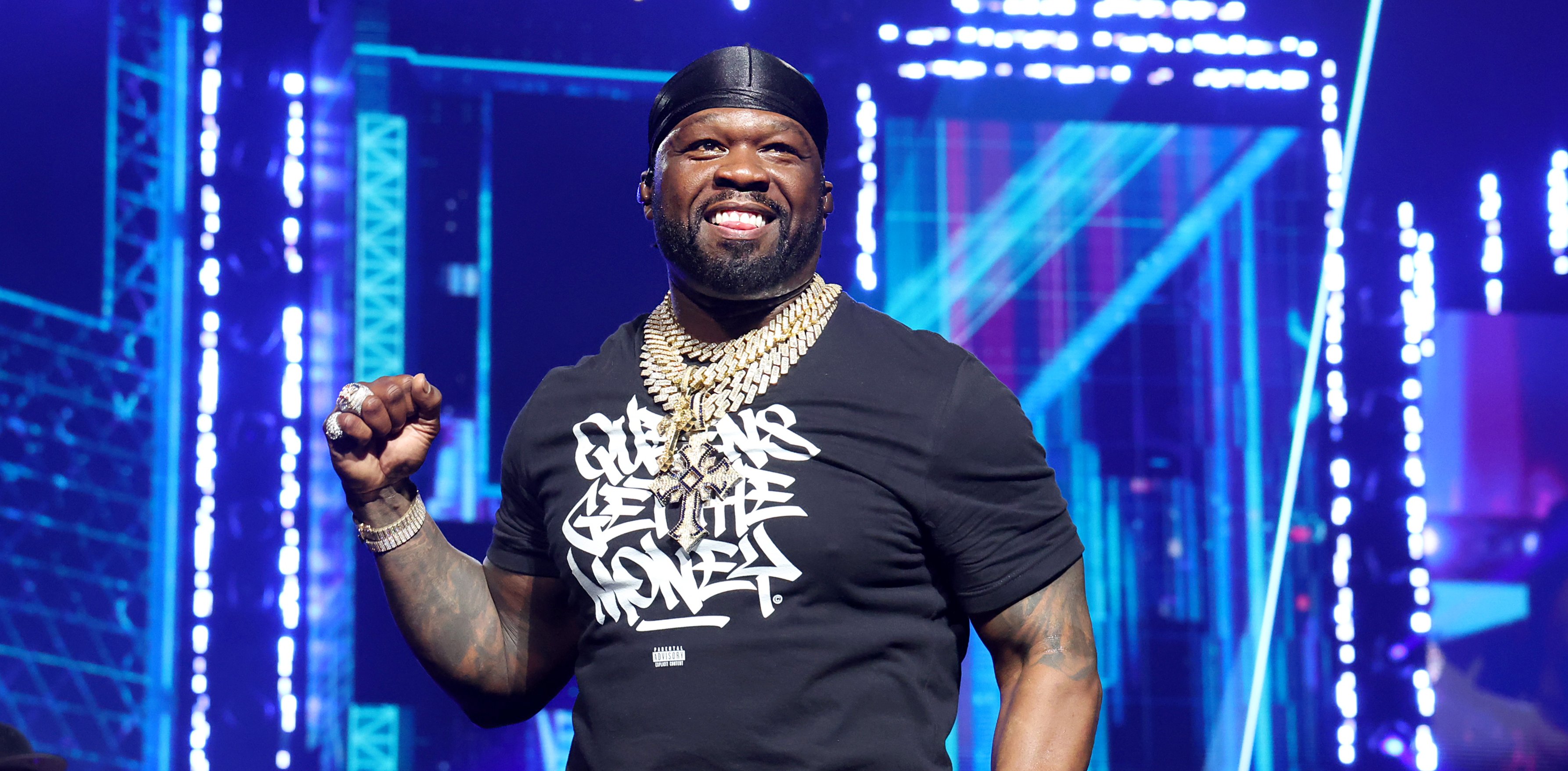
In 2016, 50 Cent’s net worth was a subject of intense legal and public scrutiny following his high-profile Chapter 11 bankruptcy filing in July 2015. While court documents initially estimated his assets at approximately $16 million against debts of $36 million, he successfully navigated a reorganization plan that year, agreeing to pay back $23 million to creditors over five years.
The financial narrative of Curtis "50 Cent" Jackson is one of the most complex in the history of the entertainment industry. Known for his "Get Rich or Die Tryin'" mantra, Jackson's transition from a multi-millionaire mogul to a bankruptcy petitioner in 2015-2016 shocked the public. However, the 2016 period was not a story of total ruin but rather a calculated strategic move to reorganize massive legal debts while maintaining a lucrative career in television and brand endorsements. Understanding his net worth in 2016 requires looking past the headlines and examining the specific court filings, legal judgments, and business assets that defined his financial standing during that pivotal year.
The Catalyst for the 2016 Financial Crisis
To understand 50 Cent's net worth in 2016, one must first identify the three massive legal blows that led to his Chapter 11 filing. These were not the result of a lack of income, but rather of specific, high-cost litigation that threatened his overall liquidity.
The Sleek Audio Judgment
The most significant weight on Jackson’s 2016 balance sheet was a failed partnership with Sleek Audio. After a deal to produce "Sleek by 50" headphones fell through, Jackson moved forward with his own line, SMS Audio. Sleek Audio sued, alleging trade secret theft and breach of contract. In 2014, an arbitrator awarded Sleek Audio more than $17.2 million. This judgment remained a primary liability throughout 2016.
The Lastonia Leviston Lawsuit
Concurrent with the Sleek Audio debt, Jackson was embroiled in a lawsuit involving Lastonia Leviston. In 2015, a jury awarded Leviston $5 million in damages (later increased with punitive damages) after Jackson posted a sex tape of her online without her consent. This legal loss was the immediate trigger for his bankruptcy filing, as it occurred just days before he was meant to testify about his assets.
The SunTrust Bank Debt
Jackson also held significant commercial debt. In 2016, court documents revealed he owed SunTrust Bank approximately $1.37 million. While smaller than the legal judgments, this added to the mounting pressure that necessitated a court-ordered reorganization of his finances.
Analyzing the 2016 Bankruptcy Filings
In 2016, the legal transparency required by Chapter 11 provided a rare, unfiltered look at a celebrity's actual finances. Unlike the speculative "Net Worth" lists often found in magazines, these court-verified figures showed a stark difference between perceived wealth and actual liquid assets.
Reported Assets and Liquid Capital
In his initial 2015-2016 filings, Jackson claimed his assets were valued between $10 million and $50 million, but his liquid cash was significantly lower. He reported a monthly income of approximately $184,000, which largely came from royalties and interest. However, his monthly expenses were nearly $108,000, leaving a smaller-than-expected margin for a man of his stature.
Real Estate Holdings
A major portion of his 2016 valuation was tied up in his 50,000-square-foot mansion in Farmington, Connecticut. Formerly owned by Mike Tyson, the 52-room estate was both an asset and a massive liability. In 2016, Jackson was paying roughly $67,000 per month just to maintain the property, including $18,000 for utilities and $5,000 for gardening. The mansion was eventually listed for sale at various price points, but its high maintenance costs drained his monthly cash flow throughout the 2016 calendar year.
The Reorganization Plan of July 2016
A turning point occurred in July 2016 when U.S. Bankruptcy Judge Nevins approved Jackson’s reorganization plan. Under this plan, Jackson was required to pay an initial $7.4 million in cash to his creditors, followed by annual payments over five years. The total repayment amount was settled at roughly $23 million. For many financial analysts, this moment defined his 2016 net worth: he was technically "in the red" regarding immediate debt, but he possessed the future earning power to satisfy a $23 million obligation.
50 Cent's 2016 Business Portfolio and Revenue Streams
Despite the bankruptcy proceedings, 50 Cent remained an active entrepreneur in 2016. His income streams during this period were vital to the success of his court-mandated repayment plan.
| Business Entity / Asset | Primary Revenue Source in 2016 | Estimated Status |
|---|---|---|
| G-Unit Records | Music royalties and back catalog | Active / Steady Income |
| Starz / "Power" | Executive Producer and Acting Salary | Rapid Growth |
| EFFEN Vodka | Endorsement and Minority Stake | High Performance |
| SMS Audio | Consumer Electronics / Headphones | Struggling / Legal Disputes |
| Frigo RevolutionWear | Luxury Underwear Endorsement | Active |
| Franchise Investments | Various (e.g., minor tech stakes) | Diversified |
The Rise of "Power" on Starz
By 2016, the television series Power had become a massive hit for the Starz network. As both an executive producer and a lead actor (playing Kanan Stark), Jackson secured a steady, multi-million dollar salary. This career pivot was essential; it proved to the bankruptcy court that he was not a "washed-up" artist but a growing force in the television industry. The success of Power provided the leverage needed to negotiate the $23 million settlement.
The EFFEN Vodka Partnership
In 2016, Jackson was heavily promoting EFFEN Vodka. While he frequently touted his ownership stake on social media, the exact nature of the deal was a subject of debate in bankruptcy court. He was largely seen as a brand ambassador with an equity stake. This partnership allowed him to maintain a luxury image while technically undergoing financial reorganization.
The Strategy of Celebrity Bankruptcy
It is important to note that Jackson’s 2016 bankruptcy was a Chapter 11 filing, not a Chapter 7 liquidation. In a Chapter 11 proceeding, the debtor keeps their assets and continues their business operations while restructuring their debts.
Professional Guidance and Wealth Management
From a 2026 perspective, we can see that Jackson used 2016 as a "financial reset." By filing for bankruptcy, he was able to cap his legal liabilities and stop the accrual of interest on the massive judgments against him. It allowed him to protect his future earnings from being immediately seized by Sleek Audio or Lastonia Leviston.
The "Instagram Money" Controversy
In early 2016, Jackson faced scrutiny from Judge Nevins after posting photos on Instagram featuring stacks of cash that spelled out the word "BROKE." This led to a court hearing where Jackson had to explain that the money was prop cash used for promotional purposes. This incident highlighted the tension between his public persona (which required the appearance of extreme wealth) and his legal status (which required the appearance of insolvency).
50 Cent's Net Worth: 2016 vs. Pre-Crisis Peaks
To put the 2016 figure in context, one must look back at his 2007 peak. After the sale of Vitamin Water (Glaceau) to Coca-Cola, Jackson reportedly walked away with a figure between $60 million and $100 million after taxes. By 2016, that windfall had been largely spent on lifestyle maintenance, bad investments like SMS Audio, and the aforementioned legal battles.
While Forbes had previously estimated his net worth at $155 million in early 2015, the 2016 court documents suggested a much more modest reality. When accounting for his $23 million in court-ordered debt and his approximately $20 million in tangible assets (including real estate and business equity), his "paper" net worth in 2016 was effectively near zero or negative, though his brand value remained worth millions.
Frequently Asked Questions
Did 50 Cent lose all his money in 2016?
No. Under Chapter 11 bankruptcy, he was allowed to keep his assets, including his homes and business interests, provided he followed a court-approved plan to pay back his creditors. He continued to earn millions through his TV show Power and brand endorsements during this time.
How much was 50 Cent’s debt in 2016?
At the height of the proceedings in 2016, his total debt was estimated at approximately $36 million. However, through the reorganization plan approved in July 2016, this was settled for a total repayment of $23 million to be paid over five years.
Was the 50 Cent bankruptcy a PR stunt?
While some critics argued it was a move to avoid paying legal judgments, bankruptcy is a serious legal process with long-term credit implications. Jackson himself described it as a strategic "reorganization" of his business affairs, similar to how large corporations use Chapter 11 to protect themselves from overwhelming litigation.
How did the Vitamin Water deal affect his 2016 net worth?
The Vitamin Water deal occurred in 2007 and provided the bulk of his early wealth. By 2016, much of that liquidity had been depleted or tied up in non-liquid assets. However, the reputation of that deal helped him maintain credibility as a "business mogul" even during his bankruptcy.
What was the most expensive asset 50 Cent owned in 2016?
His primary asset was his 50,000-square-foot mansion in Farmington, Connecticut. At the time, it was valued between $6 million and $8 million, though it proved difficult to sell and cost over $800,000 annually in maintenance and taxes.
Practical Lessons from 50 Cent’s 2016 Financial Status
For those analyzing 50 Cent's financial journey from the vantage point of 2026, the 2016 period serves as a masterclass in risk management and the dangers of litigation.
- Liquidity vs. Net Worth: Having $50 million in assets is not the same as having $50 million in the bank. Jackson’s 2016 crisis was largely a liquidity crisis—he had high-value assets but not enough cash to pay off massive, immediate legal judgments.
- The Impact of Legal Liability: A single lawsuit (like the Sleek Audio or Leviston cases) can jeopardize decades of wealth accumulation. Professional insurance and rigorous legal compliance are essential for high-net-worth individuals.
- Strategic Recovery: Jackson’s ability to use his television career (Power) to bridge the gap between bankruptcy and financial stability shows the importance of diversifying income streams.
If you are managing high-value assets or facing complex debt, the 2016 50 Cent case highlights the necessity of early legal intervention and the use of Chapter 11 as a tool for financial survival rather than a sign of total failure. Consulting with a specialized bankruptcy attorney or a wealth management firm is the recommended next action for anyone facing similar high-stakes financial reorganization.