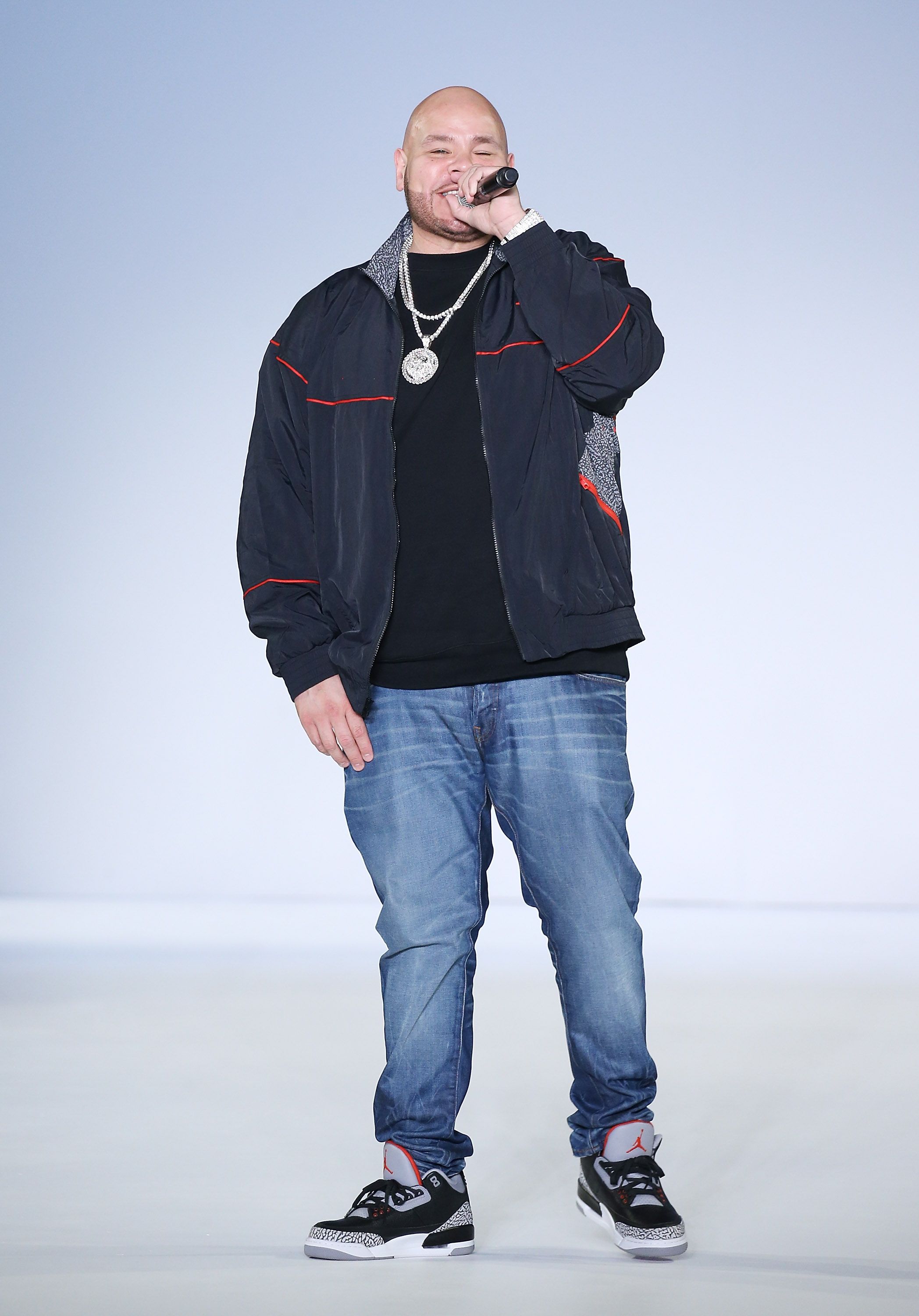
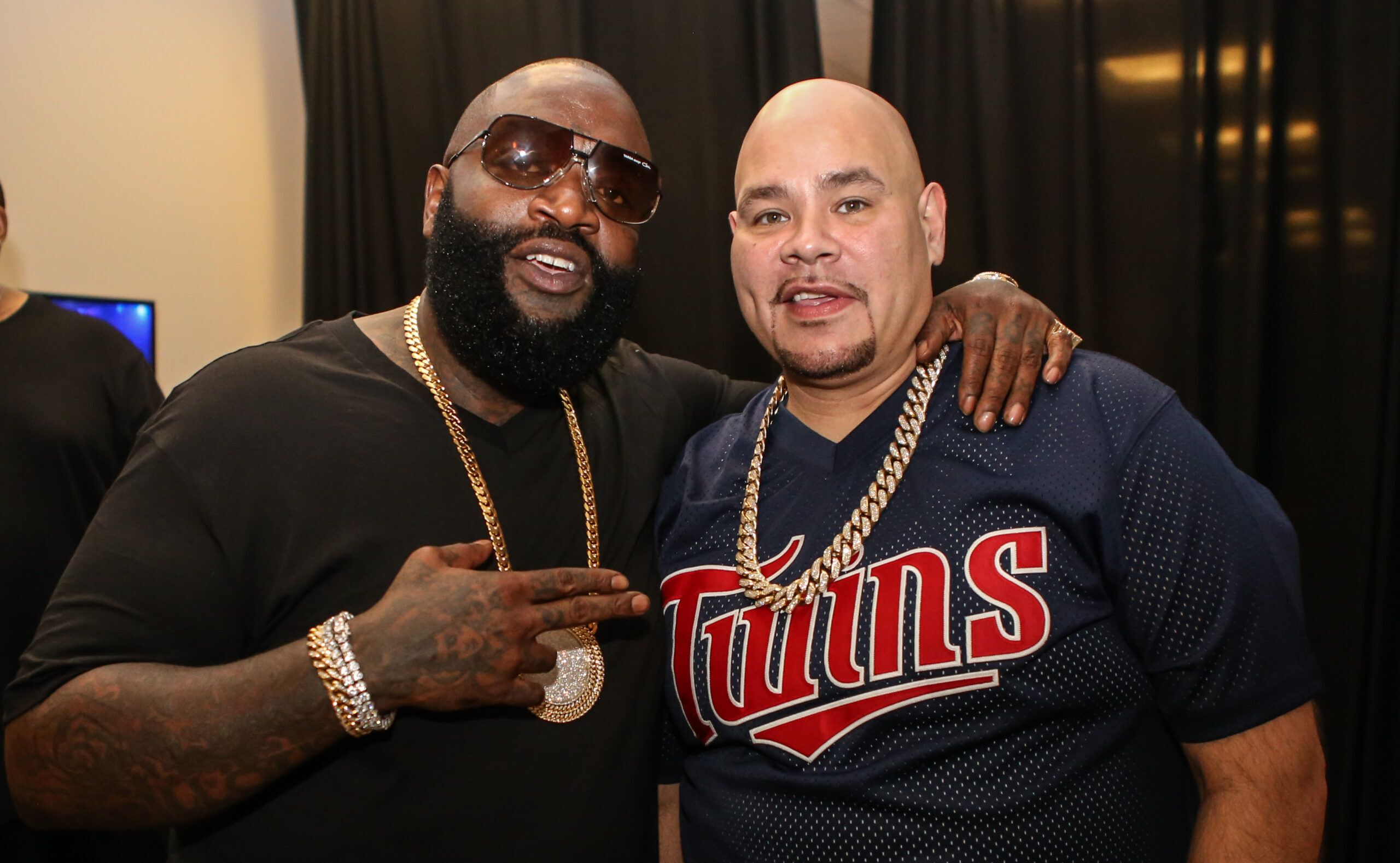
The legendary feud between 50 Cent and Fat Joe was sparked in 2004 when Fat Joe collaborated with 50 Cent’s archrival, Ja Rule, on the hit track "New York." Interpreting the collaboration as an act of war, 50 Cent unleashed an eight-year cross-borough conflict marked by vicious diss records, award-show altercations, and psychological warfare before the rivals reconciled in 2012.
The Origins: A Proxy War Sparked by "New York"
To understand why Curtis "50 Cent" Jackson targeted Joseph "Fat Joe" Cartagena, one must examine the climate of mid-2000s hip-hop. By 2004, 50 Cent had completely shifted the commercial rap landscape following the record-breaking release of his 2003 debut album, Get Rich or Die Tryin'. His meteoric rise was fueled not only by unmatched melodic hooks and Dr. Dre production but also by an uncompromising scorched-earth policy toward his enemies—chief among them Ja Rule and Irv Gotti’s Murder Inc. imprint.
50 Cent operated under a binary street doctrine: you were either with G-Unit or you were against them. There was no neutral ground in New York rap.
In late 2004, Ja Rule released the single "New York" from his sixth studio album, R.U.L.E. The track, intended as an anthem for the five boroughs, featured guest verses from two lyrical heavyweights: The LOX's Jadakiss (representing Yonkers) and Terror Squad's Fat Joe (representing the South Bronx). To the casual music fan, the collaboration was a regional celebration. To 50 Cent, it was a public declaration of allegiance to his primary enemy.
50 Cent viewed the participation of Fat Joe and Jadakiss as an endorsement of Murder Inc. While Jadakiss attempted to defend his appearance as merely business, Fat Joe stood firm on his loyalty to his personal relationships, refusing to seek approval from the South Jamaica, Queens native. That artistic boundary line set off nearly a decade of hostility between two of rap's most imposing figures.
The Sonic Warfare: "Piggy Bank" and the Lyrical Escalation
In March 2005, 50 Cent released his sophomore commercial titan, The Massacre. Tucked away at track five was "Piggy Bank," an aggressive warning shot directed at anyone 50 Cent perceived as aiding his rivals. Over a menacing, mid-tempo beat, 50 Cent systematically dismantled multiple industry peers, including Nas and Kelis, but reserved his sharpest venom for Fat Joe:
"That fat n***a thought 'Lean Back' was 'In Da Club' / My shit sold eleven mill, his shit was a dud / Talkin' about you rollin' with your 'thugs' / We put a hole in your skull, n***a, leave you in the mud."
50 Cent mocked the commercial success of Fat Joe’s multi-platinum Terror Squad smash hit "Lean Back," contrasting Joe's career numbers with his own Diamond-level sales metrics. The video for "Piggy Bank" added visual insult to lyrical injury, featuring an animated caricature of Fat Joe as a punch-drunk, morbidly obese boxer stumbling around the ring.
Timeline of Key Conflict Milestones: 2004: Release of Ja Rule's "New York" featuring Fat Joe & Jadakiss 2005: 50 Cent drops "Piggy Bank"; Fat Joe fires back with "My FoFo" 2005: The MTV Video Music Awards incident at the American Airlines Arena 2008: Release of Fat Joe's "Elephant in the Room" and continuing street tension 2009: 50 Cent shifts to digital antagonism (ThisIs50 era) targeting Fat Joe's associates 2012: The death of manager Chris Lighty; joint BET Hip Hop Awards tribute and truce
Fat Joe wasted no time answering. Within days, the Terror Squad boss dropped "My FoFo" (a reference to a .44 caliber handgun). Joe attacked 50 Cent’s street credibility, claiming that 50 was reliant on heavy police protection and was abusing performance-enhancing drugs to build his sculpted physique:
"Is it me or New York City, or does 50 look sweet? / I guess he ain't mad at Ja no more, he mad at the streets... / Steroid head, you look like a monster / Running to the cops, boy, you're an impostor."
Unlike Ja Rule, whose public image had taken catastrophic hits during his back-and-forth with G-Unit, Fat Joe commanded deep, authentic respect across New York's underground networks. He did not back down, ensuring that the beef quickly escaped the confines of recording booths.
Public Altercations: The 2005 MTV Video Music Awards
The tension reached a national boiling point on August 28, 2005, at the MTV Video Music Awards held at the American Airlines Arena in Miami, Florida. The event marked one of the few occasions during the feud where both factions were physically in the same building without legal barriers keeping them separated.
While presenting an award on stage, Fat Joe took an unscripted swipe at 50 Cent's heavy security presence, telling the global television audience:
"I feel safe with all the police protection courtesy of G-Unit."
Backstage, chaos erupted. 50 Cent was furious. Later in the broadcast, while 50 Cent and G-Unit were performing on stage, 50 broke protocol during an untelevised commercial transition. He aggressively stalked the perimeter of the stage, directed expletives at Fat Joe, and motioned for a direct confrontation. Video security crews, venue personnel, and label executives scrambled to prevent a massive brawl between G-Unit and Terror Squad members seated in the lower bowl.
The incident showcased how real the animosity had become. It was no longer a record-label marketing ploy; it had morphed into a personal grudge involving street reputations, security teams, and institutional anxiety within the music industry. Promoters began refusing to book both artists on the same festival rosters, and radio stations in New York, such as Hot 97, had to navigate internal factional divides among on-air personalities.
Psychological Tactics and the Digital Era
As hip-hop moved toward the late 2000s, 50 Cent transformed hip-hop beef into a digital media campaign. Recognizing the decline of physical mixtape CDs, 50 launched the platform ThisIs50 and began utilizing early digital video blogs to humiliate his opponents.
While Fat Joe focused primarily on traditional diss tracks and radio appearances—releasing songs like "Massacre of Fifty" and using mixtape platforms to question 50 Cent’s character—50 Cent employed psychological and relational warfare.
50 Cent frequently attacked the business structure of Terror Squad, pointing to the departures of artists like Remy Ma and claiming that Joe was financially exploiting his roster. The attacks expanded to adjacent industry figures. When DJ Khaled, an affiliate of Fat Joe and Terror Squad, was pulled into the perimeter of the feud, 50 Cent pushed past conventional boundaries by tracking down and filming Khaled’s mother at her workplace in an infamous, unsettling web video.
Fat Joe countered by aligning himself with other prominent rappers who had fallen out with 50 Cent, including The Game and Rick Ross. The hip-hop ecosystem effectively splintered into competing alliances, creating an environment where radio stations, club promoters, and festival organizers had to pick a side.
Key Diss Records and Strategic Moves
The dispute yielded a distinct catalog of tracks that highlighted the opposing stylistic strengths of both artists: 50 Cent’s melodic, hook-driven disrespect versus Fat Joe’s aggressive, hard-hitting, East Coast street cadence.
| Track Name | Primary Artist | Year Released | Core Target / Narrative Angle | Cultural & Strategic Impact |
|---|---|---|---|---|
| "New York" | Ja Rule ft. Fat Joe & Jadakiss | 2004 | Regional anthem; not inherently anti-50 Cent, but featured his main rival. | Served as the direct catalyst for 50 Cent declaring war on Fat Joe. |
| "Piggy Bank" | 50 Cent | 2005 | Mocked Fat Joe's weight, record sales, and street posture. | Cemented 50 Cent's willingness to fight multiple rap icons at the same time. |
| "My FoFo" | Fat Joe | 2005 | Alleged steroid use, police protection, and fabricated street narratives. | Showed that Terror Squad would not capitulate or suffer Murder Inc.'s fate. |
| "I Run NY" | 50 Cent ft. Tony Yayo | 2005 | Territorial claim asserting G-Unit's absolute dominance over New York. | Reenforced 50 Cent's commercial leverage over older, established NY artists. |
| "Massacre of Fifty" | Fat Joe | 2005 | Underground mixtape assault targeting 50 Cent's character and crew. | Energized Fat Joe’s street base and fortified his core urban audience. |
| "Southside Nigga Pt. 2" | Fat Joe | 2008 | Attacked 50 Cent's legacy and continued claims of disloyalty to hip-hop. | Kept the feud active during the late 2000s digital shift. |
The Financial and Business Toll of the Rivalry
While rap rivalries frequently generate headlines and brief streaming or sales boosts, extended street beefs carry severe commercial liabilities. In subsequent years, both 50 Cent and Fat Joe have spoken candidly about the millions of dollars the hostility cost them behind closed doors.
Corporate brands and multinational advertisers routinely distance themselves from violent conflicts. During the peak of the feud, both artists were pursuing major corporate endorsements:
- 50 Cent was building his empire around Vitamin Water, audio hardware, and film projects.
- Fat Joe was a sought-after cultural ambassador representing the intersection of hip-hop and Latino urban markets, negotiating sneaker licenses, lifestyle clothing lines, and global tours.
Major footwear companies, consumer electronics firms, and beverage brands frequently canceled collaborative ventures with both artists out of fear that cross-borough violence might occur at promotional events. Travel logistics were complicated by venue insurability problems; arenas could not secure affordable liability policies if both artists or their associates were scheduled to appear in the same market.
The friction also took an emotional toll on mutual friends and executives in the hip-hop industry. The most prominent figure caught in the crossfire was legendary manager Chris Lighty.
The Peacemaker: Chris Lighty and the 2012 Truce
Chris Lighty was the founder of Violator Management and arguably the most important operational executive in modern hip-hop history. Lighty had guided the careers of a staggering roster: LL Cool J, A Tribe Called Quest, Busta Rhymes, Missy Elliott, and crucially, both Fat Joe and 50 Cent.
For years, Lighty had tried to broker an understanding between his two superstar clients. He managed 50 Cent through G-Unit’s unprecedented commercial run, while simultaneously maintaining a decade-long fraternal bond with Fat Joe. The personal tension between his two marquee acts put an immense emotional strain on Lighty, as both men were fiercely loyal to him, yet violently opposed to each other.
On August 30, 2012, tragedy struck the hip-hop community when Chris Lighty died from an apparent self-inflicted gunshot wound outside his Bronx home at the age of 44. His sudden passing sent shockwaves through the music industry and served as an immediate, sobering reality check for both artists.
Shortly after Lighty's death, at the 2012 BET Hip Hop Awards in Atlanta, a tribute performance was organized to honor his life and impact. The organizers faced a delicate question: how could they celebrate Lighty's legacy without the two biggest stars he helped create?
Executive Mona Scott-Young and other associates approached both artists with a direct appeal: set aside the anger for one night to honor the man who changed both of their lives.
In a moment that stunned the audience, 50 Cent and Fat Joe walked out onto the stage together. They did not trade barbs or engage in posturing; they stood shoulder-to-shoulder, sharing a public embrace that signaled the definitive end of their eight-year war.
Stages of Reconciliation: [1] August 2012: The sudden passing of mutual manager Chris Lighty. [2] September 2012: Backstage agreement at the BET Hip Hop Awards in Atlanta. [3] Broadcast Truce: Shared stage during the Violator tribute performance. [4] Business Diplomacy: Collaborative interviews, podcast discussions, and mutual praise.
Contemporary Relationship and Lessons Learned
Since that night in 2012, 50 Cent and Fat Joe have developed an authentic mutual respect. Far from merely tolerating one another, the two have become regular supporters of each other's entrepreneurial and entertainment ventures.
Fat Joe has frequently discussed the dispute on his popular digital platforms and during appearances on Drink Champs, openly acknowledging 50 Cent's singular work ethic, comedic talent, and television dominance with the Power universe. Similarly, 50 Cent has publicly praised Fat Joe's longevity, survival instincts, and cultural contributions to New York hip-hop.
Their eventual peace serves as one of hip-hop's most constructive case studies:
- The Trap of Guilt by Association: The beef demonstrated how quickly secondary affiliations (Fat Joe simply working with Ja Rule) can trigger destructive collateral conflicts.
- The Limits of Corporate Tolerance: The rivalry proved that sustained, real-world hostility caps artist revenue, alienating mainstream brand partners and corporate stakeholders.
- The Power of Shared Respect: Without the intervention and memory of Chris Lighty, the beef could easily have escalated into tragedy. Instead, both men used their maturity to show that pride does not have to result in violence.
Today, their relationship is a blueprint for younger generations in hip-hop. In an era where regional and online rap feuds often spill over into real-world violence and tragic deaths, 50 Cent and Fat Joe proved that two of the most uncompromising, heavily armed camps in rap history could walk back from the edge of the cliff and prosper as senior statesmen of the culture.
Frequently Asked Questions
What exact song started the beef between 50 Cent and Fat Joe?
The feud was ignited by Ja Rule’s 2004 single "New York," which featured guest verses from Fat Joe and Jadakiss. 50 Cent took offense to Fat Joe collaborating with his primary enemy, viewing it as taking sides in their feud. 50 Cent responded directly in 2005 with the diss track "Piggy Bank" on his album The Massacre, formally launching the conflict.
Did 50 Cent and Fat Joe ever physically fight?
No documented physical brawl occurred directly between 50 Cent and Fat Joe, though their entourages were involved in several high-tension confrontations. The closest the two came to an open physical brawl was backstage at the 2005 MTV Video Music Awards in Miami, where Fat Joe made on-stage remarks about 50 Cent's police protection, causing 50 Cent to storm the stage during an untelevised commercial break.
Why did Chris Lighty’s death end the beef?
Chris Lighty was the founder of Violator Management and managed both 50 Cent and Fat Joe. He had spent years attempting to mediate their issues. When Lighty passed away unexpectedly in August 2012, both artists realized how meaningless their hostility was compared to the loss of the man who helped engineer their careers. They publicly reconciled during a tribute performance to Lighty at the 2012 BET Hip Hop Awards.
How much money did the beef cost both artists?
While an exact total cannot be verified through accounting records, both 50 Cent and Fat Joe have stated in retrospective interviews that the dispute cost them millions of dollars. The conflict led corporate brands, apparel companies, and live music promoters to pull out of high-paying endorsements and joint arena tours out of fear of violent incidents.
Are 50 Cent and Fat Joe friends today?
Yes. Since their 2012 reconciliation, 50 Cent and Fat Joe have maintained a positive, professional relationship. They regularly speak highly of each other in interviews, support each other's business ventures in television and media, and have appeared together on podcasts and public panels reflecting on their history.
Final Takeaway and Next Actions
The rivalry between 50 Cent and Fat Joe remains one of the definitive rap conflicts of the 2000s—a clash of boroughs, egos, and business empires that showed both the destructive power of rap feuds and the power of reconciliation.
If you are a music historian, content creator, or hip-hop enthusiast looking to explore this era further:
- Listen to the discography in sequence: Trace the narrative arc by listening to Ja Rule's "New York" (2004), 50 Cent's "Piggy Bank" (2005), and Fat Joe's "My FoFo" (2005).
- Watch the historical footage: Review the broadcast footage of the 2005 MTV VMAs and the 2012 BET Hip Hop Awards tribute to Chris Lighty to observe the tangible shift in body language, tone, and cultural maturity between the two icons.