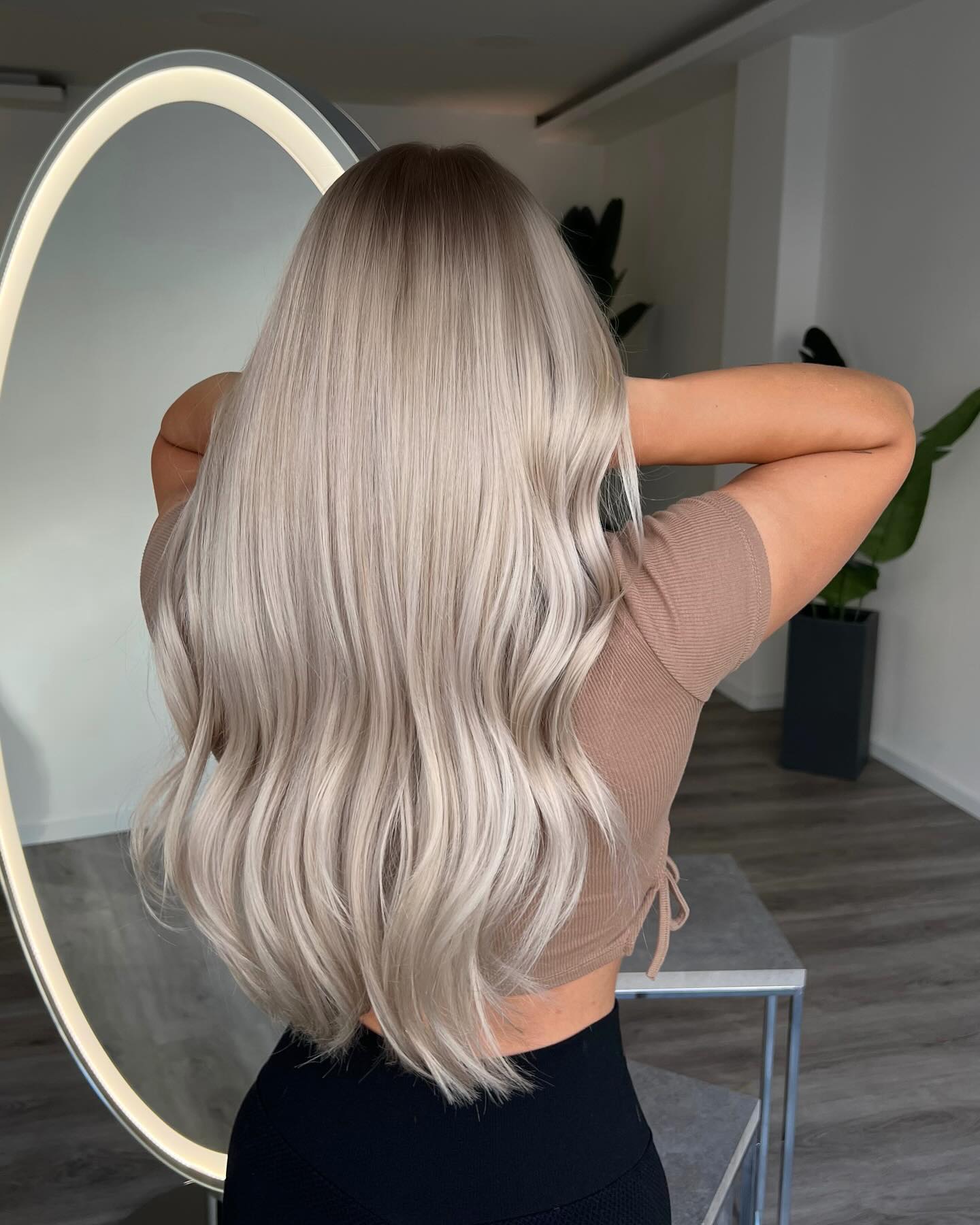
The year brought a distinct shift in hair coloring, balancing high-maintenance luxury with low-maintenance, lived-in textures, rich dimension, and warm undertones that complemented natural skin tones. From the unexpected viral popularity of Cowboy Copper to the resurgence of rich, dimensional dark chocolates and subtle, sophisticated blondes, these palettes defined the modern approach to personal style.
Introduction to the Palette of the Year
The evolution of hair coloring has shifted toward personalization, skin-tone harmony, and long-term hair health. Rather than relying on stark, single-process blocks of color or harsh bleach applications, colorists and clients alike embraced techniques that mimic natural sun-kissed lighting, shadow roots, and multi-tonal richness. This shift reduced overall damage and extended salon maintenance cycles, aligning with a broader consumer desire for sustainable routines and elevated everyday elegance.
Examining these trends requires looking past the surface names to understand the technical formulation, the undertones, and the upkeep required for each look. Whether shifting from a cool ash blonde to a rich, warm brunette or experimenting with coppers and reds, understanding the chemical and physical commitment helps ensure the chosen style suits both lifestyle and hair integrity.
The Dominant Red and Copper Variations
Red hair experienced a monumental year, moving away from bright, unnatural cherry tones toward earthy, sophisticated copper and terracotta hues. These shades offered immense versatility, adapting to both fair and deep complexions through careful calibration of warmth and depth.
Cowboy Copper
Cowboy Copper emerged as one of the definitive breakout trends. Unlike traditional, vibrant copper shades that lean heavily toward orange, Cowboy Copper combines rich red-brown undertones with a slightly dusty, earthy quality. This makes it significantly more wearable for those transitioning from darker shades.
- Undertones: Balanced mix of copper, golden blonde, and neutral brown.
- Maintenance: Moderate; reds fade quickly, requiring color-depositing shampoos or gloss treatments every 4 to 6 weeks.
- Best Suited For: Warm and neutral skin tones, though cool skin tones can wear it by adjusting the golden ratio to avoid looking washed out.
Terracotta and Amber Gloss
For individuals seeking a deeper, more saturated red without the intense brightness of a fire-engine tone, terracotta and amber gloss treatments provided a translucent, multi-dimensional finish. These options often utilized semi-permanent glosses to impart shine and temporary pigment over pre-lightened hair, minimizing structural damage.
Dimensional Brunettes and Espresso Shades
Brunette hair moved far beyond flat, single-process dark brown. Dimensional techniques such as "expensive brunette," espresso ribboning, and subtle face-framing balayage introduced depth, movement, and a high-gloss finish that screamed luxury.
Expensive Brunette
The "expensive brunette" trend focused heavily on multi-tonal richness, incorporating lowlights and highlights that were only one to two shades apart from the base color. This technique eliminated brassiness and created a glossy, light-reflecting finish reminiscent of natural virgin hair treated with high-end glossing glosses.
- Technique: Fine baby-lights combined with lowlights to create micro-dimension.
- Upkeep: Low to moderate; because the highlights are close to the natural base, root lines grow out seamlessly.
- Key Consideration: Requires regular in-salon gloss treatments to maintain the signature glass-like shine.
Espresso and Truffle Mousse
Deeper brunettes gravitated toward cool-toned espresso and warm truffle hues. These shades relied on a dark, grounding base with subtle espresso or milk-chocolate ribbons woven through the mid-lengths and ends to prevent the hair from appearing heavy or one-dimensional.
Blondes: Transitioning from Ice to Butter and Cashmere
While icy, platinum blondes held dominance for several seasons, the palette pivoted toward softer, warmer, and more textural blonde expressions. Cashmere blonde, mushroom blonde, and buttery tones took center stage.
Cashmere and Butter Blonde
Moving away from stark, bleached platinum, cashmere blonde offered a neutral, soft, multi-tonal finish that balanced warm and cool pigments. It resembled the soft, luxurious texture of cashmere wool, blending creamy highlights with a slightly darker, shadowed root to soften the grow-out phase.
- Formulation: A mix of neutral beige and soft gold highlights.
- Maintenance: High; requires purple shampoos, regular toner refreshes, and bond-building treatments to maintain hair health after lightening.
- Target Audience: Naturally lighter bases or those already accustomed to heavy lightening maintenance.
Mushroom Blonde
For those who preferred cooler aesthetics without the maintenance of platinum, mushroom blonde provided an earthy blend of ash-brown and soft blonde lowlights. This smoky, multidimensional option suited individuals who found traditional golden blondes too warm for their complexions.
Comparison of Shades, Maintenance, and Maintenance Effort
| Shade Category | Primary Undertones | Upkeep Level | Best Skin Tone Match | Typical Salon Visit Frequency |
|---|---|---|---|---|
| Cowboy Copper | Copper, Brown, Gold | Moderate | Warm, Neutral | 4 – 6 Weeks |
| Expensive Brunette | Rich Brown, Neutral Gold | Low - Moderate | Universal | 8 – 12 Weeks |
| Cashmere Blonde | Creamy Beige, Soft Gold | High | Fair, Cool, Neutral | 6 – 8 Weeks |
| Mushroom Blonde | Ash, Cool Brown, Beige | Moderate | Cool, Olive | 6 – 8 Weeks |
| Cherry Cola | Deep Violet, Red, Dark Brown | High | Cool, Deep | 4 – 6 Weeks |
Technical Considerations: Maintaining Hair Health and Color Integrity
Achieving any of these trending shades requires a thorough understanding of hair history, porosity, and structural integrity. Transforming dark hair to copper or blonde demands chemical processing that breaks down natural melanin, which can compromise the cuticle if not managed correctly.
The Role of Bond-Building Treatments
Modern coloring techniques are rarely performed without integrated bond-building technologies (such as Olaplex or K18). These chemical additives repair broken disulfide bonds within the hair shaft during the coloring process, drastically reducing breakage and improving elasticity. When requesting these trends, consulting with a colorist about incorporating bond builders is essential for preserving hair quality.
Managing Porosity and Fading
Porous hair—often caused by previous chemical services or heat styling—absorbs color unevenly and releases pigment rapidly. To combat this:
- Pre-treatments: Use protein-rebalancing treatments prior to major color shifts.
- At-home care: Invest in sulfate-free cleansers and pH-balancing conditioners.
- Water filtration: Install a shower filter to remove heavy minerals (like copper and calcium) that distort blonde and red pigments over time.
Frequently Asked Questions
How do I know whether to choose a warm or cool hair color?
Evaluating your skin’s undertone is the most reliable method. Look at the veins on the inside of your wrist: if they appear bluish-purple, you likely have cool undertones; if they appear greenish, your undertones are warm; if you see a mix, you are neutral. Warm complexions generally pair well with coppers, golden blondes, and warm brunettes, while cool complexions shine with espresso, cashmere blonde, and ash tones.
What is a shadow root, and why is it popular in modern coloring?
A shadow root involves applying a darker color directly to the roots that matches or complements the natural base, feathering it down into the lighter mid-lengths and ends. This technique is popular because it eliminates harsh demarcation lines as the hair grows out, significantly extending the time between salon visits.
How can I make my copper or red hair color last longer?
Red molecules are larger than other color molecules and wash out of the hair cuticle more easily. To maximize longevity, wash your hair less frequently (2 to 3 times per week maximum), use cold or lukewarm water, avoid harsh sulfate-containing shampoos, and use a color-depositing conditioner tailored to your exact red shade every couple of washes.
Can I achieve these trends if my hair has previously been boxed-dyed black?
Transitioning from box-dyed black to a lighter trend like Cowboy Copper or Cashmere Blonde is a complex corrective color process. It typically requires multiple salon sessions, color-stripping treatments, and patient management of hair health to lift the artificial pigment without causing severe structural damage. Always perform a strand test with a professional colorist first.
Are these trending colors suitable for gray coverage?
Yes, most of these shades can be adapted for gray coverage. For example, the "expensive brunette" technique can incorporate a rich, permanent base color to cover grays at the root while utilizing dimensional glosses and highlights through the lengths for a modern, multi-tonal finish.
Next Actions and Professional Consultation
Choosing the right look from this spectrum of styles requires an honest assessment of your maintenance budget, daily styling routine, and current hair health. Before booking an appointment, compile visual reference photos that clearly show the specific shade and dimension you want, and schedule a consultation with a licensed professional who can assess your hair's lifting capacity and structural limits.