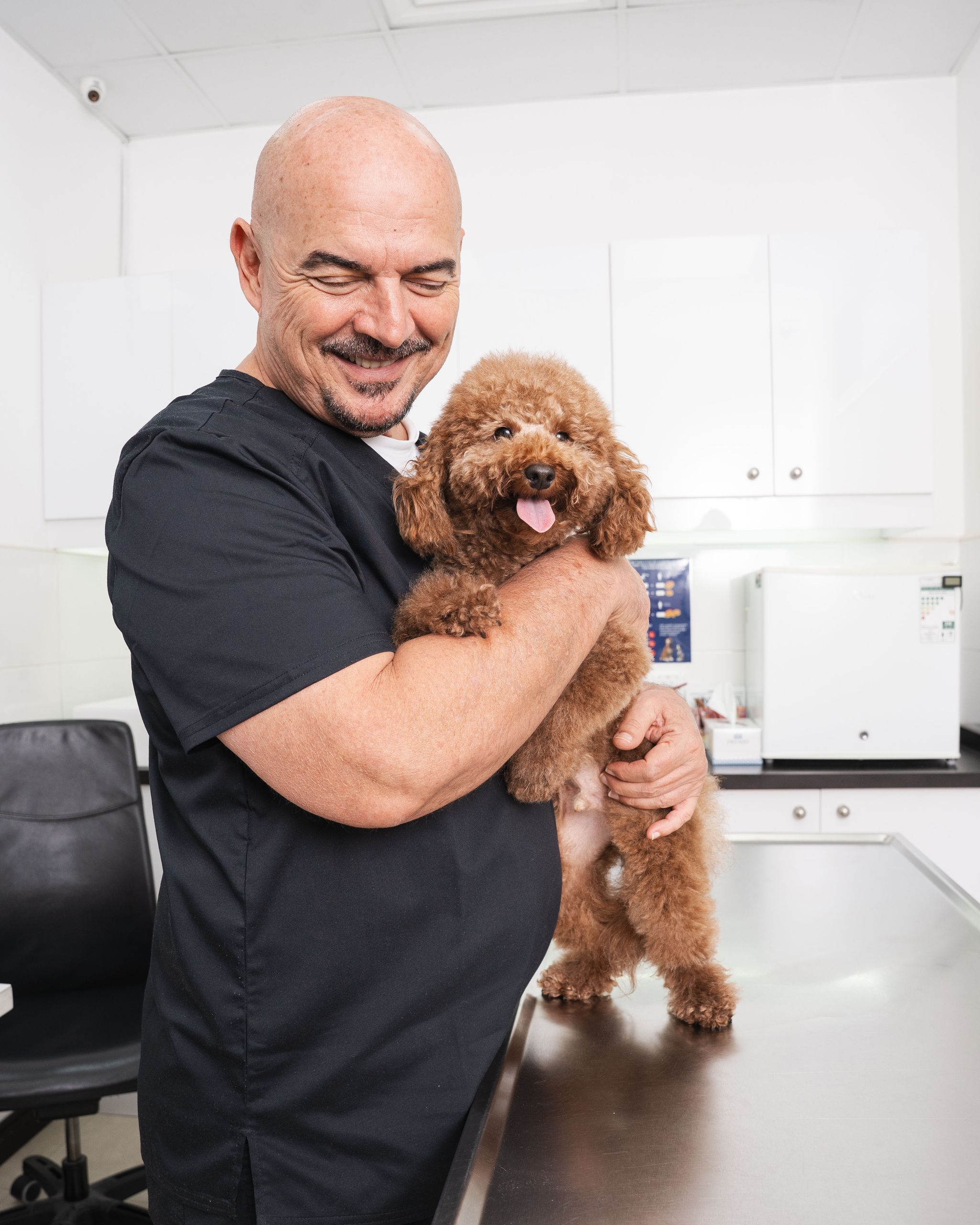
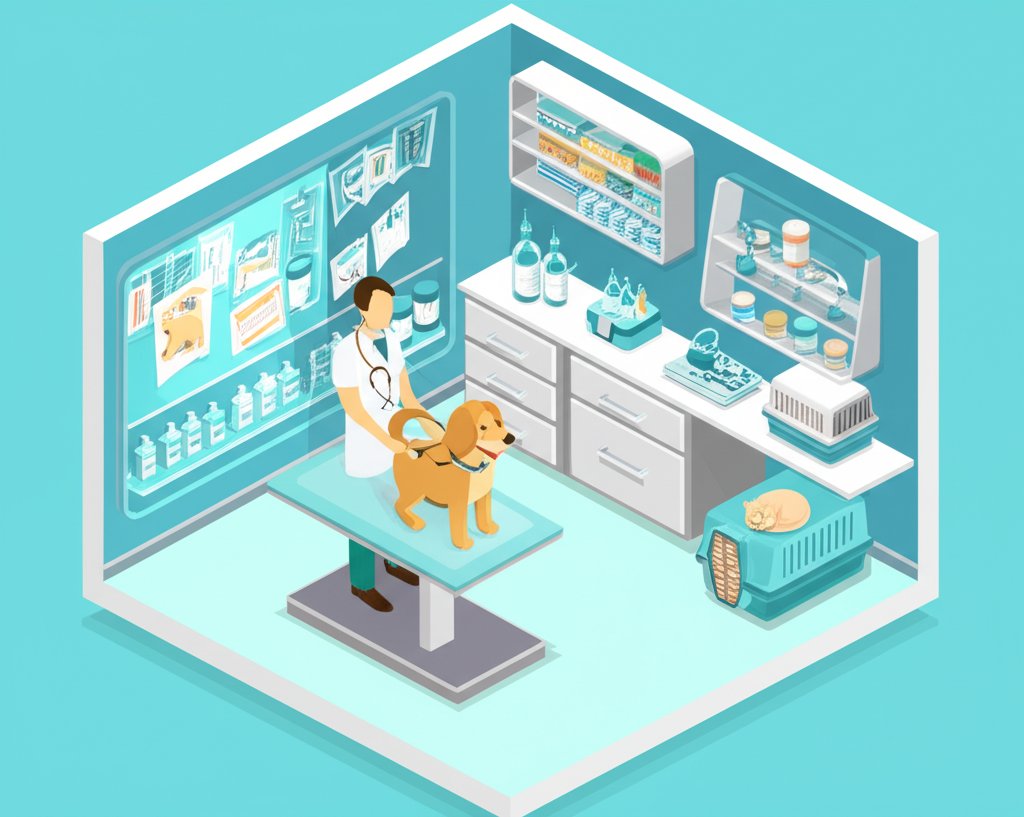
Veterinarians are far more than medical professionals who administer routine vaccines and treat unexpected ailments; they are dedicated scientists, emergency responders, public health guardians, and behavioral experts. Understanding the depth, breadth, and everyday realities of veterinary medicine empowers pet owners to forge stronger partnerships with their animal care teams, advocate effectively for their pets' health, and appreciate the rigorous training required to practice modern veterinary science. This comprehensive guide explores ten fascinating facts about veterinarians, offering an insider perspective on a profession that bridges human and animal medicine.
1. Veterinary Training Is Just as Rigorous as Human Medicine
One of the most persistent misconceptions about veterinary medicine is that it is somehow less demanding than human medical school. In reality, gaining admission to a Doctor of Veterinary Medicine (DVM or VMD) program is notoriously competitive, often boasting acceptance rates that are significantly lower than those of human medical schools. Prospective students must complete a grueling undergraduate curriculum heavy in organic chemistry, biochemistry, physics, genetics, and microbiology before enduring four years of intensive doctoral study.
Unlike human medical doctors who typically specialize in a single species (Homo sapiens), veterinary students must master the anatomy, physiology, pharmacology, and pathology of multiple species. A single veterinary curriculum covers dogs, cats, horses, cattle, pigs, birds, reptiles, and exotic mammals. Following graduation, many veterinarians complete demanding one-to-year internships and multi-year residencies to achieve board certification in specialties such as surgery, internal medicine, dermatology, or emergency and critical care, matching the professional training milestones of human specialists.
2. Veterinarians Are Frontline Public Health Defenders
The role of a veterinarian extends far beyond private companion animal clinics. Veterinarians play a critical, often unrecognized role in safeguarding human public health through the framework of "One Health"—an initiative recognizing that human health, animal health, and the environment are inextricably linked. The U.S. Centers for Disease Control and Prevention (CDC) and international health organizations rely heavily on veterinarians to monitor, prevent, and control zoonotic diseases, which are infections that spread between animals and humans.
Veterinarians working in public health oversee food safety from farm to table, inspecting livestock processing facilities, monitoring milk and meat production, and preventing outbreaks of foodborne pathogens like Salmonella and E. coli. They are also the first line of defense against global public health threats such as rabies, avian influenza, West Nile virus, and antimicrobial resistance. By tracking disease vectors in animal populations, veterinarians protect entire human communities from potential pandemics.
3. The Incredible Diversity of Veterinary Specialties
Just as human medicine features cardiologists, neurologists, and pediatricians, veterinary medicine offers a vast array of board-certified specialties governed by organizations such as the American Board of Veterinary Practitioners (ABVP) and the American College of Veterinary Surgeons (ACVS). This specialization allows pets to receive advanced medical care that mirrors the technological and surgical sophistication found in top human hospitals.
Pet owners facing complex health crises can access specialists who dedicate their entire careers to narrow fields of medicine. For instance, veterinary ophthalmologists perform cataract surgery and corneal transplants using microscopic instruments, while veterinary oncologists design targeted chemotherapy and radiation protocols. Other recognized specialties include veterinary dentistry, cardiology, diagnostic imaging, behavior, and neurology, ensuring that animals receive precise, state-of-the-art treatments tailored to their specific biological needs.
4. Emergency and Critical Care Veterinarians Work in High-Stakes Environments
When pets experience sudden trauma, severe toxicity, or acute organ failure in the middle of the night, emergency and critical care (ECC) veterinarians step in. These practitioners operate in fast-paced, high-pressure environments that closely resemble human hospital emergency rooms or trauma centers. They must possess razor-sharp diagnostic instincts, the ability to remain calm under extreme pressure, and advanced technical proficiency.
ECC veterinarians routinely perform life-saving interventions, such as emergency thoracotomies for chest trauma, cardiopulmonary resuscitation (CPR), managing GDV (gastric dilatation-volvulus or "bloat" torsion), and stabilizing patients in hypovolemic shock. Their specialized training enables them to run continuous monitoring equipment, manage complex fluid therapy, and interpret rapid blood gas analyses, often making split-second decisions that determine whether a beloved pet survives the night.
5. Veterinary Medicine Pioneered Comparative Medical Research
Many breakthroughs in human medicine originated in veterinary laboratories through comparative medicine. Because animals share many of the same physiological systems, genetic disorders, and environmental exposures as humans, studying diseases in veterinary patients frequently unlocks treatments for both species. This symbiotic relationship has shaped modern pharmacology, surgical techniques, and oncology.
For example, surgical techniques for joint replacements, pacemakers for heart arrhythmias, and numerous cancer therapies were developed and refined through veterinary research before being widely adopted in human medicine. Osteosarcoma, a painful bone cancer that affects both humans (particularly children and adolescents) and large-breed dogs, has been studied extensively by veterinary oncologists, leading to limb-sparing surgical techniques that benefit patients across species lines.
6. Shelter and Forensic Veterinarians Fight Animal Cruelty
Not all veterinarians work in private clinics treating spoiled house pets. A dedicated sector of the profession works within animal shelters, humane societies, and law enforcement agencies as shelter and forensic veterinarians. These professionals combine clinical veterinary medicine with criminal investigation, animal welfare advocacy, and population management.
Forensic veterinarians examine abused, neglected, or exploited animals to collect, document, and preserve medical evidence that can be presented in a court of law. They perform forensic necropsies (animal autopsies), analyze bite wound patterns, evaluate blunt-force trauma, and testify as expert witnesses in animal cruelty trials. In shelter environments, veterinarians implement disease surveillance programs, manage behavioral rehabilitation protocols, and oversee large-scale spay-and-neuter initiatives to reduce pet overpopulation.
7. The Emotional Toll and Compassion Fatigue in Veterinary Practice
While working with animals sounds idyllic to many pet owners, veterinary medicine is uniquely demanding on the psychological well-being of practitioners. Veterinarians frequently face intense emotional stressors, including long hours, high student debt-to-income ratios, difficult euthanasia decisions, and challenging interactions with financially constrained or grieving clients.
Compassion fatigue and burnout are significant occupational hazards within the veterinary community. Furthermore, veterinarians have access to potent pharmaceuticals, contributing to well-documented mental health challenges within the profession. Understanding these pressures helps pet owners build empathetic, collaborative relationships with their veterinary teams, recognizing that compassion and clinical rigor are balanced against immense emotional labor every single day.
8. Zoological and Aquatic Veterinarians Care for Exotic Wildlife
Beyond domestic cats and dogs, a specialized group of veterinarians travels to rainforests, oceans, zoos, and wildlife sanctuaries to care for exotic and endangered species. Zoological and aquatic veterinarians must understand the unique anatomies, husbandry requirements, and behavioral traits of thousands of distinct animal species, ranging from lowland gorillas and Sumatran tigers to bottlenose dolphins and bald eagles.
These clinicians perform root canals on captive tigers, fit sea turtles with custom prosthetic flippers, administer anesthesia to giraffes via specialized dart delivery systems, and conduct health assessments on wild marine mammals stranded on beaches. Their field work often involves conservation medicine, collaborating with wildlife biologists to track infectious diseases in endangered populations and preserve biodiversity on a global scale.
9. Modern Veterinary Technology Rivals Human Hospitals
The standard of care in veterinary medicine has evolved exponentially over the past few decades, driven by advanced diagnostic imaging, laboratory automation, and surgical innovations. Today's primary care and specialty veterinary hospitals frequently feature equipment that would have seemed futuristic just a generation ago.
| Veterinary Technology | Primary Clinical Purpose | Human Medical Equivalent |
|---|---|---|
| Digital Radiography & CT Scans | Cross-sectional imaging for fractures, tumors, and internal trauma. | Computed Tomography (CT) / X-ray |
| Magnetic Resonance Imaging (MRI) | Detailed visualization of soft tissues, brain, and spinal cord injuries. | MRI Scanner |
| Point-of-Care Ultrasound (POCUS) | Rapid assessment of internal bleeding, cardiac function, and fluid accumulation. | Ultrasound / Echocardiogram |
| Endoscopy & Laparoscopy | Minimally invasive surgical biopsies and foreign body removal. | Scope-assisted surgery |
| Hyperbaric Oxygen Therapy | Accelerated wound healing, carbon monoxide treatment, and reduction of severe inflammation. | HBOT Chamber |
These advanced tools allow veterinarians to diagnose subtle pathologies non-invasively, plan precise surgical interventions, and improve recovery times for animal patients.
10. Preventive Medicine Is the Cornerstone of Modern Veterinary Practice
Despite the glamour of high-tech surgical suites and emergency rooms, the primary philosophy guiding contemporary veterinary medicine is proactive prevention. Veterinarians emphasize wellness exams, parasite control, customized nutritional planning, and age-appropriate vaccination schedules to catch underlying health issues before they escalate into costly, life-threatening conditions.
For pet owners, regular veterinary check-ups act as an insurance policy for longevity. Cats and dogs age significantly faster than humans, making semi-annual wellness examinations vital for detecting early-stage renal disease, dental decay, arthritis, endocrine disorders, and neoplasia. By investing in preventive care, pet owners partner with their veterinarians to extend the healthspan and lifespan of their animal companions.
Frequently Asked Questions
Why is veterinary school considered more competitive than human medical school?
Veterinary programs have a much lower total capacity relative to the number of applicants. While thousands of students apply annually in various regions, there are significantly fewer accredited veterinary colleges than human medical schools. Additionally, applicants must demonstrate proficiency across multiple biological species rather than focusing on a single species.
How do veterinarians specialize after graduating?
After earning a DVM or VMD degree, veterinarians typically complete a one-year rotating internship, followed by a two-to-three-year residency program in a chosen field (such as surgery, internal medicine, or dermatology). Candidates must then pass rigorous board examinations administered by recognized specialty colleges to earn diplomate status.
Do veterinarians only treat cats and dogs?
No. While companion animal practice is the most visible sector, veterinarians work with livestock, horses, exotic pets, laboratory animals, zoo species, marine mammals, and wildlife. Some veterinarians focus entirely on public health, food safety, or government regulatory policy.
What is the "One Health" concept in veterinary medicine?
One Health is a collaborative, multisectoral, and transdisciplinary approach—working at local, regional, national, and global levels—to achieve optimal health outcomes by recognizing the interconnection between people, animals, plants, and their shared environment.
How can pet owners help reduce compassion fatigue in their veterinarians?
Pet owners can support their veterinary teams by practicing open communication, respecting clinic policies, recognizing the emotional weight of veterinary work, and approaching financial discussions with patience and understanding. Expressing gratitude for compassionate care goes a long way.
Practical Next Steps for Pet Owners
To apply these insights and ensure optimal care for your pets, schedule a comprehensive wellness exam with your primary care veterinarian. Discuss a customized preventive medicine calendar tailored to your pet's age, breed, and lifestyle. If your pet requires specialized care, ask your primary veterinarian for a referral to a board-certified specialist who can provide advanced diagnostics and targeted treatment options.