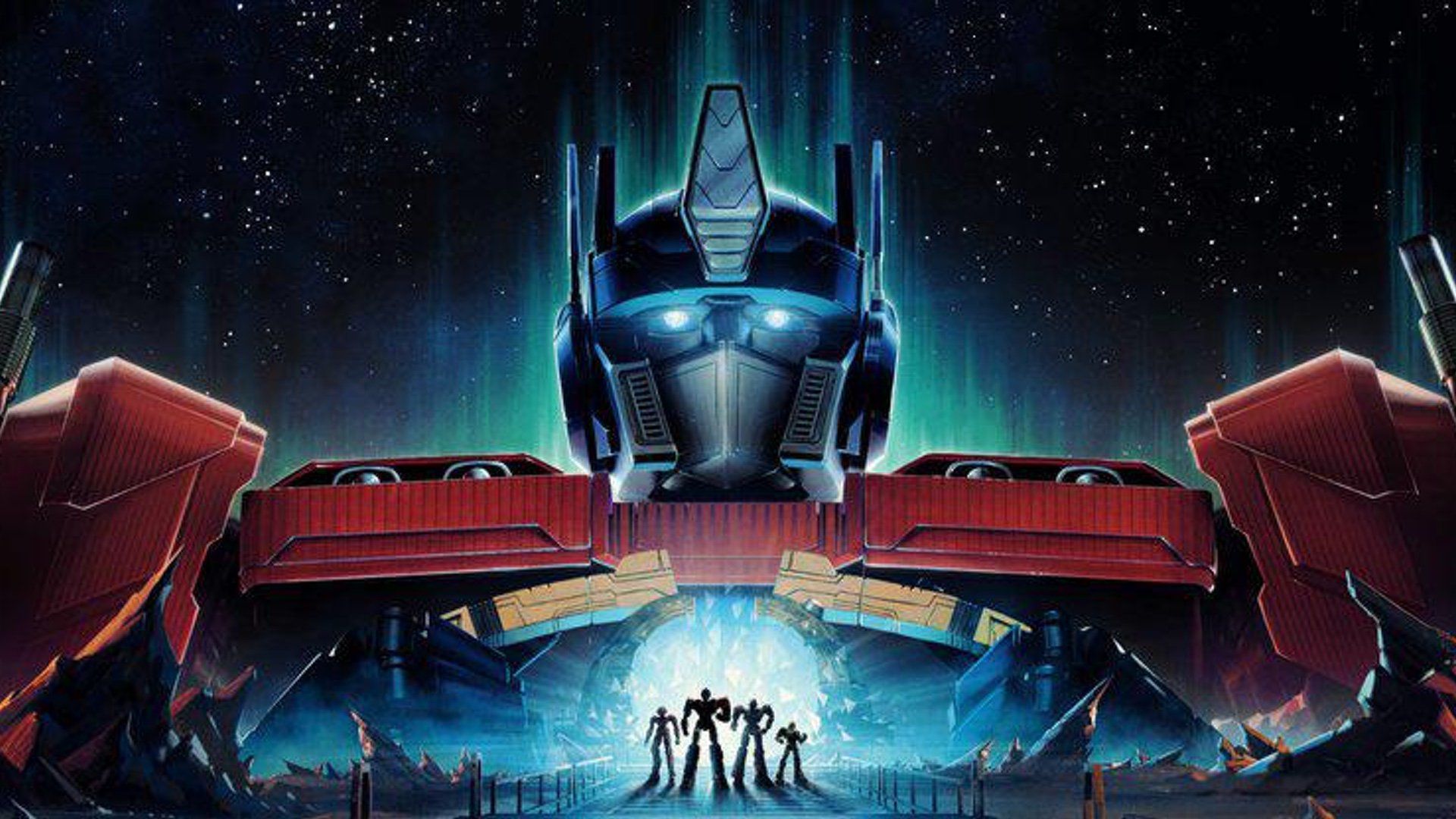
The Transformers live-action film franchise, launched by Paramount Pictures and DreamWorks in 2007, has generated over $5.28 billion in total global box office revenue across its eight theatrical releases as of 2026. This cinematic series, based on the Hasbro toy line, stands as one of the highest-grossing intellectual properties in history, defined by significant commercial fluctuations between individual installments.
The Evolution of Transformers at the Box Office
When analyzing the financial performance of the Transformers movies, it is essential to distinguish between the era directed by Michael Bay and the subsequent creative shifts that occurred in the late 2010s and early 2020s. The franchise began as a massive cultural event, with the first film proving that high-budget, visual-effects-heavy adaptations of 1980s properties could achieve sustained international success.
The commercial trajectory of the series followed a unique path. The early sequels, specifically Transformers: Revenge of the Fallen (2009) and Transformers: Dark of the Moon (2011), saw substantial growth in international markets, which became the primary driver for the franchise's longevity. By the time Dark of the Moon reached theaters, it became the first film in the series to cross the $1 billion mark globally, setting a high bar for subsequent entries.
However, as the franchise aged, domestic interest in the United States began to wane, even as the films continued to perform reliably in rapidly expanding markets like China. This created a bifurcated revenue stream where the domestic box office—the traditional metric for success in the American film industry—often represented less than 30% of the total worldwide take for the later installments.
Detailed Revenue Breakdown by Film
To understand the full financial scope of the franchise, one must look at the specific performance of each theatrical release. The figures below represent the raw gross revenue collected during the films' initial theatrical runs, not adjusted for inflation.
| Film Title | Release Year | Global Box Office (USD) |
|---|---|---|
| Transformers | 2007 | $709.7 Million |
| Transformers: Revenge of the Fallen | 2009 | $836.3 Million |
| Transformers: Dark of the Moon | 2011 | $1.124 Billion |
| Transformers: Age of Extinction | 2014 | $1.104 Billion |
| Transformers: The Last Knight | 2017 | $605.4 Million |
| Bumblebee | 2018 | $468.0 Million |
| Transformers: Rise of the Beasts | 2023 | $439.0 Million |
| Transformers One | 2024 | $127.3 Million |
Note: Figures are based on industry-standard reporting from major box office tracking services. Data accounts for worldwide theatrical earnings.
Understanding the Variables: Domestic vs. International Performance
A primary factor in the financial analysis of the Transformers franchise is the changing reliance on international territories. While the first Transformers film earned roughly 45% of its total revenue domestically, that percentage dropped significantly with the middle entries. For instance, Transformers: Age of Extinction saw a massive portion of its $1.1 billion total come from the Chinese market, which at the time was experiencing an unprecedented explosion in theater infrastructure and audience demand.
This shift meant that the "health" of the franchise was no longer strictly tied to North American reception. A film could be considered a "disappointment" by domestic critics and box office analysts while still being categorized as a financial success for Paramount Pictures due to the sheer volume of ticket sales in international regions. This reliance became a double-edged sword; as the novelty of the series faded, the international growth that had once carried the franchise began to normalize, leading to the lower returns seen in the most recent installments.
The Shift Toward Spin-offs and Animation
In 2018, the studio pivoted from the main narrative arc to the spin-off Bumblebee. This film adopted a lower budget than its predecessors, aiming for a higher profit margin rather than sheer volume of gross revenue. This marked a strategic transition for the franchise: moving away from the "event" spectacle that demanded $200 million-plus budgets toward more targeted storytelling.
Transformers: Rise of the Beasts (2023) and the animated Transformers One (2024) continued this trend. While these films did not reach the billion-dollar heights of the 2011–2014 period, they provided the studio with a mechanism to keep the IP relevant to newer generations while managing the risk associated with massive blockbuster production costs. The lower gross revenue figures for the most recent films should be viewed through the lens of adjusted expectations and budgetary constraints.
Factors Influencing Revenue Fluctuations
Several external and internal factors have contributed to the variance in these revenue figures over the last two decades:
- Production Budgets: The early films were backed by enormous marketing and production budgets. As the franchise hit a saturation point, the studio adjusted these budgets to ensure that a lower box office gross could still translate into a viable project.
- Changing Audience Preferences: The appetite for "destruction-heavy" blockbusters shifted significantly between 2007 and 2026. The franchise had to adapt to audiences who, over time, prioritized character-driven narratives over the pure spectacle of CGI robots fighting in urban settings.
- Global Market Shifts: The rapid rise and subsequent cooling of the Chinese box office as a "guaranteed" revenue engine for American blockbusters directly correlates with the revenue curves of the Transformers series.
- Streaming and Alternative Media: The rise of streaming platforms post-2020 has impacted the theatrical windows for all films. Even major franchises now face a faster transition from the big screen to home entertainment, which can influence how audiences prioritize cinema attendance.
Frequently Asked Questions
Which Transformers movie earned the most money? Transformers: Dark of the Moon (2011) holds the record for the highest box office revenue in the franchise, earning approximately $1.124 billion worldwide.
Why did the box office revenue drop for recent movies? The decline in revenue is primarily attributed to audience fatigue with the established formula, a shift in market priorities, and a strategic move toward lower-budget, character-focused stories like Bumblebee and Transformers One rather than the massive spectacles of the 2010s.
Are the reported figures adjusted for inflation? No, these figures represent the raw historical box office gross. Adjusted for inflation, the earlier films in the franchise would hold even higher values, highlighting how significantly the landscape has changed since 2007.
How does international revenue affect the franchise's success? Historically, international revenue has been the backbone of the Transformers franchise. Often, more than 70% of a film's total global earnings came from outside the United States, making it a truly globalized commercial product.
Did Transformers One perform as expected? As an animated feature, Transformers One operated on a different scale of profitability compared to the live-action films. While its raw dollar amount appears lower, its budget was significantly smaller, aiming for a different economic outcome for the studio.
Moving Forward with the Franchise
For investors and fans tracking the future of the brand, the takeaway is clear: the Transformers franchise has moved from a "guaranteed billion-dollar" model to a more sustainable, diversified approach. Future revenue will likely depend on the success of creative reinventions rather than repeating the specific aesthetic of the early 2000s. Monitoring the theatrical performance of future installments will require looking past total raw gross and focusing on the production-to-revenue ratio, which remains the primary metric for franchise longevity in the modern cinematic climate.