The cinema of the 1980s was a transformative decade defined by the birth of the modern blockbuster, the rise of independent filmmaking, and groundbreaking advancements in special effects that permanently reshaped the global entertainment landscape.
The Genesis of the Modern Blockbuster and Franchise Culture
The cinematic landscape of the 1980s was heavily influenced by the template established in the late 1970s with Jaws and Star Wars. Hollywood studios realized that massive profits could be generated by event films supported by aggressive marketing campaigns, theatrical merchandising, and fast-paced, high-concept narratives. This economic shift transformed the traditional studio system into a risk-averse, franchise-driven enterprise focused on worldwide box office returns.
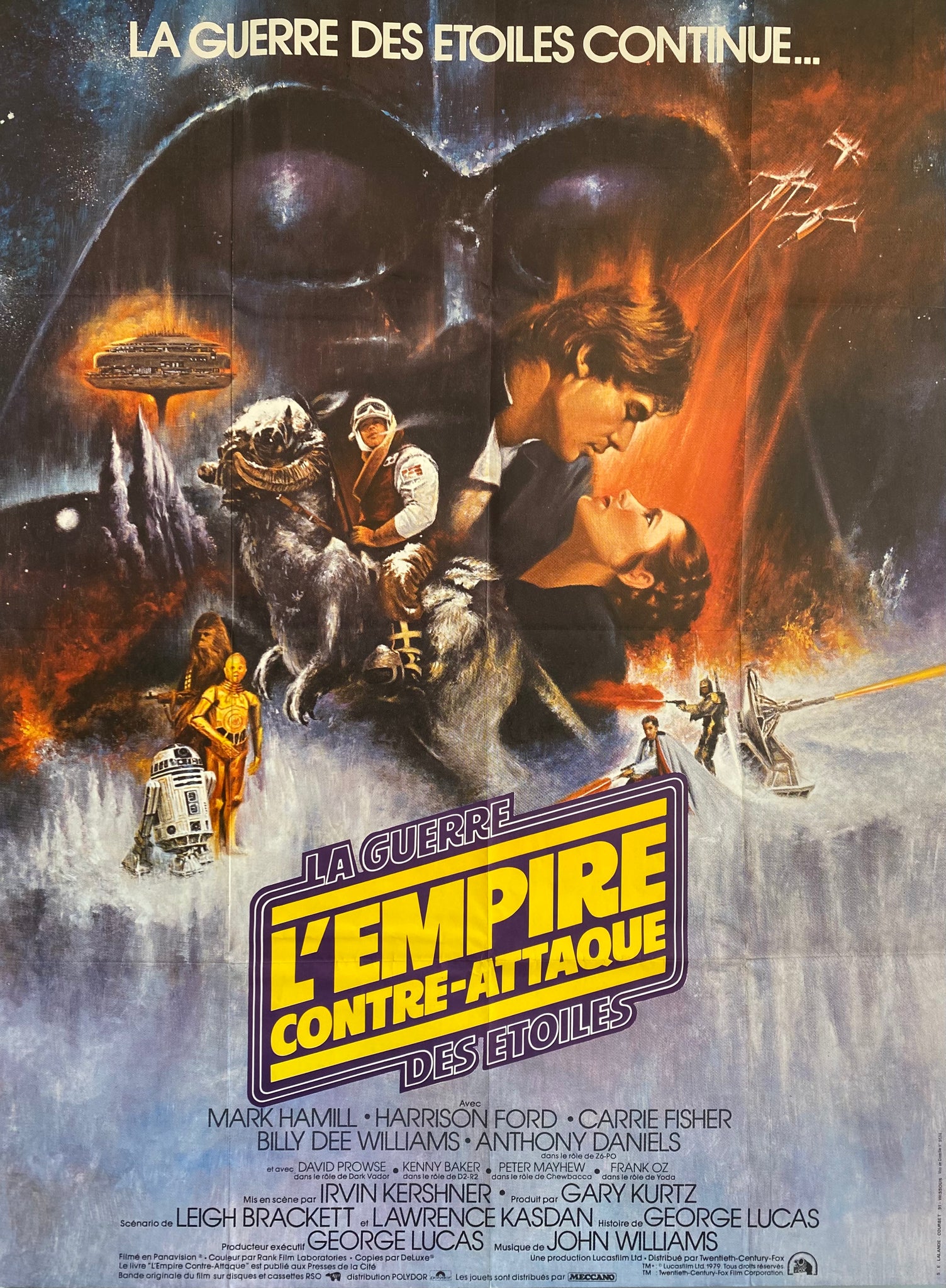
Rather than relying solely on gritty, character-driven dramas that characterized the New Hollywood movement of the 1970s, studios gravitated toward high-energy action, science fiction, and fantasy. The era institutionalized the concept of the cinematic sequel. Films like The Empire Strikes Back (1980), Indiana Jones and the Temple of Doom (1984), and Back to the Future Part II (1989) proved that multi-part storytelling could sustain long-term commercial engagement. This shift altered how scripts were written, encouraging open-ended conclusions designed to secure greenlights for subsequent installments before the initial film even premiered.
Merchandising and Corporate Synergy
Corporate synergy became a cornerstone of 1980s filmmaking. Studios no longer viewed a movie as an isolated artistic product; instead, theatrical releases served as multi-platform launchpads for action figures, lunchboxes, comic books, and soundtrack albums.
George Lucas and Steven Spielberg pioneered this model on a grand scale, ensuring that licensing deals often generated more revenue than ticket sales alone. Consequently, movies were explicitly engineered to appeal to younger demographics, blending broad comedic beats, accessible moral conflicts, and iconic character designs that translated easily into plastic merchandise.
Technological Advancements and Practical Special Effects
Before the widespread adoption of digital computer-generated imagery (CGI) in the 1990s, 1980s cinema represented the absolute technical apex of practical effects. Special effects artists combined optical compositing, animatronics, stop-motion animation, and intricate physical miniature models to achieve unprecedented visual realism on screen.
Master craftsmen such as Rick Baker, Rob Bottin, and Stan Winston elevated practical makeup and creature effects to high art. Films like John Carpenter’s The Thing (1982) and David Cronenberg’s The Fly (1986) showcased grotesque, tactile transformations achieved entirely through mechanical rigs, foam latex, and organic fluids. These techniques created a visceral physical presence that actors could interact with directly on set, yielding performances characterized by genuine reactions to tangible stimuli.
The Dawn of Computer-Generated Imagery
While practical effects dominated, the 1980s also laid the crucial foundational groundwork for the digital revolution. Early experiments with CGI in films like Tron (1982) and The Last Starfighter (1984) introduced audiences to fully rendered digital environments and vector graphics.
By the end of the decade, James Cameron’s The Abyss (1989) featured the first genuinely convincing computer-generated character—a morphing, water-based pseudopod that anticipated the revolutionary fluid dynamics of Terminator 2: Judgment Day (1991). These milestones signaled the slow transition from mechanical workshops to digital workstations.
Genre Definitive Movements
The diversity of 1980s cinema is best understood through its distinct genre movements, each reflecting contemporary social anxieties, political climates, and cultural shifts.
| Genre Movement | Defining Characteristics | Representative Examples |
|---|---|---|
| High-Concept Action | Muscle-bound heroes, geopolitics, practical stunts, quips | Commando, Die Hard, Lethal Weapon |
| Teen Coming-of-Age | Suburbia, emotional sincerity, class struggles | The Breakfast Club, Ferris Bueller's Day Off |
| Cyberpunk / Sci-Fi | Corporate dystopia, neon noir, existential philosophy | Blade Runner, The Terminator, Aliens |
| Practical Horror | Body horror, slasher franchises, practical special effects | A Nightmare on Elm Street, The Evil Dead, The Thing |
Action Cinema and the Muscle Hero
The political climate of the Cold War heavily influenced 1980s action cinema. Muscular protagonists played by actors like Sylvester Stallone (Rambo: First Blood Part II, 1985) and Arnold Schwarzenegger (Commando, 1985) served as physical manifestations of American exceptionalism and resilience against foreign threats.
As the decade progressed, action cinema evolved away from invincible, stoic soldiers toward vulnerable, everyday protagonists caught in extraordinary circumstances. John McTiernan’s Die Hard (1988) revolutionized the genre by introducing John McClane—a weary, bloodied police officer whose physical vulnerability created higher stakes and more relatable tension than his invincible contemporaries.
The John Hughes Teen Film Phenomenon
Writer and director John Hughes captured the cultural anxieties of American youth with unprecedented empathy and wit. Moving away from the exploitative teen comedies of the late 1970s, Hughes treated adolescent emotional struggles with intellectual seriousness.
Films like Sixteen Candles (1984), The Breakfast Club (1985), and Pretty in Pink (1986) dissected high school social strata, economic inequality, and parental neglect. Anchored by the informal acting troupe known as the "Brat Pack," these films established a cultural lexicon and emotional baseline for generations of teenagers.
The Rise of Independent Cinema and Midnight Movies
Parallel to the studio-driven blockbusters, the 1980s witnessed the institutionalization of independent film distribution and the flourishing of non-studio productions.
The Sundance Film Festival, rebranded under Robert Redford in the mid-1980s, provided a vital platform for regional and low-budget filmmakers to secure distribution deals. Concurrently, the proliferation of the home video market created a secondary distribution channel that allowed niche films to turn a profit outside of major theatrical chains.
The Home Video Boom (VHS)
The introduction of the VCR (Video Home Cassette) fundamentally altered film consumption and production economics. Initially feared by major studios as a piracy threat—as famously argued by Jack Valenti in legal battles—the home video market quickly became a lucrative secondary revenue stream.
Direct-to-video production companies emerged, financing low-budget martial arts films, horror features, and erotic thrillers that bypassed traditional theatrical screening costs entirely. This ecosystem sustained the careers of independent producers and gave rise to cult phenomena that would have otherwise struggled to find an audience.
Frequently Asked Questions
What defined the aesthetic of 1980s cinema?
The visual aesthetic of 1980s cinema was defined by high-contrast lighting, extensive use of neon colors, atmospheric synthesizer scores, and gritty practical effects. Cinematographers frequently utilized anamorphic lenses, smoke machines, and lens flares to create a glossy yet tactile visual atmosphere that accentuated both suburban realism and futuristic dystopias.
How did the home video market impact 1980s filmmaking?
The rapid adoption of the VCR created a secondary revenue stream that prolonged the theatrical shelf life of major studio releases and funded a robust independent direct-to-video market. It allowed consumers to curate personal collections, leading to the rise of specialized video rental stores and the cult rediscovery of overlooked theatrical failures.
Why are practical effects from the 1980s still praised today?
Practical effects are praised because they possess a physical weight, authentic lighting interaction, and spatial presence that early digital effects could not replicate. Because actors interacted with real physical objects, miniatures, and animatronic puppets on set, their performances conveyed genuine spatial awareness and tactile reactions.
Which films launched the modern blockbuster franchise model?
Films such as Star Wars (1977), Superman (1978), Raiders of the Lost Ark (1981), and The Empire Strikes Back (1980) cemented the modern blockbuster framework. They proved the viability of serialized storytelling, summer release scheduling, and coordinated merchandise campaigns across international markets.
Conclusion and Preservation of the Era
The cinema of the 1980s remains a cornerstone of modern pop culture because it successfully bridged the gap between artisanal filmmaking and corporate conglomerate branding. By balancing high-stakes commercial investments with radical technological experimentation in practical effects, filmmakers produced a durable body of work that continues to influence contemporary media. Analyzing this decade reveals the origins of modern franchise logistics, home entertainment distribution, and genre hybridity that still dictate the global film industry.