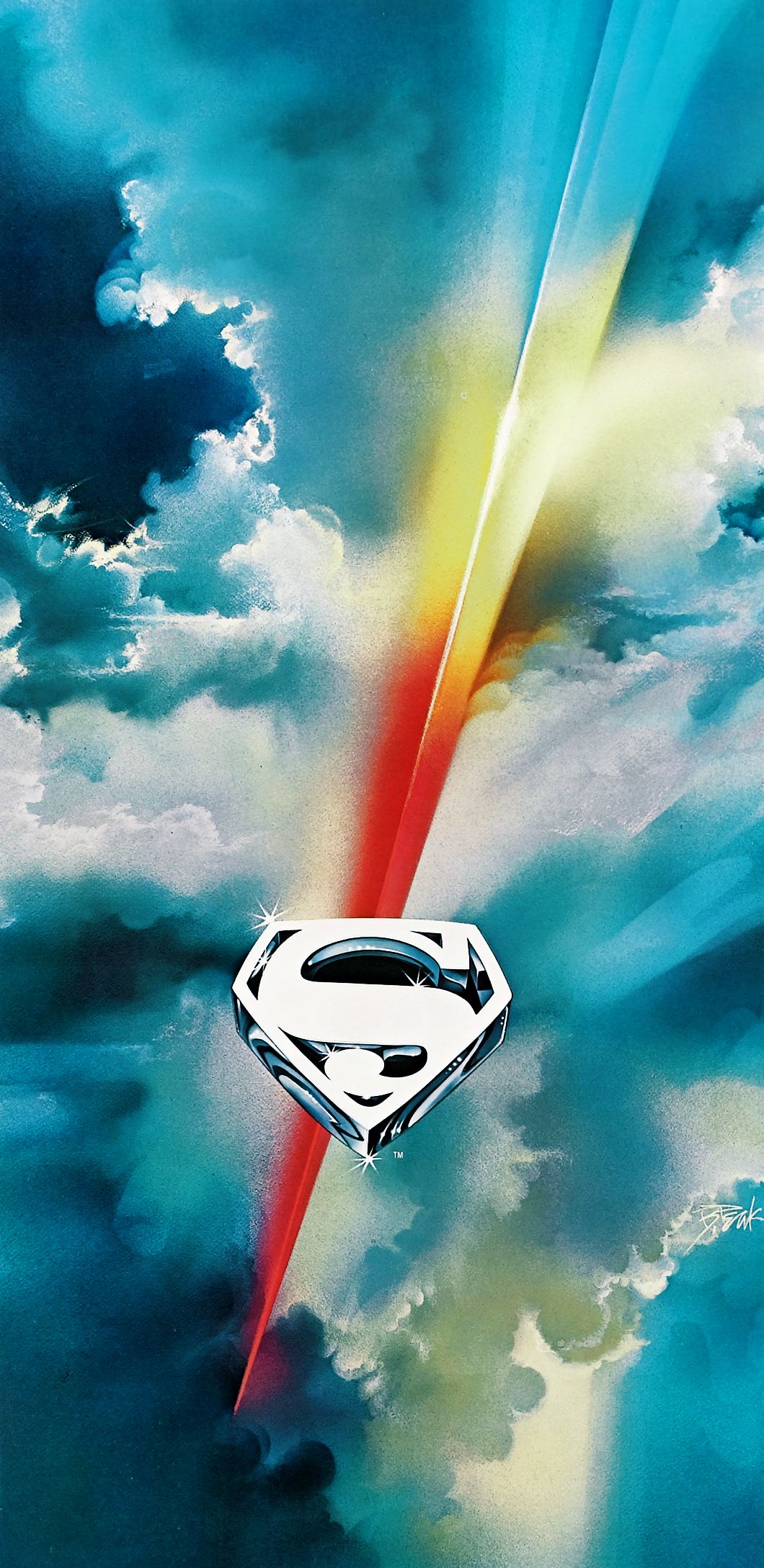
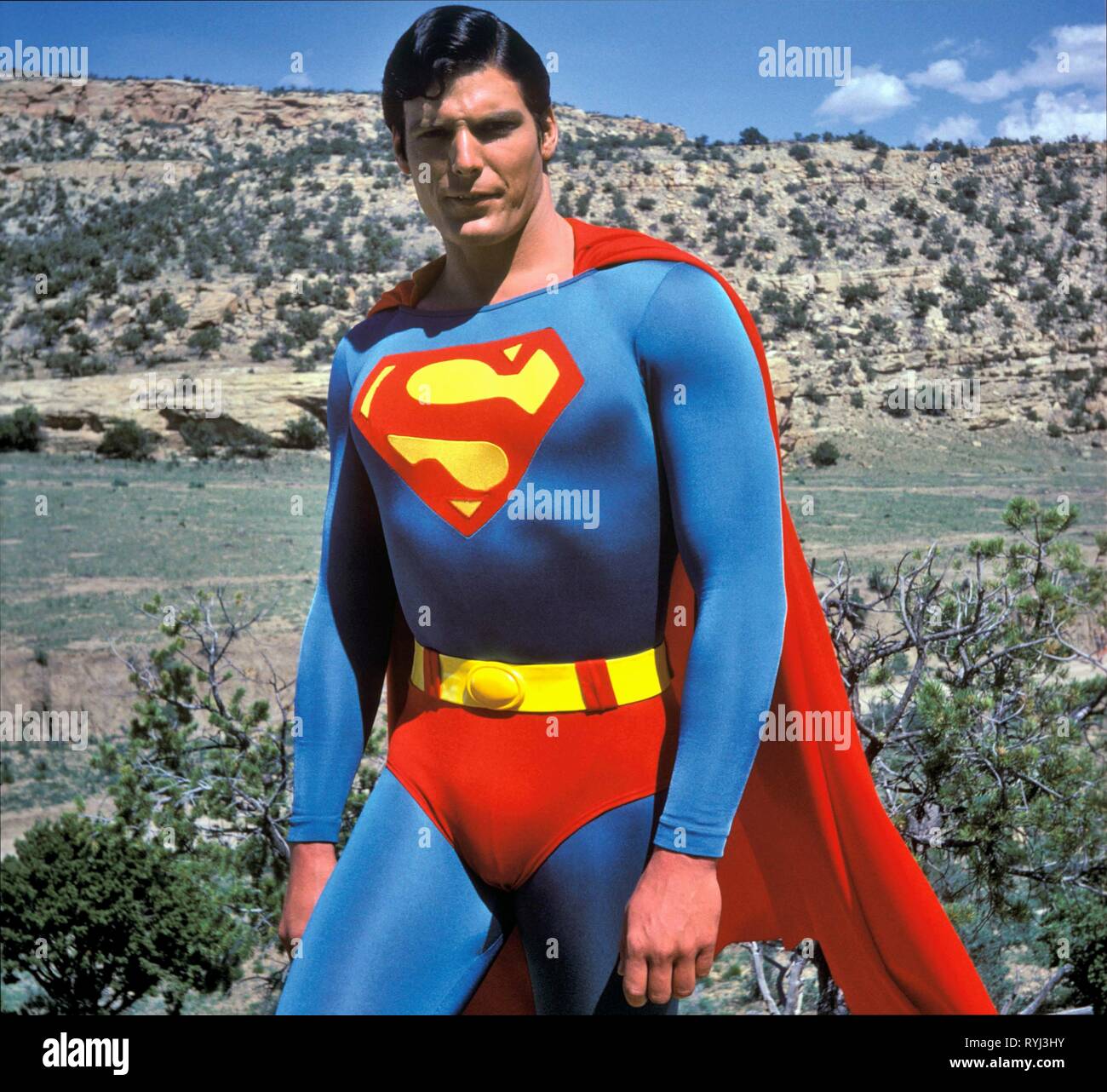
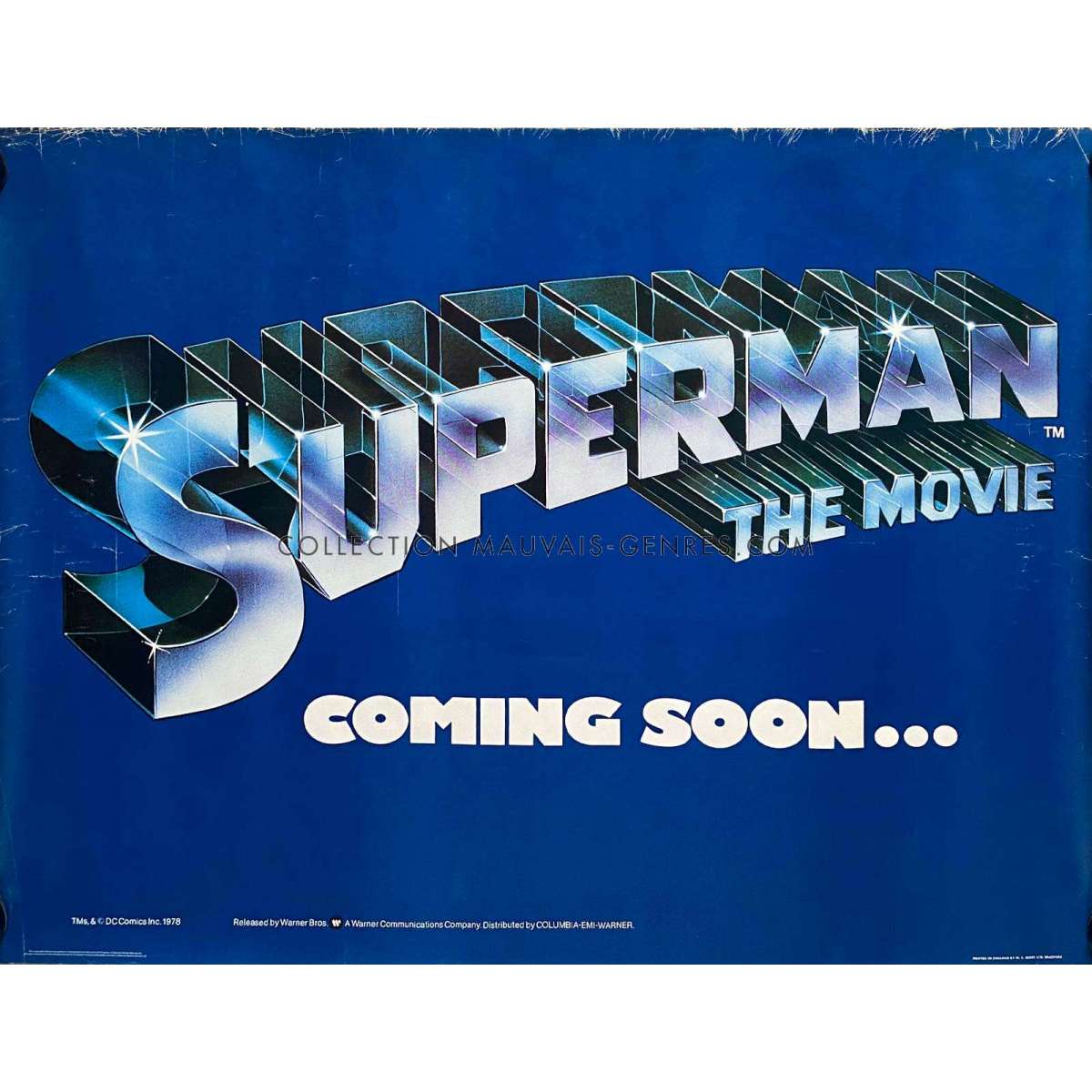
The 1978 Superman film, directed by Richard Donner and starring Christopher Reeve, revolutionized the cinematic landscape by proving that comic book adaptations could be treated with theatrical scale, dramatic sincerity, and blockbuster production values. It successfully bridged fantastical premise with genuine emotional gravity, establishing a definitive cinematic blueprint for the modern superhero genre.
Introduction and Historical Context
When Superman (1978) premiered in theaters, the cinematic landscape looked fundamentally different than it does today. The blockbuster era had only recently been ignited by films like Jaws (1975) and Star Wars (1977), but comic book properties were still largely regarded as juvenile serials or campy television adaptations, heavily influenced by the 1960s Batman television series. Producers Alexander and Ilya Salkind, alongside executive producer Pierre Spengler, sought to change this perception entirely. They envisioned an epic, big-budget treatment for DC Comics’ flagship character, aiming to treat the mythology with the solemnity and visual grandeur of a modern-day American myth.
The production was famously ambitious and fraught with challenges, shooting simultaneously with its sequel, Superman II (1980), under the initial direction of Richard Donner. Donner championed a guiding production philosophy famously summarized by the marketing tagline: "You'll believe a man can fly." This commitment to optical innovation, combined with a prestige cast featuring Marlon Brando and Gene Hackman, elevated the picture far above standard genre fare. By anchoring the fantastical elements in a recognizable, grounded reality, the film laid the structural and artistic foundation for the multi-billion-dollar superhero cinema ecosystem that dominates the box office in the modern era.
The Genesis and Development of a Cinematic Legend
Bringing the Man of Steel to the silver screen required an unprecedented financial investment and a massive logistical undertaking. The Salkinds purchased the film rights to Superman in the mid-1970s, setting off a complex development phase that spanned years of script revisions and major casting searches.
From Comic Page to Screenplay
The journey from four-color funny books to a multi-million-dollar screenplay was marked by extensive writing iterations. Mario Puzo, fresh off the massive success of The Godfather (1972), penned an enormous initial draft that fused classical narrative tropes with biblical undertones, drawing explicit parallels between Kal-El and baby Moses, as well as Jesus Christ.
Because Puzo's draft was unplayably long and tonally uneven, subsequent writers—including Robert Benton, David Newman, Leslie Newman, and an uncredited rewrite by Tom Mankiewicz—were brought in to refine the dialogue. Mankiewicz, in particular, was instrumental in shaping the film’s unique tone. He introduced the crucial concept of playing the material straight while acknowledging the inherent wit of the premise, ensuring that the audience could laugh with the characters without ever laughing at the central hero.
The Search for Krypton and Metropolis
Director Richard Donner, who came aboard after initial plans to hire other filmmakers fell through, insisted on a tripartite narrative structure that gave each section of the story its own distinct visual language.
- Krypton: Designed to feel ancient, cold, and crystalline, featuring legendary actors like Marlon Brando as Jor-El and Susannah York as Lara. Brando's involvement lent immense institutional credibility to the project, despite his famously eccentric on-set demands and astronomical salary.
- Smallville: Captured as an idealized, sun-drenched slice of mid-century Americana. This segment focused on Clark Kent's formative years, featuring Glenn Ford as foster father Jonathan Kent, emphasizing isolation, morality, and rural values.
- Metropolis: Rendered as a bustling, cynical, and towering urban center modeled closely after New York City. This is where Clark assumes his dual identity at the Daily Planet, interacting with Lois Lane (Margot Kidder) and battling the criminal mastermind Lex Luthor (Gene Hackman).
Casting Christopher Reeve: The Definitive Man of Steel
Casting the central role was arguably the most critical hurdle of the entire production. The studio initially courted major Hollywood heavyweights such as Robert Redford, Paul Newman, and Clint Eastwood, all of whom declined. Donner and casting director Lynn Stalmaster ultimately realized that a massive, established movie star would carry too much pre-existing baggage, making it difficult for audiences to see them purely as an alien visitor from the stars.
The casting search shifted toward fresh, classically trained theater actors. Christopher Reeve, then a relatively unknown stage and soap opera actor, initially auditioned with a lean physique. However, his striking height, angular jawline, classical training, and earnest screen presence made him the unanimous choice. To prepare for the demanding physical requirements of the role, Reeve underwent a rigorous, months-long bodybuilding regimen overseen by British weightlifter David Prowse (famous for portraying Darth Vader), adding significant muscle mass to fill out the iconic blue-and-red costume.
Reeve’s true genius, however, lay in his performance differentiation between the two identities. Rather than relying merely on Clark Kent's traditional glasses and rumpled suits, Reeve altered his physical posture, vocal cadence, and body language entirely. As Clark, he slumped his shoulders, tripped over his own feet, raised his vocal pitch, and projected chronic diffidence. As Superman, he stood erect, spoke in a resonant, baritone voice, and projected absolute calm and authority. This transformation was so complete that eyewitnesses on the set reported that crew members walked right past Reeve when he switched personas without recognizing him.
Revolutionary Visual Effects and Practical Stunts
The core technical challenge facing the production was making a man fly convincingly in a pre-digital era. Computer-generated imagery did not exist in 1978, forcing the production team to pioneer entirely new optical techniques, camera rigs, and composite printing methods.
| Visual Effect / Technique | Primary Application & Operational Methodology |
|---|---|
| Front Projection | Used for complex flying sequences, projecting background footage onto specialized directional screens behind actors. |
| Zoptic Process | Developed specifically for the production by Zoran Perisic; allowed smooth zooming into and out of moving flying plates. |
| Optical Matte Work | Hand-drawning and layering of film elements to composite actors flying against photographed skies and cityscapes. |
| Wire Removal | Painstaking, frame-by-frame cleanup of support wires used to suspend actors in mid-air during stunt sequences. |
Zoran Perisic’s Zoptic system was a breakthrough innovation that allowed the camera to zoom in on a flying actor while simultaneously enlarging the background plate at an identical mathematical ratio. This created a powerful illusion of three-dimensional movement and depth that previous optical printer methods could never achieve. Furthermore, the stunt work coordinated by Derek Meddings utilized sophisticated scale models, miniature helicopters, and controlled pyrotechnics to realize the catastrophic earthquake sequences caused by Lex Luthor's seismic missiles.
John Williams’ Iconic Musical Score
No discussion of the 1978 masterpiece is complete without examining the monumental musical contribution of composer John Williams. Fresh off his groundbreaking work on Star Wars, Williams approached Superman with the same symphonic gravity, delivering a soaring orchestral score that has since become the definitive auditory identity for the character worldwide.
The score operates on several distinct leitmotifs:
- The Krypton Theme: Eerie, atmospheric, and crystalline, establishing the doomed alien world's cold technological sophistication.
- The Smallville March: Pastoral, warm, and nostalgic, utilizing acoustic textures that evoke traditional American folk music.
- The Superman March: A triumphant, brass-heavy, soaring theme defined by its cascading triplet figures that musically capture the physical sensation of soaring through the stratosphere.
Williams’ music does not merely accompany the action; it drives the emotional narrative. The majestic horns during the initial flight sequence with Lois Lane elevate a romantic cinematic moment into an unforgettable cultural touchstone.
Critical Reception, Box Office Impact, and Legacy
Upon its wide release by Warner Bros. in December 1978, Superman was an immediate, runaway critical and commercial success. Audiences flocked to theaters, captivated by the marketing promise and the seamless blend of wonder, humor, and drama.
Box Office Performance
Operating on an estimated production budget of approximately $55 million—an astronomical sum for the late 1970s—the film grossed over $300 million worldwide during its initial theatrical run. It finished as one of the highest-grossing films of the decade, proving beyond a shadow of a doubt that comic book adaptations could achieve mainstream blockbuster status and command massive international box office returns.
Critical Acclaim
Critics praised the film’s willingness to embrace earnestness over cynicism. Renowned film critic Roger Ebert awarded the picture four out of four stars, describing it as a "pure joy" and praising Christopher Reeve for anchoring the fantastic narrative with genuine humanity. The film earned three Academy Award nominations—for Best Film Editing, Best Sound, and Best Original Score—and received a Special Achievement Academy Award for its groundbreaking visual effects.
Modern Reevaluation and Cultural Footprint
Decades later, the 1978 film remains the benchmark against which all subsequent superhero cinema is measured. It established the modern "origin story" formula that Hollywood continues to utilize, balancing character development, world-building, and high-stakes conflict. Its influence is visible across modern franchises, setting the structural baseline for cinematic universes.
Frequently Asked Questions
Who directed the 1978 Superman film?
The film was directed by American filmmaker Richard Donner. Donner was brought onto the project after initial developmental shifts and was responsible for establishing the film's signature tone, insisting on a dramatic, sincere approach that balanced high-concept fantasy with grounded human emotion.
Was Superman II filmed at the same time as the 1978 film?
Yes, Superman and Superman II were shot concurrently as part of a massive, continuous production schedule. Due to budget overruns and creative disputes between director Richard Donner and producers Alexander and Ilya Salkind, filming was halted before Donner could complete the second movie. Richard Lester was later brought in to finish Superman II upon its release in 1980.
How did the filmmakers achieve the flying effects without CGI?
The flying effects were accomplished using a combination of pioneering practical techniques, including front projection, sophisticated wirework, scale models, and the patented Zoptic zoom-lens system. This optical technology allowed cameras to zoom in on actors while matching the background plate magnification, creating a convincing illusion of flight.
Who composed the musical score for the 1978 film?
The legendary orchestral score was composed and conducted by John Williams. His iconic theme music remains one of the most recognizable and celebrated cinematic compositions in film history, defining the character's heroism across global pop culture.
What was the budget and box office gross of the 1978 film?
The production budget was approximately $55 million, making it one of the most expensive films made up to that point. It grossed over $300 million worldwide during its initial theatrical release, turning a massive profit and proving the commercial viability of high-budget comic book adaptations.
Conclusion and Next Actions
The 1978 Superman film endures as a masterclass in blockbuster filmmaking, demonstrating that fantasy properties succeed when approached with artistic integrity, strong character work, and technical innovation. For viewers revisiting the classic or studying the evolution of modern cinema, exploring Richard Donner's original cut, viewing the 2006 documentary Look, Up in the Sky: The Amazing Story of Superman, or listening to John Williams’ isolated score recordings offers a deeper appreciation of the creative forces that shaped modern pop culture.