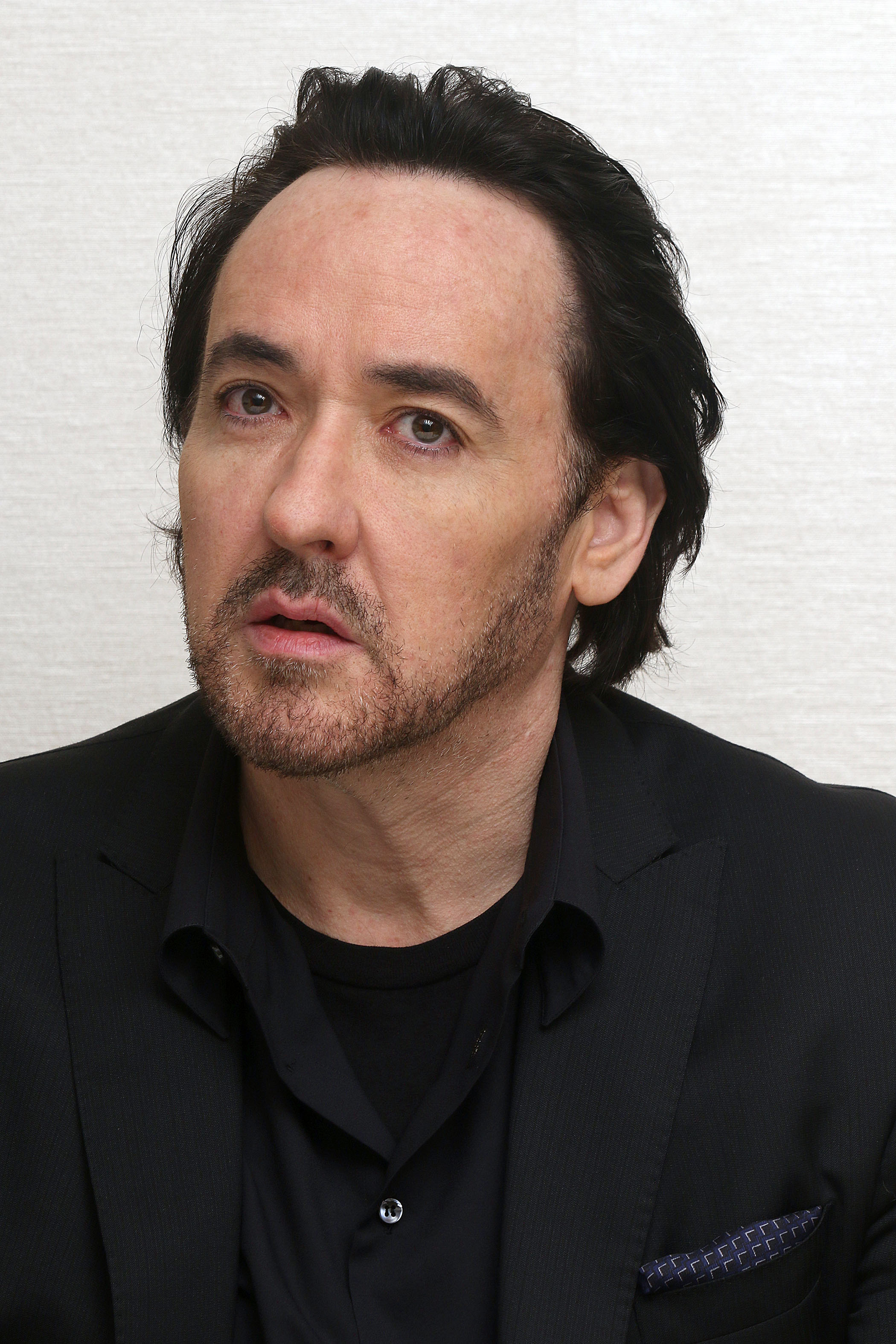
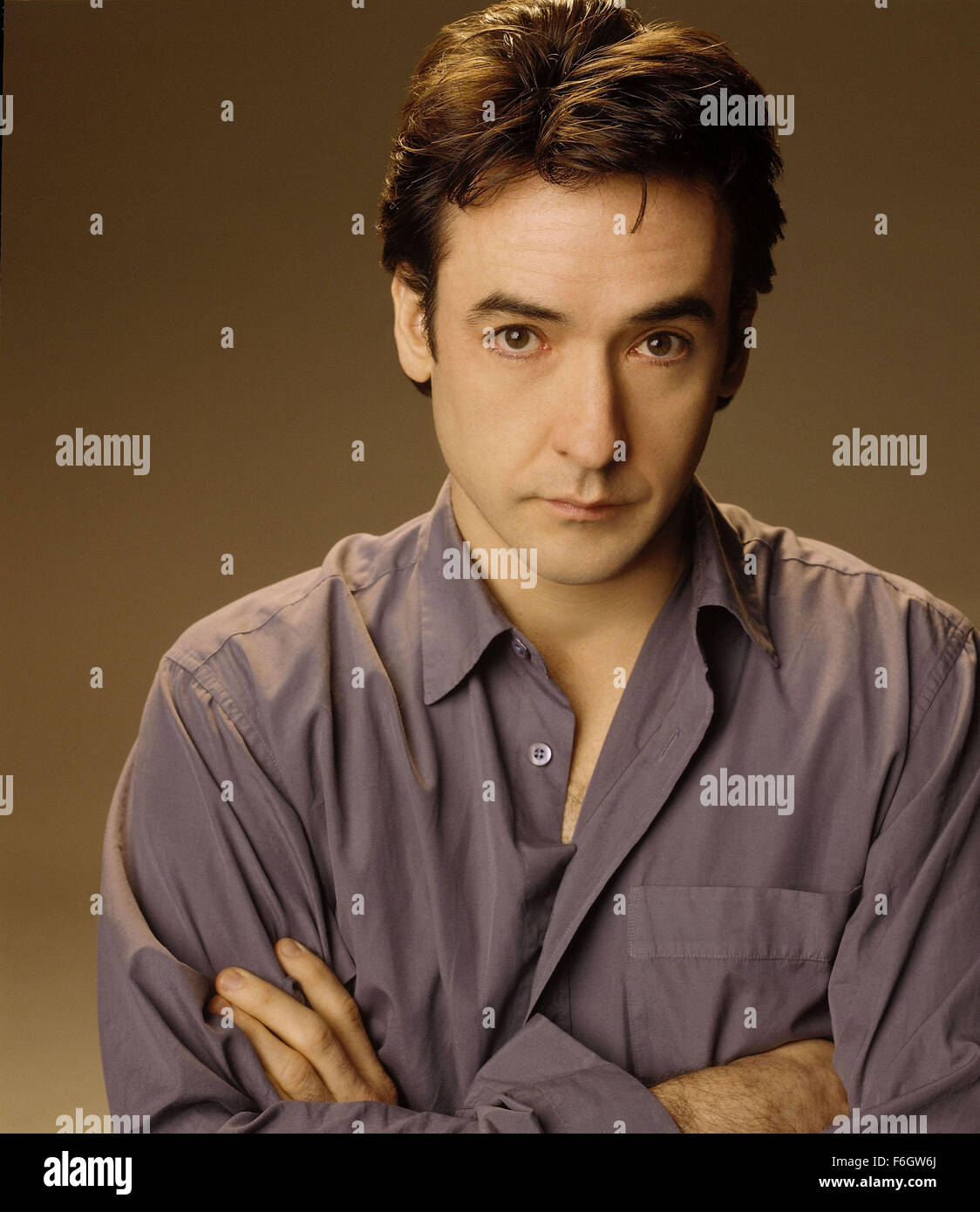
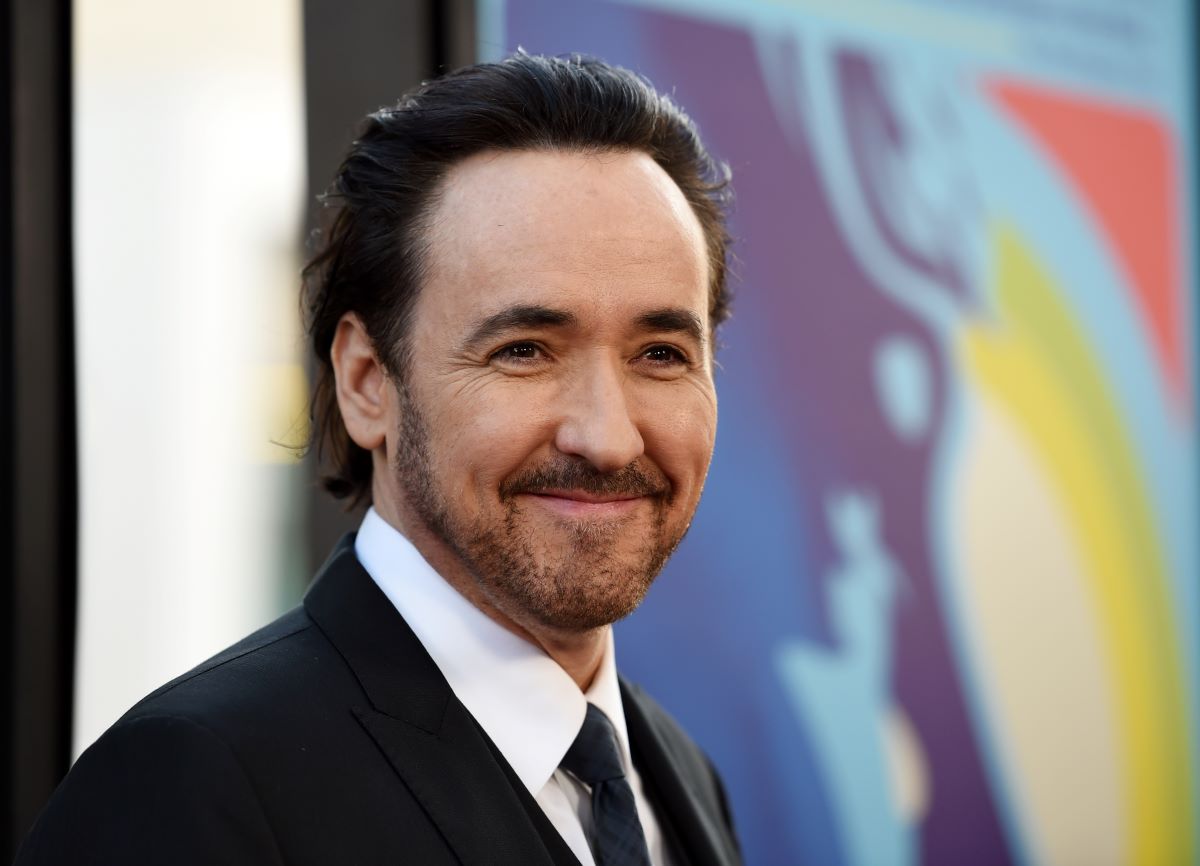
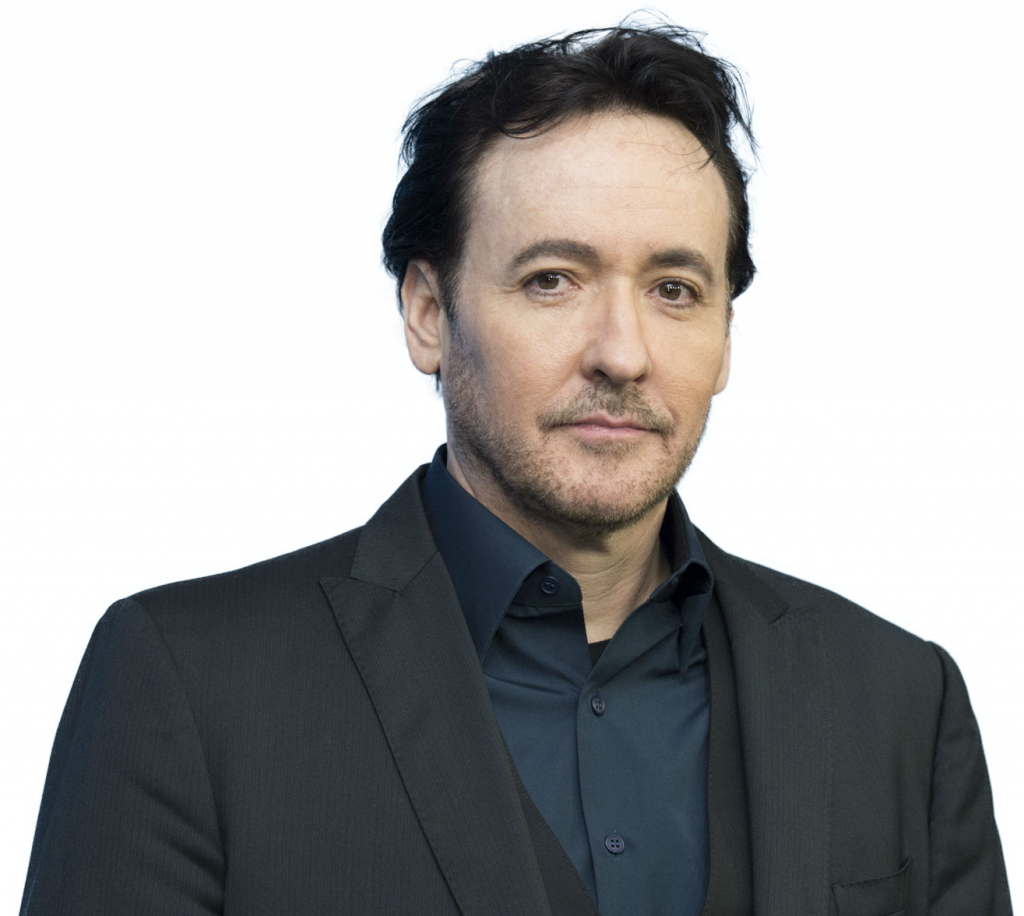
John Cusack is a prolific American actor, screenwriter, and producer whose career spans over four decades, beginning with his breakout roles in 1980s teen comedies. Known for portraying intellectual, cynical, and unconventional protagonists, Cusack has navigated between blockbuster hits like Con Air and 2012 and cult classics such as Say Anything..., High Fidelity, and Grosse Pointe Blank. Beyond his filmography, he is a dedicated political activist and a founding member of the Freedom of the Press Foundation.
The Foundation of a Chicago Dynasty
To understand the career of John Cusack, one must first look at the environment that produced him. Born on June 28, 1966, in Evanston, Illinois, Cusack was raised in a creative and politically active Irish-Catholic family. His father, Dick Cusack, was an actor and documentary filmmaker, while his siblings—most notably Joan Cusack—all pursued careers in the performing arts.
The epicenter of his early training was the Piven Theatre Workshop in Evanston, founded by Byrne and Joyce Piven. This institution emphasized improvisation and the "story theater" method, which focuses on the actor's ability to narrate and inhabit a character simultaneously. This training is evident in John Cusack’s signature style: a rapid-fire delivery, a penchant for breaking the fourth wall (literally or figuratively), and a naturalistic approach to dialogue that often feels improvised.
By the time he was 17, Cusack had already made his film debut in the 1983 comedy Class. While many of his contemporaries were being groomed for "Brat Pack" stardom, Cusack’s trajectory was slightly more peripheral, favoring roles that required a certain level of awkward sincerity rather than traditional heartthrob aesthetics.
The 1980s: Defining the "Everyman" Intellectual
The 1980s served as the crucible for Cusack’s public persona. He became the face of a specific kind of adolescent experience—one that was more neurotic and thoughtful than the characters played by Rob Lowe or Emilio Estevez.
The Rise of the Relatable Teen
Early roles in The Sure Thing (1985) and Better Off Dead (1985) established him as a leading man who could handle physical comedy and witty banter. In The Sure Thing, directed by Rob Reiner, Cusack played Walter "Gib" Gibson, a college student on a road trip. The film showcased his ability to anchor a romantic comedy with intelligence rather than just charm. Better Off Dead, directed by Savage Steve Holland, leaned into the surreal and the absurd, cementing Cusack’s appeal to a burgeoning cult audience.
The Lloyd Dobler Phenomenon
The decade culminated in his most iconic role: Lloyd Dobler in Cameron Crowe’s Say Anything... (1989). Lloyd Dobler was a radical departure from the 80s movie jock. He was an aspiring kickboxer who didn't want to "sell anything, buy anything, or process anything." The image of Cusack standing outside Diane Court’s window, holding a boombox playing Peter Gabriel’s "In Your Eyes," became a defining visual of 20th-century cinema.
Lloyd Dobler represented a new archetype: the sensitive, fiercely loyal, and non-conformist male. This role didn't just make Cusack a star; it made him a symbol for an entire generation seeking authenticity in an era of perceived superficiality.
The 1990s: Artistic Expansion and Darker Hues
As Cusack transitioned into his late 20s and early 30s, he began to take greater control of his career, moving into screenwriting and producing. This era was marked by a diversification of his filmography, ranging from independent darlings to high-octane action.
The Writer-Producer Turn
In 1997, Cusack co-wrote and starred in Grosse Pointe Blank, a dark comedy about a professional assassin attending his ten-year high school reunion. The film was a masterclass in tone, blending lethal violence with existential angst and a legendary 80s-heavy soundtrack. It demonstrated Cusack’s ability to subvert his "nice guy" image while retaining the fast-talking charisma that fans loved.
Mainstream Success and Experimental Risks
The late 90s saw Cusack successfully bridge the gap between commercial and prestige cinema. He starred in the blockbuster Con Air (1997) as U.S. Marshal Vince Larkin, proving he could hold his own in a massive action ensemble alongside Nicolas Cage and John Malkovich.
However, he followed this with Being John Malkovich (1999), directed by Spike Jonze and written by Charlie Kaufman. In this surrealist masterpiece, Cusack underwent a physical transformation, playing a disheveled, frustrated puppeteer. The role was a complete rejection of movie-star vanity and confirmed his status as an actor willing to follow a vision, no matter how bizarre the premise.
High Fidelity and the Peak of the "Cusackian" Hero
If Say Anything... defined his youth, High Fidelity (2000) defined his adulthood. Adapted from Nick Hornby’s novel and transposed from London to Chicago, the film stars Cusack as Rob Gordon, a record store owner struggling with a mid-life crisis and a history of failed relationships.
Cusack co-wrote the screenplay, and the film is often cited as the definitive "John Cusack movie." It utilizes his ability to talk directly to the camera, inviting the audience into his internal monologue of Top 5 lists and musical elitism. The film explored the intersection of pop culture obsession and emotional immaturity, creating a character that was both deeply flawed and incredibly sympathetic.
High Fidelity remains a cultural touchstone for its exploration of how we use art—specifically music—to define our identities and shield ourselves from the vulnerabilities of real connection. It also solidified Cusack’s reputation as a curator of cool, featuring a soundtrack that influenced indie music tastes for years to come.
The 2000s and 2010s: Genre Hopping and Independence
Following the success of High Fidelity, Cusack’s career became increasingly eclectic. He refused to be pigeonholed into a single genre, leading to a decade of varied performances.
- Horror and Thrillers: He found significant success in the Stephen King adaptation 1408 (2007), a psychological horror film that relied almost entirely on his solo performance in a haunted hotel room. He also starred in the ensemble thriller Identity (2003), which showcased his ability to lead a tense, mystery-driven narrative.
- The Blockbuster Era: In 2009, he led Roland Emmerich’s disaster epic 2012. While the film was a departure from his usual character-driven work, it was a massive global box-office success, proving his enduring bankability as a leading man.
- Biographical Roles: Cusack took on the challenge of playing complex real-life figures, such as Richard Nixon in The Butler (2013) and an older Brian Wilson in the Beach Boys biopic Love & Mercy (2014). His portrayal of Wilson was particularly acclaimed, capturing the fragile genius and trauma of the legendary musician with profound empathy.
Political Activism and Social Commentary
In the latter half of his career, John Cusack has become as well known for his political voice as for his acting. Unlike many celebrities who engage in surface-level philanthropy, Cusack’s involvement is deeply rooted in systemic critique and advocacy for civil liberties.
Freedom of the Press Foundation
Cusack is a founding board member of the Freedom of the Press Foundation, alongside figures like Daniel Ellsberg and Glenn Greenwald. The organization focuses on protecting and supporting whistleblowers and independent journalism. His activism often centers on opposition to the "surveillance state," government overreach, and the military-industrial complex.
Writing and Public Discourse
He has co-authored a book, Things That Can and Cannot Be Said (2016), with acclaimed novelist Arundhati Roy, documenting their conversations with Edward Snowden in Moscow. This project highlights his commitment to using his platform for serious intellectual and political engagement. On social media, Cusack is a frequent and vocal critic of both major American political parties, often advocating for radical transparency and anti-war policies.
Key Filmography and Critical Impact
The following table highlights the pivotal films that defined John Cusack’s career and their significance within his body of work.
| Year | Title | Role | Key Significance |
|---|---|---|---|
| 1985 | The Sure Thing | Walter "Gib" Gibson | Established him as a charismatic leading man in teen cinema. |
| 1989 | Say Anything... | Lloyd Dobler | Created a generational icon and defined the "sensitive rebel" archetype. |
| 1997 | Grosse Pointe Blank | Martin Blank | Showcased his skills as a writer-producer and a lead in dark comedy. |
| 1997 | Con Air | Vince Larkin | Proved his viability in large-scale Hollywood action blockbusters. |
| 1999 | Being John Malkovich | Craig Schwartz | Demonstrated his commitment to avant-garde and experimental cinema. |
| 2000 | High Fidelity | Rob Gordon | The definitive Cusack role, exploring obsessive fan culture and ego. |
| 2007 | 1408 | Mike Enslin | A rare, successful solo-driven horror performance. |
| 2014 | Love & Mercy | Brian Wilson (Future) | Critically acclaimed portrayal of a complex, real-life musical genius. |
The Current State of John Cusack (2026)
As of 2026, John Cusack continues to operate as a veteran presence in the industry, though he has largely moved away from the traditional Hollywood studio system. He remains a staunch advocate for independent film, often choosing projects that allow for creative freedom and political resonance.
His recent work has seen him appearing in more international co-productions and limited series, where the storytelling can afford to be more nuanced and less reliant on broad commercial tropes. He remains a frequent fixture at film festivals and political forums, maintaining a dual legacy as both a beloved cinematic figure and a provocative social critic.
The "Cusackian" archetype—the smart, slightly disaffected, yet ultimately romantic protagonist—continues to influence new generations of filmmakers and actors. Characters seen in modern indie dramedies often owe a debt to the groundwork laid by Cusack in the 80s and 90s.
FAQ: Frequently Asked Questions About John Cusack
Does John Cusack do his own stunts?
While Cusack has participated in physical roles, particularly in action films like Con Air and 2012, he generally utilizes professional stunt performers for high-risk sequences. However, his background in martial arts is legitimate; he has trained in Ukidokan kickboxing for over 20 years under former world champion Benny "The Jet" Urquidez. This training was famously utilized in Grosse Pointe Blank.
Why does John Cusack often wear black in his movies?
Cusack has a well-documented preference for wearing black, both on and off-screen. In many of his self-produced films, like Grosse Pointe Blank and High Fidelity, this was a conscious stylistic choice to reflect his characters' outsider status or cynical worldview. Over time, it became a signature aesthetic associated with his "intellectual noir" persona.
Is John Cusack still active in screenwriting?
Yes, although he does not write every project he stars in, Cusack remains active in the development process of his films. He frequently contributes to the "punch-up" of scripts or works behind the scenes as an uncredited producer to ensure the dialogue and tone align with his specific style of delivery.
How many movies has John Cusack done with his sister Joan?
John and Joan Cusack have appeared in ten films together. These include Class, Sixteen Candles, Grandview, U.S.A., Broadcast News, Say Anything..., Grosse Pointe Blank, Cradle Will Rock, High Fidelity, Martian Child, and War, Inc. Their on-screen chemistry is often cited as a highlight of their respective careers, reflecting their real-life close relationship.
Does John Cusack have any upcoming projects in 2026?
Cusack continues to focus on independent features and selective television roles. In 2026, he is primarily involved in projects that lean toward political satire or gritty dramas, avoiding the "superhero" or major franchise cycles that dominate much of contemporary Hollywood.
Strategic Recommendation for Fans and Students of Film
For those looking to understand the evolution of the American "anti-hero," a chronological viewing of John Cusack’s work is highly recommended. Start with Say Anything... to understand the foundation of his appeal, followed by Grosse Pointe Blank to see the subversion of that appeal, and conclude with Love & Mercy to witness his full range as a dramatic actor.
To engage with his modern persona, follow his political writings and his work with the Freedom of the Press Foundation. Understanding his activism provides vital context for his later career choices, where he often seeks to challenge the status quo rather than simply entertain.