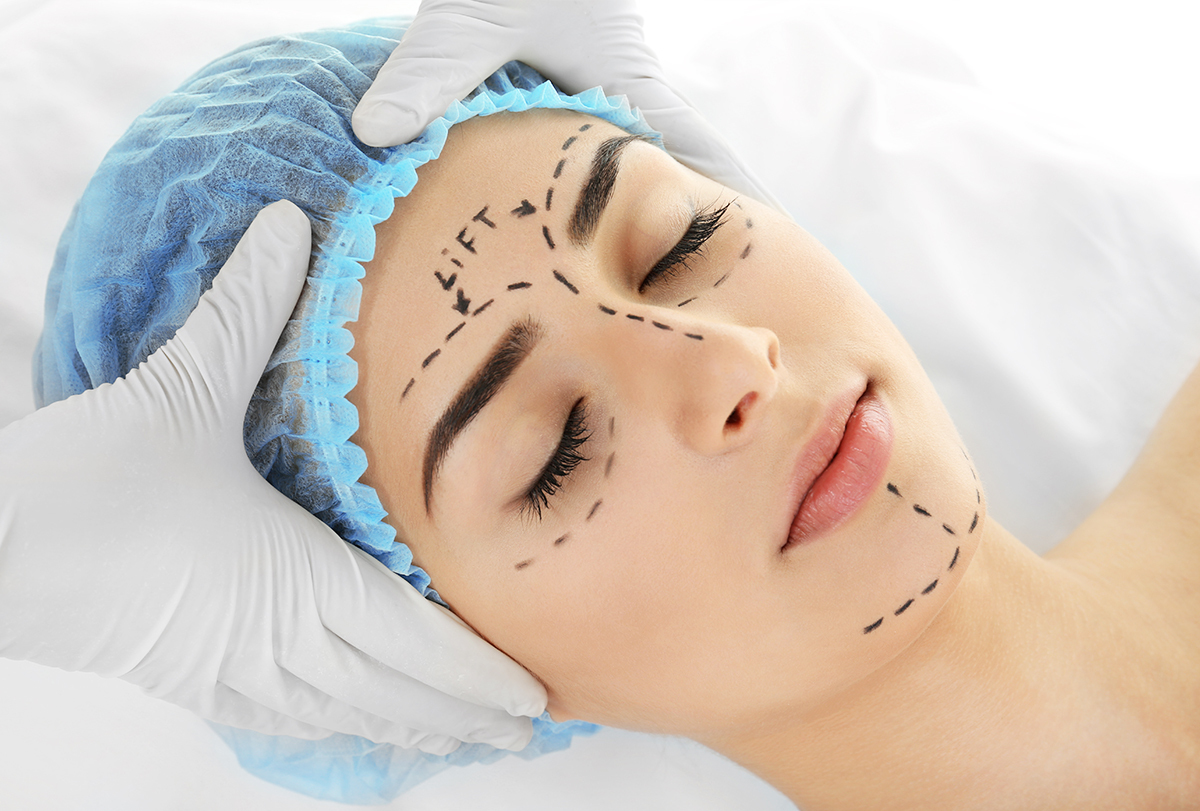
Cosmetic surgery involves inherent medical risks ranging from minor scarring and infection to severe complications like hematoma or adverse reactions to anesthesia. While advancements in 2026 have improved safety protocols and surgical precision, a patient’s underlying health, the surgeon’s expertise, and the specific complexity of the procedure remain the primary factors determining the overall risk profile for any elective aesthetic operation.
As the demand for aesthetic enhancement continues to grow, understanding the distinction between desired outcomes and potential complications is essential for any prospective patient. Cosmetic surgery is elective, yet it remains a major medical intervention that requires significant physical and psychological preparation. In 2026, the medical community emphasizes a "safety-first" approach, but no procedure is entirely without risk. This guide examines the physiological, psychological, and procedural risks associated with cosmetic surgery to provide a realistic foundation for informed consent.
The Spectrum of General Surgical Risks
Every invasive procedure, regardless of its purpose, carries a baseline of surgical risks. These are the complications that can occur whenever the skin is breached and the body is subjected to the stress of surgery and recovery.
Hematoma and Seroma
A hematoma is a large, painful collection of blood outside the blood vessels, appearing as a bruise that is firm to the touch. It is one of the most common complications following procedures like facelifts or breast augmentations. In some cases, a hematoma requires a secondary surgical procedure to drain the blood and prevent skin necrosis. Similarly, a seroma occurs when sterile fluid builds up under the surface of the skin, resulting in swelling and pain. While often manageable through needle aspiration, large seromas can lead to infection or impact the final aesthetic result.
Infection and Sepsis
Despite sterile operating environments and the routine use of prophylactic antibiotics, infection remains a significant concern. Superficial infections may cause localized redness and swelling, but if the infection reaches the bloodstream, it can lead to sepsis, a life-threatening systemic response. In 2026, the prevalence of antibiotic-resistant bacteria continues to make post-operative wound care a critical phase of the recovery process. Patients are typically monitored for fever, chills, and increasing pain, which are the hallmarks of a developing infection.
Nerve Damage and Neuropathy
During the incision and dissection phases of surgery, nerves can be stretched, bruised, or severed. This often results in temporary numbness or a "pins and needles" sensation (paresthesia). While most nerve function returns within six months to a year as the tissue heals, permanent nerve damage is a possibility. In facial surgeries, this can lead to muscle weakness or a loss of expression, while in body contouring, it may result in permanent loss of sensation in the affected area.
Risks Associated with Anesthesia
The administration of anesthesia is a complex specialty that carries its own set of risks, distinct from the surgical procedure itself. Whether a patient undergoes general anesthesia, intravenous sedation, or local anesthesia, the body's reaction to these drugs must be carefully managed.
Adverse Reactions and Anaphylaxis
Some patients may experience an allergic reaction to anesthetic agents. While rare, anaphylaxis is a medical emergency that requires immediate intervention to maintain the airway and stabilize blood pressure. Modern pre-operative screening in 2026 involves detailed genetic and historical assessments to identify these risks before the patient enters the operating room.
Post-Operative Cognitive Dysfunction (POCD)
Particularly in older populations, general anesthesia can lead to temporary confusion, memory loss, or cognitive decline following surgery. While usually transient, some patients experience lingering effects. Additionally, anesthesia carries the risk of respiratory depression and, in extremely rare cases, malignant hyperthermia—a severe reaction that causes a rapid rise in body temperature and muscle contractions.
Procedure-Specific Risks and Complications
Different cosmetic procedures carry unique risks based on the area of the body being treated and the techniques employed.
Liposuction and Fat Embolism
Liposuction is one of the most popular cosmetic procedures, yet it involves significant physiological shifts. One of the most dangerous risks is a fat embolism, where loosened fat enters the bloodstream and travels to the lungs or brain. This can cause respiratory distress or stroke-like symptoms. Furthermore, aggressive liposuction can lead to contour irregularities—permanent ripples or "dents" in the skin that are difficult to correct even with revision surgery.
Breast Augmentation: Rupture and BIA-ALCL
Breast augmentation carries long-term risks beyond the initial recovery period. These include capsular contracture, where the scar tissue around the implant hardens and squeezes the device, causing pain and distortion. Patients must also be aware of Breast Implant-Associated Anaplastic Large Cell Lymphoma (BIA-ALCL), a rare type of non-Hodgkin’s lymphoma. According to FDA safety communications, tracking these risks requires lifelong monitoring and periodic imaging to check for "silent" ruptures in silicone implants.
Rhinoplasty and Airway Obstruction
Reshaping the nose is a delicate balance of aesthetics and function. A primary risk of rhinoplasty is the unintentional compromise of the nasal airway. If too much cartilage or bone is removed, the internal valves may collapse, leading to chronic breathing difficulties. Revision rhinoplasty is notably more complex than the initial surgery due to the presence of scar tissue and the lack of remaining structural material.
Procedural Risk Comparison Table
The following table outlines the estimated recovery times and primary risks associated with the most common cosmetic procedures as of 2026.
| Procedure | Typical Recovery (Weeks) | Primary Risks | Severity Level |
|---|---|---|---|
| Facelift | 2–4 | Nerve damage, hematoma, skin loss | Moderate |
| Breast Augmentation | 1–2 | Capsular contracture, implant rupture, BIA-ALCL | Moderate to High (Long-term) |
| Liposuction | 1–3 | Fat embolism, contour irregularities, fluid imbalance | Moderate |
| Rhinoplasty | 1–2 | Breathing difficulties, septal perforation, dissatisfaction | Moderate |
| Abdominoplasty | 4–6 | Blood clots (DVT), seroma, wound dehiscence | High |
| Blepharoplasty | 1–2 | Dry eyes, vision changes, inability to close eyelids | Low to Moderate |
The Psychological Risks of Cosmetic Surgery
The risks of cosmetic surgery are not limited to the physical body. Because these procedures are designed to alter appearance and, by extension, self-image, the psychological stakes are high.
Body Dysmorphic Disorder (BDD)
Patients with BDD possess an obsessive focus on perceived flaws in their appearance. Surgery often fails to resolve the underlying psychological distress for these individuals, leading to a cycle of repeated surgeries and increasing dissatisfaction. Ethical surgeons in 2026 utilize psychological screening tools to identify BDD and may refer patients to mental health professionals rather than proceeding with surgery.
Post-Operative Depression
It is common for patients to experience a "post-op slump." The combination of physical exhaustion, pain, and the initial distorted appearance (swelling and bruising) can lead to feelings of regret and sadness. While this usually resolves as the final results emerge, some patients suffer from persistent dissatisfaction if the surgery does not meet their idealized expectations. This highlights the importance of managing expectations during the pre-operative consultation.
Factors that Increase Surgical Risk
While every patient faces some risk, certain lifestyle factors and medical conditions can significantly increase the likelihood of a negative outcome.
- Smoking and Nicotine Use: Nicotine constricts blood vessels, severely impeding the healing process. Smokers have a much higher risk of skin necrosis (tissue death) and wound infections. Most surgeons in 2026 require patients to be nicotine-free for at least four to six weeks before and after surgery.
- Obesity (High BMI): A high Body Mass Index (BMI) increases the risk of anesthesia complications and cardiovascular stress. It also raises the likelihood of wound dehiscence (surgical incisions reopening) and deep vein thrombosis (DVT).
- Chronic Medical Conditions: Uncontrolled diabetes, hypertension, and autoimmune disorders can impair the body’s ability to recover and increase the susceptibility to infection.
- Blood Thinners: Supplements like Vitamin E, fish oil, and medications like aspirin can increase bleeding during and after surgery, leading to hematomas.
How to Minimize Cosmetic Surgery Risk
Minimizing risk begins long before the first incision is made. In 2026, the emphasis is on comprehensive patient education and strict adherence to safety standards.
Verify Surgeon Credentials
The single most important step in reducing risk is choosing a surgeon who is board-certified by a recognized body, such as the American Board of Plastic Surgery (ABPS). Board certification ensures the surgeon has undergone rigorous training and adheres to high ethical and safety standards.
Facility Accreditation
Surgeries should be performed in accredited surgical centers or hospitals. These facilities are regularly inspected for safety, equipment quality, and emergency preparedness. Operating in unaccredited "back-room" clinics significantly increases the risk of unmanaged complications.
Follow Pre- and Post-Operative Instructions
The recovery period is as critical as the surgery itself. Following the surgeon's instructions regarding activity levels, medication, and wound care is the best defense against complications. This includes attending all follow-up appointments so the surgeon can monitor for early signs of infection or hematoma.
Frequently Asked Questions
What is the most dangerous cosmetic surgery?
Statistically, the Brazilian Butt Lift (BBL) has historically been cited as having a high mortality rate due to the risk of fat embolism when fat is injected too deeply into the muscle. However, updated safety guidelines in 2026 and refined techniques have significantly improved its safety profile. Generally, major "combo" surgeries (like a "Mommy Makeover") carry higher risks due to prolonged anesthesia time and the extent of tissue trauma.
Can I reduce my risk of scarring?
While some scarring is inevitable with any incision, its appearance can be minimized. Following post-operative care, avoiding sun exposure on the incision site, and using silicone sheets or gels as recommended by your surgeon can help. Genetic factors also play a role; individuals prone to keloids should discuss this with their surgeon beforehand.
Is "lunchtime" or "mini" surgery safer?
Not necessarily. While less invasive procedures may involve shorter anesthesia times, they are still surgical acts. "Mini" procedures often have limitations in what they can achieve, and if performed by underqualified practitioners, the risk of dissatisfaction or minor complications remains. Always treat any procedure that breaks the skin with the same level of caution as a major operation.
How do I know if my swelling is normal or an emergency?
Normal swelling is gradual and usually peaks within 48 to 72 hours post-surgery. Emergency signs include sudden, asymmetric swelling (which could indicate a hematoma), shortness of breath, chest pain, or a fever over 101°F. If you experience these symptoms, contact your surgical team or emergency services immediately.
Does health insurance cover the cost of complications?
Most health insurance policies do not cover complications arising from elective cosmetic surgery. Patients are often responsible for the costs of revision surgery, hospital stays, or emergency room visits related to the procedure. Many patients in 2026 opt for specialized complication insurance to mitigate this financial risk.
Final Recommendation for Prospective Patients
If you are considering cosmetic surgery, the best course of action is to schedule a consultation with a board-certified plastic surgeon to discuss your medical history and aesthetic goals. Be transparent about your lifestyle, including smoking and supplement use, and ask specifically about the complication rates for the procedure you are interested in. A responsible surgeon will not only highlight the benefits but will also provide a detailed explanation of the risks and how they plan to manage them.