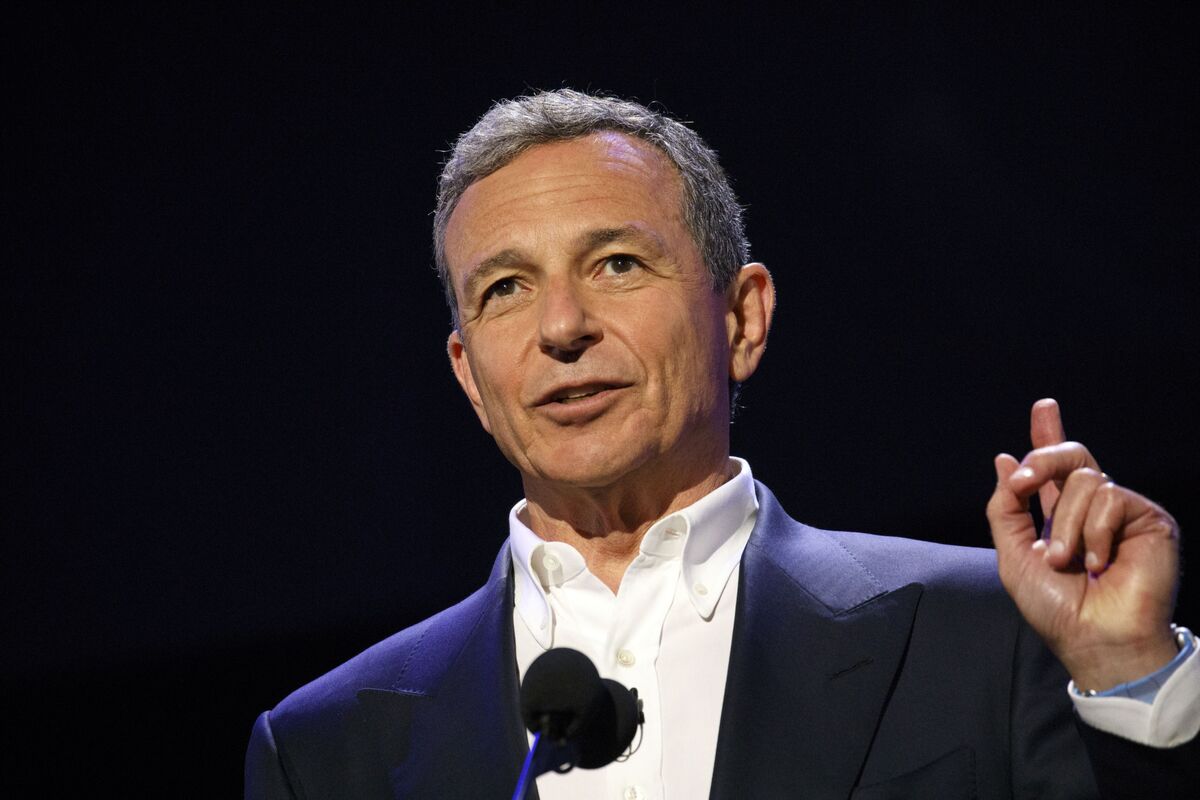
Bob Iger does not own The Walt Disney Company; rather, he serves as its Chief Executive Officer, leading the multinational media conglomerate under the oversight of a board of directors while holding a relatively small fraction of the company's total outstanding shares through direct ownership and stock-based compensation.
Understanding Corporate Ownership Versus Executive Leadership
The distinction between owning a corporation and managing it is fundamental to understanding modern corporate governance, particularly for publicly traded entities like The Walt Disney Company. Many casual observers assume that high-profile chief executive officers own the enterprises they lead, especially when an executive becomes synonymous with a brand's public identity. However, publicly traded companies are owned collectively by their shareholders—individuals, mutual funds, pension plans, and institutional investment firms that purchase shares of stock on public exchanges such as the New York Stock Exchange.
Robert "Bob" Iger occupies the role of Chief Executive Officer (CEO), an employee hired by and accountable to Disney's Board of Directors, which represents the collective body of shareholders. While Iger commands substantial influence over the strategic direction, creative output, and operational management of the media empire, his legal status is that of a corporate officer rather than an individual proprietor or majority owner. His personal wealth is tied significantly to Disney stock grants, performance-based equity awards, and historical compensation packages, but his equity stake represents a minute fraction of the company's total market capitalization.
Bob Iger’s Current Role and Executive Timeline at The Walt Disney Company
Bob Iger’s relationship with The Walt Disney Company spans several decades, marked by pivotal periods of expansion, leadership transitions, and strategic returns. Having originally joined ABC (which Disney later acquired) in 1974, Iger climbed the corporate ranks to become President and Chief Operating Officer of Disney before first succeeding Michael Eisner as CEO in 2005. During his initial fifteen-year tenure as chief executive, which extended through 2020, Iger orchestrated transformative multi-billion-dollar acquisitions that reshaped the entertainment landscape, including the purchases of Pixar Animation Studios in 2006, Marvel Entertainment in 2009, Lucasfilm in 2012, and 21st Century Fox in 2019. He also spearheaded the launch of the company's flagship direct-to-consumer streaming service, Disney+, in late 2019.
Following his initial tenure, Iger transitioned briefly to Executive Chairman through 2021 before retiring from the company at the end of that year. However, following a period of strategic turbulence and leadership shifts under his handpicked successor, Bob Chapek, Disney's Board of Directors re-appointed Iger as CEO in November 2022. This return was designed to restore investor confidence, stabilize creative output, and navigate ongoing disruptions in the media sector, including the post-pandemic box office recovery and the path to profitability for the company's streaming division. His leadership contract has seen subsequent extensions as the board works to groom internal successors and solidify long-term corporate stability.
Examining Bob Iger’s Compensation Package and Equity Holdings
Evaluating Bob Iger’s financial stake in Disney requires examining public filings submitted to the U.S. Securities and Exchange Commission (SEC), specifically annual proxy statements and executive compensation disclosures. Executive pay for a major media conglomerate is structured to align the leader's financial incentives with shareholder returns, balancing base salary with performance-based stock options, restricted stock units, and cash bonuses tied to financial metrics such as operating income, free cash flow, and streaming profitability.
| Compensation Component | Description | Typical Structure and Metrics |
|---|---|---|
| Base Salary | Fixed annual cash compensation | Set by contract, serving as the guaranteed baseline income regardless of market fluctuations. |
| Annual Cash Incentive | Performance-based bonus | Tied to hitting specific annual financial targets, strategic milestones, and operational objectives. |
| Performance-Based Stock Options | Equity grants vesting upon performance conditions | Designed to reward long-term share price appreciation and relative total shareholder return. |
| Restricted Stock Units (RSUs) | Shares granted that vest over time | Encourages executive retention and long-term alignment with institutional and retail shareholders. |
Publicly filed proxy statements demonstrate that Iger's total realized and realizable compensation in any given fiscal year often reaches tens of millions of dollars, heavily weighted toward equity awards rather than cash salary. Despite these substantial earnings, Iger's direct share ownership amounts to a small percentage—typically well under one percent—of Disney’s total outstanding common stock. Institutional investors such as Vanguard Group and BlackRock hold vastly larger portions of the company on behalf of millions of everyday investors through index funds, mutual funds, and retirement accounts.
The Mechanics of Publicly Traded Entertainment Conglomerates
To fully comprehend why Bob Iger does not own Disney, it is helpful to review the structural mechanics of modern public corporations. The Walt Disney Company is incorporated under the laws of the State of Delaware and trades under the ticker symbol DIS. Its ownership is divided into hundreds of millions of individual shares held by institutional and retail investors globally.
Governance authority is distributed among three primary layers:
- The Shareholders: The ultimate owners of the corporation who vote on major corporate matters, including the election of board directors and advisory votes on executive compensation packages.
- The Board of Directors: A group of independent directors elected by shareholders to oversee management, establish broad corporate policies, and hire, evaluate, or terminate the Chief Executive Officer.
- Executive Management: Led by the CEO and executive officers, this team is responsible for day-to-day operations, film production, theme park management, streaming platform maintenance, and corporate strategy.
Because ownership is dispersed across a vast public market, no single individual—not even the CEO—possesses controlling ownership. Even if Iger were to liquidate all his personal assets to purchase additional Disney shares on the open market, the sheer scale of Disney's multi-billion-dollar market capitalization makes individual majority ownership virtually impossible.
Common Misconceptions Regarding Celebrity CEOs and Corporate Ownership
The conflation of high-profile leadership with absolute ownership is a widespread phenomenon in modern business journalism and popular culture. When a leader like Bob Iger becomes synonymous with a brand's cultural output—overseeing the integration of Star Wars, Marvel superheroes, Pixar characters, and classic Disney animation—the public often attributes the entire corporate entity to that individual. This confusion is compounded by media headlines focusing on multi-million-dollar pay packages, which can sound equivalent to owning the enterprise to those unfamiliar with corporate finance terminology.
Furthermore, terminology surrounding stock options and equity compensation frequently breeds misunderstanding. When an executive receives millions of dollars in stock grants, readers may interpret this as acquiring ownership of the company's underlying physical assets, such as theme parks, film studios, and cruise ships. In reality, holding shares of common stock grants an economic interest in the company's earnings and dividends, along with voting rights, but it does not confer direct title to corporate property or operational autonomy free from board oversight.
Frequently Asked Questions
Does Bob Iger own any shares of Disney?
Yes, Bob Iger owns shares of Disney. Through his decades of service, executive compensation packages, and open-market purchases, he holds a significant personal portfolio of Disney stock. However, this stake represents a tiny fraction of the company's total outstanding shares and does not constitute controlling ownership.
How much is Bob Iger paid as Disney CEO?
Bob Iger's annual compensation package is determined by the Disney Board of Directors and is detailed in the company's annual proxy statements filed with the SEC. His compensation typically consists of a fixed base salary, annual performance-based cash bonuses, and substantial equity awards in the form of stock options and restricted stock units, often totaling tens of millions of dollars annually depending on company performance.
Can a CEO be fired if they do not own the company?
Yes. Because a CEO is an employee hired by the board of directors, they can be removed from their position regardless of whether they own stock. The board represents the shareholders and possesses the legal authority to replace executive leadership if performance expectations, strategic goals, or financial metrics are not met.
Who actually owns The Walt Disney Company?
The Walt Disney Company is owned by its shareholders. These include large institutional asset management firms (such as Vanguard and BlackRock), mutual funds, pension funds, and individual retail investors who purchase shares of Disney common stock on the public stock exchange.
What is Bob Iger's primary responsibility at Disney?
As Chief Executive Officer, Bob Iger's primary responsibility is to oversee the overall management, creative direction, financial performance, and strategic growth of the company's diverse business segments, which include media networks, streaming services, studio entertainment, and parks, experiences, and products.
Conclusion and Summary of Executive Status
Bob Iger remains one of the most influential executive leaders in corporate history, guiding The Walt Disney Company through an era of unprecedented expansion and digital transformation. However, he does not own Disney. The company is a publicly traded corporation owned by its diverse body of shareholders, while Iger operates as its Chief Executive Officer under the governance of the board of directors. His substantial financial rewards stem from performance-based compensation and equity grants rather than proprietary ownership of the enterprise.