Navigating healthcare coverage while expecting can feel overwhelming, but New Jersey provides robust support systems through its public health programs. For residents seeking public healthcare assistance, NJ FamilyCare acts as the state's publicly funded health insurance program, incorporating both Medicaid and the Children's Health Insurance Program (CHIP). This framework ensures that pregnant individuals receive comprehensive, no-cost or low-cost medical care throughout their pregnancy and postpartum recovery. Understanding how to qualify, apply, and maximize these benefits is essential for ensuring a healthy journey for both parent and child in 2026.
Understanding NJ FamilyCare Coverage for Pregnant Individuals
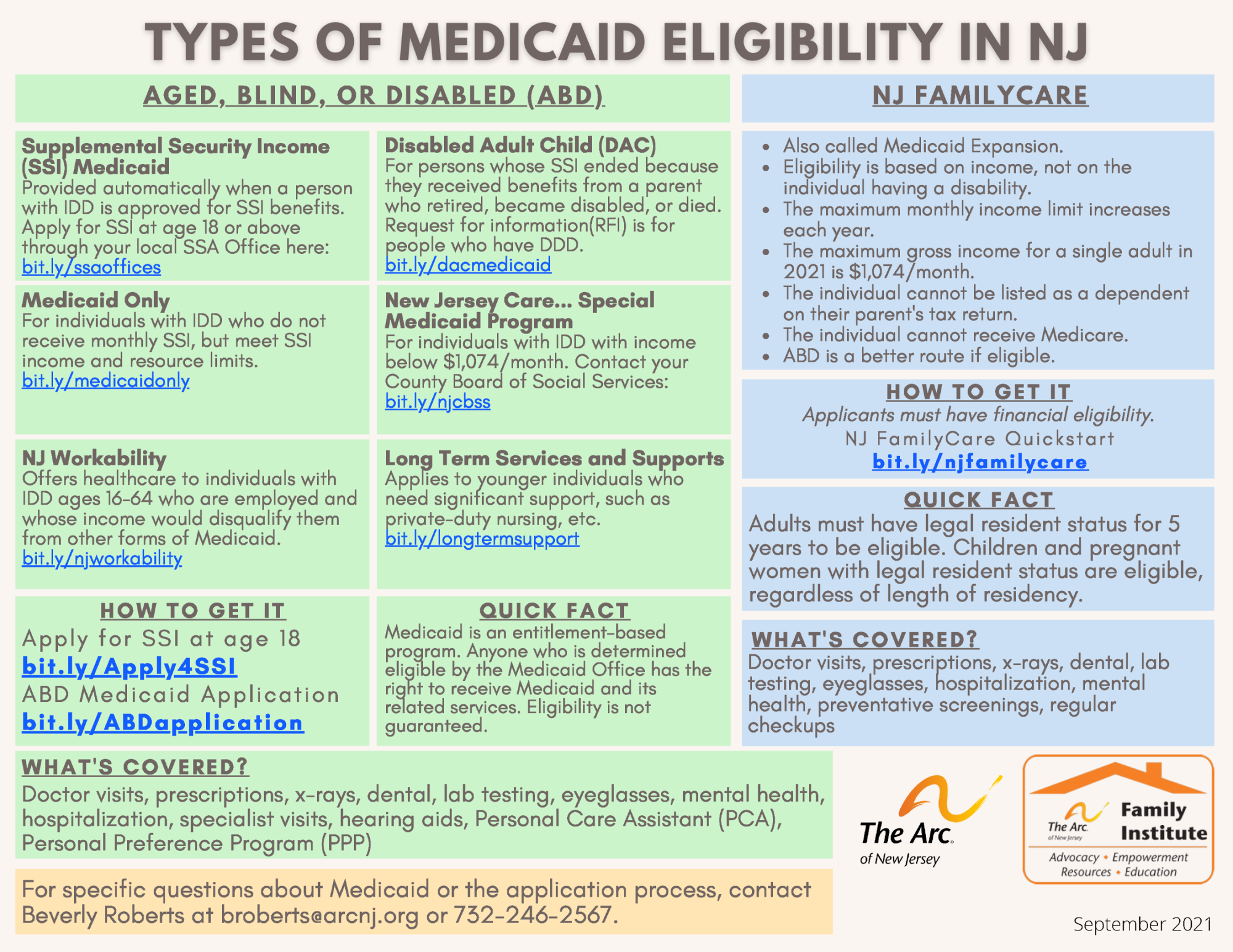
NJ FamilyCare offers specialized coverage categories specifically designed to support maternal health. Under federal and state guidelines, pregnant individuals meeting specific financial criteria gain access to comprehensive healthcare services with minimal to zero out-of-pocket expenses.
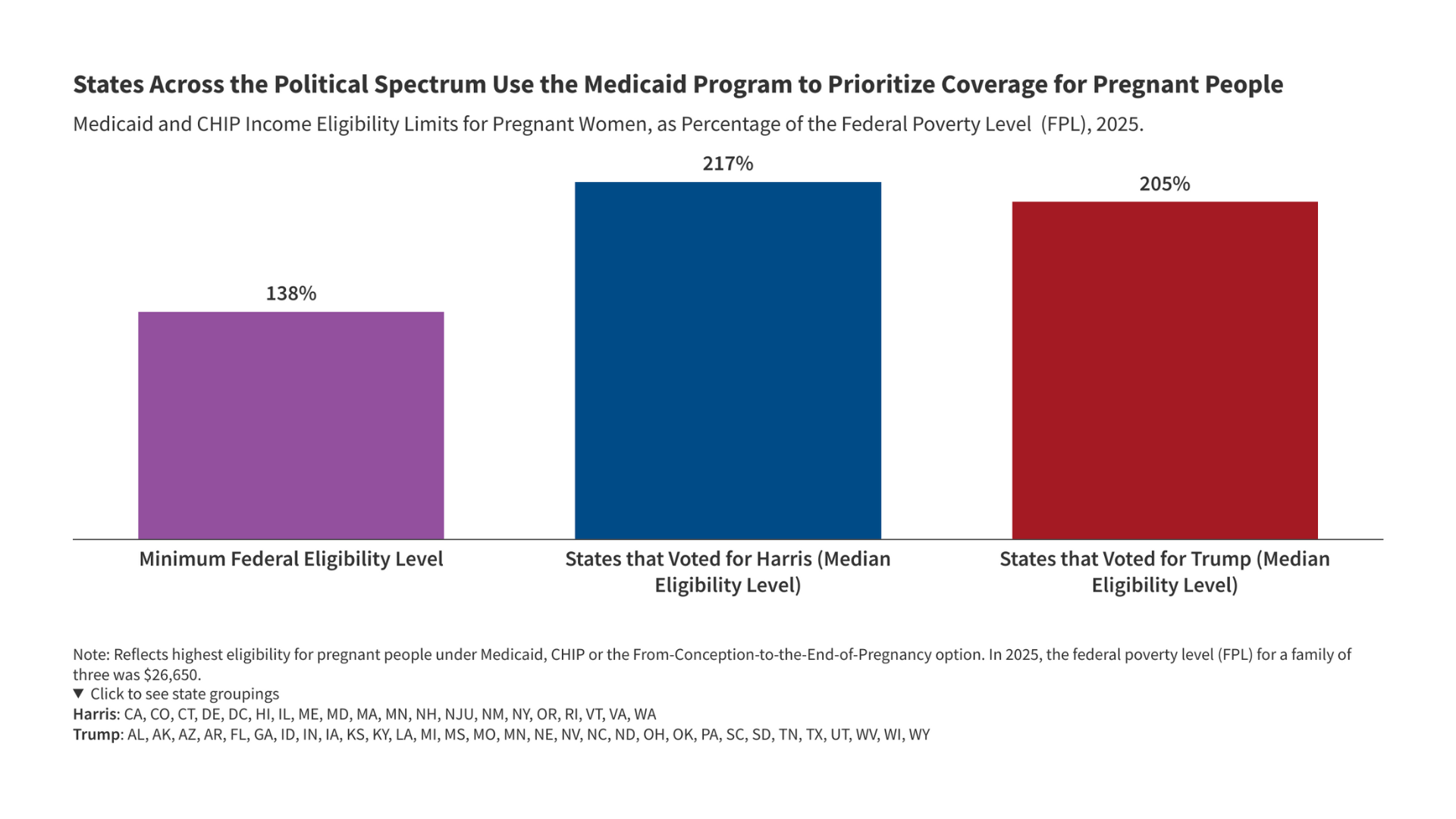
Unlike standard adult Medicaid tracks, pregnancy-related NJ FamilyCare tiers feature significantly higher income thresholds, allowing many middle-income families to qualify who might otherwise exceed standard limits. Furthermore, once eligibility is established, coverage remains protected throughout the duration of the pregnancy and extends for a full 12 months postpartum, ensuring continuous care during the critical fourth trimester.
Key Benefits Included Under Pregnancy Medicaid
The scope of covered services under NJ FamilyCare for pregnant members is exceptionally comprehensive, minimizing financial barriers to essential obstetric and pediatric care. Covered services encompass:
- Complete prenatal doctor visits, routine screenings, and specialized diagnostic tests
- Prenatal vitamins prescribed by a licensed healthcare provider
- Inpatient and outpatient hospital services related to labor, delivery, and postpartum recovery
- Prescription medications with little to no copayments
- Mental health support, counseling, and substance use disorder treatment programs
- Transportation assistance to and from medical appointments for eligible members
- Dental care and vision services during the active pregnancy period
2026 Income Eligibility Guidelines and Financial Thresholds
Qualifying for NJ FamilyCare during pregnancy depends primarily on household size and modified adjusted gross income (MAGI). New Jersey calculates these thresholds based on the Federal Poverty Level (FPL) percentages adjusted annually. For pregnancy-related coverage, the income limit is substantially higher than standard Medicaid, reaching up to 194% of the FPL, alongside an additional 5% disregard applied during the eligibility determination process.
The following data table outlines the estimated income parameters for NJ FamilyCare pregnancy coverage based on household size structures.
| Household Size | Approximate Maximum Monthly Income (MAGI) | Approximate Maximum Annual Income (MAGI) | Estimated FPL Percentage Tier |
|---|---|---|---|
| 1 (Expecting Mother) | $2,498 | $29,975 | Up to 199% FPL |
| 2 | $3,382 | $40,583 | Up to 199% FPL |
| 3 | $4,267 | $51,200 | Up to 199% FPL |
| 4 | $5,151 | $61,817 | Up to 199% FPL |
| 5 | $6,036 | $72,433 | Up to 199% FPL |
| 6 | $6,920 | $83,050 | Up to 199% FPL |
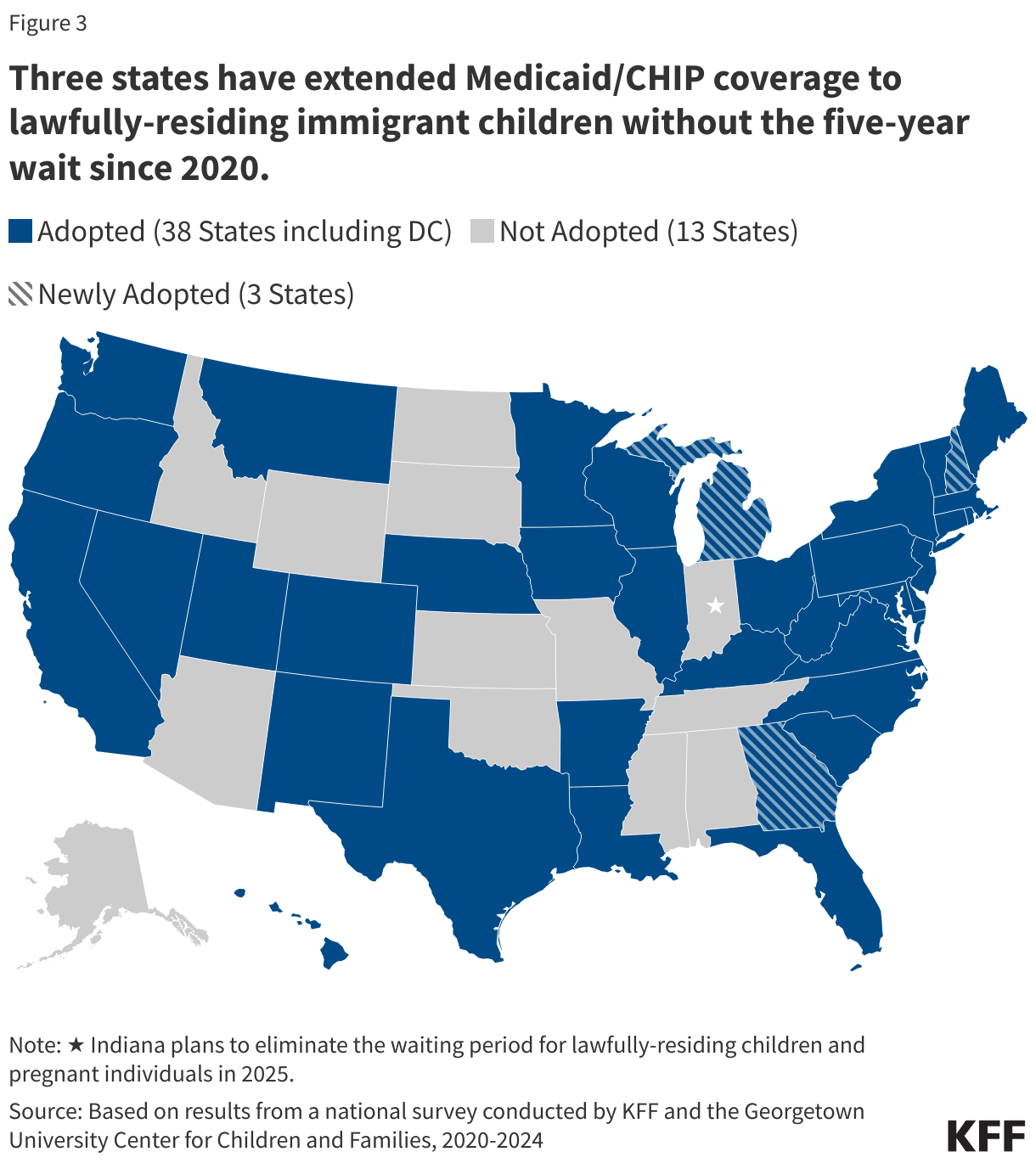
Note that immigration status rules also apply; pregnant individuals who meet income requirements may qualify for prenatal care coverage regardless of immigration status through specialized state-funded pathways, ensuring that every expectant mother in New Jersey receives vital medical attention.
Step-by-Step Application Process for Expectant Mothers
Securing coverage promptly is vital to ensure that prenatal care begins during the first trimester. The state offers multiple streamlined pathways to submit an application, review status documents, and select a managed care organization (MCO).
Step 1: Gather Required Documentation
Before launching the application, compile the necessary verification documents to prevent administrative delays. Essential paperwork includes:
- Proof of identity (such as a driver's license, passport, or birth certificate)
- Proof of New Jersey residency (utility bill, lease agreement)
- Documentation of all household income (recent pay stubs, W-2 forms, or tax returns)
- A doctor's note or medical confirmation of pregnancy (optional, but helps expedite processing)
Step 2: Submit the Application Online or By Phone
The fastest way to apply is through the official NJ FamilyCare online portal. Alternatively, applicants can apply over the phone by calling the state's health helpline or by visiting a local county Board of Social Services office. Expedited processing is frequently granted for pregnant applicants to ensure immediate care access.
Step 3: Choose a Managed Care Organization (MCO)
Once approved, members must select a Managed Care Organization that administers their benefits and network providers. Major contracted health plans operating within New Jersey include:
- Horizon NJ Health
- Aetna Better Health of New Jersey
- UnitedHealthcare Community Plan
- Wellpoint (formerly Amerigroup New Jersey)
- Molina Healthcare of New Jersey
Choosing the Right Managed Care Plan: A Comparative Analysis
Selecting an MCO requires evaluating local hospital system affiliations, participating obstetrician networks, and prescription coverage details. Each plan partners with premier New Jersey medical centers, such as Rutgers Robert Wood Johnson University Hospital, Hackensack Meridian Health facilities, and Atlantic Health System hospitals.
| Managed Care Plan | Primary Network Highlights | Special Pregnancy Perks | PCP / Referral Rules |
|---|---|---|---|
| Horizon NJ Health | Extensive statewide provider network; partners with major NJ hospital systems. | Enhanced rewards programs for attending prenatal and postpartum checkups. | PCP selection required; referrals needed for specific specialists. |
| Aetna Better Health | Strong integration with community health centers and urban medical hubs. | Access to specialized maternity management apps and nurse hotlines. | PCP selection required; care coordination support available. |
| UnitedHealthcare | Broad national backing with deep regional provider integration in NJ. | Extra allowances for postpartum items and breastfeeding support tools. | PCP selection required; direct access for routine OB/GYN care. |
| Wellpoint | Focus on holistic wellness, behavioral health, and maternal outreach. | Dedicated case managers for high-risk pregnancies and infant care. | PCP selection required; community health worker support. |
Expert Tips and Troubleshooting for Active Coverage
Maintaining active coverage throughout pregnancy and the postpartum year requires careful attention to administrative notices and provider selection.
Prioritizing Early Prenatal Visits
Schedule your initial obstetric appointment as soon as you confirm your pregnancy. Even if your NJ FamilyCare application is still pending review, many healthcare providers and federally qualified health centers (FQHCs) offer presumptive eligibility or retrospective billing support, ensuring care is never delayed.
Managing Managed Care Transitions
If you are already enrolled in a standard NJ FamilyCare plan before becoming pregnant, report your pregnancy status to the state immediately. Updating your case ensures you are transitioned into the correct pregnancy-specific eligibility category, granting access to expanded benefits and specialized maternal health programs.
Handling Notice Renewals and Postpartum Coverage
Keep your contact information updated with the state. Under federal and state continuity rules, postpartum coverage extends for a full 12 months following the end of the pregnancy, regardless of changes in household income during that timeframe. Respond promptly to any annual renewal requests sent by mail or electronic portal to prevent accidental lapses in coverage.
Frequently Asked Questions
Can I apply for NJ FamilyCare if I am already pregnant?
Yes, you can apply at any stage of your pregnancy, and approvals for pregnant individuals are often prioritized for rapid processing. Coverage can sometimes be backdated up to three months prior to the application month to cover unpaid medical bills incurred during early pregnancy.
Do I need to pay any copays for my prenatal visits or delivery?
Pregnancy-related services under NJ FamilyCare generally feature zero copays for doctor visits, lab tests, prescriptions, and hospital delivery fees. This zero-cost structure ensures that financial constraints never impede access to essential maternal care.
Are undocumented immigrants eligible for pregnancy coverage in New Jersey?
Yes, New Jersey offers comprehensive prenatal care coverage for low-income pregnant individuals regardless of immigration status through state-funded initiatives. These programs cover all necessary prenatal, labor, and delivery services.
How long does postpartum coverage last after the baby is born?
Postpartum coverage under NJ FamilyCare extends for a full 12 months after the pregnancy concludes. This extended window ensures comprehensive physical and mental healthcare support for the parent throughout the entire first year postpartum.
Can I choose my own obstetrician or hospital?
You can select any obstetrician or hospital that participates in the network of the specific Managed Care Organization (MCO) you choose. It is recommended to verify directly with your preferred doctor's office to confirm which NJ FamilyCare health plans they accept before finalizing your enrollment.
Conclusion and Next Steps
Accessing healthcare coverage during pregnancy is a critical step toward ensuring a healthy outcome for both parent and newborn. By leveraging NJ FamilyCare's comprehensive pregnancy benefits, families across New Jersey gain access to top-tier medical networks, prescription support, and year-long postpartum care without the burden of prohibitive medical debt. To begin your enrollment or update an existing account, visit the official NJ FamilyCare online portal today or connect with a local enrollment specialist to secure your coverage without delay.