Navigating preventative care and keeping immunization records up to date can feel like an administrative chore, especially when you experience a sudden puncture wound, scrape, or animal bite. For millions of Americans seeking immediate medical protection, retail health clinics offer a convenient alternative to traditional primary care offices or emergency rooms. If you are wondering whether you can walk into a CVS Pharmacy to receive a tetanus booster, the short answer is yes. However, specific clinical guidelines, age restrictions, and insurance protocols dictate how and where you can receive your dose in 2026.
Understanding Tetanus and Immunization Guidelines
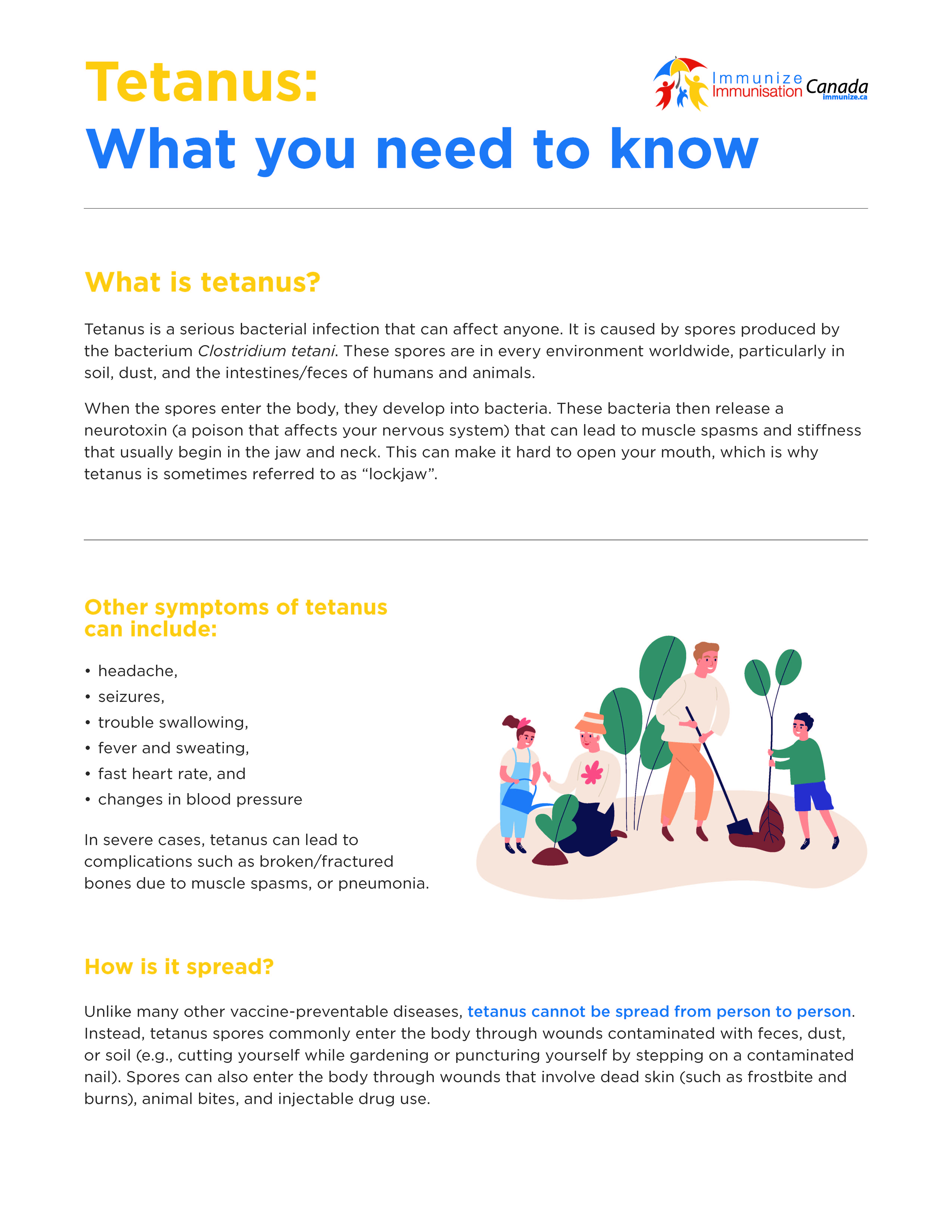
Tetanus, commonly known as lockjaw, is a serious bacterial infection caused by Clostridium tetani. The spores of this bacterium are found universally in soil, dust, and manure, and they enter the human body through breaks in the skin. Once inside, the bacteria produce a potent neurotoxin that attacks the central nervous system, leading to painful muscle contractions, severe jaw cramping, and potentially fatal complications. Because these spores are ubiquitous in the environment, maintaining immunity through timely vaccination is essential.
In modern clinical practice, adults do not receive a standalone tetanus-only vaccine unless they have a documented contraindication to other components. Instead, healthcare providers administer combination vaccines that protect against multiple pathogens simultaneously.
- Tdap (Tetanus, Diphtheria, and Pertussis): Recommended for adolescents and adults to protect against tetanus, diphtheria, and whooping cough. Every pregnant individual should receive a Tdap dose during each pregnancy, optimally between 27 and 36 weeks gestation.
- Td (Tetanus and Diphtheria): Used primarily as a booster dose given every 10 years, or for wound management if the patient has a documented allergy to the pertussis component.
Standard clinical protocols dictate that adults receive a booster dose every 10 years. However, if you sustain a severe, dirty, or deep wound (such as a puncture from a rusty nail or an animal bite), your immunization schedule may be accelerated. If it has been more than five years since your last tetanus-containing vaccine and you sustain this type of injury, clinicians will typically recommend an immediate booster alongside wound cleaning and, in some cases, tetanus immune globulin (TIG).
How CVS MinuteClinic and Pharmacy Services Deliver Vaccines
CVS Health provides immunization services through two primary avenues: CVS Pharmacy locations with certified immunizing pharmacists and standalone or in-store MinuteClinic walk-in medical centers. Understanding the distinction between these two points of service helps ensure you visit the correct counter and experience a streamlined appointment.
Immunizing pharmacists at CVS can administer a wide array of adult vaccines, including Tdap and Td boosters. In many states, state regulations and board of pharmacy rulings permit pharmacists to vaccinate children as young as three years old, though age limits vary significantly by geography. MinuteClinic providers, which include Nurse Practitioners (NPs) and Physician Assistants (PAs), offer broader diagnostic and treatment capabilities. If you require a tetanus shot because of a specific injury, visiting a MinuteClinic is often preferable because the clinician can evaluate the wound, determine if antibiotics or specialized cleaning are required, and document the injury in your medical record.
State Regulations and Age Restrictions at CVS
While CVS maintains a national operational footprint, vaccine administration is governed strictly by state-level pharmacy and medical boards. These jurisdictional boundaries affect who can receive a vaccine and whether a prescription is required.
- Adults (18+): Can receive Tdap or Td boosters directly from a CVS pharmacist without a prescription in nearly all states, subject to state-specific protocol agreements.
- Adolescents (Ages 7 to 17): Can typically receive vaccines at CVS MinuteClinic or select pharmacies, provided parental consent is obtained and state law permits pharmacists to vaccinate minor populations.
- Young Children (Under 7): Routine pediatric immunizations, including DTaP (the pediatric formulation), are generally not administered at retail pharmacies or MinuteClinic locations. Children under seven must receive their vaccinations through a pediatrician's office or a local public health department.
Preparing for Your CVS Tetanus Shot Visit
To ensure a smooth and efficient visit to CVS for your tetanus immunization, preparation is key. Whether you walk in or schedule an appointment online through the CVS digital portal or mobile app, having the correct documentation ready prevents unnecessary delays at the checkout counter or clinical intake desk.
- Verify Your Vaccination History: Check your personal health records, state immunization registry, or previous medical portal to determine the exact date of your last tetanus shot. Knowing whether you need a routine 10-year booster or a wound-specific post-exposure dose dictates which vaccine formulation is selected.
- Bring Valid Identification and Insurance Cards: Bring a government-issued photo ID along with your primary health insurance card and prescription benefit card. Many preventive vaccines are fully covered under Affordable Care Act (ACA) guidelines, but policy structures vary.
- Complete Intake Forms: You will be asked to fill out a brief pre-vaccination questionnaire detailing your current health status, known allergies (such as severe reactions to latex or previous vaccine components), and any active illnesses or fevers.
- Inquire About Pricing and Out-of-Pocket Costs: If you are uninsured or your plan has high out-of-pocket deductibles for retail health services, ask the pharmacy technician or clinic administrator for the current self-pay cash price before the dose is drawn.
Insurance Coverage, Costs, and Financial Logistics
Navigating the financial aspect of retail healthcare requires understanding the difference between medical insurance and pharmacy benefits. CVS participates in extensive provider networks, but coverage depends entirely on your specific health plan design.
Under the Affordable Care Act, most commercial health insurance plans are mandated to cover preventative vaccines, including Tdap, with zero patient cost-sharing when administered by an in-network provider. However, if you visit CVS strictly for an injury evaluation at a MinuteClinic combined with a tetanus shot, the visit may be billed under your medical benefit, which could be subject to your deductible or an urgent care copay.
Important Financial Note: Always present your health insurance card to the pharmacy or clinic staff prior to vaccine administration. If a vaccine is processed incorrectly under pharmacy benefits instead of medical benefits (or vice versa), it can result in a denied claim that requires administrative appeal.
| Coverage Type | Typical Process & Requirements | Potential Out-of-Pocket Cost |
|---|---|---|
| Commercial Insurance (PPO/HMO) | Covered as preventative care under ACA guidelines; verify in-network status via CVS portal. | $0 copay if preventative; subject to deductible if administered for acute wound care. |
| Medicare Part B / Part D | Part D covers retail pharmacy adult vaccines (including Tdap) with standard plan cost-sharing. Part B covers vaccines tied directly to certain injuries. | Varies by Medicare plan formulary, deductible status, and gap coverage. |
| Medicaid / Managed Medicaid | Coverage varies significantly by state regulations, approved provider networks, and age restrictions. | Generally $0, provided the plan authorizes retail pharmacy administration. |
| Self-Pay / Uninsured | Direct cash-pay option available for individuals without active insurance coverage. | Full retail price for the vaccine serum plus administration fees (typically ranges from $60 to $100+ total). |
Pros and Cons of Getting a Tetanus Shot at CVS
Choosing where to receive your healthcare involves weighing convenience against continuity of care. Below is an objective breakdown of the advantages and limitations of utilizing CVS for your tetanus immunization.
- Pros:
- Extensive Accessibility: Thousands of nationwide locations with evening and weekend operating hours.
- Walk-In Flexibility: Ability to walk in without an appointment or easily book a slot online within minutes.
- Speed and Efficiency: Rapid intake process designed to deliver preventative care without lengthy waiting room delays.
- Digital Record Integration: Integration with the CVS app makes accessing your vaccination history straightforward for travel or employment records.
- Cons:
- Limited Pediatric Care: Inability to vaccinate children under the age of seven at retail counters.
- Acute Wound Limitations: While MinuteClinic providers can clean and assess minor cuts, severe trauma, deep punctures requiring surgical intervention, or complex fractures must be treated in an Emergency Department.
- Insurance Nuances: Potential friction if insurance plans do not contract directly with retail pharmacy chains for specific medical evaluations.
Step-by-Step Guide: Getting Your Tetanus Shot at CVS
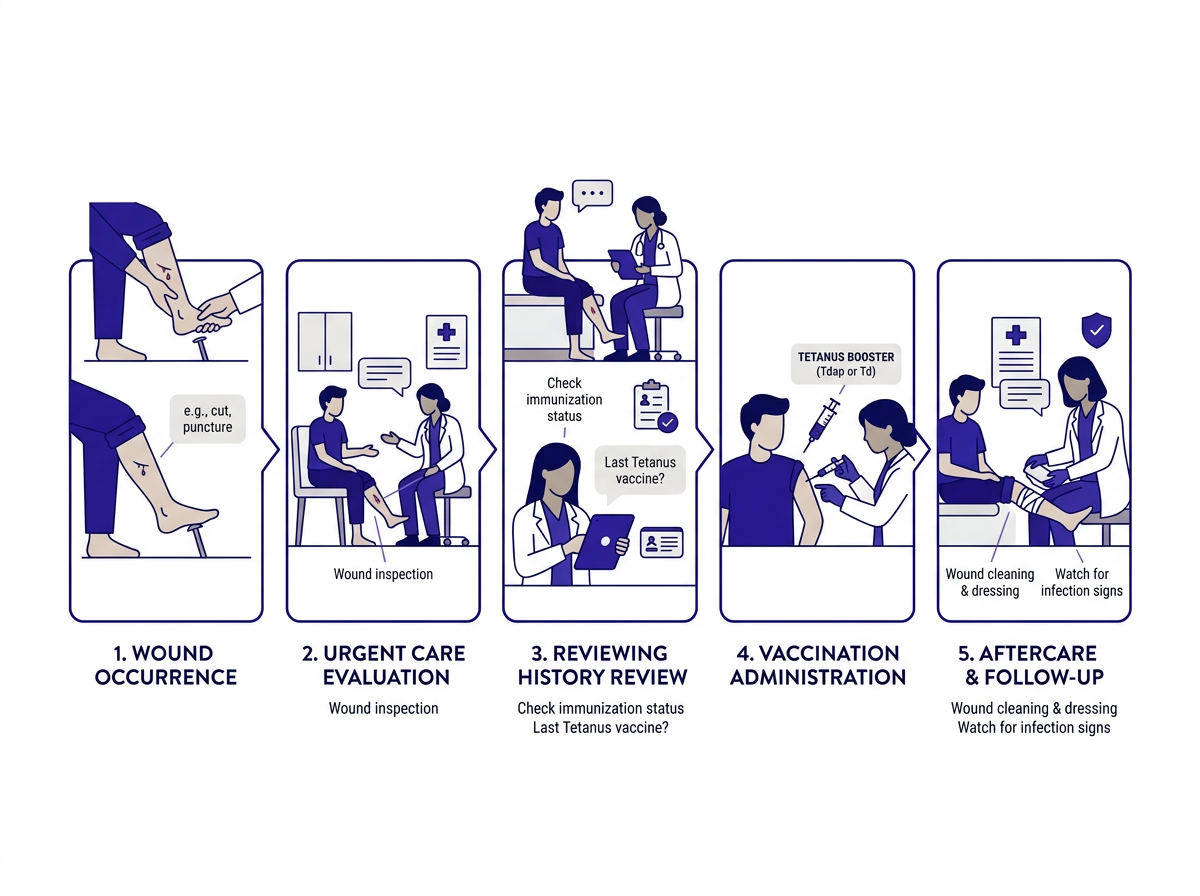
To maximize efficiency and guarantee a seamless experience, follow this step-by-step workflow when seeking your tetanus booster at CVS in 2026:
- Assess the Urgency of Your Situation: If you have an active, dirty, or deep wound accompanied by uncontrollable bleeding, severe pain, or nerve damage, bypass CVS entirely and report to the nearest hospital emergency room. For routine updates or minor scrapes, proceed to CVS.
- Use the CVS Digital Scheduler: Navigate to the CVS website or open the mobile application. Select the "MinuteClinic" or "Pharmacy" vaccine scheduler, choose "Tetanus, Diphtheria, Pertussis (Tdap)," and enter your ZIP code to find nearby stores with available slots.
- Confirm Age and State Rules: Verify online prompts regarding your age and state-specific consent requirements before confirming your time slot.
- Arrive Prepared: Bring your photo ID, insurance cards, and a face covering if local public health guidelines mandate it. Check in at the pharmacy counter or self-service kiosk upon arrival.
- Consult with the Clinician: Discuss your medical history, allergies, and the circumstances surrounding any recent wounds with the pharmacist or nurse practitioner.
- Receive the Injection and Complete Observation: The clinician will administer the injection intramuscularly, typically in the deltoid muscle of your upper arm. Remain in the designated waiting area for 15 minutes post-injection to monitor for rare acute allergic reactions.
- Obtain Documentation: Request a physical or digital copy of your immunization record for your personal files, employer, or school compliance office.
Frequently Asked Questions
Can I just walk into CVS without an appointment to get a tetanus shot?
Yes, walk-ins are generally accepted at both CVS Pharmacy and MinuteClinic locations for adult immunizations, though scheduling an appointment online is strongly recommended to minimize wait times. Staff availability and vaccine stock can fluctuate daily.
Does CVS accept my health insurance for a tetanus shot?
CVS accepts a vast array of major commercial health insurance plans, Medicare Part D, and select state Medicaid plans. It is always best to verify coverage details directly with your insurance provider or use the online CVS insurance verification tool before your visit.
How much does a tetanus shot cost at CVS without insurance?
Without insurance coverage, the self-pay out-of-pocket cost for a Tdap or Td booster at CVS typically ranges between $60 and $100, which includes both the cost of the vaccine serum and the professional administration fee. Prices are subject to change based on geographic location and current supply costs.
Can children get a tetanus shot at CVS?
CVS generally limits pharmacy and MinuteClinic vaccinations to individuals aged seven and older, though exact age thresholds vary by state law. Children under seven must receive their required pediatric DTaP immunizations through a certified pediatrician or local public health clinic.
What should I do if I have a deep, dirty puncture wound?
If you sustain a deep or contaminated puncture wound, you should seek immediate evaluation at a CVS MinuteClinic or an urgent care center. The clinician can properly clean the wound, assess your need for antibiotics, and administer a timely tetanus booster.
Conclusion and Next Steps
Protecting yourself against preventable bacterial infections is a vital component of routine health maintenance and emergency preparedness. Getting your tetanus shot at CVS offers a streamlined, accessible solution for adults and older adolescents seeking prompt immunization or routine 10-year boosters. Take control of your health today by checking your vaccination records, scheduling an appointment online at your nearest CVS location, or walking into a local MinuteClinic for professional evaluation and care.