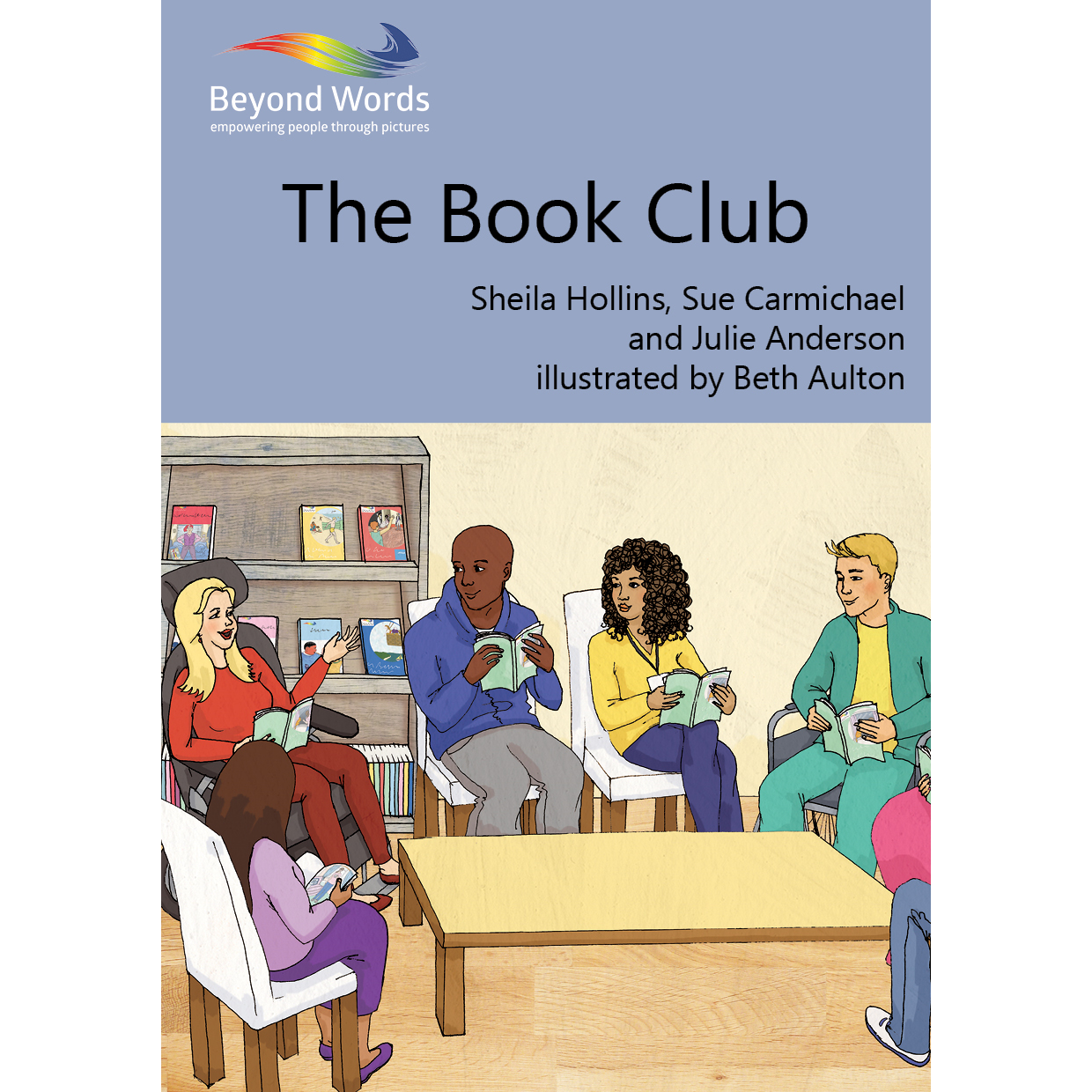
A book club is a structured social group centered around shared reading and critical discussion. To succeed, organizers must define a clear purpose, establish consistent meeting logistics, choose engaging titles, and facilitate inclusive conversations that balance social interaction with thoughtful literary analysis and community building.
Book clubs have evolved significantly by 2026, transitioning from simple living-room gatherings into diverse, multi-platform communities. Whether you are looking to foster deep intellectual discourse, find a social outlet, or hold yourself accountable to a reading list, understanding the mechanics of a successful club is essential. Modern clubs leverage a mix of traditional physical meetings and sophisticated digital tools to keep members engaged regardless of their location or schedule.
Defining the Purpose and Scope of Your Club
Before inviting members or selecting the first title, you must establish the primary objective of the group. A book club without a clear identity often struggles with inconsistent attendance and mismatched expectations. By 2026, the most successful clubs are those that cater to specific niches or clearly defined social goals.
Social vs. Academic Focus
Some groups prioritize "wine and cheese" over "prose and context." These social-first clubs use the book as a springboard for general conversation and camaraderie. Conversely, academic or "deep-dive" clubs focus strictly on literary criticism, historical context, and thematic analysis. Neither is superior, but members must know which type they are joining to avoid friction.
Genre-Specific vs. General Interest
General interest clubs offer variety, moving from a contemporary thriller one month to a historical biography the next. While this prevents boredom, it can sometimes alienate members who have strong genre preferences. Niche clubs—focusing exclusively on Sci-Fi, Memoirs, Post-Colonial Literature, or Business Strategy—often enjoy higher retention because they attract individuals with deeply aligned interests.
Establishing Governance and Logistics
The "how" and "when" of a book club are just as important as the "what." Inconsistencies in scheduling or hosting are the leading causes of club dissolution. Establishing a "Charter" or a simple set of guidelines at the outset can prevent future misunderstandings.
Selecting the "Sweet Spot" for Membership
While it is tempting to invite everyone, the ideal size for a book club is typically between 6 and 10 active members. This range ensures that there are enough voices to sustain a two-hour conversation even if two people are absent, yet it remains small enough that every person has the opportunity to speak without the group splintering into sub-conversations.
Meeting Frequency and Duration
In 2026, the monthly meeting remains the industry standard. It provides ample time for members to acquire and finish a 300–400 page book without feeling rushed. Meetings usually last between 90 minutes and three hours. Allocating the first 30 minutes to socializing and the final 60 minutes to structured discussion is a proven model for maintaining balance.
Hosting Formats: In-Person, Virtual, and Hybrid
- In-Person: Offers the highest level of social connection and is often centered around a meal or snacks. This format requires a host with adequate space and accessibility.
- Virtual: Utilizing platforms like Zoom, Discord, or specialized apps like Fable, virtual clubs allow for global participation. This is ideal for niche subjects where local interest might be low.
- Hybrid: A growing trend in 2026 where a physical meeting is held, but a tablet or screen is set up to allow remote members to "dial in." This requires high-quality audio equipment to ensure remote participants are not excluded from the natural flow of conversation.
The Art of Book Selection
Choosing the next read is the most common point of contention in any club. To ensure fairness and variety, several selection models have emerged as standard practices.
The Democratic Vote
The moderator presents a "shortlist" of three to five books—often curated based on a theme—and members vote using a ranked-choice system. This ensures that the majority is interested in the selection, though it can lead to "safe" or middle-of-the-road choices.
The Rotating Curator
Each month, a different member is responsible for choosing the book and hosting the discussion. This empowers individuals to share their personal tastes and introduces the group to titles they might never have chosen for themselves. It also distributes the logistical burden of hosting.
Utilizing Professional Curations
Many 2026 book clubs follow established "Celebrity" or "Organization" lists. Following the American Library Association's Notable Books or major prizes like the Booker or Pulitzer provides a guarantee of literary quality and ensures that supplemental reading guides and interviews are readily available online.
Masterful Discussion Facilitation
A common pitfall is the "What did you think?" dead end. When a discussion begins and ends with simple opinions, the meeting can feel hollow. Successful facilitation requires preparation.
Preparing the "Discussion Guide"
The moderator should come prepared with 5–10 open-ended questions. Avoid "Yes/No" questions. Instead, use prompts like:
- "How did the protagonist’s environment dictate their ultimate decision?"
- "Which character did you find the least reliable, and why?"
- "How does this book’s treatment of [Theme] compare to [Previous Book's] treatment?"
Managing Group Dynamics
A facilitator must be comfortable managing different personality types. If one member is dominating the conversation, the facilitator can pivot by saying, "That’s a great point, Sarah. Let’s hear what Marcus thinks about that specific scene." Conversely, for quieter members, gentle invitations like, "Maya, I noticed you were nodding during that chapter—did it resonate with you?" can help bring them into the fold.
Handling the "DNF" (Did Not Finish)
It is inevitable that some members will not finish the book. A healthy club culture should allow "DNF" members to attend without guilt, provided they are comfortable with spoilers. However, if a member consistently fails to read, it may be worth a private conversation to see if the book selections or the club's pace are no longer a fit for their lifestyle.
Technology and Tools for 2026 Book Clubs
Managing a club via endless email chains is a relic of the past. Modern clubs utilize specialized digital infrastructure to streamline organization and enhance the reading experience.
| Tool Category | Recommended Platform(s) | Primary Benefit |
|---|---|---|
| Organization & Scheduling | Bookship, Doodle | Simplifies date selection and RSVPs; keeps the "What are we reading next?" info in one place. |
| Progress Tracking | The StoryGraph, Goodreads | Allows members to see where others are in the book, preventing spoilers in the group chat. |
| Digital Content | Libby (by OverDrive) | Facilitates free access to E-books and Audiobooks through local library systems. |
| Discussion & Social | Fable, Discord | Provides a space for "asynchronous" discussion between monthly meetings. |
| Immersive Reading | Audible, Spotify | Syncs audio and text for members who prefer "whispersync" or multi-modal reading. |
Budgeting and Resource Management
A book club should not be a financial burden. Organizers should consider the diverse economic situations of their members when setting the club's parameters.
Sourcing Books Affordably
Encourage the use of the Library of Congress resources and local public libraries. Many libraries offer "Book Club Kits" which include 10–12 copies of a single title and a discussion guide, specifically for local groups. For classics, Project Gutenberg provides thousands of free, legal digital editions.
Hosting Costs
In-person hosting can become expensive if the host is expected to provide a full meal. Many clubs adopt a "Potluck" style to distribute the cost and effort. For virtual clubs, the cost is usually limited to the subscription fee of a premium video conferencing platform, which can be shared among members for a few dollars each per year.
Troubleshooting Common Club Challenges
Even the most well-meaning groups encounter friction. Being proactive is the key to longevity.
Problem: Declining Attendance.
- Solution: Check the "Why." If members are too busy, consider moving to a bi-monthly schedule. If they aren't interested in the books, re-evaluate your selection process.
Problem: Toxic Conversations.
- Solution: Remind the group of the "Golden Rule" of book clubs: critique the book, not the person. If a member is consistently disrespectful, the organizer must be prepared to ask them to leave for the sake of the group's health.
Problem: One Person Does All the Work.
- Solution: Delegate. Assign one person to manage the "polling" for the next book, another to manage the RSVP list, and another to bring the discussion questions. Rotation prevents burnout.
FAQ
How do I find members if I don't have a local circle?
Many people find success by posting on community boards like Nextdoor or Meetup. Additionally, local independent bookstores often keep lists of individuals looking for a club. You can also join "open" digital clubs through apps like Fable to get a feel for the structure before starting your own.
What should we do if everyone hated the book?
Embrace it! Some of the best discussions arise from books that were universally disliked. Analyze why it failed. Was it the writing style, the pacing, or the character development? A "bad" book can be just as intellectually stimulating as a "good" one if the group is willing to deconstruct it.
Should we allow "Plus-Ones" or guests?
Generally, no. Book clubs rely on a "safe space" of established trust. Bringing in a stranger can change the dynamic and make regular members feel hesitant to share personal reflections. If someone wants to join, they should be vetted and committed to the group's long-term schedule.
How do we handle "Heavy" or "Triggering" content?
In 2026, it is standard practice to check for content warnings before finalizing a book selection. Platforms like StoryGraph provide detailed user-generated content warnings. If a book contains sensitive material, it should be flagged during the voting process so members can opt-out if necessary.
Can a book club work with audiobooks?
Absolutely. By 2026, audiobooks are considered a valid and equal form of reading. Most discussion guides work perfectly for listeners. The only minor challenge is referencing specific page numbers, so moderators should refer to "Chapter titles" or "Plot events" instead.
Next Steps for New Organizers
To launch your club effectively, start by selecting a "Founding Duo"—one other person to help you manage the initial launch. Together, pick a date three weeks in the future and select a highly-regarded, accessible "starter" book (something under 300 pages with wide appeal). Use a digital invite tool to send out your first call for members, clearly stating the club’s genre focus and meeting frequency. This clarity will ensure that your first meeting is the start of a sustainable and rewarding community.