Military couples can maintain intimacy during deployments by adapting Gary Chapman’s 5 Love Languages to a long-distance context. By identifying a partner's primary language—Words of Affirmation, Acts of Service, Receiving Gifts, Quality Time, or Physical Touch—couples can intentionally bridge the emotional gap created by physical separation and operational stress.
Understanding the 5 Love Languages in a Military Context
The "5 Love Languages" framework, originally developed by Dr. Gary Chapman, posits that individuals have preferred ways of expressing and receiving love. For military families in 2026, these languages—Words of Affirmation, Quality Time, Receiving Gifts, Acts of Service, and Physical Touch—serve as a vital roadmap for navigating the unique pressures of the "deployment cycle." This cycle includes the pre-deployment "train-up," the separation itself, and the often-overlooked reintegration phase.
In a military environment, the primary challenge is the physical and often digital distance. When a service member is "outside the wire" or on a submarine with limited connectivity, the traditional ways of expressing love are severed. Aligning communication requires a proactive shift: translating physical presence into emotional resonance. Understanding that a spouse’s need for "Acts of Service" might be met by managing household finances effectively from afar, or that "Words of Affirmation" can be sustained through a series of "Open When" letters, is essential for relationship resilience.
The Pre-Deployment Phase: Inventory and Planning
Preparation is the cornerstone of military readiness, and this extends to the emotional health of the relationship. Before the service member departs, couples must engage in a deliberate "emotional inventory." This involves not only identifying each other's primary love language but also discussing how those needs will change when the physical component of the relationship is removed.
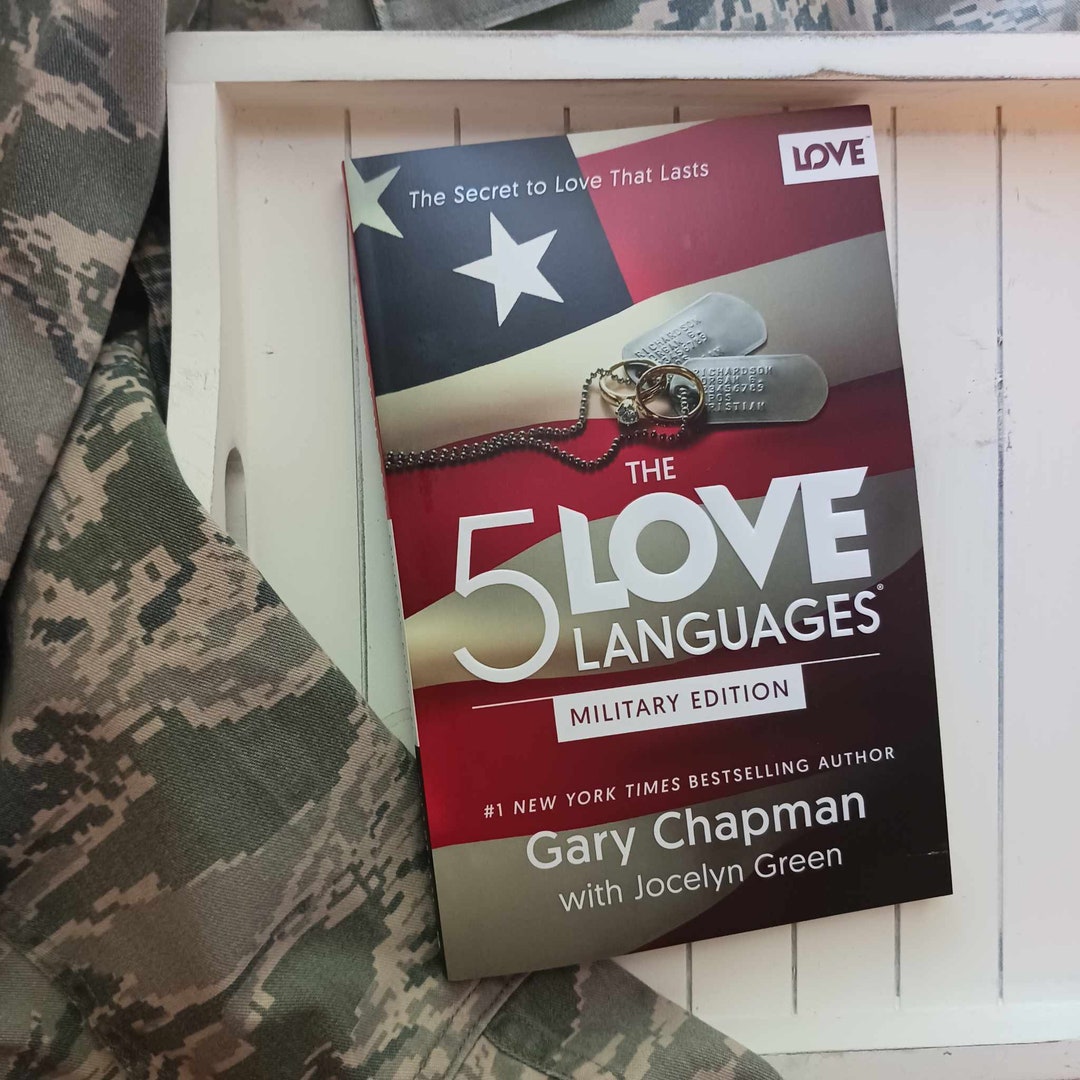
For many couples, the primary love language might shift or a secondary language might become more prominent during separation. A partner who usually thrives on Physical Touch may find that they crave Words of Affirmation more intensely when their spouse is overseas. In 2026, many military units provide resources through Family Readiness Groups (FRGs) or Religious Support Teams that specifically utilize the 5 Love Languages Military Edition to help couples prepare for these shifts.
Establishing a Communication Rhythm
During the pre-deployment phase, it is crucial to establish "fallback" communication methods. If the primary method (such as video calls) fails due to operational security (OPSEC) or technical issues, having a secondary plan tailored to the partner's love language prevents the feeling of abandonment. For a "Quality Time" partner, this might mean a pact to write in a shared digital journal that can be synced whenever a connection is available.
Adapting the Five Languages for Deployment
Each love language requires a specific "translation" to remain effective during a deployment. Without the ability to rely on physical presence, the effort must become more intentional and creative.
Words of Affirmation
This language is perhaps the most "portable" during deployment. It involves the verbal or written expression of appreciation, encouragement, and love.
- Digital and Analog Mix: In 2026, while instant messaging is common, the psychological weight of a handwritten letter remains high. For a service member in a high-stress environment, reading a tangible letter can provide a sense of groundedness that a text message cannot.
- Voice and Video Notes: When time zones make live calls impossible, recorded voice notes allow the partner to hear the tone and inflection of their loved one’s voice, which is a powerful tool for emotional regulation.
Quality Time
Quality Time is about focused attention. During deployment, this is often the hardest language to speak due to conflicting schedules and poor internet latency.
- Shared Activities: Couples can maintain a sense of "togetherness" by engaging in the same activity at different times. Reading the same book, watching the same movie, or following the same workout plan provides a common ground for conversation beyond the mundane "how was your day" logistics.
- Virtual Dates: Despite the distance, setting aside a specific time for a "date"—even if it is just 15 minutes over a grainy video link—signals to the partner that they remain a priority over the demands of the mission or the household.
Receiving Gifts
For some, a gift is a visual representation of love. It is not about the monetary value but the fact that the partner was thinking of them.
- The Care Package: This remains the ultimate expression of this language in the military. Customizing packages with items that are unavailable at the APO/FPO (Army Post Office/Fleet Post Office) shows deep knowledge of the partner's preferences.
- Surprise Deliveries: For the spouse at home, having a surprise meal or flowers delivered can be a significant "mood lifter" during the long "mid-deployment slump."
Acts of Service
This language focuses on actions that ease the burden of the partner’s responsibilities.
- Managing the Home Front: For the service member, knowing the spouse is handling the household, car maintenance, and finances allows them to focus on their mission. Conversely, the service member can perform acts of service by handling administrative tasks online or arranging for local help (like a lawn service) to support the spouse.
- Emotional Labor: Anticipating a partner’s needs—such as the service member researching fun activities for the children and sending the links to the spouse—reduces the "mental load" on the partner at home.
Physical Touch
This is the most challenging language to navigate during a deployment. The absence of physical proximity can lead to "skin hunger" and a sense of isolation.
- Transitional Objects: Sending a piece of clothing that smells like the partner or using a weighted blanket can provide a sensory proxy for physical presence.
- Haptic Technology: By 2026, some couples use wearable technology that allows one person to send a "buzz" or a sensation of a "hug" to their partner's wristband, providing a small but meaningful physical connection.
Deployment Translation Matrix
The following table outlines how to translate the traditional love languages into actionable military-specific strategies.
| Love Language | Deployment Obstacle | Remote Solution (2026 Context) | Reintegration Strategy |
|---|---|---|---|
| Words of Affirmation | Lack of real-time feedback; OPSEC limits. | "Open When" letters; recorded audio stories for children/spouse. | Verbalizing appreciation for the "new" skills learned during the gap. |
| Quality Time | Time zone differences; "blackout" periods. | Shared reading lists; synchronized streaming; scheduled video check-ins. | Intentional "no-device" days to reconnect without distraction. |
| Receiving Gifts | Shipping delays; limited storage at APO/FPO. | Curated care packages; digital gift cards for local coffee shops. | Small, thoughtful "welcome home" gifts that show you remembered their likes. |
| Acts of Service | Physical inability to help with daily chores. | Outsourcing household tasks; managing digital finances; pre-planning car maintenance. | Gradually reclaiming household roles without overstepping established routines. |
| Physical Touch | Total physical separation. | Sentimental clothing (scent); haptic wearables; weighted blankets. | Prioritizing physical intimacy and non-sexual touch (hugging, holding hands). |
Navigating the Reintegration Phase
The return of a service member is often viewed as the "end" of the challenge, but for many military couples, reintegration is the most difficult phase. This is where "aligning communication" becomes most critical. The spouse at home has developed a new level of independence, and the service member has been immersed in a completely different culture and routine.
The Shift in Language
Upon return, the "remote" versions of the love languages must be phased back into "local" versions. A common mistake is assuming that the relationship will immediately snap back to its pre-deployment state. Instead, couples should treat the first few weeks as a "re-learning" period. If "Words of Affirmation" were the lifeline during deployment, don't stop them once you are in the same room. However, you must now reintegrate "Physical Touch" and "Acts of Service" in person.
Potential Friction Points
- Over-functioning vs. Under-functioning: The spouse who stayed home may have become used to doing everything (Acts of Service). When the service member returns and tries to help, it can feel like an intrusion. Communication must center on how to share these tasks again.
- Sensory Overload: For the returning service member, the "Quality Time" of a busy household can be overwhelming. Recognizing the need for "quiet" quality time is a way of speaking their language without causing stress.
Common Pitfalls and How to Avoid Them
Even with the best intentions, military life can interfere with the expression of love languages. Awareness of these pitfalls can prevent long-term resentment.
- Language Drift: This occurs when a couple stops "speaking" a language because it feels too difficult during a long deployment. The solution is to schedule it. It might feel unromantic to "schedule" a time for Words of Affirmation, but in a military context, if it isn't on the calendar, it often doesn't happen.
- The "Comparison Trap": Comparing your relationship to other military couples who seem to be "handling it better" is destructive. Every deployment is different, and every couple’s mix of love languages is unique. Focus on what works for your specific dynamic.
- Ignoring the Secondary Language: Most people have a primary and a secondary love language. During deployment, if the primary (like Physical Touch) is impossible, leaning heavily into the secondary language is vital for emotional survival.
- OPSEC and Frustration: Operational Security can sometimes prevent a service member from speaking their partner's language (e.g., they can't call during a Quality Time window). It is important for the spouse at home to understand that a lack of communication is not a lack of love, but a requirement of the mission.
Resources for Military Families
For families seeking further support in 2026, several organizations provide tailored guidance:
- Military OneSource: Offers free non-medical counseling for couples to work through communication barriers.
- The 5 Love Languages Official Website: Provides quizzes and specific articles for military personnel.
- Chaplain Services: Every branch of the military offers confidential counseling and "Strong Bonds" or "Marriage Retreat" programs that often use the Love Languages framework.
For more information on legal and administrative support during deployment, visit the official U.S. Department of Defense website or consult your local Judge Advocate General (JAG) office.
FAQ
What if our primary love languages change during the deployment? It is quite common for love languages to shift under stress. The absence of physical presence can make someone who didn't previously value "Words of Affirmation" suddenly find them essential. The key is to keep an open dialogue and "re-test" each other using the 5 Love Languages quiz every few months during long separations.
How do I handle "Acts of Service" when I'm on a ship with no internet? If you know a blackout is coming, you can perform "Acts of Service" in advance. This might include writing a series of emails to be sent by a friend later, or pre-arranging a service (like a house cleaner) to arrive while you are away. Preparation is the remote version of action.
Can children have different love languages during deployment? Yes. Children are deeply affected by a parent's absence. Identifying a child’s love language is just as important as identifying a spouse’s. A child whose language is "Quality Time" might need a recorded video of the deployed parent reading a bedtime story, while a child who values "Receiving Gifts" might cherish a small coin or patch sent from overseas.
What is the "mid-deployment slump" and how do love languages help? The mid-deployment slump usually occurs around the halfway mark when the initial adrenaline of the separation has worn off, but the end is not yet in sight. This is when "emotional bank accounts" are often lowest. Intentionally doubling down on your partner's love language during this period is critical for preventing burnout.
Is "Physical Touch" really impossible during deployment? While actual physical contact is impossible, the psychological element of touch can be maintained. This is achieved through sensory reminders: scents (perfume/cologne on a pillowcase), textures (a soft blanket), and even "visual touch" (reminding a partner of a specific physical memory through Words of Affirmation).
Practical Recommendation
To successfully align communication across a deployment, couples should take the 5 Love Languages quiz together at least three months before the departure date. Once the results are in, create a "Deployment Communication Plan" that lists at least three specific ways to speak each other’s language from a distance. Review this plan during the mid-point of the deployment to adjust for any "language drift" or changes in emotional needs. By treating communication with the same tactical precision as a military operation, couples can ensure their relationship emerges from deployment stronger than when it began.