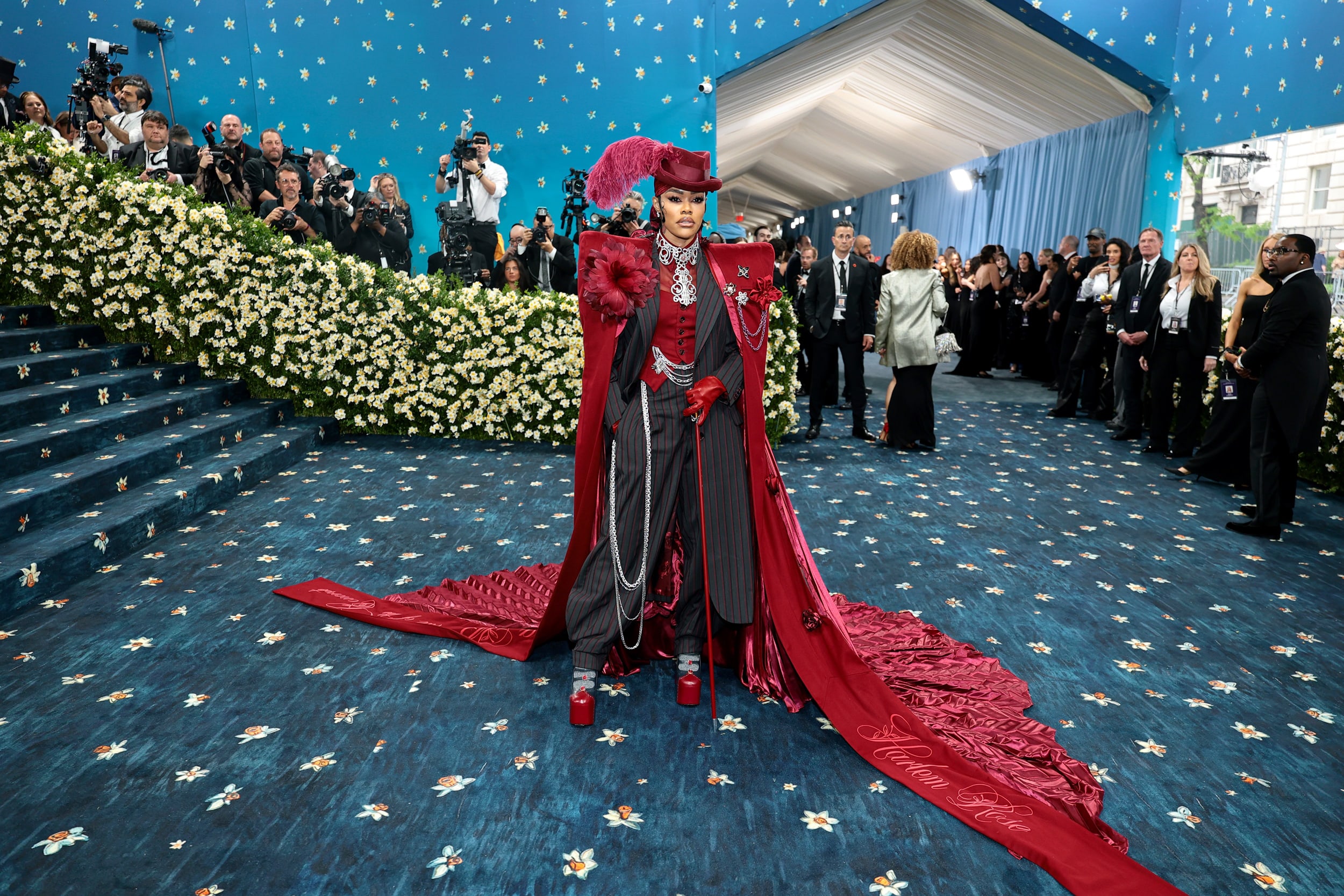
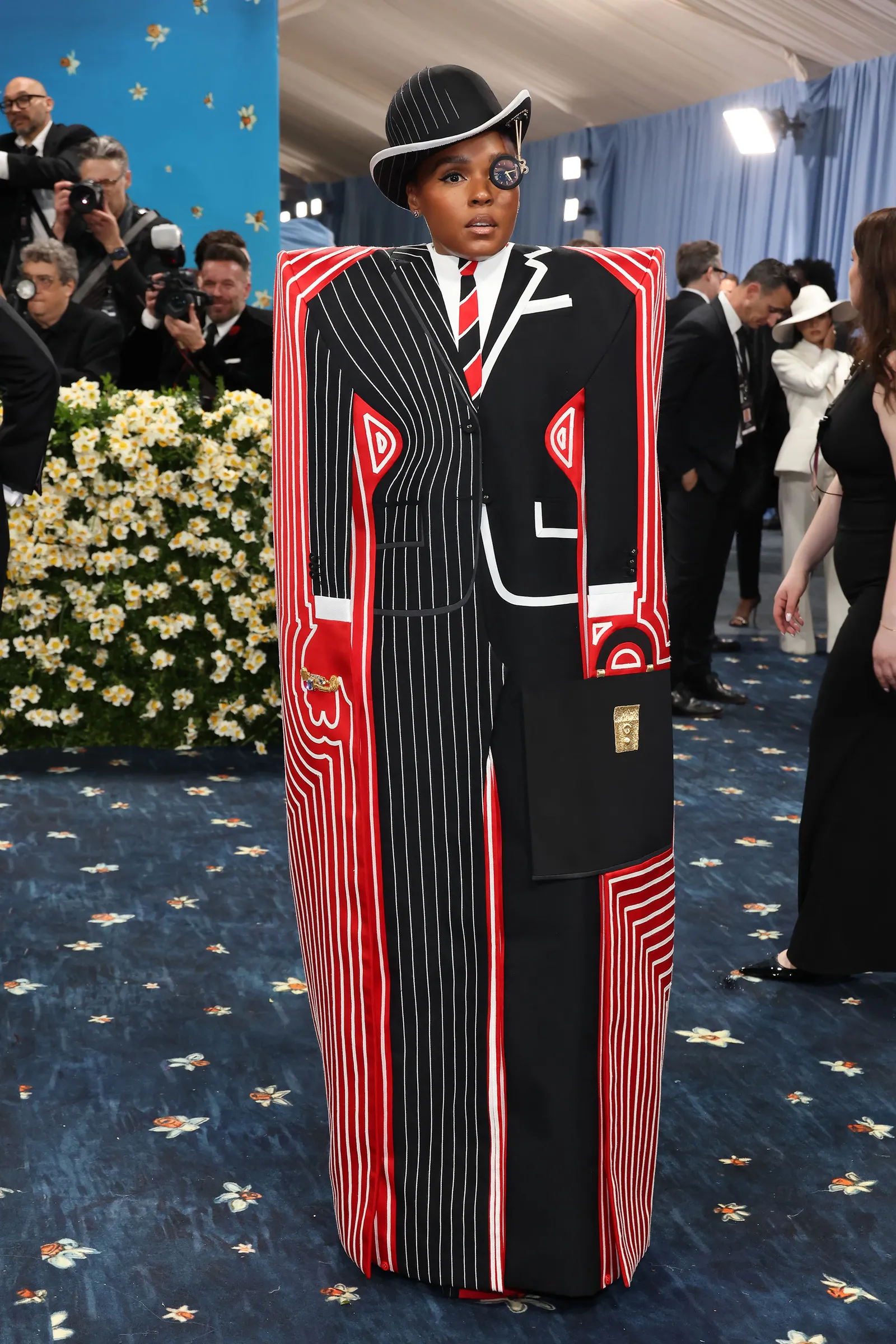
The 2025 Met Gala, which took place on May 5, 2025, focused on the theme "Superfine: Tailoring Black Style." Inspired by Monica L. Miller’s scholarship, the event examined the aesthetic and political history of Black dandyism. Co-chaired by figures like Pharrell Williams and Colman Domingo, it celebrated the enduring influence of Black sartorialism on global fashion.
As we look back from 2026, the 2025 Met Gala stands as a transformative moment in the history of The Costume Institute at the Metropolitan Museum of Art. It was the first exhibition since 2003’s "Men in Skirts" to focus primarily on menswear, and more significantly, it was the first to center entirely on the sartorial contributions and lived experiences of the Black diaspora. By focusing on the figure of the Black dandy, the gala and the subsequent exhibition moved beyond mere aesthetics to explore how style can be a tool for political resistance, identity construction, and cultural agency.
The Conceptual Foundation: Superfine and Black Dandyism
The 2025 theme, "Superfine: Tailoring Black Style," was deeply rooted in the academic work of Monica L. Miller, a professor and Chair of Africana Studies at Barnard College, Columbia University. Her 2009 book, Slaves to Fashion: Black Dandyism and the Styling of Black Diasporic Identity, served as the primary inspiration for the exhibition.
Black dandyism is not merely about "dressing up"; it is a complex performance of identity. Historically, the dandy emerged in 18th-century Europe as a figure defined by an obsessive attention to dress and appearance, often as a means of social climbing or subverting class boundaries. When applied to the Black experience, dandyism takes on a profound layer of resistance. During the era of enslavement, when Black bodies were often treated as property and stripped of individuality, the act of dressing with intent and "finery" became a radical assertion of humanity and self-worth.
The exhibition, and the gala's dress code, encouraged guests to explore this history. It traced the evolution of Black dandyism from the 18th century—where enslaved people were sometimes dressed in elaborate livery to reflect the wealth of their enslavers, yet found ways to personalize and subvert that clothing—to the modern global stage where Black designers and icons dictate the heights of haute couture.
The 2025 Co-Chairs: A New Era of Leadership
The selection of co-chairs for the 2025 Met Gala reflected the theme’s focus on multifaceted masculinity and Black excellence. For the first time in the event's history, the co-chair lineup was comprised entirely of Black men, alongside the permanent chair, Anna Wintour.
- Pharrell Williams: As the Men’s Creative Director at Louis Vuitton and a long-time fashion provocateur, Williams represented the intersection of music, luxury, and streetwear.
- Colman Domingo: Known for his impeccable and adventurous red-carpet presence, Domingo embodied the sophisticated, modern dandy who uses tailoring to tell a story.
- Lewis Hamilton: The Formula 1 champion has consistently used his platform to highlight Black designers, making him a logical choice for an event focused on the politics of dress.
- A$AP Rocky: A figure synonymous with "pretty flacko" aesthetics, Rocky bridged the gap between avant-garde high fashion and the grit of New York street style.
- LeBron James (Honorary Chair): While James did not attend the gala in previous years as frequently as some fashion insiders, his role as honorary chair signaled the massive influence of athletes on the global luxury market and the concept of the "tunnel walk" as a modern runway.
This leadership group was instrumental in shaping the evening's atmosphere, which was widely praised in 2025 for its sense of community and historical gravity.
Analyzing the Costume Institute Exhibition
The exhibition itself, curated by Andrew Bolton in collaboration with Monica L. Miller, was organized around twelve characteristics of Black dandyism. These themes provided a framework for understanding how clothing interacts with the body and the public gaze.
The Twelve Themes of Black Dandyism
The exhibition galleries were not organized chronologically but rather through these conceptual lenses:
- The Pose: Examining how the stance and carriage of a person are as important as the clothes themselves.
- The Swagger: A look at the confidence and "cool" that defines Black sartorial performance.
- The Play: Focusing on the joy and experimentation found in Black style.
- The Silhouette: How tailoring manipulates the form to create presence and power.
- The Color: The bold use of palette as a rejection of the drab conformity often associated with traditional menswear.
- The Pattern: Utilizing prints and textures to signal cultural heritage and individual flair.
- The Detail: The importance of accessories—cufflinks, canes, watches, and hats—in completing the dandy’s "kit."
- The Fabric: The tactile nature of luxury and how materials like silk, velvet, and fine wool have been used by Black dandies throughout history.
- The Craft: A tribute to the tailors and seamstresses who have constructed these identities.
- The History: Direct references to the 18th and 19th-century origins of the dandy.
- The Future: How contemporary designers like Grace Wales Bonner and Virgil Abloh have reimagined these codes.
- The Self: The ultimate goal of dandyism—self-actualization through dress.
The exhibition featured a mix of historical garments, paintings, photographs, and contemporary fashion. It successfully illustrated that the Black dandy is a "negotiator of identities," moving between African heritage and Western tailoring to create something entirely new and "superfine."
Red Carpet Highlights and Sartorial Interpretations
The 2025 red carpet was a masterclass in modern tailoring. Guests were tasked with a dress code that encouraged them to interpret "Superfine" and "Black Dandyism." This resulted in a shift away from the "costume" feel of previous years toward a more refined, yet no less dramatic, display of craftsmanship.
- Tailoring as Art: Many guests opted for custom Savile Row-style suits but with subversive twists—exaggerated shoulders, cinched waists, and floor-length capes.
- Historical Homage: We saw a significant number of references to 18th-century frock coats and Victorian-era accessories, updated with modern fabrics and motifs.
- Floral and Ornate Embellishments: Rejecting the "boring" black tuxedo, the 2025 carpet was awash in intricate beadwork, embroidery, and floral patterns, echoing the dandy's love for the ornamental.
- The Power of the Accessory: Canes, top hats, monocles, and oversized brooches were ubiquitous, serving as the "punctuation marks" of the outfits.
Comparison of Recent Met Gala Themes
To understand the unique positioning of the 2025 event, it is helpful to compare it with the themes that immediately preceded and followed it.
| Year | Theme | Focus | Core Concept |
|---|---|---|---|
| 2023 | Karl Lagerfeld: A Line of Beauty | Designer Retrospective | The work and legacy of Karl Lagerfeld. |
| 2024 | Sleeping Beauties: Reawakening Fashion | Sensory/Archival | Fragile garments from the archive and sensory experiences. |
| 2025 | Superfine: Tailoring Black Style | Cultural/Identity | Black dandyism and the politics of tailoring. |
| 2026 | The Future of the Archive (Current) | Technology/Sustainability | Digital fashion and the longevity of garments. |
The 2025 gala was a departure from the 2023/2024 focus on archival preservation and specific designer legacies. Instead, it returned the gala to a more sociological and historical exploration of how fashion impacts identity and society, similar in weight to the 2018 "Heavenly Bodies" exhibition.
The Economic and Cultural Impact of the Gala
Beyond the fashion, the Met Gala remains the primary funding source for The Costume Institute. In 2025, ticket prices were reported at $75,000 per person, with tables starting at $350,000. These funds are vital for the department's ability to acquire new pieces, conserve historical garments, and fund scholarly research like that of Monica L. Miller.
Culturally, "Superfine" sparked a global conversation about the visibility of Black designers. Following the event, there was a measurable increase in search volume and sales for independent Black-owned tailoring houses. It also prompted a re-evaluation of menswear in the luxury sector, encouraging brands to move beyond the traditional suit toward more expressive and historically informed designs.
Practical Guidance for Fashion Enthusiasts
While the 2025 Gala has passed, its impact remains accessible through the permanent research and publications it generated. For those looking to engage with the themes of Black dandyism today, the following steps are recommended:
- Read the Scholarship: Monica L. Miller’s Slaves to Fashion remains the definitive text on the subject. Reading it provides the necessary context to understand the garments shown in the 2025 exhibition.
- Explore the Archive: The Metropolitan Museum of Art’s website maintains a digital archive of the "Superfine" exhibition, including high-resolution images of the key garments and curator notes.
- Support Black Designers: The 2025 gala highlighted the work of many contemporary Black designers. Researching and supporting these labels helps maintain the momentum of the "Superfine" movement.
- Study Tailoring: Understanding the basics of garment construction—canvassing, lapel styles, and fabric weights—allows for a deeper appreciation of the "Craft" theme from the exhibition.
Common Questions Regarding the 2025 Met Gala
Who was the main curator of the 2025 exhibition?
The exhibition was curated by Andrew Bolton, the Wendy Yu Curator in Charge of The Costume Institute, in close collaboration with guest curator Monica L. Miller. This partnership was crucial in ensuring that the exhibition was both fashion-forward and academically rigorous, grounded in decades of research into Black diasporic identity.
Why was "Black Dandyism" chosen as a theme?
The theme was chosen to fill a significant gap in fashion history as presented by major institutions. While the "dandy" is a well-known figure in European history, the specific ways Black people have utilized and subverted dandyism to assert their agency and beauty had never been the focus of a major Costume Institute exhibition. It was a move toward a more inclusive and representative history of style.
Is the Met Gala only for celebrities?
While the gala itself is a high-profile, invitation-only event attended by celebrities and industry titans, the subsequent exhibition at the Metropolitan Museum of Art is open to the general public. The "Superfine" exhibition ran through the summer and fall of 2025, allowing hundreds of thousands of visitors to see the garments and learn about the history of Black tailoring firsthand.
How did the 2025 theme influence the 2026 fashion trends?
The 2025 theme led to a significant resurgence in "maximalist tailoring" in 2026. We have seen a move away from the "quiet luxury" of previous years toward more expressive menswear, characterized by bold colors, historical references, and an emphasis on bespoke craftsmanship rather than off-the-rack branding.
Conclusion and Next Actions
The 2025 Met Gala, "Superfine: Tailoring Black Style," was more than just a night of glamour; it was a scholarly and cultural reckoning. By centering the Black dandy, The Costume Institute acknowledged the profound role that Black men and women have played in shaping the global understanding of elegance and style.
As we move through 2026, the influence of this event continues to be felt in both the fashion industry and academia. For those interested in fashion history, the next step is to look beyond the red-carpet photos and engage with the underlying history of how dress serves as a powerful medium for self-definition and social change. Whether through visiting museum archives or supporting the next generation of tailors, the spirit of "Superfine" remains a vital part of the contemporary fashion landscape.