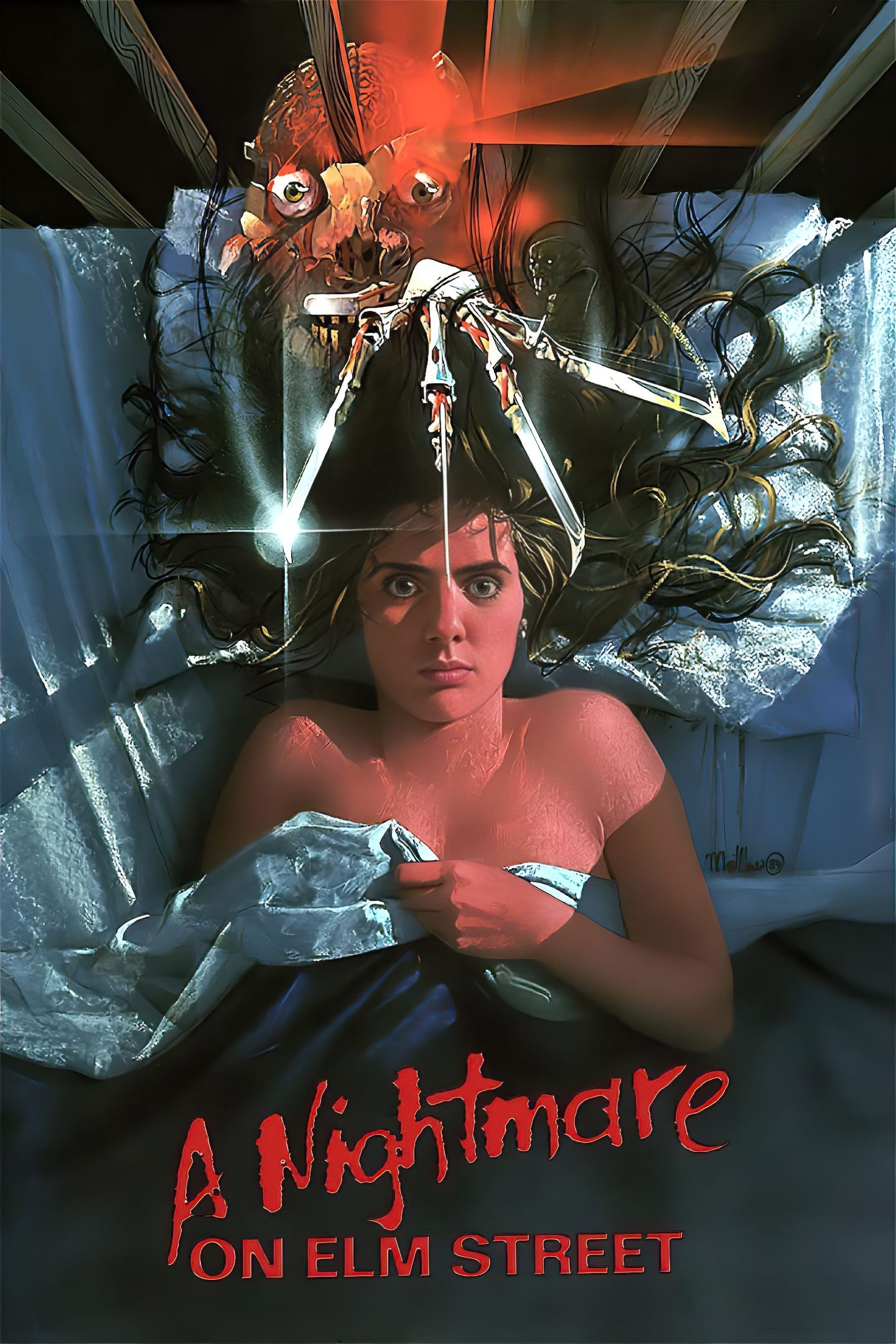
The term "1980s nightmare" encompasses a distinct intersection of geopolitical dread, technological paranoia, and domestic anxiety that defined the collective cultural unconscious of the decade. Rather than referring to a single text, film, or event, it represents a multifaceted period where public fears manifested in horror cinema, economic uncertainty, and the looming shadow of the Cold War, creating an era defined by a unique brand of psychological dread.
The Geopolitical Climate: Nuclear Annihilation and Cold War Dread
The foundational layer of the 1980s nightmare was rooted in the tangible threat of nuclear war. Following a brief period of détente in the 1970s, international relations deteriorated sharply at the turn of the decade. The Soviet invasion of Afghanistan in 1979, the election of Ronald Reagan in the United States, and the deployment of intermediate-range nuclear missiles across Europe pushed the Bulletin of the Atomic Scientists' Doomsday Clock to three minutes to midnight in 1984—one of the closest points to global catastrophe in history.
This geopolitical tension bled directly into popular culture and daily life. Civil defense drills, once a relic of the 1950s, experienced a grim cultural reevaluation. Citizens were forced to confront the reality that a nuclear exchange between the United States and the Soviet Union would result in total annihilation, rendering standard survivalist preparations futile.
Cultural Reflections of Nuclear Anxiety
- The Day After (1983): Watched by over 100 million Americans upon its initial broadcast, this television film depicted the harrowing aftermath of a nuclear strike on Lawrence, Kansas, permanently altering public perception of atomic warfare.
- Threads (1984): A British docudrama produced by the BBC that portrayed the catastrophic physical and societal collapse of Sheffield following a nuclear attack, noted for its unsparing realism and grim portrayal of a nuclear winter.
- When the Wind Blows (1986): An animated adaptation of Raymond Briggs' graphic novel that followed an elderly British couple attempting to survive a nuclear attack using outdated government pamphlets, highlighting the tragic inadequacy of civil defense.
Economic Shifts and Domestic Insecurity
Beneath the veneer of Reaganomics, corporate expansion, and consumer excess, the 1980s were marked by intense economic volatility. The early 1980s recession saw staggering inflation, soaring interest rates, and widespread industrial job losses, particularly in the Rust Belt regions of the United States. This economic disruption shattered the traditional post-war middle-class stability and introduced a new archetype into the cultural landscape: the downwardly mobile or destitute urban resident.
The fear of poverty, homelessness, and corporate exploitation became a staple of urban gothic storytelling. Cities like New York, plagued by fiscal crises and high crime rates in the early part of the decade, were frequently depicted in media as urban dystopias. This environment fostered a deep-seated anxiety about the vulnerability of the social safety net and the relentless pressure of upward mobility, where failure meant absolute social erasure.
Technological Paranoia and the Rise of the Machine
The 1980s heralded the dawn of the digital age, bringing personal computers, automated manufacturing, and mass surveillance into the public consciousness. While marketed as tools of liberation and efficiency, these technologies also inspired profound apprehension. The prospect of computers taking over human labor, managing critical infrastructure, or stripping away individual privacy formed the core of a modern technological nightmare.
Cinematic milestones capitalized on this unease. Films like The Terminator (1984) combined the nuclear threat with artificial intelligence gone rogue, presenting a future where humanity was hunted by its own creations. Simultaneously, the proliferation of cable television and 24-hour news cycles created a society hyper-aware of crime, kidnapping, and stranger danger, fundamentally altering how communities interacted and how parents monitored their children.
Horror Cinema and the Body Horror Revolution
In cinema, the 1980s nightmare transformed from the gothic hauntings and cosmic dread of previous decades into visceral, psychological, and physical terrors. The genre of body horror, pioneered and perfected during this era, reflected anxieties about bodily autonomy, disease, and the fragility of the human form.
Directors like David Cronenberg redefined horror by focusing on internal decay, technological integration with the flesh, and biological mutation. Concurrently, the slasher film subgenre—typified by franchises like A Nightmare on Elm Street (1984)—explored the terrifying notion that the domestic sanctuary was no longer safe, and that hidden trauma could manifest physically in the dreamscape.
| Film / Media | Primary Theme / Nightmare | Cultural Impact |
|---|---|---|
| The Terminator (1984) | Artificial intelligence, nuclear fallout, deterministic doom | Defined modern sci-fi action and techno-paranoia |
| A Nightmare on Elm Street (1984) | Intrusion of the subconscious, loss of parental protection | Established the supernatural slasher archetype |
| The Day After (1983) | Mutually assured destruction, civil defense failure | Sparked national debate on nuclear disarmament policy |
| Videodrome (1983) | Media saturation, neurological corruption, body horror | Critiqued the psychological effects of television and mass media |
The Legacy and Enduring Appeal of 1980s Anxieties
Decades later, the specific aesthetic and thematic elements of the 1980s nightmare continue to influence contemporary media, fashion, and psychological studies. The resurgence of synthesizer-heavy scores, neon-drenched dystopias, and analog-horror formats demonstrates that the anxieties of the Reagan-Thatcher era resonate strongly in the modern digital landscape. By examining how society confronted its deepest fears—ranging from atomic annihilation to the loss of bodily and economic control—audiences today find a framework for understanding their own contemporary uncertainties.
Frequently Asked Questions
What defined the cultural atmosphere of a 1980s nightmare?
The atmosphere was shaped by a combination of escalating Cold War tensions, rapid technological shifts, economic restructuring, and a profound shift in horror media toward visceral, real-world terrors and body horror.
How did the Cold War influence 1980s media and public fear?
The deployment of new nuclear arsenals and the breakdown of diplomatic relations led to widespread public dread of an imminent atomic war, which was reflected in bleak cinematic depictions and heightened civil defense awareness.
Why did body horror become prominent during this decade?
Body horror reflected emerging anxieties regarding medical ethics, infectious diseases like HIV/AIDS, and the physical consequences of industrial and technological modernization on the human body.
In what ways did economic changes contribute to the era's anxieties?
High inflation, industrial decline, and widening wealth gaps created a pervasive fear of downward mobility, urban decay, and the collapse of traditional middle-class security.
How do modern media creators reference 1980s fears today?
Contemporary creators frequently utilize the visual motifs, synthesizer scores, and Cold War or satanic panic tropes of the decade to evoke nostalgia while exploring modern parallels to institutional mistrust and technological paranoia.