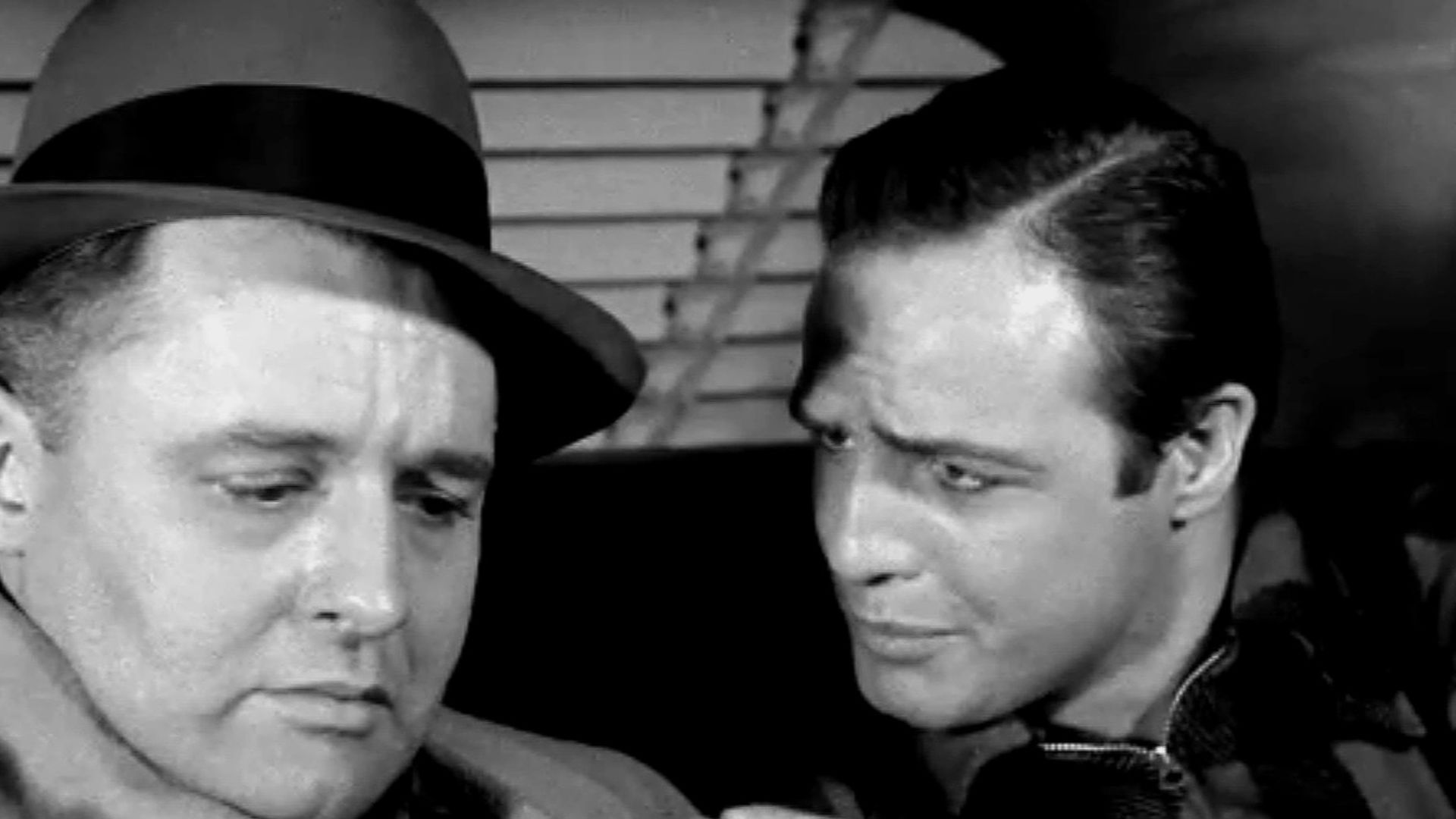
Rod Steiger remains one of the most transformative figures in 20th-century American cinema, renowned for his visceral intensity and his mastery of "Method" acting. Over a career spanning five decades, he transitioned from live television to iconic film performances, leaving behind a complex legacy defined by artistic brilliance, financial fluctuations, and a refusal to compromise on character integrity.
The Life and Craft of a Method Pioneer
Rod Steiger was born Rodney Stephen Steiger on April 14, 1925, in Westhampton, New York. His early life was marked by instability, including a stint in the U.S. Navy during World War II, an experience that would later inform his raw, often volatile screen presence. Upon returning to civilian life, Steiger gravitated toward the theater, eventually finding his home within the Actors Studio in New York City.
He was part of the generation that pioneered Method acting—a technique that prioritizes emotional realism and psychological truth over stylized performance. Alongside contemporaries like Marlon Brando and James Dean, Steiger sought to erase the boundary between the actor and the character. His ability to inhabit deeply flawed, morally ambiguous individuals made him one of the most sought-after actors of the 1950s and 1960s.
Early Career and the Television Golden Age
Before his ascent to global film stardom, Steiger was a titan of live television. During the early 1950s, television was the primary training ground for serious actors. Steiger’s most famous television role was the title character in the 1953 Television Playhouse production of Marty.
His performance was so profound that it set the standard for "kitchen sink" realism, depicting the quiet desperation of a butcher looking for love. Although Ernest Borgnine would famously take the role in the 1955 feature film adaptation—winning an Oscar in the process—Steiger’s interpretation is widely cited by historians as the definitive version of the character’s emotional blueprint. This period established his reputation as an actor who could find humanity in the most mundane or abrasive of characters.
Defining Career Highlights and Critical Acclaim
Steiger’s filmography is a masterclass in range. He possessed an innate ability to shift between explosive villainy and understated, pathetic vulnerability.
- On the Waterfront (1954): In his breakthrough film role, Steiger played Charley "The Gent" Malloy, the brother of Marlon Brando’s Terry Malloy. The famous "I coulda been a contender" scene remains one of the most analyzed moments in cinematic history, showcasing Steiger’s ability to project tragic realization through subtle facial expressions.
- The Pawnbroker (1964): Perhaps his most celebrated performance, Steiger played Sol Nazerman, a Holocaust survivor working in Harlem. The film required immense restraint, and Steiger’s portrayal of a man emotionally deadened by trauma earned him a BAFTA Award and a nomination for the Academy Award for Best Actor.
- In the Heat of the Night (1967): Steiger reached the pinnacle of his profession by winning the Academy Award for Best Actor for his role as Police Chief Bill Gillespie. His performance—a complex study of a bigoted, southern lawman forced to grapple with his own prejudices while working with a Black detective (Sidney Poitier)—is viewed as a profound commentary on the American South during the Civil Rights era.
- Waterloo (1970): Steiger’s commitment to his craft was often noted for its scale; his portrayal of Napoleon Bonaparte remains a highlight of historical epic filmmaking, proving he could hold the screen in massive, multi-national productions.
Financial Reality: Assessing Net Worth
The concept of "net worth" for a performer of Steiger’s era is complex. Unlike modern stars who command massive upfront salaries and backend points, actors of the mid-20th century were often subject to studio systems, fluctuating tax laws, and the instability of the freelance acting market.
Steiger’s financial history was not a steady ascent of wealth. He was known for being a selective actor who often turned down high-paying commercial projects if he felt the script lacked artistic merit. Throughout the 1970s and 1980s, his career faced periods of stagnation, and he frequently accepted roles in B-movies to maintain his lifestyle and professional visibility.
While sensationalized reports sometimes suggest massive fortunes, historical analysis of his estate and public records indicate that Steiger’s wealth was inconsistent. By the time of his passing in 2002, his assets were primarily tied to real estate and his extensive collection of film memorabilia. Estimates of his estate's value at the time of his death typically placed his net worth in the low millions, significantly impacted by the costs of multiple marriages, healthcare, and a career that prioritized artistic output over commercial branding.
Comparative Analysis of Key Performances
| Film Title | Role | Year | Significance |
|---|---|---|---|
| On the Waterfront | Charley Malloy | 1954 | Established his reputation as a serious character actor. |
| The Pawnbroker | Sol Nazerman | 1964 | Demonstrated his ability to convey deep-seated trauma. |
| In the Heat of the Night | Bill Gillespie | 1967 | Won Academy Award for Best Actor. |
| Waterloo | Napoleon | 1970 | Highlighted his capacity for large-scale, transformative performance. |
The Legacy of Method Acting
Steiger’s influence on the acting profession cannot be overstated. He taught younger generations that acting was not merely about reciting lines, but about "becoming" the internal experience of the character. This approach, however, often came with a personal cost. Steiger was known for his volatility and his demanding nature on set, which sometimes created friction with directors.
Despite this, he remained a respected peer among the greats. His work paved the way for actors like Robert De Niro, Al Pacino, and Dustin Hoffman, all of whom cited the intensity of 1950s and 60s character actors as a primary influence. In the context of 2026, his work is studied in film schools for its technical precision—specifically how he used his eyes and his physical posture to communicate subtext that the script did not explicitly state.
Frequently Asked Questions
1. Was Rod Steiger a classically trained actor? While he did not attend a formal four-year drama conservatory, he was deeply trained in the Stanislavski system at the Actors Studio in New York. His education was practical, rooted in the experimental workshops of the era, which emphasized psychological realism over traditional elocution.
2. How did his net worth compare to his contemporaries? Steiger was rarely among the highest-paid actors in Hollywood. His contemporaries like Steve McQueen or Paul Newman had better management of their brand and commercial image. Steiger prioritized complex character roles that often paid significantly less than the leading-man blockbusters of his time.
3. Did Rod Steiger win more than one Academy Award? No, he won one Academy Award for Best Actor for his role in In the Heat of the Night (1967). He was nominated for Best Supporting Actor for On the Waterfront and Best Actor for The Pawnbroker.
4. Why is his performance in Marty considered so important? It is significant because it marked a shift in television drama toward the "common man." Steiger’s performance proved that the American audience was hungry for stories that mirrored their own struggles, away from the glamorous archetypes that dominated the early Hollywood studio era.
5. How did Steiger’s military service influence his acting? Steiger often mentioned that his time in the Navy gave him a sense of rhythm and an understanding of the working-class psyche. It stripped away pretension, allowing him to portray "regular guys" with an authenticity that was rare for actors who came from more privileged, academic backgrounds.
Recommendation for Further Study
For those interested in understanding the technical brilliance of Rod Steiger, the best approach is a sequential viewing of his work from 1954 to 1967. Start with On the Waterfront to see his mastery of the "quiet" moment, then proceed to The Pawnbroker to witness his ability to carry a film through internal monologue, and finish with In the Heat of the Night to observe his command of complex, evolving character arcs. Archivists and film historians often point to these three films as the definitive evidence of his contribution to American culture.