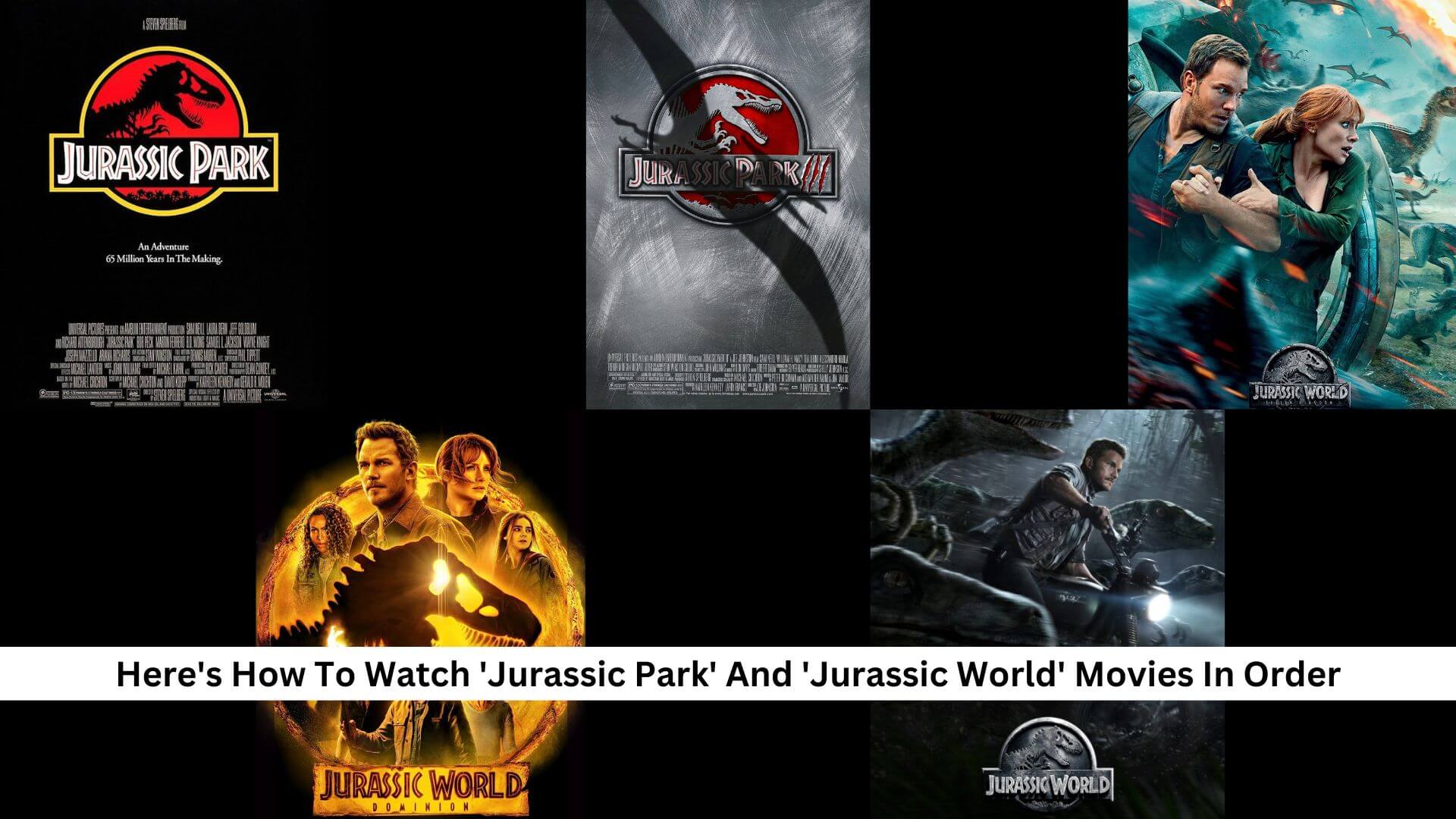
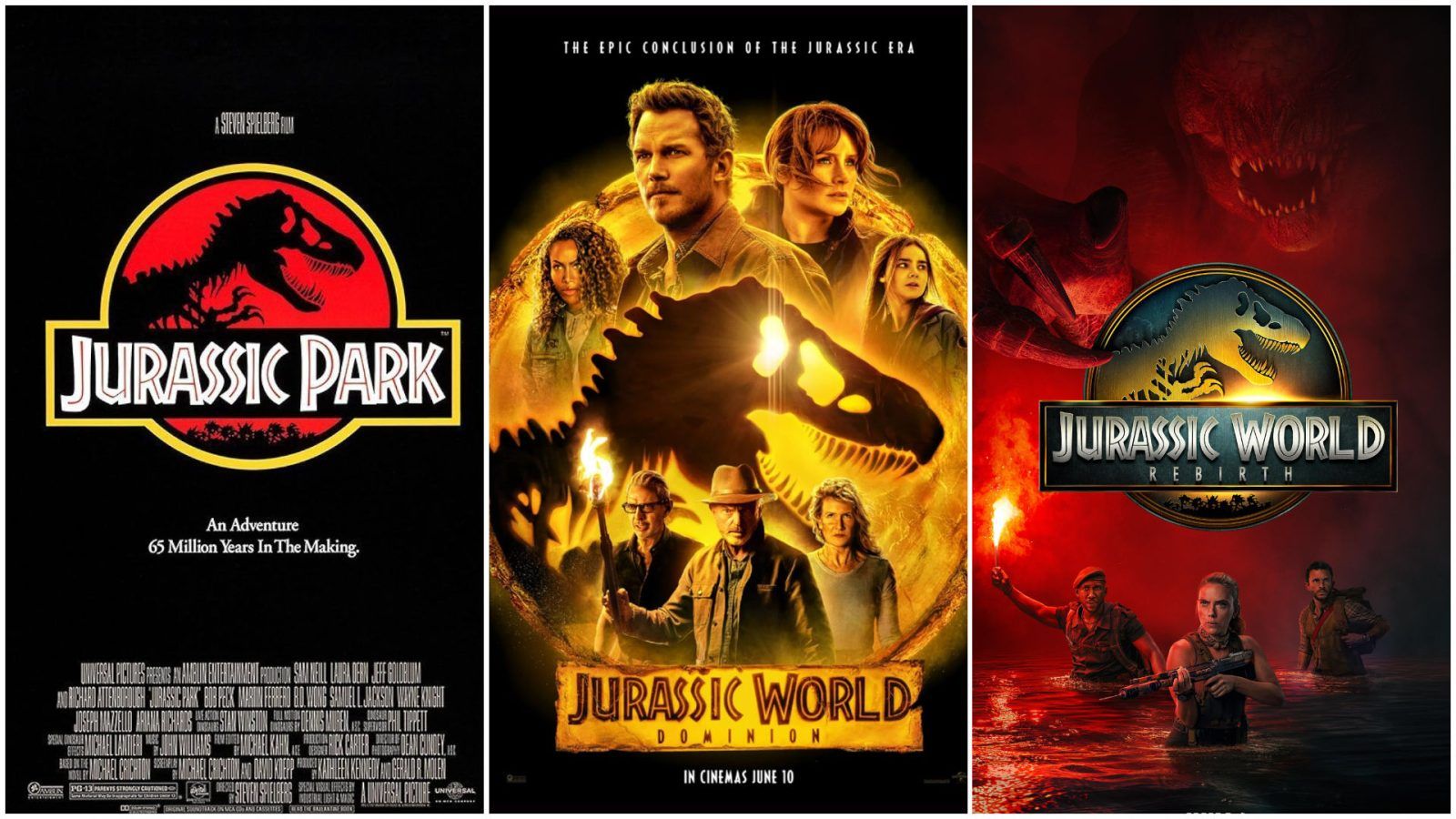
To watch the Jurassic Park and Jurassic World franchise in chronological order, begin with the original Jurassic Park (1993), followed by The Lost World: Jurassic Park (1997) and Jurassic Park III (2001). Transition into the revival era with Jurassic World (2015), Jurassic World: Fallen Kingdom (2018), and Jurassic World: Dominion (2022), concluding with the latest entry, Jurassic World Rebirth (2025).
The Jurassic Park franchise remains one of the most significant pillars of modern cinema. Based on the visionary work of novelist Michael Crichton and brought to life by Steven Spielberg, the series has evolved from a cautionary tale about genetic engineering into a sprawling global epic. As of 2026, the franchise spans seven feature films, multiple animated series, and short films that bridge the gaps between major theatrical releases. Understanding the timeline is essential for any viewer looking to grasp the complex narrative of de-extinction, corporate greed, and the ecological consequences of bringing prehistoric apex predators into the modern world.
The Evolution of the Jurassic Franchise
The series is fundamentally divided into two distinct eras: the "Park" era and the "World" era. The original trilogy focuses primarily on the isolation of the islands—Isla Nublar and Isla Sorna—and the immediate failures of John Hammond’s dream. These films are characterized by a sense of wonder followed by survival horror, emphasizing the "Chaos Theory" popularized by the character Ian Malcolm.
The modern "World" era, which began in 2015, shifted the focus toward a fully operational theme park and the subsequent global integration of dinosaurs. This second trilogy, and the 2025 expansion, explores the wider implications of genetic technology, including human cloning and the reality of dinosaurs living alongside humans in the wild. As the franchise progresses through the mid-2020s, the storytelling has moved beyond the "monster in the house" trope to explore geopolitical and environmental themes on a global scale.
The Release Order: Watching by Debut Date
For first-time viewers, watching in order of release is the most recommended method. This allows you to experience the technological advancement of visual effects—from the groundbreaking animatronics of 1993 to the sophisticated CGI of 2026—and to see how the narrative themes naturally matured over three decades.
- Jurassic Park (1993)
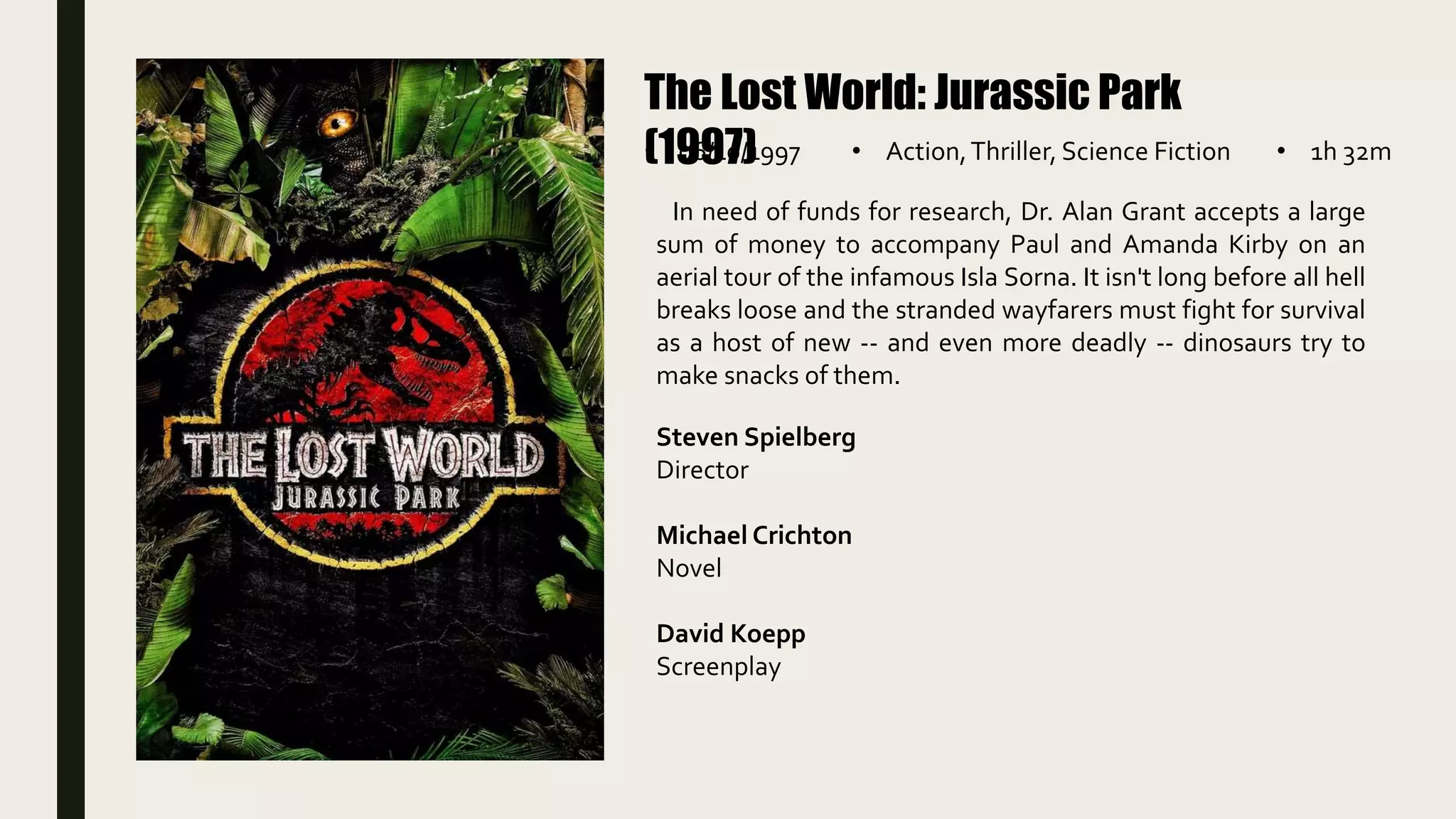
- The Lost World: Jurassic Park (1997)
- Jurassic Park III (2001)
- Jurassic World (2015)
- Jurassic World: Fallen Kingdom (2018)
- Jurassic World: Dominion (2022)
- Jurassic World Rebirth (2025)
The Complete Chronological Timeline (Including Shorts and Series)
If you are a completionist looking to experience the story as it happens in-universe, the timeline becomes slightly more complex. You must account for the Netflix animated series produced by DreamWorks and the canon short films that provide context for the later movies.
- Jurassic Park (1993): The incident at Isla Nublar.
- The Lost World: Jurassic Park (1997): The San Francisco incident and the exploration of "Site B" (Isla Sorna).
- Jurassic Park III (2001): A rescue mission on Isla Sorna, introducing the Spinosaurus.
- Jurassic World (2015): The fall of the fully functional Masrani Global park.
- Jurassic World: Camp Cretaceous (Seasons 1–5): This animated series begins simultaneously with the events of the 2015 Jurassic World film and continues during the years following the park's collapse.
- Jurassic World: Fallen Kingdom (2018): The destruction of Isla Nublar by a volcanic eruption and the release of dinosaurs into the American wilderness.
- Battle at Big Rock (2019): A live-action short film directed by Colin Trevorrow, depicting the first major encounter between a family and a dinosaur in the wild.
- Jurassic World: Chaos Theory (2024–Present): A sequel series to Camp Cretaceous that explores the "Six of Isla Nublar" as young adults navigating a world where dinosaurs are a common threat.
- Jurassic World: Dominion (2022): The conclusion of the second trilogy, where the original and new casts unite to stop Biosyn and address the global dinosaur presence.
- Jurassic World Rebirth (2025): Set several years after Dominion, this film focuses on a specialized team attempting to secure genetic material from the world’s largest dinosaurs on a tropical island.
Deep Dive: The Original Trilogy (1993–2001)
Jurassic Park (1993)
Directed by Steven Spielberg, the first film is a masterpiece of tension and world-building. It introduces John Hammond (Richard Attenborough), the billionaire founder of InGen, who has used fossilized amber to extract dinosaur DNA. The story follows paleontologists Alan Grant (Sam Neill) and Ellie Sattler (Laura Dern), along with mathematician Ian Malcolm (Jeff Goldblum), as they tour the park before its official opening. The film’s reliance on Stan Winston’s animatronics combined with early digital effects from Industrial Light & Magic (ILM) set a standard that many argue has never been surpassed.
The Lost World: Jurassic Park (1997)
Based loosely on Crichton’s second novel, this sequel returns to "Site B," the secondary island where dinosaurs were bred before being moved to the park. It is a significantly darker film, focusing on the conflict between Hammond’s environmentalist goals and his nephew Peter Ludlow’s corporate greed. The film is famous for the "T-Rex in San Diego" sequence, which paid homage to classic kaiju cinema while expanding the scope of the threat beyond the jungle.
Jurassic Park III (2001)
The first film not directed by Spielberg (Joe Johnston took the helm), this entry is a more straightforward action-adventure. It sees Alan Grant lured back to Isla Sorna under false pretenses. The film was controversial at the time for the Spinosaurus defeating a Tyrannosaurus Rex, but it has gained a cult following in recent years for its brisk pacing and its introduction of more intelligent Pteranodons.
The Jurassic World Era (2015–2022)
Jurassic World (2015)
Fourteen years after the third film, Jurassic World revitalized the franchise by imagining what would happen if Hammond’s dream actually succeeded. Under the ownership of Simon Masrani, the park is a global success but faces "customer fatigue," leading to the creation of the genetically modified Indominus Rex. This film introduced Owen Grady (Chris Pratt) and Claire Dearing (Bryce Dallas Howard), moving the focus toward the hubris of creating entirely new "monsters" rather than just resurrecting extinct ones.
Jurassic World: Fallen Kingdom (2018)
Directed by J.A. Bayona, this film split the audience with its genre-shifting narrative. The first half is a high-octane disaster movie featuring a volcanic eruption on Isla Nublar, while the second half is a gothic horror story set within the Lockwood Manor. The introduction of the Indoraptor and the final decision to release the dinosaurs into the world fundamentally changed the DNA of the franchise.
Jurassic World: Dominion (2022)
Dominion served as the "grand finale" of the six-film arc. It brought back the original trio (Grant, Sattler, and Malcolm) to work alongside Owen and Claire. The plot shifted from dinosaurs-as-monsters to dinosaurs-as-an-invasive-species, involving a global conspiracy involving prehistoric locusts that threatened the world's food supply. Despite mixed critical reviews, it was a massive financial success and set the stage for the post-Isla Nublar world.
The New Chapter: Jurassic World Rebirth (2025)
The latest feature film, Jurassic World Rebirth, represents a "soft reboot" of the franchise's direction. Directed by Gareth Edwards (known for Godzilla and Rogue One), the film moves away from the legacy characters of the previous six movies to focus on a new ensemble, including Scarlett Johansson, Jonathan Bailey, and Mahershala Ali.
Set in an era where the planet’s ecology has become increasingly inhospitable to dinosaurs, the story follows a covert team tasked with a high-stakes expedition to extract DNA from the three most massive creatures remaining on earth. This DNA is believed to hold the key to a breakthrough in human medicine. The film returns the series to its roots of isolation and survival, set against a lush, tropical backdrop that echoes the aesthetic of the 1993 original.
Comparative Overview of the Jurassic Films
| Film Title | Release Year | Director | Primary Antagonist (Dinosaur) |
|---|---|---|---|
| Jurassic Park | 1993 | Steven Spielberg | Tyrannosaurus Rex / Velociraptor |
| The Lost World | 1997 | Steven Spielberg | T-Rex Pair / Velociraptor |
| Jurassic Park III | 2001 | Joe Johnston | Spinosaurus |
| Jurassic World | 2015 | Colin Trevorrow | Indominus Rex |
| Fallen Kingdom | 2018 | J.A. Bayona | Indoraptor |
| Dominion | 2022 | Colin Trevorrow | Giganotosaurus |
| Rebirth | 2025 | Gareth Edwards | To be Classified (New Apex Species) |
The Role of Animated Series and Shorts
While the movies are the primary draw, the expanded media provides essential lore for fans who want to understand the technical side of InGen and the rival company, Biosyn.
- Camp Cretaceous: This series is vital for understanding the "E750" project and how InGen’s technology evolved between 2015 and 2018. It also introduces the "Mantal Corp," another rival company interested in dinosaur mind-control technology.
- Battle at Big Rock: This short is historically significant as the first time audiences saw a "civilian" encounter with a dinosaur in a domestic setting (a camping trip). It established the "new normal" for the world leading into Dominion.
- Chaos Theory: Released in 2024, this show bridges the gap between Dominion and the newer films, showing how the world government and the "Department of Prehistoric Wildlife" (DPW) manage the distribution of dinosaurs across the globe.
Frequently Asked Questions
Can I watch Jurassic World without seeing Jurassic Park?
While the Jurassic World films provide enough context to be understood as standalone adventures, you will miss significant emotional beats and thematic references. The character of Henry Wu, for instance, starts in the 1993 film and becomes a central figure in the later trilogy. Dominion, in particular, relies heavily on the audience's history with the original cast.
Are the Michael Crichton novels different from the movies?
Yes, significantly. The novels are much darker and more cynical. Characters who survive in the movies, such as John Hammond and Ian Malcolm (in the first book), suffer different fates in the prose versions. The books also delve deeper into the hard science of genetic sequencing and the philosophical arguments regarding chaos theory and extinction.
Which dinosaurs are the most prominent throughout the series?
The Tyrannosaurus Rex is the undisputed icon of the franchise, appearing in every film except Jurassic World Rebirth (though its DNA remains a factor). Velociraptors are also constant presence, though their appearance changed significantly throughout the series as scientific understanding of feathered dinosaurs evolved.
Is Isla Nublar gone for good?
Yes, within the canon of the films, Isla Nublar was destroyed by the eruption of Mount Sibo in 2018 (Fallen Kingdom). However, Isla Sorna (Site B) still exists, and its status remains a point of intrigue in the 2025/2026 lore, as it is often referenced as a restricted zone where some populations may still thrive.
Where can I stream the Jurassic Park movies in 2026?
Streaming rights for the franchise frequently rotate between platforms like Peacock (NBCUniversal’s service), HBO Max, and Netflix. Currently, in 2026, the complete collection is most often found on Peacock due to Universal Pictures' ownership of the franchise.
Next Steps for Fans
To fully immerse yourself in the world of Jurassic Park, start with the 1993 original to establish the foundation of the story. Once you have completed the seven main films, explore the Chaos Theory series to see the more grounded, day-to-day reality of a world populated by dinosaurs. For those interested in the darker, more scientific origins, reading Michael Crichton's original two novels offers a fascinating "alternate" version of the events that started it all.