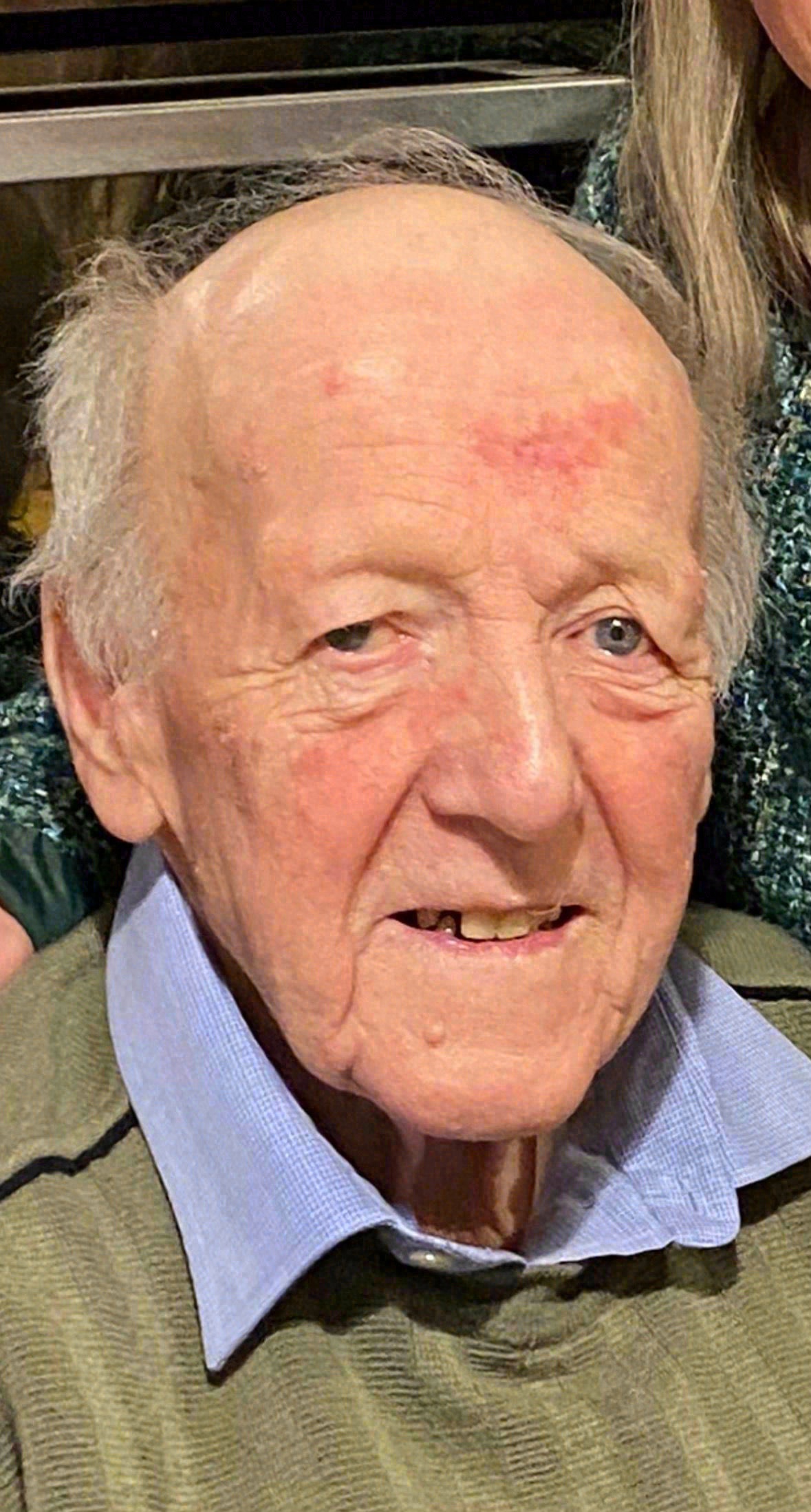
The murder of Anita Cobby in February 1986 remains one of the most harrowing and transformative events in Australian criminal history. John Travers, the ringleader of a group of five men, orchestrated the abduction, assault, and killing of the 26-year-old nurse. Their subsequent trial and the imposition of "never to be released" life sentences reshaped New South Wales sentencing laws and ignited a national movement for victims' rights that continues to resonate in 2026.
The Events of February 2, 1986
The tragedy began on the evening of February 2, 1986. Anita Cobby, a dedicated nurse at Sydney Hospital and a former Miss Western Suburbs pageant winner, was returning home to Blacktown after dinner with colleagues in the city. Finding that no taxis were available at Blacktown station, she decided to walk the short distance to her parents' home.
During this walk, she was spotted by five men in a stolen Holden Kingswood: John Travers, Michael Murdoch, and three brothers—Leslie, Michael, and Gary Murphy. The group, led by the then 18-year-old John Travers, dragged her into the vehicle. What followed was a prolonged period of unimaginable brutality. She was driven to a secluded paddock in Prospect, where she was subjected to repeated sexual assaults and physical torture. To ensure there was no witness to their crimes, John Travers ultimately used a knife to end her life.
Her body was discovered two days later, on February 4, by a farmer. The sheer level of violence inflicted upon a random, innocent pedestrian sent shockwaves through the local community and the entire nation. It wasn't just a murder; it was a perceived assault on the safety of every citizen.
Profiling the Perpetrators: John Travers and the Accomplices
To understand the gravity of the case, one must examine the background of the men involved, particularly John Travers. In the mid-1980s, the group represented a subculture of aimless, violent delinquency in Sydney's western suburbs.
John Travers: The Ringleader
John Travers was the dominant figure in the group. Despite his youth, he had a history of escalating criminal behavior. Acquaintances described him as manipulative and prone to extreme aggression. During the commission of the crime, it was Travers who dictated the actions of the others, and it was his decision to escalate the assault to murder. Psychologists and investigators later noted his lack of remorse, a trait that became even more evident during the police interviews and the trial.
The Murphy Brothers and Michael Murdoch
The Murphy brothers—Leslie, Michael, and Gary—along with their friend Michael Murdoch, followed Travers' lead. While their individual levels of participation varied slightly during the initial abduction, the legal system eventually determined that all five were equally complicit in the joint criminal enterprise. The Murphys came from a troubled family background, but the court found that this did not mitigate the calculated nature of their participation in the night's events.
The Investigation and the Breakthrough
The New South Wales Police Force launched a massive investigation, led by Detective Sergeant Gary Raymond. However, the breakthrough did not come from forensic evidence initially, but from within the social circle of the killers.
John Travers, in a display of misplaced bravado, bragged about the crime to an acquaintance. This information reached Jan Travers, John’s aunt. Despite the family connection, Jan was so horrified by the details of the crime that she contacted the police. She became a crucial informant, working with investigators to gather the admissions necessary to secure arrests.
The courage of Jan Travers cannot be overstated. In an era where "snitching" was socially taboo in their demographic, her decision to prioritize justice for Anita Cobby over family loyalty was the turning point. By late February 1986, all five men were in custody.
The Trial and the "Never to Be Released" Verdict
The trial, presided over by Justice Alan Maxwell in the Supreme Court of New South Wales, was one of the most publicized in Australian history. The evidence presented was so graphic that it reportedly traumatized jurors and court staff.
In 1987, the jury found all five men guilty of murder and sexual assault. When it came to sentencing, Justice Maxwell faced a public that was demanding the return of the death penalty. While the death penalty had been abolished in New South Wales in 1955 (and for all crimes in 1985), the judge utilized the maximum extent of the law.
Each man was sentenced to life imprisonment, with their files marked with the specific notation: "Never to be released." This meant that the five perpetrators would spend the remainder of their natural lives behind bars without the possibility of parole. This sentence was a landmark in the Australian judiciary, providing a sense of finality that was previously rare in "life" sentences, which often saw offenders released after 15 to 20 years.
The Enduring Legacy of Anita Cobby
The death of Anita Cobby did more than just send five men to prison; it changed the social and legal fabric of Australia. Her parents, Garry and Grace Lynch, became the faces of a new movement focused on the rights and support of victims' families.
The Homicide Victims Support Group (HVSG)
Following the trial, Garry and Grace Lynch, along with Christine and Peter Simpson (whose daughter was also murdered), founded the Homicide Victims Support Group. In 2026, this organization remains a cornerstone of the Australian justice system, providing counseling, legal guidance, and emotional support to those who have lost loved ones to violence.
Legislative Changes
The case was a primary catalyst for the Crimes (Sentencing Procedure) Act 1999 and subsequent amendments that formalised the "Life means Life" sentencing for the most heinous crimes. It also influenced the introduction of Victim Impact Statements, allowing families to speak directly to the court about the personal cost of a crime before sentencing occurs.
Grace's Place
In honor of Anita's mother, "Grace's Place" was established as a world-first residential trauma recovery center for children affected by homicide. It stands as a living testament to the Lynch family’s commitment to turning their private grief into public good.
Comparative Overview of the Perpetrators
The following table summarizes the legal status and roles of the individuals involved in the 1986 crime as recorded in historical and contemporary archives through 2026.
| Name | Role in Crime | Sentence | Status (as of 2026) |
|---|---|---|---|
| John Travers | Ringleader / Principal Offender | Life Imprisonment | Deceased (2024, in prison) |
| Michael Murdoch | Accomplice / Participant | Life Imprisonment | Incarcerated (Maximum Security) |
| Leslie Murphy | Accomplice / Participant | Life Imprisonment | Incarcerated (Maximum Security) |
| Michael Murphy | Accomplice / Participant | Life Imprisonment | Deceased (2019, in prison) |
| Gary Murphy | Accomplice / Participant | Life Imprisonment | Incarcerated (Maximum Security) |
Note: Michael Murphy died of cancer in 2019 while serving his sentence. John Travers died in custody in 2024. The remaining three continue to serve their natural life sentences without parole.
The Role of the Media and Public Sentiment
The 1986 case marked a shift in how the Australian media reported on violent crime. The saturation coverage was both a reflection of and a fuel for the public's outrage. Thousands attended Anita’s funeral at St John’s Anglican Cathedral in Parramatta, an event that stopped the city.
The media's role was double-edged. While it kept the case in the public eye and pressured the government for reform, it also highlighted the vulnerability of women walking alone, leading to a long-lasting "fear of the dark" in Sydney's suburbs. In the years following, significant investments were made in street lighting, public transport safety, and community policing in the Blacktown and Prospect areas.
Forensic and Investigative Evolution
The investigation into John Travers and his accomplices was a masterclass in traditional detective work, but it also highlighted the limitations of the era. In 1986, DNA profiling was in its infancy and not yet a standard tool for Australian police.
The conviction relied heavily on:
- Witness Testimony: Particularly the bravery of Jan Travers and other locals who provided bits of the puzzle.
- Confessions: The skill of the interrogators in breaking down the stories of the younger Murphy brothers led to the eventual collapse of their collective alibi.
- Circumstantial Evidence: The stolen car used in the crime was a vital link that tied the five men together.
Today, in 2026, a similar crime would be solved within hours through high-definition CCTV, GPS tracking of mobile devices, and rapid DNA sequencing. However, the Cobby case proved that even without advanced technology, meticulous police work and community cooperation could bring the most shielded criminals to justice.
Frequently Asked Questions
Did any of the five men ever get released?
No. Despite various legal appeals over the decades, the "never to be released" order has been upheld by the courts. The nature of their crime was deemed so beyond the bounds of human decency that any consideration for parole has been repeatedly denied.
What happened to Anita Cobby’s husband, John Cobby?
John Cobby, who was estranged from Anita at the time of her death but still deeply connected to her, suffered immensely following the murder. He retreated from public life for many years but eventually authored a book, An Innocent Girl, which detailed his personal journey through grief and the impact the tragedy had on his life.
Is the site of the crime still a paddock?
The area in Prospect where the crime occurred has seen significant urban development since 1986. However, a memorial remains nearby to honor Anita’s memory and serves as a somber reminder for the community.
How did Grace and Garry Lynch pass away?
Garry Lynch passed away in 2008, and Grace Lynch passed away in 2011. Until their final days, they remained active in the Homicide Victims Support Group. They are remembered as icons of resilience and dignity in the face of absolute tragedy.
Why was John Travers considered the ringleader?
Court records and witness statements consistently pointed to Travers as the initiator. He was the one who spotted Anita Cobby, ordered the car to stop, and was the primary perpetrator of the most violent acts. His influence over the others, particularly the Murphy brothers, was a central theme of the prosecution's case.
Summary of Impact
The case of John Travers and Anita Cobby is more than a true-crime story; it is a landmark of Australian social history. It defined the limits of mercy in the legal system for those who commit "unspeakable" acts. It catalyzed the birth of modern victims' advocacy, ensuring that the families of those lost to violence are no longer forgotten by the courts.
As of 2026, the legacy of this case continues to protect the community through stringent sentencing laws and provide a framework for support through organizations like the HVSG. The memory of Anita Cobby—a young woman whose life was stolen—lives on through the thousands of people who are helped by the reforms her death inspired.
Practical Recommendation: For those interested in the evolution of Australian law or seeking support for similar tragedies, the Homicide Victims Support Group remains the primary resource for advocacy and counseling. Understanding the historical context of the Crimes (Sentencing Procedure) Act can also provide deeper insight into how current "Life means Life" mandates are applied in the New South Wales judicial system.