The 2018 mail bombing campaign was a series of attempted domestic terrorist attacks targeting prominent Democratic politicians, media figures, and critics of the Trump administration. Between October 22 and November 1, 2018, sixteen improvised explosive devices (IEDs) were sent through the U.S. postal system. All were intercepted without detonating, leading to the arrest and 20-year sentencing of Cesar Sayoc.
Historical Context of the 2018 Attacks
The events of October 2018 occurred during a period of intense political polarization in the United States, just weeks before the midterm elections. The mailing of explosive devices to high-profile figures created a national security crisis that tested the coordination between the Federal Bureau of Investigation (FBI), the United States Postal Inspection Service (USPIS), and local law enforcement agencies.
The campaign began on October 22, 2018, when a package containing a pipe bomb was discovered in the mailbox of billionaire philanthropist George Soros in Katonah, New York. Over the following days, the scope of the threat expanded rapidly as similar packages were intercepted across the country, addressed to former presidents, cabinet members, and a major news organization.
As of 2026, this event remains a primary case study for law enforcement regarding "lone wolf" domestic terrorism and the technical challenges of intercepting hazardous materials within the massive infrastructure of the U.S. Postal Service.
Timeline of Intercepted Packages
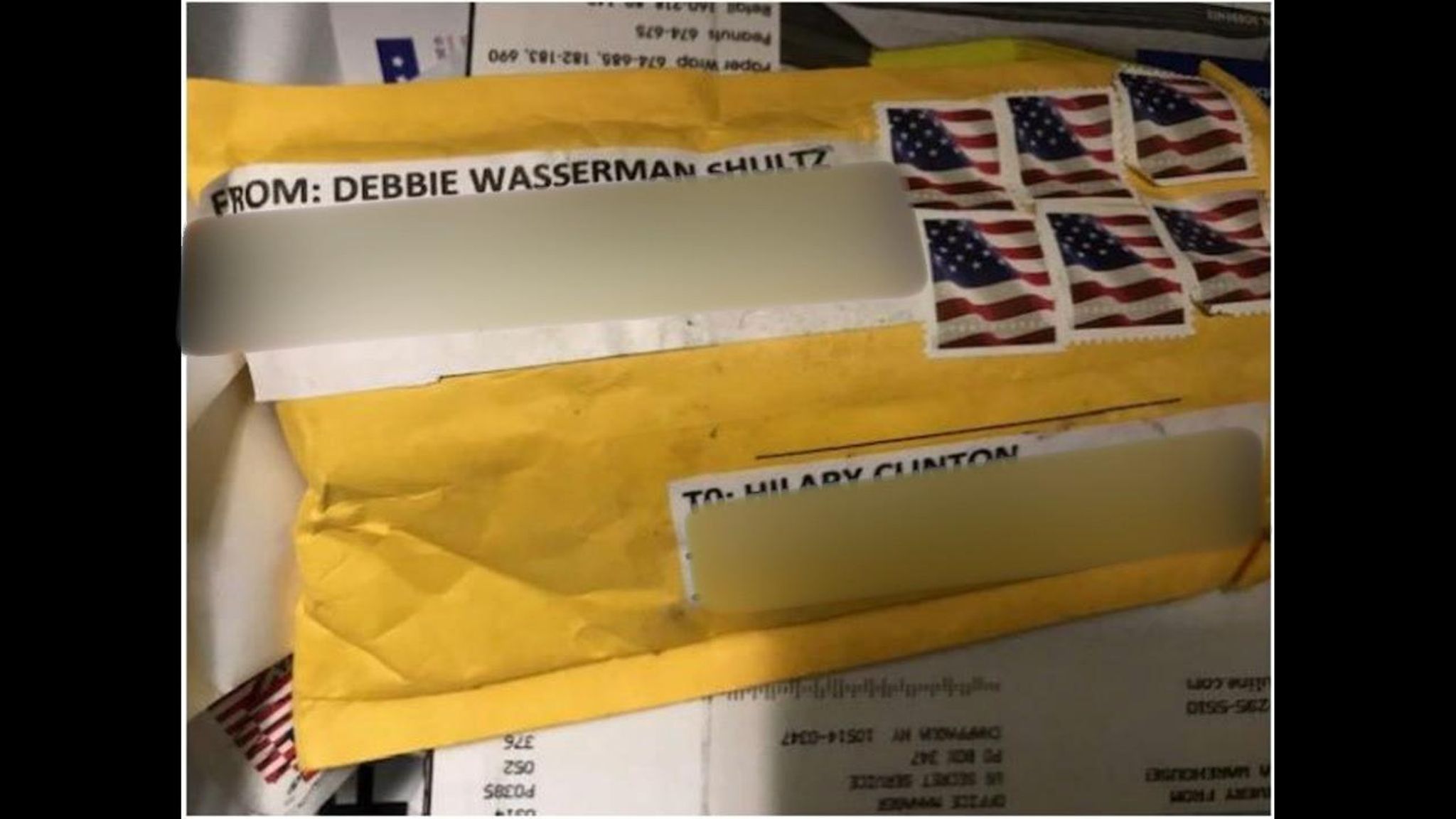
The systematic discovery of these devices followed a pattern that suggested a single source, eventually confirmed by forensic evidence. The packages were typically packaged in manila envelopes with bubble-wrap lining, featuring computer-printed address labels and an excessive number of "Forever" postage stamps.
| Date Discovered | Intended Target | Interception Location |
|---|---|---|
| October 22, 2018 | George Soros | Katonah, NY |
| October 24, 2018 | Hillary Clinton | Chappaqua, NY |
| October 24, 2018 | Barack Obama | Washington, D.C. |
| October 24, 2018 | CNN (John Brennan) | New York City, NY |
| October 24, 2018 | Eric Holder | Sunrise, FL (Returned to Sender) |
| October 24, 2018 | Maxine Waters | Los Angeles & Washington, D.C. |
| October 25, 2018 | Joe Biden | New Castle & Wilmington, DE |
| October 25, 2018 | Robert De Niro | New York City, NY |
| October 26, 2018 | Cory Booker | Opa-locka, FL |
| October 26, 2018 | James Clapper | New York City, NY |
| October 26, 2018 | Kamala Harris | Sacramento, CA |
| October 26, 2018 | Tom Steyer | Burlingame, CA |
The discovery at the CNN offices in the Time Warner Center triggered a live, televised evacuation, highlighting the immediate disruption to public life and the media’s role in the national conversation surrounding political violence.
Anatomy of the Devices: Functional vs. Hoax
A significant point of contention during the initial investigation and subsequent legal proceedings was whether the devices were intended to explode. FBI Director Christopher Wray clarified shortly after the arrest that these were not "hoax devices."
Technical Specifications
Each device consisted of a six-inch PVC pipe, a small clock, a battery, wiring, and "energetic material" derived from pyrotechnics (such as powder from fireworks or match heads). Some packages also contained shards of glass, intended to act as shrapnel upon detonation.
Forensic Analysis
Forensic examiners at the FBI Laboratory in Quantico, Virginia, determined that while the devices did not detonate, they contained the necessary components to create an explosion. The primary reason they failed to explode remained a subject of technical debate; some analysts suggested the wiring was insufficiently secured, while others believed the design was inherently flawed. Regardless of their failure to ignite, the presence of volatile chemicals and shrapnel classified them as lethal weapons under federal law.
The Investigation: Operation Magnum
The hunt for the perpetrator, dubbed Operation Magnum, was one of the most rapid and successful forensic investigations in modern FBI history. The breakthrough came through a combination of traditional "boots-on-the-ground" detective work and advanced forensic technology.
DNA and Fingerprint Evidence
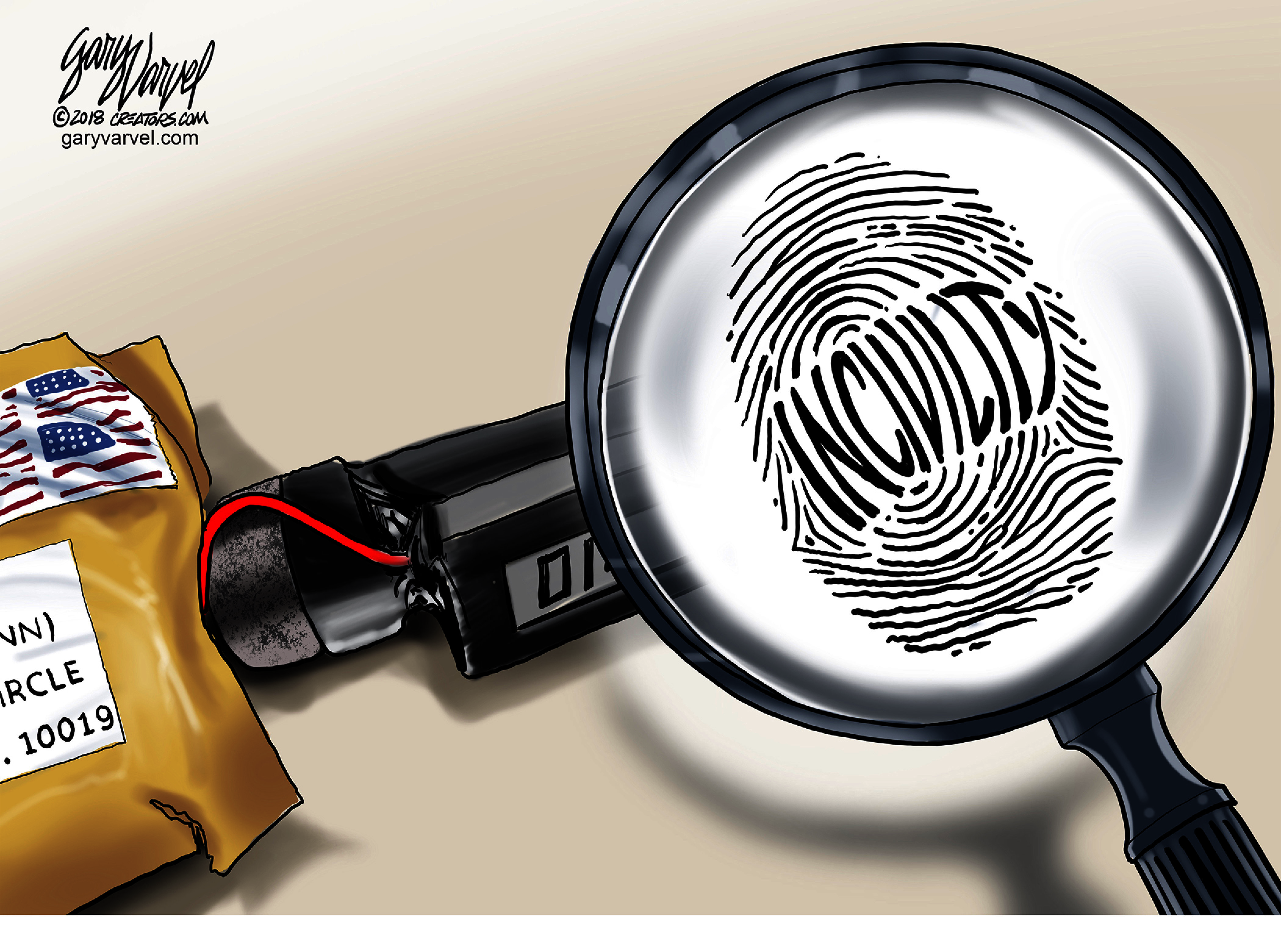
The most critical evidence was recovered from a package sent to Congresswoman Maxine Waters. Investigators found a latent fingerprint on the envelope. Simultaneously, DNA evidence was recovered from a piece of skin found under a fragment of adhesive tape on one of the devices.
The FBI’s Integrated Automated Fingerprint Identification System (IAFIS) and the Combined DNA Index System (CODIS) provided a match: Cesar Sayoc, a 56-year-old resident of Florida with a prior criminal record. Sayoc’s information was already in the system due to a 2002 arrest involving a bomb threat in Miami.
Digital and Physical Surveillance
Once a suspect was identified, investigators used cellular site location information (CSLI) to track Sayoc’s movements. His social media presence on platforms like Twitter (now X) and Facebook revealed a history of threatening messages directed at the very individuals targeted by the mail bombs.
On October 26, 2018, just four days after the first bomb was found, federal agents apprehended Sayoc in the parking lot of an auto parts store in Plantation, Florida.
Profile of Cesar Sayoc
At the time of his arrest, Sayoc was living in a white Dodge Ram van that had become a mobile billboard for his political ideologies. The van’s windows were covered in stickers depicting prominent Democrats with crosshairs over their faces and various slogans supporting Donald Trump.
Psychological and Social Factors
Defense attorneys later argued that Sayoc was a vulnerable individual who had been influenced by inflammatory political rhetoric. They cited his history of cognitive limitations, steroid use, and social isolation. According to court documents, Sayoc was living a precarious existence, working as a pizza delivery driver and nightclub DJ while residing in his van.
However, the prosecution emphasized the calculated nature of his actions. Sayoc had researched his targets' addresses, purchased components for multiple IEDs, and utilized the postal system to maximize the reach of his intimidation campaign.
Legal Proceedings and Sentencing
Cesar Sayoc was charged with 65 felony counts, including the use of a weapon of mass destruction, interstate transportation of an explosive, and mailing explosives with the intent to kill or injure.
The Guilty Plea
In March 2019, Sayoc pleaded guilty to 65 counts. During his plea hearing, he admitted to sending the devices but claimed he did not intend for them to explode, though he acknowledged the risk they posed. This "lack of intent" defense was largely dismissed by the court given the forensic evidence of shrapnel and explosive powder.
The Sentence
On August 5, 2019, U.S. District Judge Jed Rakoff sentenced Sayoc to 20 years in federal prison. The judge described the crimes as a "monstrous" attempt to silence political opposition through terror. While the defense requested a more lenient sentence based on Sayoc's mental health, the court prioritized the need for general deterrence and the protection of the public.
As of 2026, Sayoc remains incarcerated in the federal prison system. His case continues to be cited in legal arguments regarding the intersection of political speech and criminal threats.
Impact on Mail Security and Policy
The 2018 mail bomb campaign forced a significant re-evaluation of how the United States secures its mail stream. The United States Postal Inspection Service (USPIS), the law enforcement arm of the USPS, implemented several changes to its screening processes.
Enhanced Screening Protocols
In the wake of the attacks, the USPS increased its investment in automated scanning technology capable of detecting organic and inorganic materials that might indicate an explosive device. These systems are now more integrated with intelligence databases to flag packages from suspicious senders or those addressed to high-risk individuals.
Public Awareness and Reporting
The "See Something, Say Something" campaign was expanded to include specific guidance for mailroom employees and residential building managers. Key indicators of suspicious mail now include:
- Excessive postage or stamps.
- Lack of a return address or a non-existent one.
- Oily stains, discolorations, or strange odors.
- Protruding wires or aluminum foil.
- Packages that are heavy for their size or "lopsided."
Technical Comparison of Historic Mail Bombings
To understand the severity of the 2018 events, it is helpful to compare them to other significant mail-based attacks in U.S. history.
| Incident | Perpetrator | Motive | Outcome |
|---|---|---|---|
| Unabomber (1978–1995) | Ted Kaczynski | Anti-technology / Anarchism | 3 killed, 23 injured; Life sentence |
| 2001 Anthrax Attacks | Bruce Ivins (Suspected) | Unknown/Scientific | 5 killed, 17 injured; Suspect died by suicide |
| 2018 Mail Bombs | Cesar Sayoc | Political Extremism | 0 killed/injured; 20-year sentence |
| 2023 Austin Bombings | Mark Anthony Conditt | Personal/Unknown | 2 killed, 5 injured; Suspect died by suicide |
While Sayoc's devices failed to cause physical injury, the scale and the high-profile nature of the targets placed the 2018 campaign among the most significant domestic security breaches of the 21st century.
Frequently Asked Questions
Were the 2018 mail bombs actually capable of exploding?
Yes. Although none of the 16 devices detonated, FBI forensic experts confirmed they contained explosive powders and functional components. The FBI officially classified them as "improvised explosive devices" (IEDs), not hoaxes. The failure to detonate was attributed to construction flaws rather than a lack of dangerous materials.
Who was the main target of the 2018 mail bombs?
The campaign targeted multiple individuals, but the first device was found at the home of George Soros. Other prominent targets included Barack Obama, Hillary Clinton, and Joe Biden. CNN was the primary media organization targeted, specifically receiving a package addressed to former CIA Director John Brennan.
How was Cesar Sayoc caught so quickly?
Sayoc was apprehended within four days of the first discovery due to a latent fingerprint found on a package sent to Maxine Waters and DNA evidence found on a device sent to Barack Obama. These markers matched his profile in federal databases from a previous 2002 arrest.
What happened to Cesar Sayoc's van?
After his arrest, Sayoc’s van was seized by the FBI as evidence. It gained notoriety for being covered in political stickers and images. It was processed for evidence, including forensic materials and evidence of IED construction, and has since been held in government custody or destroyed following the conclusion of legal proceedings.
Did the 2018 mail bombs change how I get my mail?
While daily residential mail delivery remains largely unchanged for the average citizen, there is significantly more "behind-the-scenes" scanning. The USPS has upgraded its biological and explosive detection systems at major processing hubs. High-profile government officials and public figures now utilize specialized off-site mail screening facilities.
Final Recommendations for Mail Safety
For organizations and individuals who may be at an increased risk due to their public profile, maintaining a rigorous mail-handling protocol is essential. The 2018 incidents demonstrated that even flawed devices can cause massive social and economic disruption.
- Establish a Dedicated Screening Area: Mail should be opened in a designated room away from central ventilation systems and high-traffic areas.
- Utilize X-Ray Technology: For high-volume mailrooms, small-scale X-ray scanners can identify wires, batteries, and high-density materials inside envelopes.
- Train Personnel: Ensure that anyone handling mail is familiar with the USPS "Suspicious Mail" poster (Poster 84) and knows the immediate steps to take if a package is deemed dangerous (e.g., do not move it, evacuate the room, and call 911).
- Digital Pre-Screening: Use Informed Delivery or similar services to preview incoming mail pieces digitally before they are physically handled.
The 2018 mail bombing campaign serves as a reminder of the persistent threat of domestic extremism and the critical importance of forensic science in modern counter-terrorism efforts.