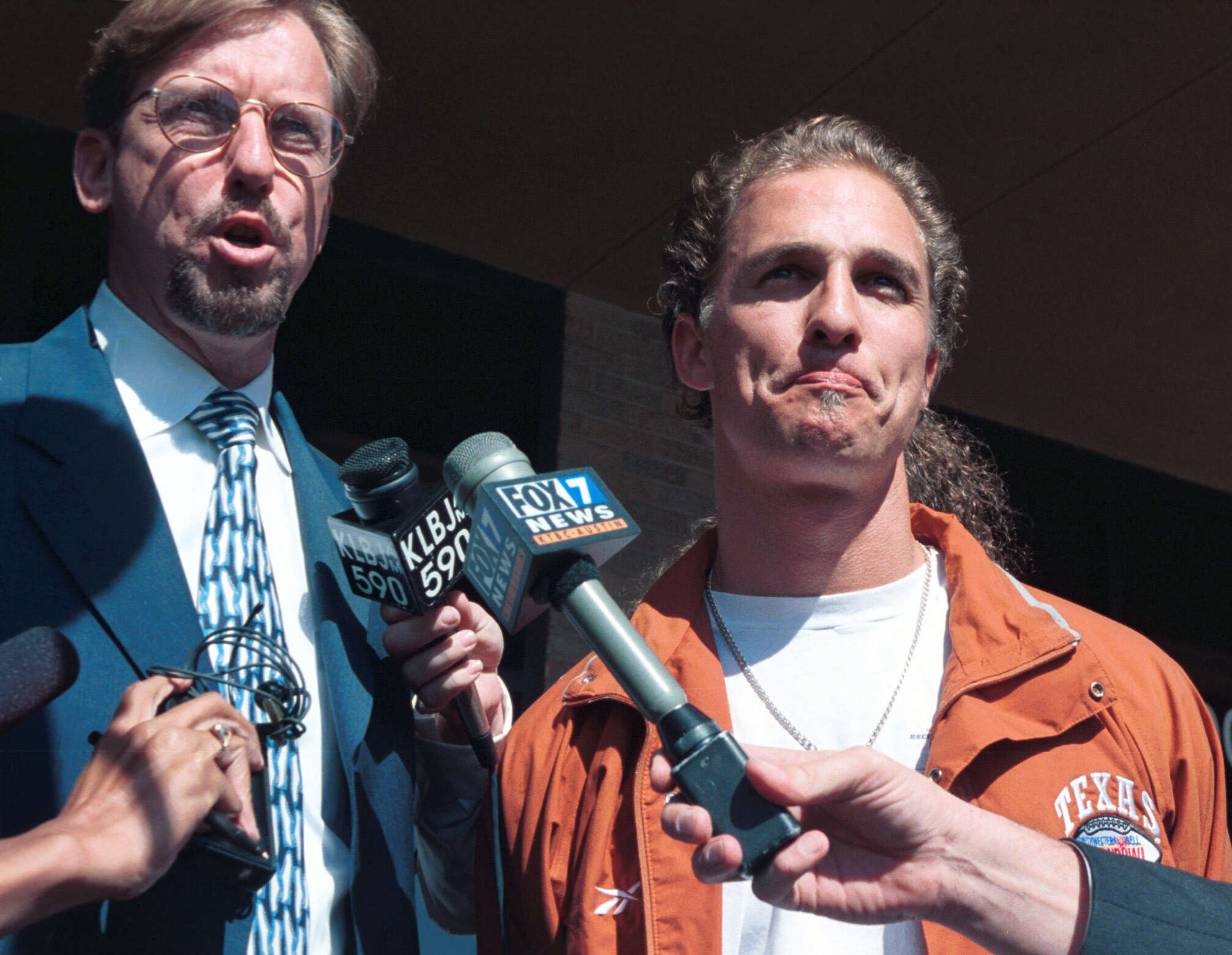
A 1999 arrest record remains accessible through various state and federal repositories unless it has been formally expunged, sealed, or set aside. Because arrest records do not automatically disappear after a specific time frame, individuals seeking employment, housing, or professional licensing decades later often need to understand how these legacy records are stored, how background check companies report them, and what legal pathways exist to clear or restrict access to them.
Understanding the Longevity of 1999 Arrest Records
The year 1999 represents a transitional era in public recordkeeping. During this period, law enforcement agencies and court systems were actively migrating from purely paper-based filing systems to computerized databases. Consequently, an arrest from 1999 may exist in multiple formats: physical paper archives stored in municipal or county basements, microfilm reels, and early-generation electronic criminal justice databases.
Understanding how these records persist requires looking at the distinction between an arrest and a conviction. An arrest record documents that a law enforcement officer took an individual into custody based on probable cause. It does not inherently mean the individual was charged, prosecuted, or convicted of a crime. However, many commercial background screening companies aggregate raw arrest data without updating it with final court dispositions—such as dismissals, acquittals, or reduced charges. This operational lag means a minor or dismissed incident from 1999 can continue to appear on consumer reports unless active measures are taken to correct or seal the record.
Furthermore, state laws dictate how long non-conviction information can be reported. Under the federal Fair Credit Reporting Act (FCRA), consumer reporting agencies are generally prohibited from reporting civil suits, judgments, or other adverse information—including arrests that did not lead to a conviction—that predates the report by more than seven years. However, the FCRA exempts jobs paying above a certain salary threshold ($75,000 per year) and certain regulated industries from this seven-year limitation. In states without strict parallel reporting limits, a 1999 arrest can theoretically resurface if an employer uses a non-compliant screening agency or conducts a deep manual courthouse search.
How 1999 Arrests Appear on Modern Background Checks
When employers, landlords, or financial institutions run a background check in 2026, they rarely search every single county courthouse in the country manually. Instead, they rely on commercial data vendors that scrape court dockets, state repositories, and jail logs.
The Challenges of Legacy Data Migration
Because 1999 data was digitized during the early adoption phase of electronic recordkeeping, data entry errors were common. Common discrepancies found in legacy records include:
- Misspelled Names or Transposed Digits: Names entered incorrectly during booking can cause an arrest record to attach to the wrong profile or remain permanently orphaned.
- Missing Court Dispositions: An arrest from 1999 might show up as "pending" or completely blank regarding the final outcome simply because the court's final ruling was never electronically linked to the initial booking record.
- Multi-Jurisdictional Duplication: If an individual was arrested in one county and transferred to another, the same incident might be logged twice under slightly different docket numbers, making the criminal history appear more extensive than it actually was.
The Impact of the Fair Credit Reporting Act (FCRA)
The FCRA governs how third-party background check companies compile and distribute consumer reports. For convictions, the FCRA places no time limit on reporting; a conviction from 1999 can legally appear on a report indefinitely, subject to state-level restrictions. For non-conviction data (such as an arrest where charges were dropped, dismissed, or resulted in an acquittal), the standard federal window is seven years.
| Record Type | Federal FCRA Reporting Limit | State-Level Variations | Impact on Employment / Housing |
|---|---|---|---|
| Arrest (No Conviction) | 7 years (with exceptions for high salaries) | Many states ban reporting non-convictions entirely or limit them to 1 year. | Can trigger adverse action notices if unverified or improperly reported. |
| Misdemeanor Conviction | Indefinitely under federal law | Some states limit reporting to 7 years for certain classes of misdemeanors. | Requires explanation or a formal petition for expungement. |
| Felony Conviction | Indefinitely under federal law | Rare state limits, though executive pardons or expungements can remove them. | Often requires an individualized assessment by employers under EEOC guidelines. |
Legal Pathways to Clear or Seal a 1999 Record
Leaving a 1999 arrest record unaddressed leaves open the possibility that it will disrupt modern opportunities. Fortunately, legal mechanisms exist to seal, expunge, or set aside older records. The availability and terminology of these processes vary significantly by jurisdiction.
Expungement vs. Sealing
- Expungement: Typically destroys or permanently erases the record of an arrest or conviction from public view and law enforcement databases, as though the event never occurred. In many states, expunged records can only be accessed under very narrow court orders.
- Sealing: Restricts public access to the record. While the file still exists within government archives, it is hidden from background check companies, employers, and landlords. Law enforcement and certain judicial entities may still access sealed files in specific circumstances.
Eligibility Criteria and Statutory Waiting Periods
Most states require individuals to meet specific criteria before petitioning for record relief:
- Nature of the Disposition: Arrests that did not lead to a conviction are generally the easiest to expunge or seal, often carrying minimal waiting periods or even automatic eligibility under modern clean-slate laws.
- Completion of Sentence: If the 1999 arrest led to a conviction, the petitioner must have fully completed all terms of their sentence, including probation, parole, and the payment of all court-ordered fines and restitution.
- Clean Interim Record: Courts evaluate whether the applicant has maintained a clean record in the years following the 1999 incident. Subsequent criminal convictions significantly diminish the likelihood of obtaining an expungement.
- Exempt Offenses: Certain serious offenses—such as violent felonies, sex offenses, or driving under the influence (DUI) in specific states—may be permanently ineligible for expungement, though executive clemency or a gubernatorial pardon remains an alternative avenue.
Step-by-Step Process to Verify and Manage Your Record
If you suspect a 1999 arrest is affecting your background checks, taking a systematic approach to auditing and resolving the record is essential.
Step 1: Obtain Your Official State and Federal Criminal History
Do not rely solely on commercial background check websites. Order your official identity history summary from the Federal Bureau of Investigation (FBI) and your state's department of law enforcement or state police repository. This will provide the authoritative baseline of what government databases currently show.
Step 2: Request the Court Docket
If the official report shows an arrest without a clear disposition, contact the clerk of the court in the county where the arrest occurred. Request the complete case file or a certificate of disposition. If the charges were dismissed in 1999, securing this official court document is your most powerful tool for forcing background screening agencies to update their files.
Step 3: File a Dispute with Consumer Reporting Agencies
If a background check company reports outdated or inaccurate information regarding your 1999 arrest—such as listing an arrest as a conviction or reporting a non-conviction older than seven years where prohibited—file a formal dispute under the FCRA. The credit reporting agency is legally required to investigate and respond within 30 days.
Step 4: Consult with a Criminal Defense Attorney
Because criminal record sealing laws vary heavily by state, consulting with an attorney who specializes in post-conviction relief in the jurisdiction where the arrest occurred is highly recommended. An attorney can ensure petitions are filed correctly and represent you at hearings if the prosecutor objects to the sealing.
Frequently Asked Questions About 1999 Arrest Records
Does an arrest from 1999 automatically disappear after 25 years?
No. Criminal records do not automatically vanish simply due to the passage of time. Unless a state has enacted specific "clean slate" legislation that automatically seals certain non-conviction or low-level records, an arrest record remains in government archives indefinitely until an individual actively petitions to seal or expunge it.
Can an employer see a 1999 arrest if charges were dropped?
Under the federal Fair Credit Reporting Act, consumer reporting agencies cannot report non-conviction data (such as dropped charges or arrests) that is older than seven years, unless the position being applied for has an annual salary of $75,000 or more. However, some state laws provide even stricter protections, completely banning the reporting of non-convictions regardless of the salary threshold.
What should I do if a background check company refuses to remove an outdated arrest?
You have the right under the FCRA to submit a written dispute directly to the background screening company. Provide copies of official court documents proving the dismissal or the age of the record. If the company fails to correct or remove the inaccurate information within the statutory 30-day window, you may consult an attorney to explore legal remedies for FCRA violations.
Are expunged 1999 records visible to law enforcement?
In most jurisdictions, expunged records are hidden from public view, employers, and landlords, but they may still be visible to law enforcement agencies and judicial officers under specific statutory exceptions, such as during a subsequent criminal investigation or firearm background check.
How much does it cost to seal a 1999 criminal record?
Costs vary widely depending on the state, county court fees, and whether you hire a private attorney. Court filing fees typically range from $50 to several hundred dollars, while legal representation fees depend on the complexity of the case and whether a formal hearing is required. Some jurisdictions offer fee waivers for individuals who meet specific financial hardship criteria.
Summary and Next Actions
A 1999 arrest record does not have to remain a permanent barrier to your personal and professional goals. Begin by obtaining your official state and FBI criminal history reports to identify what is currently on file. If the record contains outdated non-conviction data or errors, exercise your rights under the Fair Credit Reporting Act to dispute the entries. For records that involve convictions or require formal clearance, research your local jurisdiction's expungement statutes or consult with a qualified criminal defense attorney to initiate the sealing process. Taking proactive steps ensures that your record accurately reflects your current status rather than an unresolved legacy file from decades past.