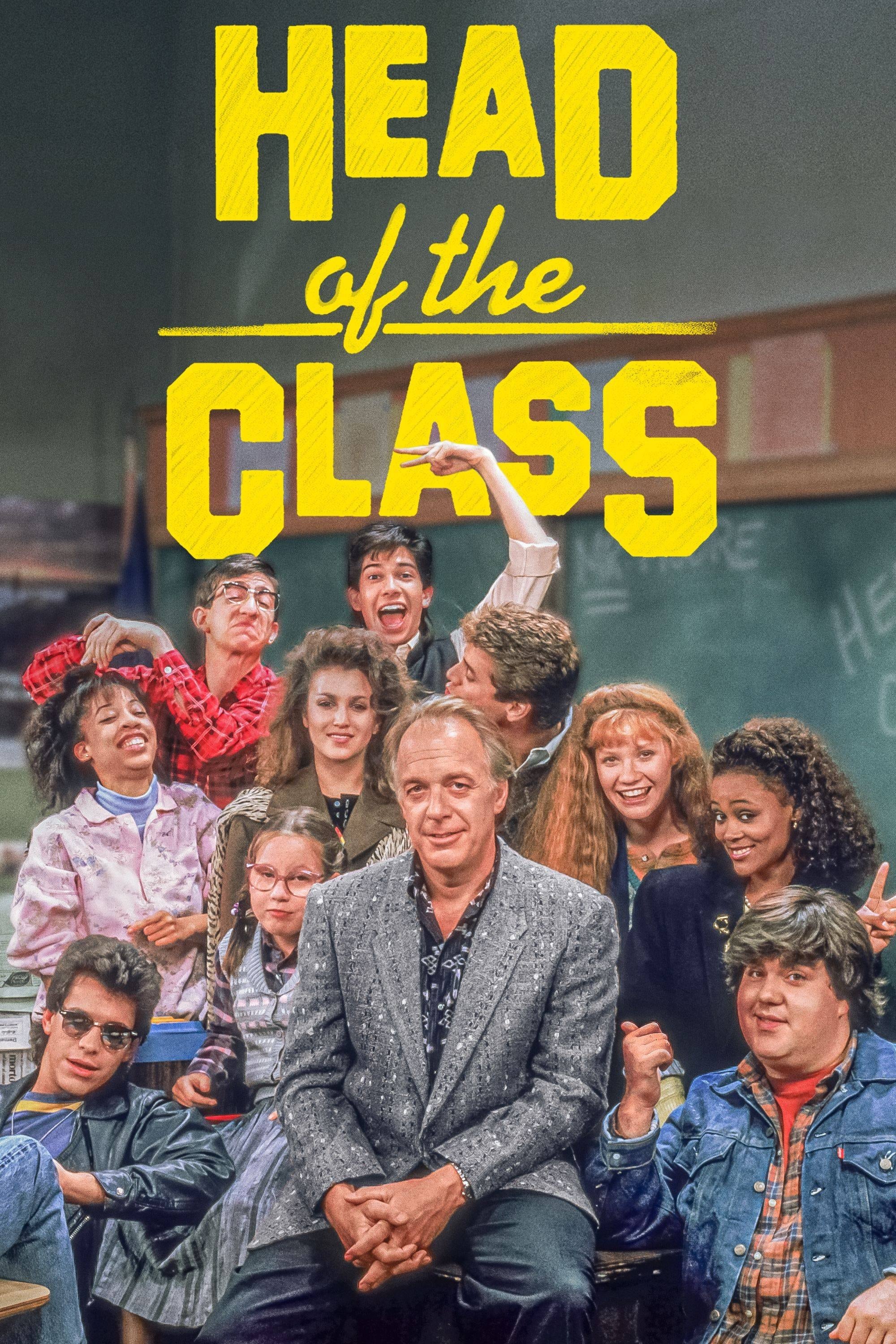
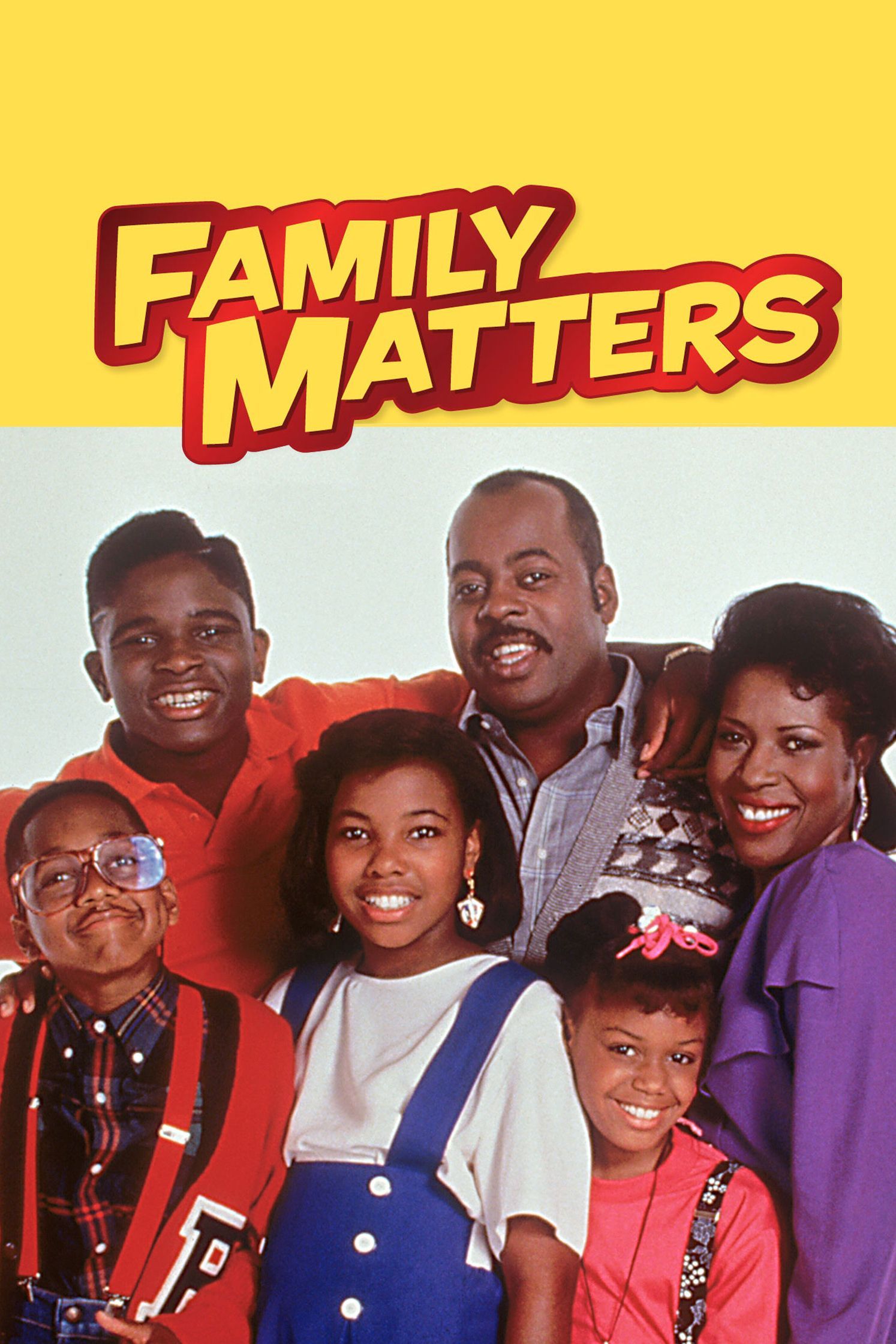
1980s sitcoms fundamentally transformed television comedy by shifting away from traditional theatrical laugh-track setups toward serialized storytelling, blended domestic and workplace realism, and character-driven satire that mirrored changing social dynamics in the United States and global syndication markets.
The television landscape underwent a seismic shift during the 1980s. Emerging from the socially turbulent television of the 1970s, which frequently tackled overt political commentary through Norman Lear productions, the decade pivoted toward a sophisticated hybrid of comforting domesticity and sharper workplace satire. As cable television began making minor inroads, the major broadcast networks—ABC, CBS, and NBC—remained the primary cultural hearths. Shows from this era did not merely entertain audiences; they established the blueprint for modern ensemble acting, shaped prime-time scheduling strategies like the famous NBC "Must See TV" blocks, and tackled complex social issues through the lens of weekly half-hour comedies. Understanding this era requires examining the production models, narrative innovations, cultural friction points, and enduring syndication models that keep these programs relevant across modern streaming platforms.
The Cultural and Structural Shift from the 1970s to the 1980s
The transition from the 1970s to the 1980s in television comedy marked a move away from aggressive socio-political satire toward aspirational comfort and character-driven ensemble dynamics. While 1970s staples like All in the Family placed ideological combat at the center of the living room, 1980s sitcoms sought to redefine family structures and professional environments in the wake of shifting economic realities, changing gender roles, and the rise of Reagan-era conservatism.
Networks quickly realized that viewers desired escapism mixed with a veneer of relatability. This era introduced the "glamorous working-class" or affluent minority family model, best exemplified by The Cosby Show, which premiered on NBC in 1984. The Huxtable family presented an upper-middle-class Black household where both parents—a physician and an attorney—wielded professional success without compromising cultural identity or familial warmth. This structural choice altered the economic model of television, proving that situational comedies could command unprecedented advertising revenue while revitalizing a struggling NBC network.
Concurrently, the multi-camera setup before a live studio audience became the dominant technical standard. Producers refined the "hangout sitcom," where groups of unrelated friends or colleagues functioned as surrogate families. Shows like Cheers, which debuted in 1982, perfected the art of the slow-burn narrative arc, allowing character flaws, romantic tension, and witty repartee to develop across multiple seasons rather than resetting completely every week.
Narrative Evolution: Domestic Hubs and Workplace Enclaves
1980s sitcoms generally operated within two primary settings: the domestic home and the workplace. Each environment served distinct narrative purposes and allowed writers to explore different facets of human relationships.
Domestic Sitcoms and the Modern Family
Domestic comedies of the decade expanded the definition of the nuclear family. Shows like Family Ties (1982–1989) explored generational and ideological friction by pitting liberal, former-hippie parents against their conservative, Reagan-worshiping teenage son, Alex P. Keaton. This inverted the traditional dynamic of youth rebellion, offering a nuanced look at political discourse within a loving household.
Other programs embraced non-traditional family structures. Full House (1987–1995) relied on the premise of a widowed father raising his daughters with the help of a brother-in-law and a best friend, leaning heavily into sentimental, high-concept premise-driven comedy. Meanwhile, animated and high-concept sci-fi domestic sitcoms like ALF (1986–1990) introduced surreal elements into suburban yards, pushing the boundaries of what could be achieved within a standard living-room set through puppetry and science-fiction tropes.
Workplace Enclaves and Ensemble Dynamics
Workplace sitcoms shifted the focus from family obligations to professional ambition, office politics, and romantic tension among peers.
- Cheers used a Boston basement bar as a microscopic view of human loneliness, ambition, and class dynamics, anchoring its longevity on the volatile romance between Sam Malone and Diane Chambers.
- Night Court (1984–1992) blended institutional satire with surreal, vaudevillian humor, utilizing a late-night municipal courtroom to showcase bizarre New York characters.
- Taxi (1978–1983, running primarily through the early 1980s) examined the dashed dreams of working-class cab drivers, balancing cynicism with deep emotional empathy.
| Show Title | Original Run | Primary Setting | Core Premise & Cultural Focus |
|---|---|---|---|
| The Cosby Show | 1984–1992 | Brooklyn Brownstone | Upper-middle-class Black family life; revitalized NBC's prime-time dominance. |
| Cheers | 1982–1993 | Boston Bar | Workplace hangout comedy focusing on class differences and romantic tension. |
| Family Ties | 1982–1989 | Columbus Suburbs | Generational and political comedy highlighting 1980s conservative youth trends. |
| The Golden Girls | 1985–1992 | Miami Home | Four older women sharing a home; broke ground on older demographics and female friendship. |
| Night Court | 1984–1992 | Manhattan Courtroom | Surreal workplace satire blending physical comedy and eccentric legal cases. |
Production Techniques and Technical Standards
The technical execution of 1980s television comedy relied heavily on multi-camera setups filmed on soundstages in front of live studio audiences or enhanced with canned laughter tracks. This methodology created a theatrical cadence in dialogue delivery, requiring actors to pause for audience reactions and time their punchlines with precision.
Lighting transitioned from the flat, brightly lit videotape look of 1970s productions toward warmer, film-style lighting or higher-quality videotape transfers that gave shows a polished, cinematic sheen. Directors utilized standard three-camera blocking—typically capturing wide, medium, and close-up angles simultaneously—allowing episodes to be shot efficiently in front of a live audience over the course of a single evening, followed by quick post-production editing.
Music also played an instrumental role in defining the era. Catchy, vocal-driven theme songs became cultural touchstones. Anthems like Cheers' "Where Everybody Knows Your Name" or The Golden Girls' "Thank You for Being a Friend" established emotional resonance instantly, setting audience expectations before a single line of dialogue was spoken.
Addressing Social Issues and Representation
While often remembered for their comforting escapism, 1980s sitcoms frequently engaged with contemporary social issues, albeit through a lens that prioritized mass-market accessibility over radical subversion.
Representation of minority communities evolved significantly during this period. Beyond The Cosby Show, programs like The Jeffersons concluded its long run in 1985, while Diff'rent Strokes addressed class and racial integration in a penthouse setting. However, critics often noted that these shows frequently sanitized systemic inequalities to fit network comfort zones.
Gender roles underwent visible renegotiation. The Golden Girls (1985–1992) challenged Hollywood's reluctance to center stories on older women, proving that characters over fifty could drive high-rating, critically acclaimed comedies centered on sexuality, aging, independence, and mutual support. Workplace shows also featured rising numbers of professional women navigating male-dominated environments, reflecting the broader entry of women into corporate management and executive suites during the decade.
Syndication Economics and the 100-Episode Milestone
The financial engine driving 1980s sitcom production was the syndication market. For a production company or network to turn a massive profit, a television series needed to reach the magic threshold of 100 episodes—roughly four seasons of broadcasting. This milestone allowed local television stations across the United States to purchase rerun rights, airing episodes five days a week in afternoon or early-evening time slots.
Shows designed with high syndication potential favored episodic storytelling over complex, serialized continuity. A viewer could tune into a random episode of Who's the Boss? or Growing Pains without having seen the previous week's installment and still understand the character dynamics immediately. This formula maximized repeat viewing value, creating long-term revenue streams that continued for decades through cable syndication and, eventually, digital streaming libraries.
Common Tropes and Narrative Devices
Writers of the decade relied on a dependable toolkit of narrative structures to generate weekly conflict and resolution within a tight twenty-two-minute runtime:
- The Very Special Episode: A standalone installment addressing a serious social topic—such as drug abuse, peer pressure, or stranger danger—breaking the usual comedic tone to deliver a moral lesson.
- The Bottle Episode: Confining the entire cast to a single set (such as an apartment living room or an elevator) to reduce production costs while heightening character-driven dialogue.
- The Misunderstanding Plot: Comedies fueled entirely by characters overhearing partial conversations or hiding simple truths from one another, leading to escalating farcical complications before a third-act confession.
- The Pregnancy or Wedding Arc: Major life milestones introduced during sweeps weeks to boost ratings, often altering the long-term status quo of the series.
Frequently Asked Questions About 1980s Sitcoms
What defined the visual and technical style of 1980s sitcoms?
Most 1980s sitcoms were recorded using a multi-camera setup before a live studio audience or with a studio audience reaction track. This technique emphasized stage-like blocking, quick dialogue pacing, and predictable lighting schemes designed to make home living rooms and workplaces look bright, inviting, and familiar.
How did The Cosby Show change television production?
Premiering in 1984, The Cosby Show proved that an ensemble family comedy could dominate prime-time ratings and attract massive advertising dollars. It revitalized NBC's financial standing and paved the way for network executives to invest heavily in diverse domestic sitcoms and Thursday-night comedy blocks.
Why was syndication important for 1980s comedies?
Syndication allowed production studios to sell rerun packages to independent local television stations once a show crossed the 100-episode threshold. This created immense, long-term financial profits and ingrained these programs into the daily routines of generations of viewers.
Did 1980s sitcoms tackle serious social issues?
Yes, through "Very Special Episodes," shows frequently touched on topics such as substance abuse, eating disorders, and family trauma. However, these plots were typically resolved neatly within a single half-hour runtime to maintain the comfort and escapism expected by broadcast standards.
Where can I watch classic 1980s sitcoms today?
Many 1980s comedies are available across major subscription streaming services, digital purchase platforms, and free ad-supported streaming television (FAST) networks that program continuous blocks of retro television. Availability fluctuates frequently depending on licensing agreements and studio distribution rights.
Conclusion and Recommendations for Viewing
Exploring 1980s sitcoms offers a valuable window into the cultural anxieties, aesthetic choices, and economic models of late-twentieth-century media. To dive effectively into this era, start by sampling foundational classics across different subgenres: watch Cheers for masterclass ensemble character development, The Golden Girls for sharp intergenerational wit, and Family Ties to observe political and social commentary filtered through domestic comedy. Pay attention to how these programs balance formulaic comfort with subtle reflections of the cultural shifts happening outside the studio doors.