The United States of America does not have an official language at the federal level. English serves as the de facto national language for government operations, commerce, and public education due to its overwhelming historical usage, yet the United States Constitution and federal statutes do not designate a single official tongue.
The Constitutional and Legal Landscape at the Federal Level
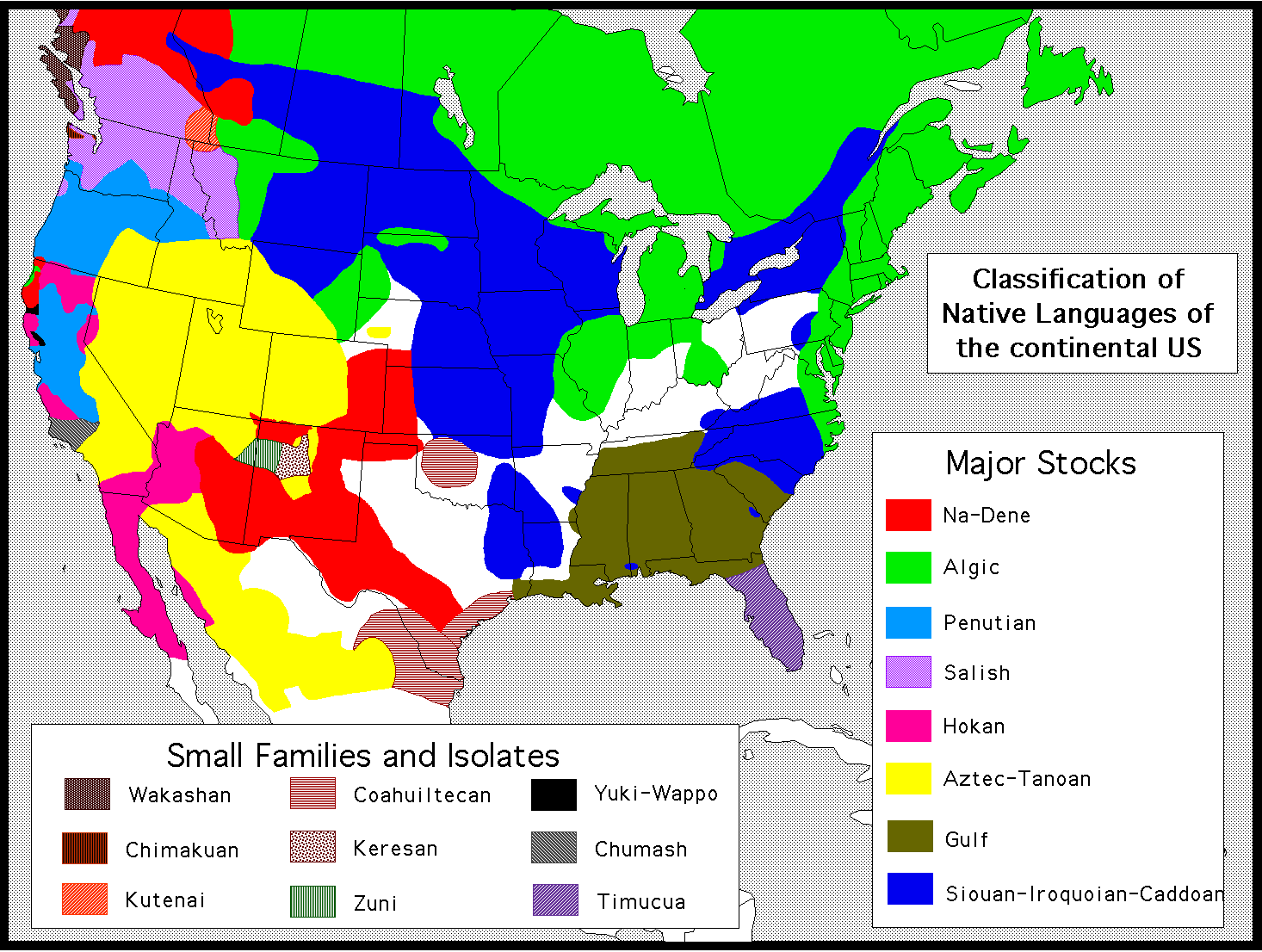
To understand why the United States lacks an official federal language, one must examine the origins of the American constitutional republic. When the framers drafted the United States Constitution in 1787 and subsequently ratified the Bill of Rights, they chose not to enshrine a national language. This omission was not an oversight. The founding population was linguistically diverse, encompassing speakers of various European languages—such as German, Dutch, French, and Spanish—alongside hundreds of Native American languages. Imposing a single official language ran counter to the principles of individual liberty and state autonomy that shaped the early republic.
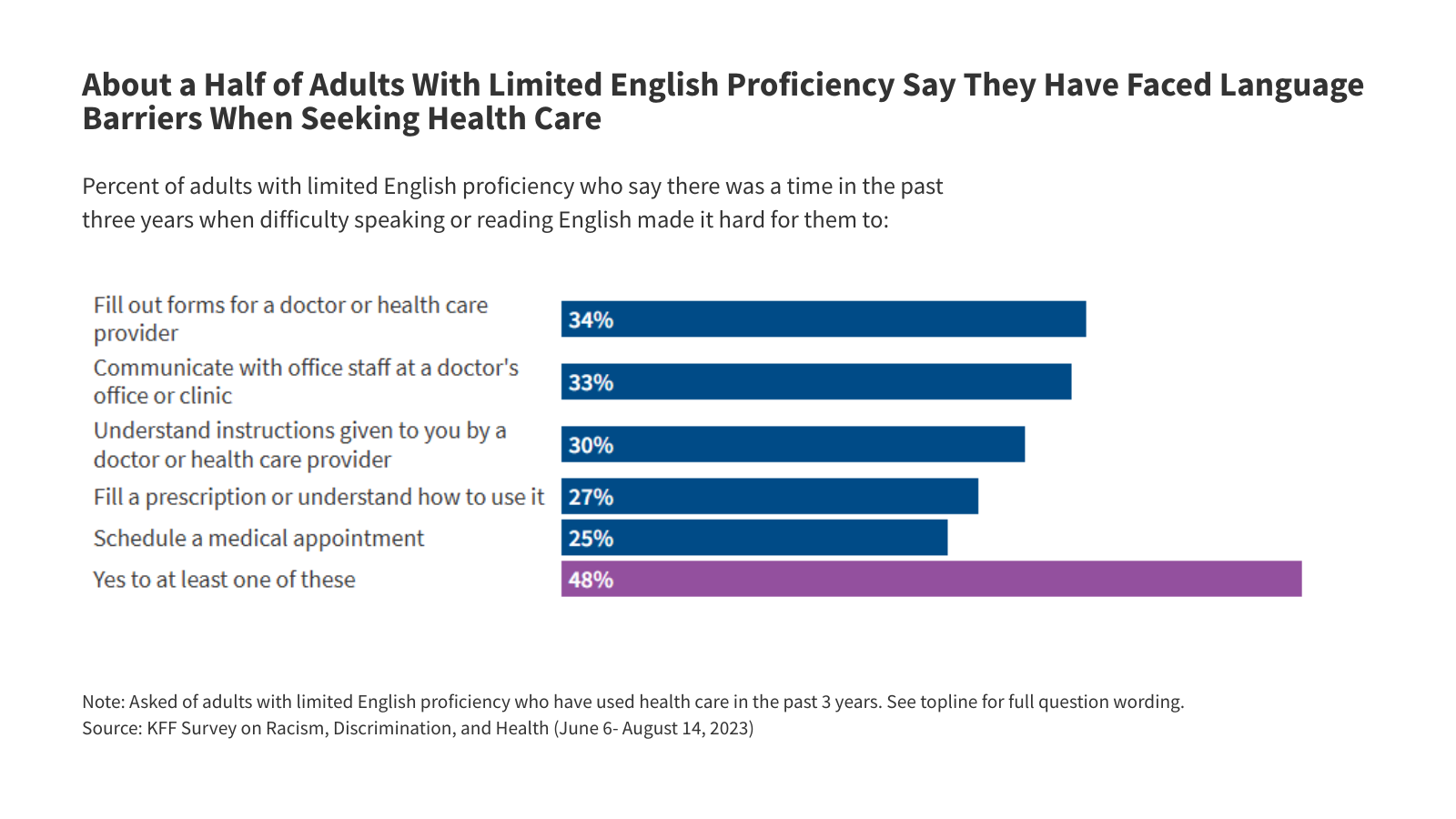
Throughout American history, Congress has considered numerous proposals to designate English as the official language of the United States, but none have successfully passed both chambers and received presidential enactment to become federal law. While federal agencies operate primarily in English for practical efficiency, federal statutes often require multilingual accommodations. For instance, the Voting Rights Act of 1965 mandates bilingual voting materials in jurisdictions where a significant percentage of citizens belong to a language minority group. Similarly, federal executive orders require agencies to provide meaningful access to federally conducted and assisted programs for persons with limited English proficiency.
De Facto Status Versus De Jure Status
In legal and sociological terms, a clear distinction exists between de jure status (by law) and de facto status (in practice). While the United States has no de jure official language at the national level, English functions as the de facto official language across virtually all aspects of American society.
| Language Status Dimension | Federal Level | State and Territorial Level |
|---|---|---|
| De Jure Status | None. No language is established by the United States Constitution or federal statute. | Over 30 states have designated English as their official language by statute or constitutional amendment. |
| De Facto Status | English serves as the primary language for legislation, judicial proceedings, executive communication, and the military. | English dominates public administration, while some jurisdictions (like Puerto Rico or Hawaii) grant co-official status to other languages. |
| Statutory Accommodations | Federal laws like the Voting Rights Act require multilingual services for specific populations with limited English proficiency. | States provide driver's licensing exams, court interpreters, and public health notices in multiple languages based on local demographics. |
This widespread adoption of English is structural rather than statutory. It is the primary medium for higher education, scientific research, mass media, and federal court proceedings. However, the absence of a federal mandate means that language policy remains decentralized, allowing states, municipalities, and territories to adopt frameworks that reflect their unique cultural histories and demographic realities.
Official Languages at the State and Territorial Levels
While the federal government remains officially neutral regarding language, individual states and territories possess the sovereign authority to establish official languages within their jurisdictions. Over thirty U.S. states have passed laws or constitutional amendments designating English as their official language. These measures vary significantly in scope. Some states enact simple declaratory statutes recognizing English as the language of government, while others mandate that all official state documents, public notices, and legislative records be published exclusively in English, subject to federal civil rights exemptions.
Conversely, several states and territories embrace multilingualism as a core component of their governance:
- Hawaii: Under the Hawaii State Constitution, both English and Hawaiian are designated as official languages. Hawaiian experienced a dramatic cultural and educational revitalization in the late 20th century, leading to its integration into public education and government administration.
- Alaska: Alaska recognizes English alongside twenty Native Alaskan languages as official languages of the state, acknowledging the rich indigenous heritage of the region.
- South Dakota: South Dakota recognizes various Sioux tribal languages as official indigenous languages for certain ceremonial and educational purposes alongside English.
- Puerto Rico: As a U.S. territory, Puerto Rico designates both Spanish and English as its official languages, with Spanish serving as the dominant language of everyday life, local government, and judicial proceedings.
- Guam and American Samoa: Both territories designate Chamorro and Samoan, respectively, as official languages alongside English to preserve indigenous linguistic traditions.
Linguistic Diversity and Immigration in American History
The linguistic profile of the United States is characterized by continuous evolution driven by immigration, globalization, and indigenous heritage. Far from being a monolingual nation from its inception, the United States has always been home to vibrant multilingual communities. In the 18th and 19th centuries, large German-speaking enclaves thrived in states like Pennsylvania and the Midwest, publishing newspapers and conducting schooling in German. Similarly, Spanish-language communities flourished in the Southwest long before the annexation of those territories, and French remained widely spoken in Louisiana.
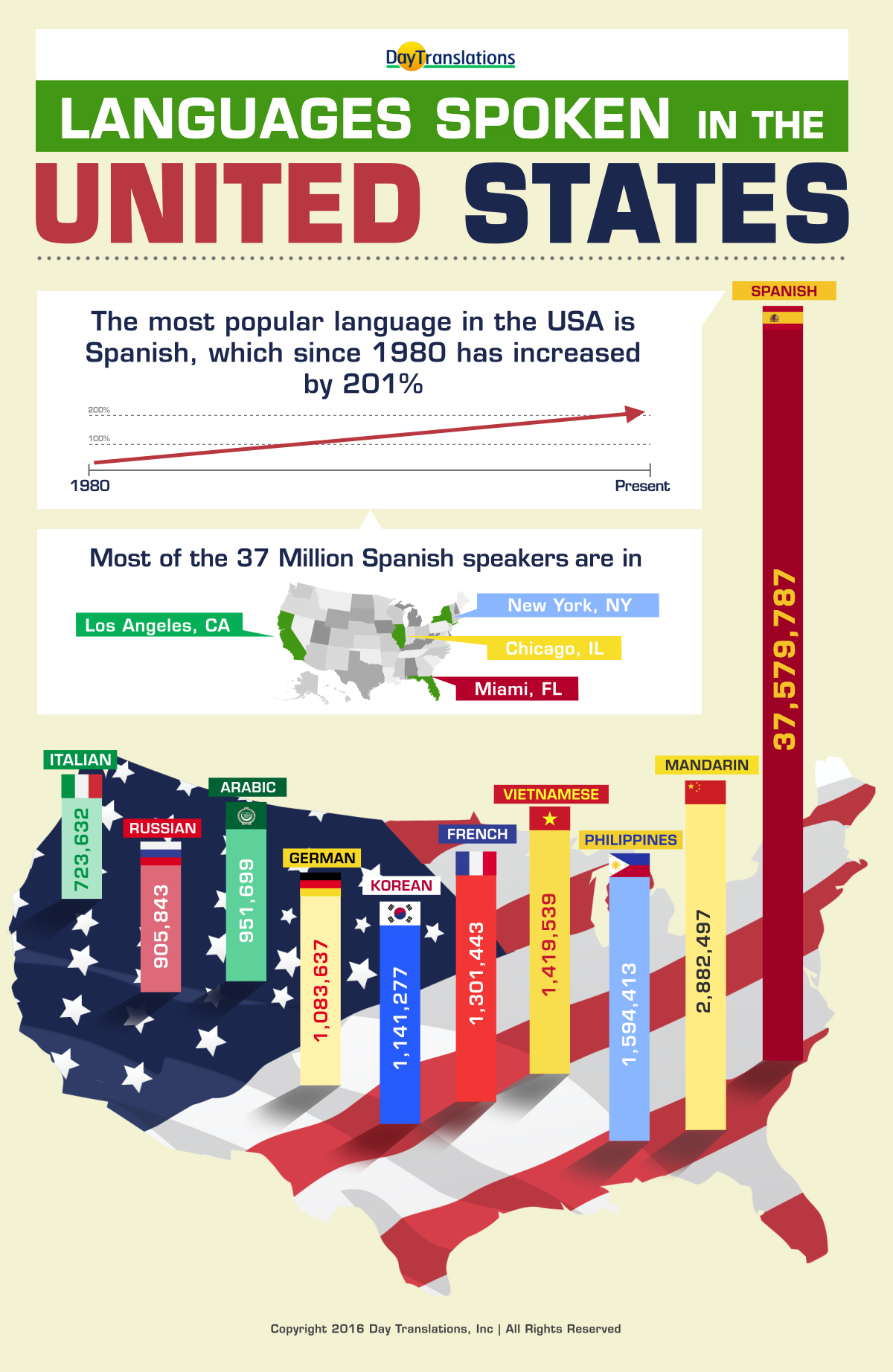
In the contemporary era, the United States represents one of the largest Spanish-speaking populations in the world, alongside millions of speakers of Asian languages (such as Chinese, Tagalog, Vietnamese, and Korean) and European languages. This diversity shapes the economic, cultural, and civic fabric of the country. Rather than eroding the dominance of English, historical patterns demonstrate that immigrant families typically acquire English proficiency by the second generation, while often maintaining bilingual capabilities that enrich the nation's cultural capital.
Frequently Asked Questions
Is English written into the United States Constitution?
No. The United States Constitution contains no mention of an official language. The framers intentionally omitted language provisions to preserve individual liberties and accommodate the linguistic pluralism of the newly formed states.
Can federal agencies conduct business in languages other than English?
Yes. While English is the primary working language of the federal government, many agencies are legally required to provide translation and interpretation services. Title VI of the Civil Rights Act of 1964 and subsequent executive orders require federally funded entities to ensure meaningful access for individuals with limited English proficiency.
Do all states consider English their official language?
No. While a majority of U.S. states have enacted laws or constitutional amendments declaring English their official language, several states—including California, New York, and Texas—do not have a declared official language at the state level. Other states, such as Hawaii and Alaska, grant official status to indigenous or multiple languages.
How does the lack of an official language affect immigrants seeking citizenship?
Naturalization applicants must generally demonstrate an understanding of the English language, including the ability to read, write, and speak basic English, as administered by U.S. Citizenship and Immigration Services (USCIS). However, certain exceptions exist based on the applicant's age and length of lawful permanent residency.
Are federal court proceedings conducted exclusively in English?
Federal court proceedings are conducted in English to ensure a uniform record and standard judicial process. However, the Court Interpreters Act requires the presiding judicial officer to utilize certified interpreters for parties or witnesses who speak only or primarily a language other than English, or who suffer from a hearing impairment.
Conclusion and Next Actions
The United States operates without a federally mandated official language, relying instead on a de facto standard of English while accommodating linguistic diversity through statutory protections and state-level policies. For individuals navigating legal requirements, civic participation, or educational systems within the United States, understanding these jurisdictional nuances is essential. Those seeking specific guidance on language access rights in federal programs should consult official documentation provided by the U.S. Department of Justice or review state-specific statutes regarding official language policies.