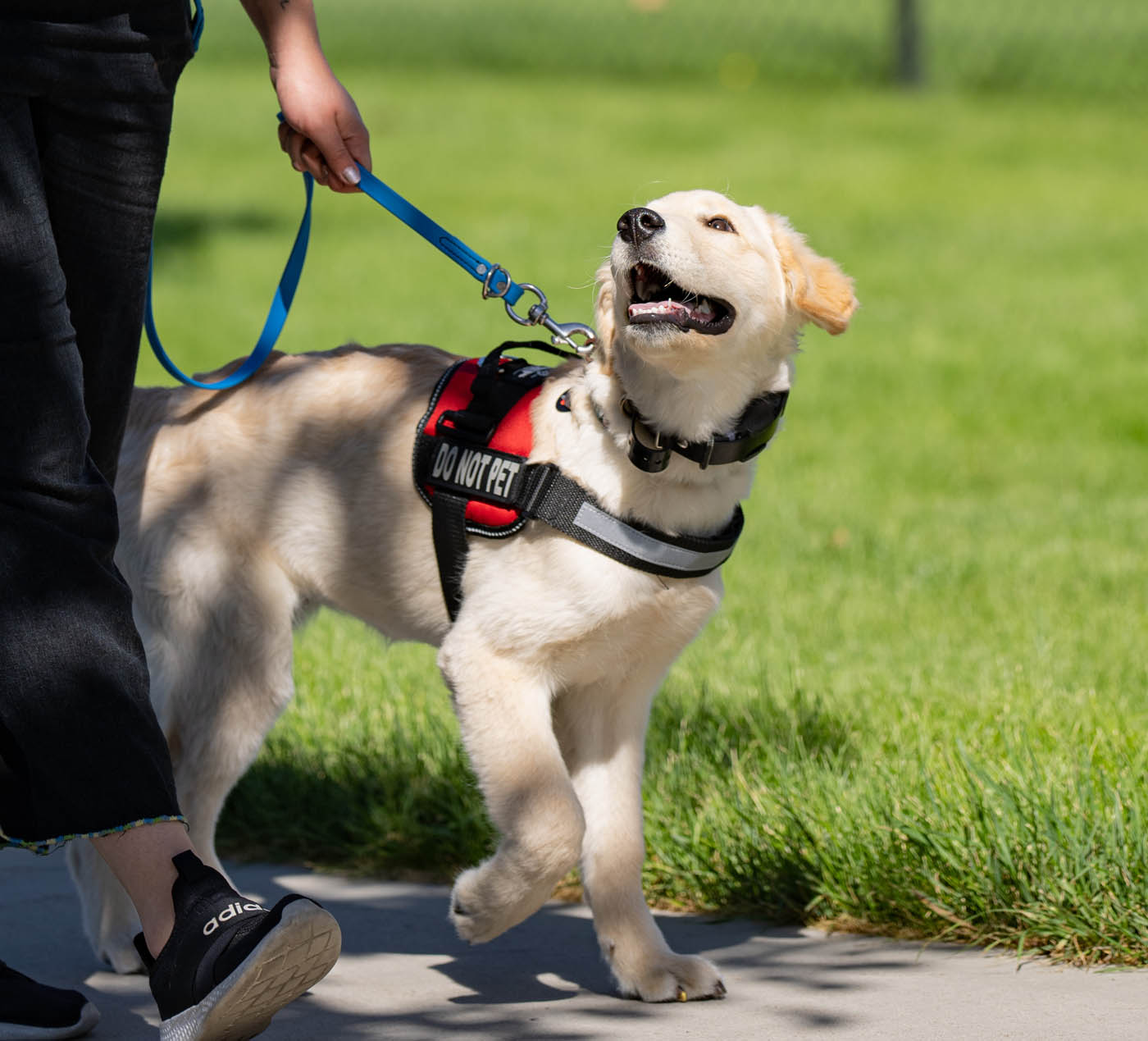
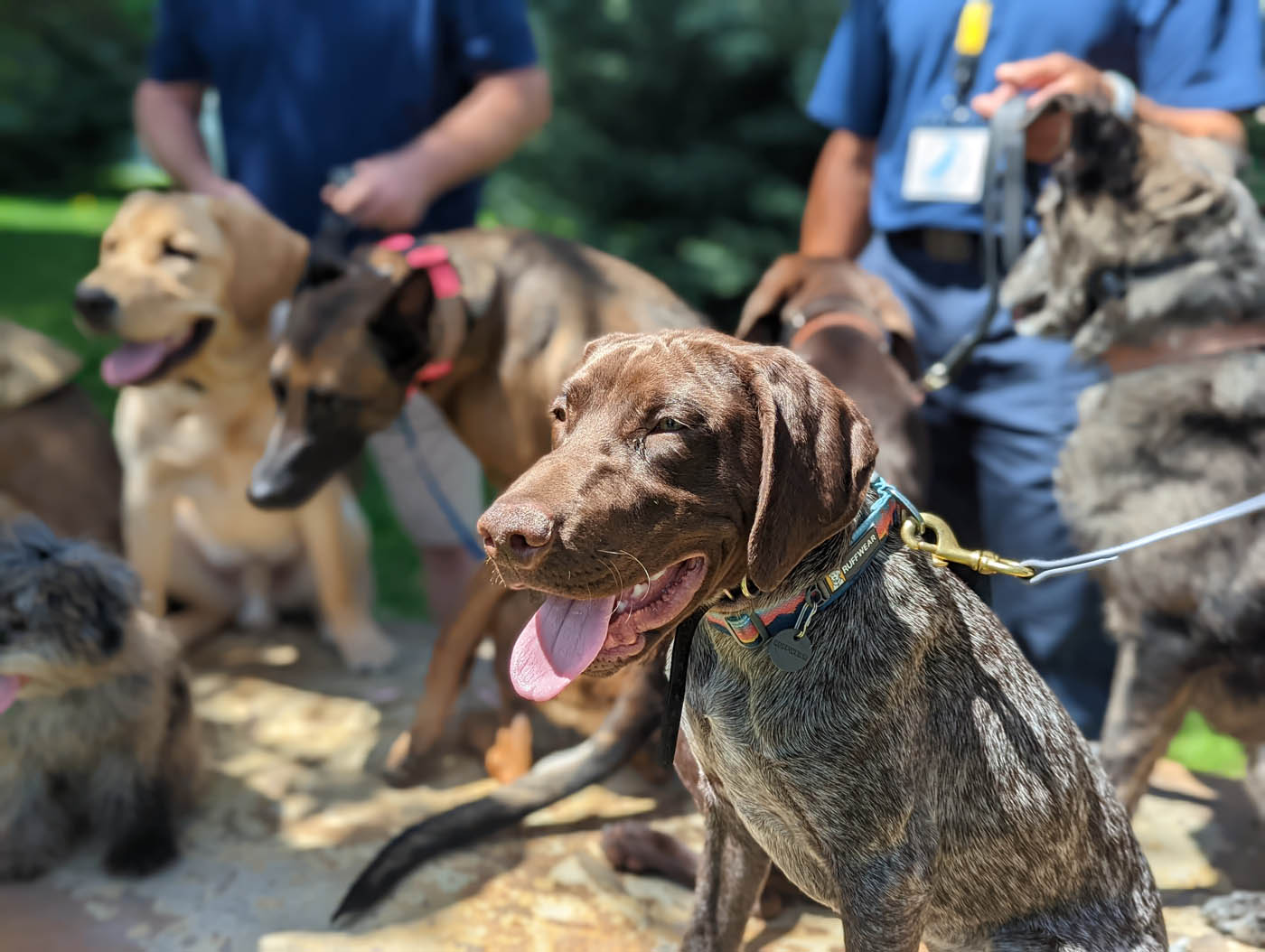
Dog training is the systematic process of teaching a canine companion desired behaviors, social norms, and practical commands using established principles of behavioral science, clear communication, and consistent positive reinforcement. This structured approach shapes domestic animals into well-adjusted household members capable of navigating human environments safely and confidently.
Foundations of Modern Dog Training
Modern dog training relies heavily on behavioral psychology and the science of learning theory. Rather than relying on outdated models of dominance and force, contemporary methodologies emphasize operant conditioning, classical conditioning, and clear motivational frameworks. Understanding these psychological principles allows handlers to communicate effectively with their dogs, bridging the gap between human expectations and canine instincts.
At its core, training involves modifying a dog's behavioral responses to specific environmental stimuli. Canines learn through association and consequences. When a behavior is followed immediately by a favorable outcome, the likelihood of that behavior repeating increases. Conversely, when a behavior results in an unpleasant outcome or the absence of a reward, that behavior tends to diminish over time. Establishing this reliable communication loop is the first step toward achieving long-term behavioral stability.
The Four Quadrants of Operant Conditioning
Operant conditioning encompasses four primary methods for modifying behavior, categorized by whether something is added or removed, and whether the behavior increases or decreases:
- Positive Reinforcement ($+$R): Adding a desirable stimulus (such as a treat or toy) immediately after a correct behavior, increasing the likelihood of repetition.
- Negative Reinforcement ($-$R): Removing an aversive stimulus (such as pressure on a leash) when the correct behavior occurs, reinforcing the behavior.
- Positive Punishment ($+$P): Adding an aversive stimulus (such as a verbal reprimand or physical correction) to decrease the likelihood of a behavior repeating.
- Negative Punishment ($-$P): Removing a desirable stimulus (such as withholding attention or a toy) to decrease the likelihood of a behavior repeating.
Behavioral scientists and professional organizations, such as the Certification Council for Professional Dog Trainers, advocate for a primary reliance on positive reinforcement and negative punishment frameworks. These methods minimize stress, build trust between handler and animal, and reduce the risk of fear-based aggression or anxiety.
Core Equipment and Environmental Setup
Before initiating formal training sessions, gathering the appropriate tools ensures safety, clarity, and efficiency. The right equipment prevents injury, minimizes frustration, and provides clear physical markers that help the dog distinguish between training time and relaxation time.
Essential Training Gear
- Standard Leash: A fixed-length leather or nylon leash measuring four to six feet provides optimal control without introducing unnecessary slack or confusion.
- Flat Collar or Well-Fitted Harness: A properly fitted harness that avoids restricting shoulder movement is ideal for walks, while a flat collar holds identification tags. Avoid using aversive tools like choke chains or prong collars, which can damage the trachea and cause physiological stress.
- High-Value Reinforcers: Treats should be small (pea-sized), soft, and intensely aromatic (such as small pieces of cooked chicken, cheese, or specialized training treats) so the dog can consume them quickly without breaking focus.
- Clicker: A mechanical device that produces a distinct "click" sound, serving as a precise marker to pinpoint the exact moment the dog performs the desired behavior.
Managing the Training Environment
Environmental control plays a critical role in success. Dogs, particularly puppies, possess limited impulse control and are easily distracted by novel sights, sounds, and scents. Initial training sessions should always occur in a quiet, low-distraction indoor environment—such as a quiet room or hallway.
As the dog demonstrates mastery of a command in a controlled setting, handlers should systematically introduce distractions using the principle of stimulus generalization. This involves practicing the behavior in progressively more challenging environments, moving from quiet rooms to backyards, quiet public parks, and finally bustling urban sidewalks.
Step-by-Step Implementation of Fundamental Commands
Teaching foundational commands establishes a vocabulary that ensures safety and obedience. Each command requires patience, precise timing, and consistency across all human family members.
1. The Sit Command
The "sit" is usually the easiest command to teach because it utilizes a natural canine movement.
- Hold a high-value treat close to the dog’s nose.
- Slowly move the treat backward over the dog's head toward their ears.
- As the dog's head follows the treat upward and backward, their hindquarters will naturally lower to the ground.
- The exact moment the hindquarters touch the floor, activate the clicker (or say a verbal marker like "Yes!") and deliver the treat.
- Repeat this sequence multiple times, gradually adding the verbal cue "Sit" just before initiating the hand lure.
2. The Down Command
Teaching a dog to lie down requires guiding them from a seated or standing position into a resting posture.
- Start with the dog in a seated position.
- Hold a treat near their nose and slowly lower your hand straight down to the floor between their front paws.
- Slide your hand slowly along the floor away from the dog. The dog should slide their front paws forward to follow the food, lowering their chest to the ground.
- Mark the behavior the moment the elbows and belly rest flat on the floor, then reward.
3. The Stay Command
The "stay" command builds impulse control and teaches the dog to maintain a position until released.
- Ask the dog to sit or down.
- Open the palm of your hand toward the dog and give the verbal cue "Stay."
- Take a single step backward. If the dog holds the position, step back to them, mark the success, and reward.
- Gradually increase distance and duration over subsequent sessions using the 3 D's of Dog Training: Distance, Duration, and Distraction. Only increase one variable at a time.
Comparison of Training Methodologies
Understanding the differences between various training philosophies helps handlers select an approach that aligns with animal welfare standards and behavioral science.
| Methodology | Primary Mechanism | Pros | Cons |
|---|---|---|---|
| Positive Reinforcement (R+) | Rewarding desired behaviors; ignoring or redirecting unwanted ones. | Builds strong bond; low stress; scientifically proven efficacy. | Requires high consistency; risk of over-relying on food lures if not faded. |
| Balanced Training | Combining positive reinforcement with corrections and aversive tools. | Quick suppression of unwanted behaviors; versatile in high-stakes working roles. | Risk of inducing fear, anxiety, or aggression if aversives are applied incorrectly. |
| Aversive-Based (Traditional) | Relying heavily on physical corrections, choke chains, and dominance theory. | Historically familiar; rapid suppression of symptoms. | Outdated by modern science; high potential for behavioral fallout and injury. |
Troubleshooting Common Behavioral Challenges
Even with consistent training, handlers frequently encounter setbacks or behavioral regressions. Addressing these challenges requires identifying the underlying root cause—such as boredom, fear, or lack of clear communication—rather than simply punishing the symptom.
Leash Pulling
Leash pulling is often reinforced inadvertently when the handler allows the dog to reach their destination by pulling.
- Solution: Implement the "Be a Tree" method. The moment the leash goes taut, stop walking entirely. Do not move forward until the dog looks back at you or takes a step back to create slack in the leash. This teaches the dog that pulling achieves the exact opposite of their goal.
Excessive Jumping
Dogs often jump up to greet humans face-to-face, seeking attention and scent exploration.
- Solution: Remove all attention immediately. Turn your body away, fold your arms, and avoid eye contact. Do not push the dog away or scold them, as physical contact and yelling can be interpreted as rewarding attention. Once all four paws are firmly on the floor, calmly praise and reward the dog.
Resource Guarding
Resource guarding involves a dog stiffening, growling, or snapping when a human or animal approaches their food, toy, or resting space.
- Solution: Never punish growling, as growling is a vital warning sign that prevents sudden bites. Instead, consult a certified animal behaviorist and use counter-conditioning techniques—such as walking past a feeding dog and tossing an even higher-value treat toward them to teach the dog that human approach predicts abundance rather than loss.
Frequently Asked Questions
How long should a daily dog training session last?
Dog training sessions should be short and engaging, ideally lasting between 5 to 15 minutes. Canines, particularly young puppies, have limited attention spans. Conducting multiple short sessions throughout the day yields better retention and prevents mental fatigue compared to one long, exhausting session.
At what age should formal dog training begin?
Formal training can begin the moment a puppy arrives home, typically around 8 weeks of age. Early socialization, basic house manners, and bite inhibition should be introduced immediately during the critical developmental window between 8 and 16 weeks.
How do I transition away from using food treats during training?
Treats should be phased out gradually using a variable reinforcement schedule. Once a dog performs a command reliably across multiple environments, switch from treating every successful repetition to treating intermittently (e.g., every two or three times), while continuing to offer enthusiastic verbal praise and petting every time.
What should I do if my dog ignores commands in public places?
Ignored commands in public usually indicate that the environment is too stimulating for the dog's current level of training. Step back to a quieter area, increase the value of your reinforcers (using high-value meat instead of dry kibble), and gradually re-introduce distractions at a distance where the dog can still maintain focus.
Are professional obedience classes necessary?
While self-guided training works well for basic commands, professional group classes offer invaluable socialization opportunities around other dogs and humans. Group classes also provide expert guidance for troubleshooting stubborn behavioral habits in a controlled setting.
Conclusion
Mastering dog training requires a commitment to consistency, patience, and clear communication rooted in behavioral science. By prioritizing positive reinforcement, managing the training environment effectively, and addressing behavioral challenges with empathy rather than force, handlers can cultivate a trusting relationship with their canine companions. Establish a daily routine, keep sessions short and rewarding, and adjust expectations to match your dog's developmental stage for lifelong success.