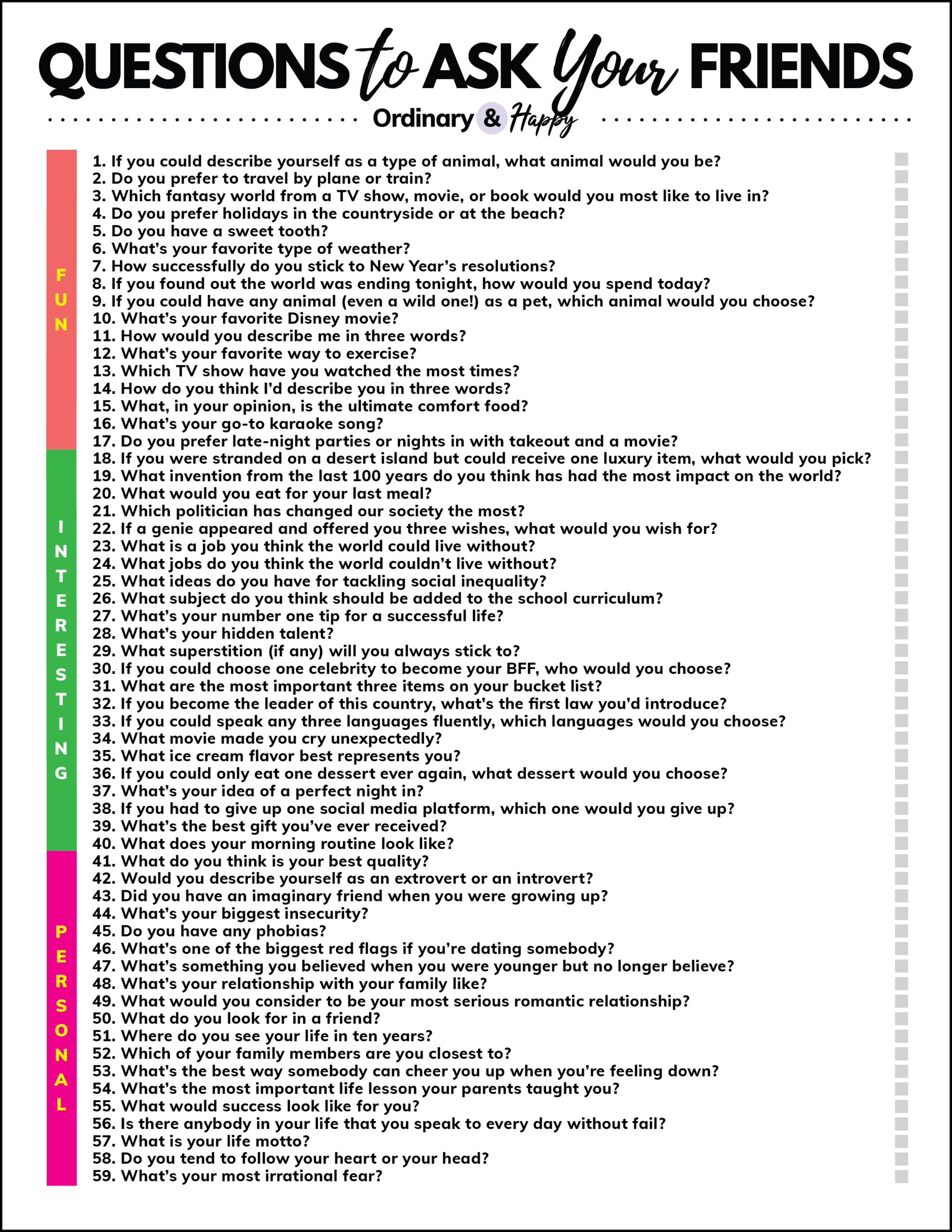
A successful coffee chat hinges on asking open-ended, intentional questions that move beyond surface-level small talk to uncover genuine insights and build rapport. By focusing on the "why" behind a person's career choices and the specific challenges of their current role, you can transform a brief 20-minute meeting into a foundational professional relationship.
The Strategic Role of Coffee Chats in 2026
In the professional landscape of 2026, the "coffee chat"—whether conducted in person at a local café or via a high-definition virtual meeting—remains the most effective tool for "informational interviewing" and hidden-market job discovery. While AI-driven networking tools can suggest connections, the nuance of a human-to-human conversation provides a level of cultural assessment and trust-building that algorithms cannot replicate.
The goal of these meetings is rarely to ask for a job directly. Instead, the intent is to gather intelligence, understand industry shifts, and establish a "vibe check" that might lead to a referral or mentorship later. In an era where hybrid work is the standard, these intentional touchpoints serve as the glue for professional ecosystems. Understanding how to navigate these conversations effectively distinguishes top-tier candidates and enterprising professionals from the rest of the field.
Preparing for the Conversation
Before diving into a list of questions, preparation is paramount. You should enter every coffee chat with a clear objective: Are you trying to understand a specific role, learn about a company’s internal culture, or get advice on a career pivot?
Research the individual’s LinkedIn profile, any recent articles they have published, or projects their company has announced. This allows you to bypass "Googleable" questions—like "Where did you go to school?"—and move straight into high-value territory. A well-prepared participant respects the other person's time, which is the quickest way to earn their respect in return.
50 Essential Coffee Chat Questions (Categorized)
To ensure the conversation flows naturally, it is helpful to categorize your questions. You don't need to ask all 50; rather, select 5 to 7 that align with your specific goals for the meeting.
Icebreakers and Contextual Background
These questions help lower the "social friction" and establish a baseline for the person’s current state of mind.
- What is the most interesting project on your plate right now? Why it works: It shifts the focus from a generic job description to actual, real-time work.
- How did you first get started in this industry?
- What was your very first job, and what did it teach you that you still use today?
- What does a typical Tuesday look like for you in your current role?
- What is one thing about your job that would surprise someone looking in from the outside?
- What’s a recent "win" your team celebrated?
- How do you typically start your workday to stay productive?
- What drew you to this specific company over its competitors?
Career Evolution and Decision Making
Understanding how someone navigated their career provides a roadmap for your own journey. These questions reveal the logic behind professional shifts.
- What was the most difficult career transition you’ve made, and how did you handle it?
- Looking back at your 22-year-old self, what career advice would you give them?
- What skills did you have to unlearn as you moved into more senior roles?
- How do you decide when it is the right time to leave a role and try something new?
- Which professional accomplishment are you most proud of, and why?
- How has your definition of "success" changed over the last five years?
- Was there a specific mentor or moment that radically changed your career trajectory?
- How do you balance specializing in one area versus being a generalist?
Navigating the Current Industry Landscape
In 2026, industries are evolving rapidly due to technological integration and shifting economic models. These questions show you are forward-thinking.
- How is the rise of [Specific Technology, e.g., Generative AI] changing your daily workflow?
- What are the biggest challenges your industry is facing this year?
- Which industry publications or thought leaders do you follow to stay ahead?
- If you were starting your career in this field today, where would you focus your learning?
- How has the "hybrid work" model affected collaboration within your specific department?
- What is a common myth about this industry that you find yourself constantly debunking?
- Where do you see this industry heading in the next three to five years?
- How does your company approach sustainability or social responsibility in its operations?
Deep Dives into Company Culture
Company culture is often what people say it is in a handbook versus how it feels in reality. These questions help you read between the lines.
- How does your team typically handle a mistake or a missed deadline?
- What kind of person tends to thrive at your company, and who might struggle?
- How are decisions actually made here—is it top-down or more collaborative?
- What is the "unwritten rule" for success in your organization?
- How does the company support professional development and continuous learning?
- What is the most common reason people give when they decide to leave the company?
- How would you describe the relationship between different departments (e.g., Sales vs. Product)?
- How does leadership communicate with the rest of the staff during times of change?
Role-Specific and Technical Deep Dives
If you are aiming for a similar role, you need to understand the granular requirements and frustrations of the job.
- What is the most frustrating part of your role that doesn't show up in the job description?
- Which software or tools are absolutely essential for your day-to-day work?
- How much of your time is spent in meetings versus deep, focused work?
- What are the key performance indicators (KPIs) that your success is measured by?
- Who are the internal stakeholders you interact with most frequently?
- What is the "learning curve" like for someone new joining your team?
- How do you manage the "always-on" nature of modern professional communication?
- What specific soft skills (e.g., negotiation, empathy) are most critical for your role?
Seeking Mentorship and Actionable Advice
As the conversation winds down, focus on how you can apply their wisdom to your own situation.
- Based on our conversation, is there a specific skill you think I should prioritize developing?
- What is one thing I could do in the next 30 days to make myself a more competitive candidate?
- Are there any specific professional groups or associations you recommend joining?
- What is the best piece of advice you’ve ever received regarding office politics?
- How do you personally handle burnout or periods of high stress?
Closing and Moving Forward
Always end on a high note that keeps the door open for future interaction.
- Is there anyone else in your network you think I should talk to?
- How can I be helpful to you or your team right now?
- What is the best way for us to stay in touch as I move forward in my search?
- Are there any upcoming company events or webinars you’d recommend I attend?
- What is one question you wish I had asked you today?
Maximizing Impact: A Comparison of Meeting Formats
In 2026, the medium through which you conduct a coffee chat impacts the depth of connection and the logistical requirements.
| Format | Best For | Pros | Cons |
|---|---|---|---|
| In-Person Café | High-stakes networking, local mentorship | Strongest rapport; captures non-verbal cues; minimizes distractions. | Time-consuming; travel costs; dependent on local availability. |
| Virtual Video Call | Global networking, initial intros | Highly efficient; easy to record notes; accessible regardless of geography. | "Zoom fatigue"; potential for technical glitches; less organic. |
| Walk-and-Talk | Established connections, creative brainstorming | Encourages fresh thinking; physical activity reduces stress; informal. | Difficult to take notes; weather-dependent; not ideal for first-time meets. |
| Asynchronous (Voice Notes) | Busy executives, specific quick questions | Respects extreme time constraints; allows for thoughtful, non-rushed replies. | Lacks real-time "flow"; can feel impersonal if overused. |
Etiquette and Best Practices
To make the most of your 50 questions, you must adhere to the unwritten rules of coffee chat etiquette. These rules ensure that you are invited back and that your contact feels their time was well-spent.
Who Pays?
If you initiated the meeting, the general rule is that you offer to pay. In an in-person setting, try to arrive five minutes early and buy your own drink, then wait for your guest. When they arrive, offer to buy theirs. If they insist on paying for themselves, don't make it an awkward struggle; graciously accept and move on. For virtual chats, sending a small $5 or $10 digital coffee gift card 30 minutes before the meeting is a modern touch that demonstrates proactive courtesy.
Time Management
If you asked for 20 minutes, keep it to 20 minutes. Around the 18-minute mark, say: "I want to be respectful of your time. We have two minutes left; should we wrap up, or do you have a few more minutes?" This shows you are disciplined and professional. Most people will offer to stay longer if the conversation is good, but the offer to end on time is essential.
Active Listening
The biggest mistake people make in coffee chats is spending the whole time waiting for their turn to speak. Use the "80/20 Rule": your guest should be speaking 80% of the time. Use follow-up questions like "That’s interesting, can you tell me more about that?" to show you are engaged.
Following Up for Long-Term Success
The coffee chat doesn't end when the cup is empty. The follow-up is where the relationship is actually solidified.
Within 24 hours, send a personalized thank-you note. Mention a specific piece of advice they gave or a story they shared that resonated with you. If they recommended a book, a person to contact, or a tool to try, mention that you are taking action on that recommendation.
Furthermore, "closing the loop" a few weeks later is a high-level networking move. If you followed their advice and it led to an interview or a successful project, send a brief update: "Hi [Name], I just wanted to let you know I spoke with [Contact you suggested] and it was incredibly helpful. Thanks again for the intro!" This transforms a one-off meeting into an ongoing professional connection.
Common Mistakes to Avoid
While having the right questions is vital, avoiding common pitfalls is equally important for maintaining a professional image.
- Treating it like a job interview: A coffee chat is a dialogue, not an interrogation. If you spend the whole time reciting your resume, the other person will feel used.
- Being too vague: Don't ask "How do I get a job like yours?" It’s too broad. Ask "What specific certifications helped you stand out when you were applying for senior roles?"
- Neglecting the research: If you ask a question that is clearly answered in the first paragraph of their LinkedIn "About" section, it shows a lack of preparation.
- Failing to have an "Ask": Even if you aren't asking for a job, you should have a small, manageable request, such as a recommendation for a newsletter or an introduction to one other person.
FAQ
How many questions should I actually prepare for a 30-minute chat?
You should have about 10 questions prepared, but expect to only ask 5 or 6. A good conversation will naturally drift into sub-topics, and you want to leave room for those organic tangents rather than rushing through a checklist.
Is it okay to take notes during a coffee chat?
Yes, but ask for permission first. "Do you mind if I take a few notes? You're sharing some great insights I don't want to forget." In person, use a physical notebook rather than a phone, as a phone can look like you are checking texts or emails.
What if the conversation gets awkward or stalls?
This is where your "Icebreaker" and "Contextual" questions are lifesavers. If the conversation hits a wall, pivot to a forward-looking question: "I saw your company recently announced a new initiative in [Area]. How is your team involved in that?" This shifts the energy back to an objective topic.
Can I ask for a referral during the first coffee chat?
Generally, no. A referral is an endorsement of your character and skills. Unless the other person explicitly offers it ("Send me your resume, I'd love to pass it along"), it is better to wait until a second interaction or until you have provided some value back to them.
How do I handle a virtual coffee chat differently?
Ensure your background is professional and your lighting is good. Because you lose some body language cues over video, you need to be more intentional with verbal cues like "That makes sense" or "I see," and ensure you aren't accidentally talking over the other person due to lag.
Final Recommendation
To get the most out of your networking, start by identifying three people this week whose career paths you admire. Reach out with a brief, personalized message mentioning one specific thing you appreciate about their work, and ask for a 15-minute virtual or in-person coffee. Use a mix of the Career Evolution and Industry Landscape questions above to guide your first conversation. Remember, the goal is to build a bridge, not just collect a business card.