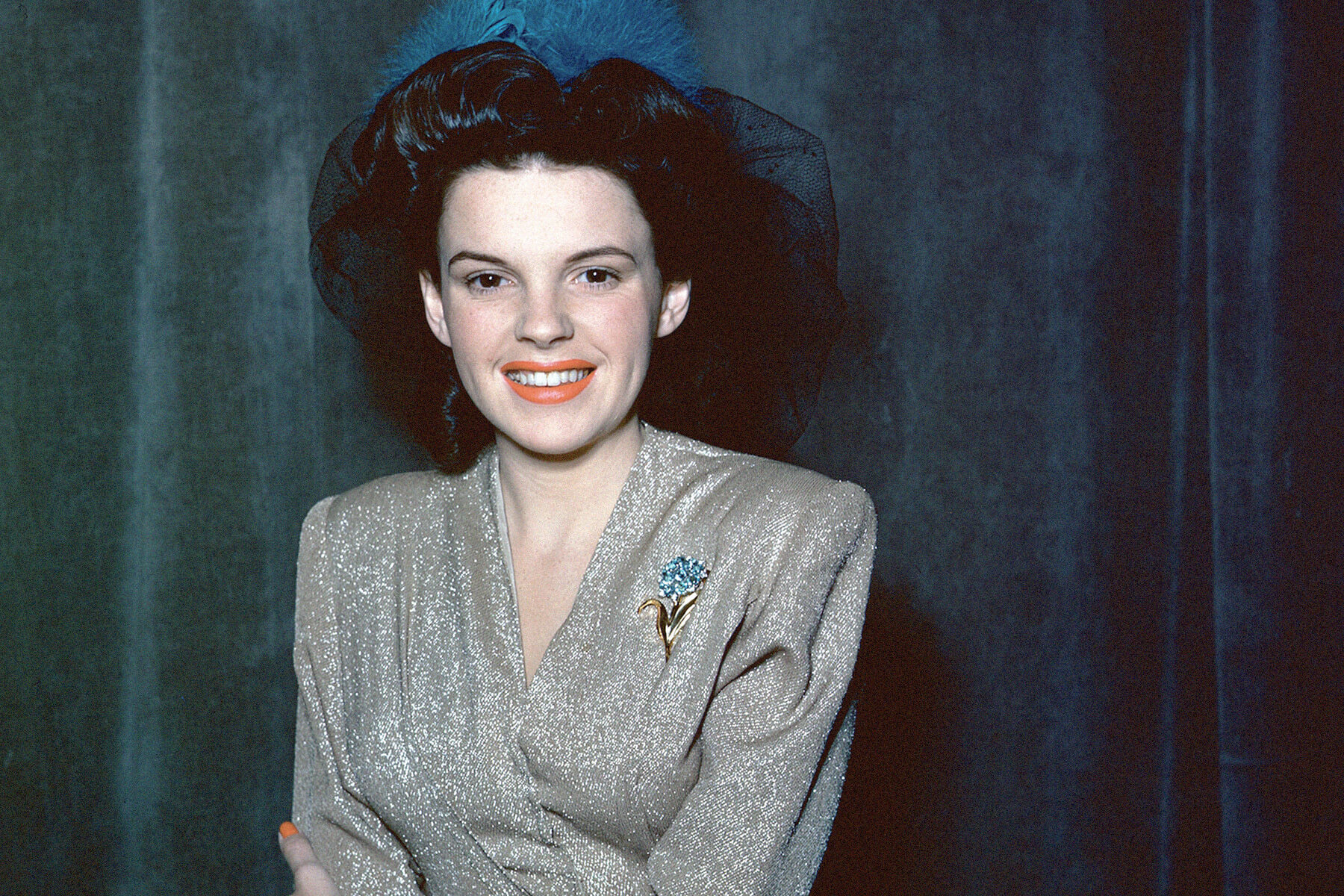
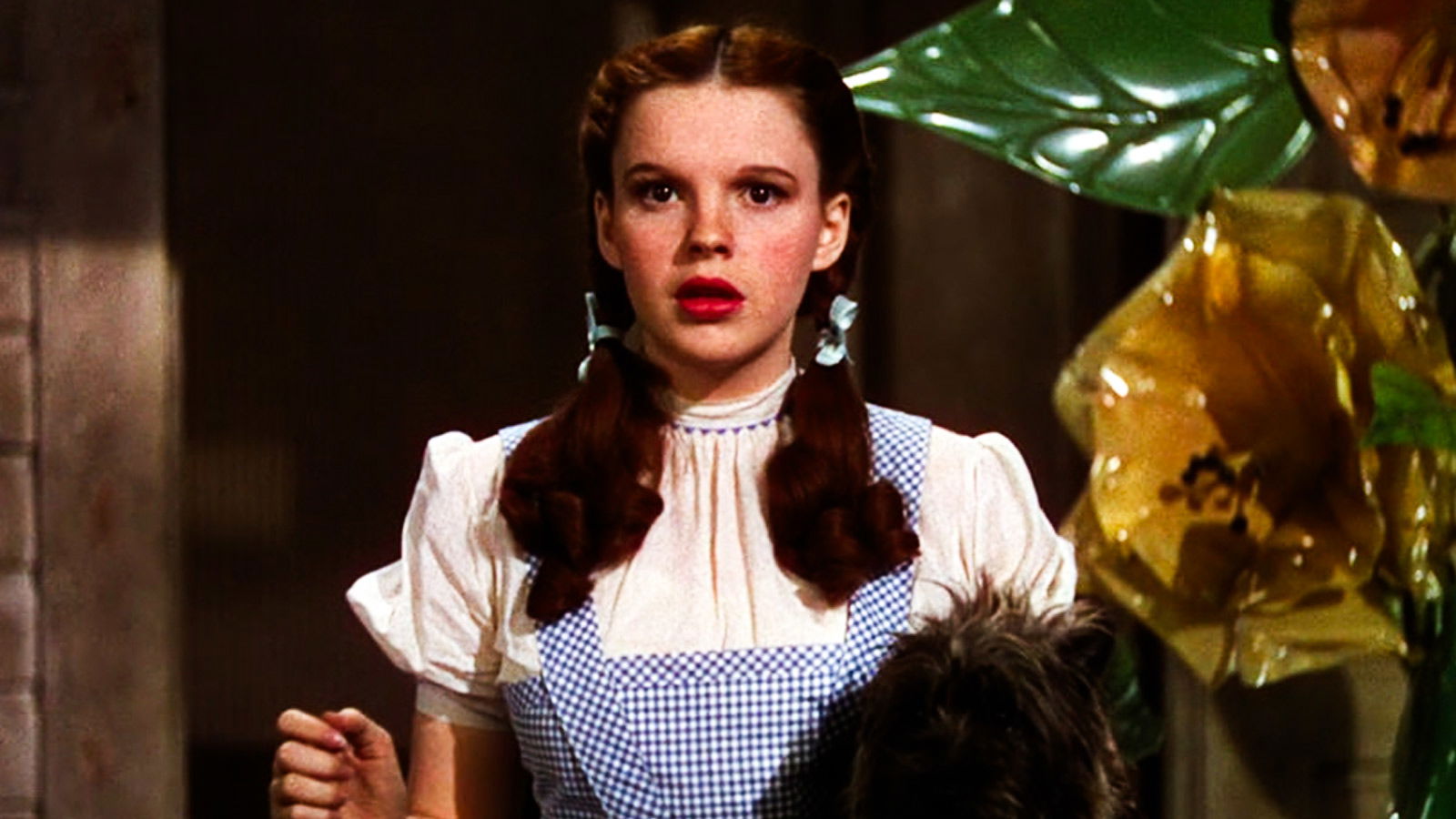
Judy Garland remains one of the most enduring and complex icons in cinematic history, a performer whose immense talent on stage and screen was matched only by her turbulent personal life. Best known for immortalizing Dorothy Gale in The Wizard of Oz (1939), her career spanned decades, earning her a unique place in Hollywood lore as a powerhouse vocalist, dramatic actress, and tragic figure of the studio era.
Examining the life of Judy Garland requires looking past the technicolor magic to understand the rigorous studio system that shaped her, the historic milestones she achieved, and the profound cultural legacy she left behind. From her early days as a vaudeville child performer to her legendary, sweat-soaked comeback concerts at Carnegie Hall, Garland’s biography is a study in resilience, artistic brilliance, and the high human cost of early Hollywood stardom.
Early Life and Vaudeville Origins
Before she ever stepped onto a Metro-Goldwyn-Mayer (MGM) soundstage, Judy Garland was a working performer shaped by the relentless demands of the vaudeville circuit. Her journey to global stardom was paved by maternal ambition and an innate, prodigious musical gift that manifested before she was even old enough to read sheet music.
- Birth Name and Family Roots: Born Frances Ethel Gumm on June 10, 1922, in Grand Rapids, Minnesota, she was the youngest of three daughters born to vaudevillians Francis Avent Gumm and Ethel Marion Milne. Her parents ran a local movie theater where her father played piano and sang, embedding performance into her daily life from infancy.
- The Gumm Sisters Begin: In 1928, fleeing rumors regarding her father's behavior toward young men in the community, the family relocated to Lancaster, California. There, Frances and her two older sisters, Mary Jane (Suzy) and Dorothy Virginia (Jimmie), formed a vaudeville singing trio known initially as the Gumm Sisters.
- The Origin of "Judy": Frances officially changed her name to Judy in 1934 during a performance at the Oriental Theatre in Chicago. The change was inspired by a popular Hoagy Carmichael song called "Judy," and it was suggested by act collaborator George Jessel to shake off the unfortunate phonetic similarity between "Gumm" and "glum."
- The Breakup of the Trio: The Gumm Sisters act effectively ended in 1935 when the eldest sister, Suzy, married and moved to Reno, Nevada. Left as a duo with her mother as pianist and manager, Judy continued to seek independent traction in the competitive landscape of early 1930s show business.
- Auditioning for MGM: Judy’s mother aggressively pursued a studio contract, securing an audition for her fourteen-year-old daughter with Metro-Goldwyn-Mayer in 1935. Legend states that studio chief Louis B. Mayer was so mesmerized by her rendition of "Zing! Went the Strings of My Heart" that he immediately ordered a contract, bypassing the typical screen-test bureaucracy.
The MGM Years and The Wizard of Oz
Garland's tenure at MGM transformed her from an awkward teenager into an international icon, though it also subjected her to an oppressive studio environment that dictated her diet, sleep, and physical appearance. It was during this high-pressure period that she captured the world's imagination as Kansas farm girl Dorothy Gale.
| Milestone Year | Production / Event | Significant Outcome |
|---|---|---|
| 1935 | MGM Contract Signing | Secured a long-term studio agreement at age 13 without a screen test. |
| 1939 | The Wizard of Oz & Babes in Arms | Achieved global stardom and received a special Juvenile Academy Award. |
| 1944 | Meet Me in St. Louis | Cemented her status as a mature dramatic and musical lead under future husband Vincente Minnelli. |
| 1948 | Easter Parade | Stepped in at the last minute to replace an injured Gene Kelly, scoring a massive box-office hit. |
| 1950 | Summer Stock | Marked her final film under contract with MGM amid escalating personal and professional friction. |
- The "Little hunchback" of MGM: In her early years at the studio, executives frequently reminded Garland that she did not fit the glamorous physical mold of contemporaries like Elizabeth Taylor or Lana Turner. Louis B. Mayer reportedly referred to her as his "little hunchback," pushing her into exhausting work schedules while simultaneously mocking her appearance.
- The Dark Origin of Studio Pills: To maintain the grueling 18-hour workdays demanded by MGM, child stars like Garland were routinely administered amphetamines to stay awake during shoots, followed by barbiturates to force sleep at night. This catastrophic medical management by studio handlers laid the foundation for Garland’s lifelong struggles with chemical dependency.
- Dietary Torture: Studio executives heavily policed Garland’s weight, forcing her to subsist on black coffee, chicken soup, and up to 80 cigarettes a day. When she gained a pound, she was publicly humiliated on set or relegated to eating in isolation trailers while her peers enjoyed standard studio catering.
- Initially Passed Over for Dorothy: While The Wizard of Oz is now synonymous with Garland, MGM initially wanted Shirley Temple from 20th Century-Fox for the role of Dorothy. Negotiations fell through due to contract disputes between the studios, leaving the door open for Garland to claim the defining role of her youth.
- The Ruby Slippers Were Originally Silver: In L. Frank Baum’s original 1900 novel, The Wonderful Wizard of Oz, Dorothy's magical footwear is silver. Technicolor supervisors changed the slippers to ruby red to take full advantage of the vibrant new three-strip color process, creating one of the most iconic pieces of cinematic history.
- Constant Discomfort on the Yellow Brick Road: Filming The Wizard of Oz was physically punishing. The soundstages reached blistering temperatures of over 100 degrees due to high-intensity lighting required for early Technicolor, causing Garland to sweat profusely beneath her heavy cotton pinafore and thick makeup.
- The Slap from Victor Fleming: During the filming of The Wizard of Oz, a nervous, giggly fifteen-year-old Garland struggled to maintain composure during a scene with the Scarecrow. Director Victor Fleming took her by the shoulders, slapped her across the face, and sent her back to the set; years later, Garland acknowledged that the harsh reset successfully focused her performance.
- "Over the Rainbow" Almost Cut: Studio executives feared that the iconic ballad "Over the Rainbow" slowed down the pacing of the film's Kansas opening sequence. Arthur Freed and director Fleming had to passionately fight to keep the song in the picture, which went on to win the Academy Award for Best Original Song.
- Juvenile Academy Award: In 1940, Garland was awarded a special Juvenile Academy Award—a miniature Oscar statuette—in recognition of her standout performances in both The Wizard of Oz and Babes in Arms.
- The Mickey Rooney Partnership: Garland starred in nine feature films alongside Mickey Rooney, her close friend and fellow MGM contract player. Their energetic "let's put on a show" musicals defined wartime cinema, though Rooney later noted that their off-screen relationship was strictly platonic and brotherly.
Evolution Into Mature Stardom
As Garland aged out of adolescent roles, she successfully transitioned into mature romantic leads, proving her dramatic chops alongside musical mastery. This era produced some of the most critically acclaimed movie musicals in cinematic history, showcasing her sophisticated vocal phrasing and emotional vulnerability.
- Finding Romance in St. Louis: Meet Me in St. Louis (1944), directed by Vincente Minnelli, marked a critical turning point where Garland was finally styled as an authentic, glamorous young woman on screen. The film introduced timeless standards like "The Trolley Song" and "Have Yourself a Merry Little Christmas."
- Marriage to Vincente Minnelli: Garland married director Vincente Minnelli in 1945. While the marriage produced a daughter, Liza Minnelli, in 1946, the union ultimately dissolved due to personal strains, career pressures, and Minnelli's hidden personal life, ending in divorce in 1951.
- The Firing from Annie Get Your Gun: By 1950, Garland’s emotional fragility and dependence on prescription medication led to chronic tardiness and absenteeism on sets. MGM fired her from the lead role of Annie Get Your Gun, replacing her with Betty Hutton after weeks of costly production delays.
- The Final MGM Break: Following her firing and subsequent suicide attempt (cutting her throat with a broken glass in a hotel bathroom, resulting in minor injuries), Garland and MGM officially severed ties in September 1950, ending a 15-year partnership that had generated tens of millions of dollars for the studio.
- Reinvention in Vaudeville and Concerts: Cast out by the major studios, Garland did not falter; instead, she took her act to the live stage. She embarked on a triumphant, record-breaking concert tour across Europe and the United States, proving that her connection with live audiences was stronger than ever.
The Return to Hollywood and A Star Is Born
Garland’s cinematic comeback in the mid-1950s showcased her immense dramatic range, culminating in a performance widely regarded as one of the greatest acting achievements in film history. Yet, industry politics and personal heartbreak continued to shadow her professional triumphs.
- The Birth of Transcona Pictures: To secure her creative freedom, Garland and her third husband, Sid Luft, formed an independent production company. Through Transcona, they negotiated a deal with Warner Bros. to bring the tragic musical melodrama A Star Is Born to the screen.
- Transforming into Vicki Lester: In A Star Is Born (1954), directed by George Cukor, Garland delivered a masterclass in acting, playing a rising star whose career eclipses that of her alcoholic, fading husband. Her performance featured the devastating emotional delivery of "The Man That Got Away."
- The Oscar Robbery: Garland was widely favored to win the Academy Award for Best Actress for A Star Is Born. However, due to severe pneumonia, she was hospitalized during the ceremony and gave birth to her son, Joey Luft, in her hospital room. Cameras were even installed in her hospital suite to capture her acceptance speech, but Grace Kelly unexpectedly won for The Country Girl—a loss Groucho Marx famously called "the biggest robbery since Brink's."
- Refusal to Compromise on Set: During the arduous production of A Star Is Born, Garland clashed frequently with Warner Bros. executives who wanted to trim the film's runtime. Luft and Garland stood firm, preserving the psychological depth of the narrative before studio heads panicked post-release and drastically cut the film anyway, destroying the original print reels.
- Blacklisted by Major Studios: Following the box-office disappointment of A Star Is Born (inflated by studio cuts and distribution issues) and her increasingly unpredictable public behavior, major Hollywood studios grew hesitant to insure or hire her, pushing her deeper into live concert performance and television.
Concert Legend and Carnegie Hall
Though her film career slowed, Garland’s status as a live concert artist reached mythic proportions. Her ability to translate personal pain into universal emotional catharsis created an intense, almost spiritual bond with her audiences, particularly within the nascent gay community.
- The 1961 Carnegie Hall Triumph: On April 23, 1961, Garland performed a legendary, two-and-a-half-hour concert at Carnegie Hall in New York City. Accompanied by conductor Mort Lindsey, she delivered a performance praised by critics as the greatest night in show business history.
- The Live Album Milestone: The double-LP recording of her Carnegie Hall concert, Judy at Carnegie Hall, spent 13 weeks at number one on the Billboard charts and won four Grammy Awards, including Album of the Year—making Garland the first woman to win in that category.
- Television Pioneer: In the fall of 1963, The Judy Garland Show premiered on CBS. Though critically acclaimed and featuring legendary guests like Barbra Streisand and a young Lena Horne, the show faced a brutal Sunday-night time slot opposite Bonanza and was canceled after a single season of 26 episodes.
- Emmy Nomination Snubs: Despite delivering breathtaking vocal performances week after week on her television variety hour, Garland was passed over for Emmy Awards, a snub that industry insiders attributed to network politics and her volatile industry reputation.
- London Palladium Triumph: Garland maintained a deeply loyal following in the United Kingdom. Her 1964 concerts at the London Palladium—often featuring her teenage daughter Liza Minnelli—resulted in ecstatic, twenty-minute standing ovations and cemented her international appeal.
Personal Life, Marriages, and Children
Garland's personal life was marked by five marriages, intense friendships, and motherhood. Despite her own struggles, she fiercely protected her three children, cultivating a creative dynasty that continued her artistic legacy into subsequent generations.
- Five Marriages: Garland was married five times: to bandleader David Rose (1941–1944), director Vincente Minnelli (1945–1951), producer Sid Luft (1952–1965), tour manager Mark Herron (1965–1967), and nightclub manager Mickey Deans (married in March 1969, just months before her passing).
- Motherhood and the Next Generation: She had three children: Liza Minnelli (with Vincente Minnelli), a renowned EGOT-winning entertainer; and Lorna Luft and Joey Luft (both with Sid Luft), who both forged careers in the performing arts and authored memoirs honoring their mother.
- A Lifelong Bond with Mickey Rooney: Despite their platonic studio dynamic, Rooney and Garland maintained a lifelong affection for one another. Rooney frequently spoke about her unmatched comedic timing and vocal power in interviews well into his nineties.
- Close Friendship with Montgomery Clift: Garland shared a deeply empathetic bond with actor Montgomery Clift, a fellow victim of studio-era pressures and chemical dependency. They co-starred in Judgment at Nuremberg (1961), a dramatic role that earned Garland her second and final Academy Award nomination.
- Financial Mismanagement: Despite earning millions of dollars across her multi-decade career, Garland struggled with lifelong financial instability. Due to poor managerial advice, unpaid taxes, and lavish spending habits, she frequently found herself facing crippling debts late in life.
Cultural Impact and LGBTQ+ Legacy
Judy Garland’s status as a queer icon is a cornerstone of pop-culture history, forged through shared experiences of marginalization, resilience, and theatrical camp. Her voice became a sanctuary for individuals navigating societal oppression in mid-century America.
- The Origin of "Friend of Dorothy": During an era when homosexuality was heavily criminalized and socially taboo, gay men in the mid-20th century used the code phrase "Friend of Dorothy"—a direct reference to Garland's character in The Wizard of Oz—to safely identify one another without fear of exposure or police harassment.
- The Stonewall Riots Connection: Garland passed away on June 22, 1969, at the age of 47 in London. Her funeral at Frank E. Campbell Funeral Chapel in New York City drew tens of thousands of mourners. Merely hours after her interment, the Stonewall Riots erupted in Greenwich Village—an uprising widely cited as the catalyst for the modern LGBTQ+ liberation movement, with many historians noting a symbolic link between grief over Garland's death and community resistance.
- Camp Aesthetic Pioneer: Garland’s larger-than-life stage presence, ability to convey raw emotional melodrama, and frequent physical vulnerability established her as a foundational figure in the development of gay camp culture and drag performance styles.
- The Rainbow Flag Connection: While Gilbert Baker designed the original rainbow pride flag in 1978 for independent reasons, cultural historians frequently draw a straight line from Garland's signature anthem "Over the Rainbow" to the vibrant iconography of the modern queer rights movement.
- Enduring Influence on Vocalists: Icons ranging from Barbra Streisand and Madonna to Lady Gaga have cited Garland as their primary vocal and theatrical inspiration, attempting to emulate her rare ability to bare her soul entirely during a live performance.
Final Years and Legacy
The final years of Garland's life were a poignant battle against declining health, financial distress, and the physical toll of decades of substance abuse. Yet, even in her twilight performances, flashes of her peerless brilliance continued to shine through.
- The Bitter End in London: By early 1969, a frail and exhausted Garland was performing a grueling residency at the Talk of the Town nightclub in London. Audiences were often unpredictable, sometimes throwing bread rolls or heckling her when her voice wavered due to exhaustion, though many nights still ended in triumphant applause.
- Tragic Passing: On June 22, 1969, Garland was found dead in the bathroom of a rented house in Chelsea, London, by her fifth husband, Mickey Deans. An inquest ruled her cause of death as an accidental overdose of barbiturates, with the drug level indicating a cumulative, unintentional miscalculation.
- First Burial and Relocation: Garland was initially interred in a crypt at Ferncliff Cemetery in Hartsdale, New York. In 2017, nearly 50 years after her passing, her remains were relocated by her children to Hollywood Forever Cemetery in Los Angeles to allow fans closer access to her final resting place.
- Posthumous Grammy Lifetime Achievement: In 1997, the Recording Academy posthumously awarded Garland the Grammy Lifetime Achievement Award in recognition of her monumental contributions to recorded music and vocal performance.
- A Postal Stamp Tribute: In 1990, the United States Postal Service honored Garland by featuring her image as Dorothy Gale on a commemorative postage stamp, sparking massive public demand and nationwide celebration among collectors and fans.
Modern Re-Examinations and Historical Recognition
Decades after her passing, Garland’s legacy continues to evolve through biographical literature, scholarly re-examinations of the studio system, and cinematic tributes that celebrate her artistic triumphs rather than reducing her to a tragic cliché.
- The Biopic Renaissance: Garland's life has inspired numerous dramatic adaptations, most notably the 2001 television miniseries Life with Judy Garland: Me and My Shadows (which won Emmy Awards for Judy Davis and Tammy Blanchard) and the 2019 feature film Judy, which earned Renée Zellweger the Academy Award for Best Actress.
- Rediscovery of Lost Recordings: Archival researchers have spent decades unearthing lost radio broadcasts, alternate vocal takes, and unreleased live concert tapes from the MGM vaults, proving that Garland’s vocal precision was remarkable even during her most chaotic recording sessions.
- Re-Evaluating the Studio System: Modern film historians frequently use Garland's career as the primary case study to illustrate the abusive, exploitative labor practices of the Golden Age Hollywood studio system, shifting blame away from Garland's personal character and onto institutional negligence.
- The National Film Registry: Several of Garland's signature films—most notably The Wizard of Oz (1939), Meet Me in St. Louis (1944), and A Star Is Born (1954)—have been selected for preservation in the United States National Film Registry by the Library of Congress for being "culturally, historically, or aesthetically significant."
- An Immortal Star: More than half a century after her passing, Judy Garland remains the definitive archetype of the tortured artist—a woman who survived the gilded cage of Hollywood to give the world a voice that continues to resonate across generations, reminding listeners that somewhere over the rainbow, skies are truly blue.