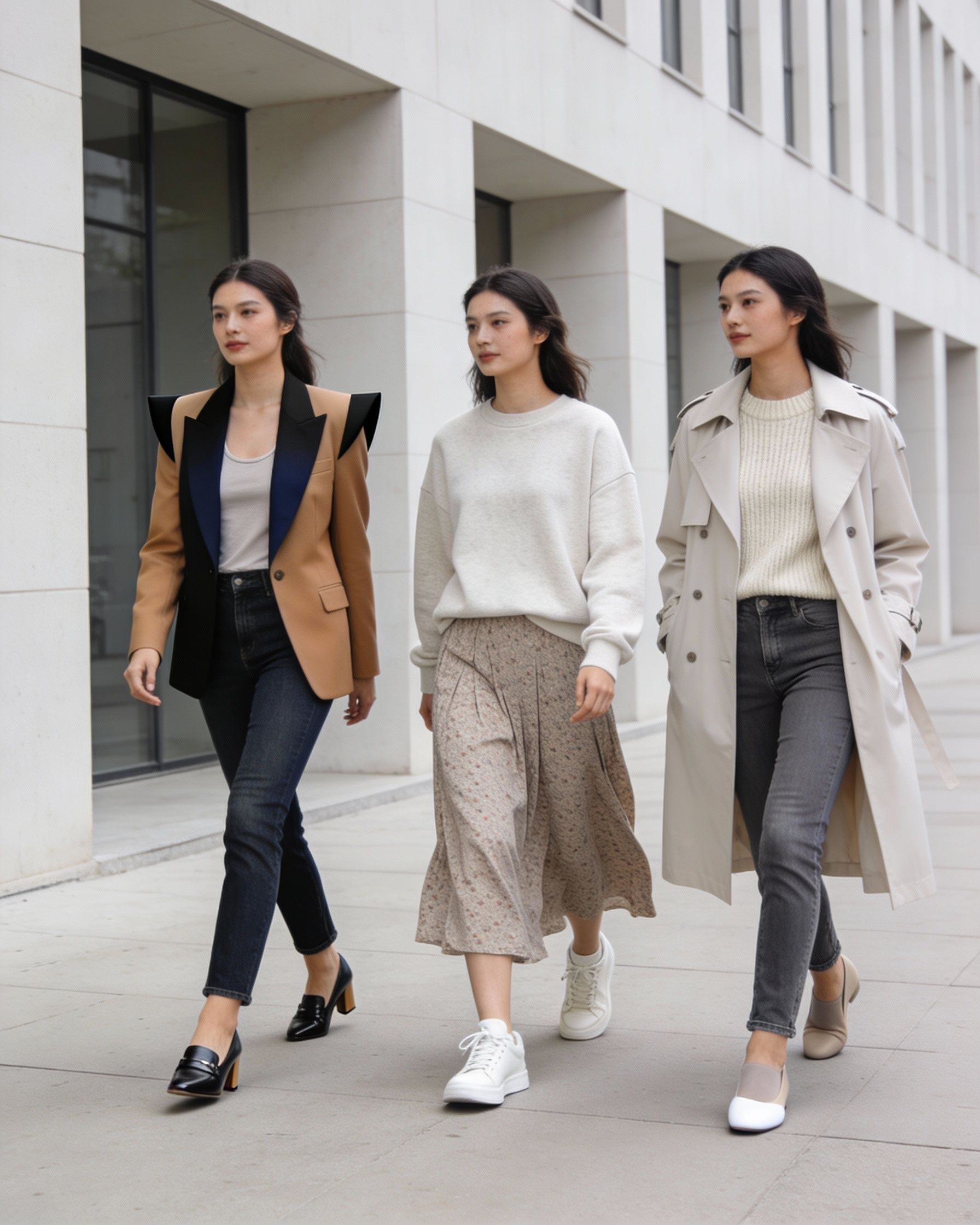
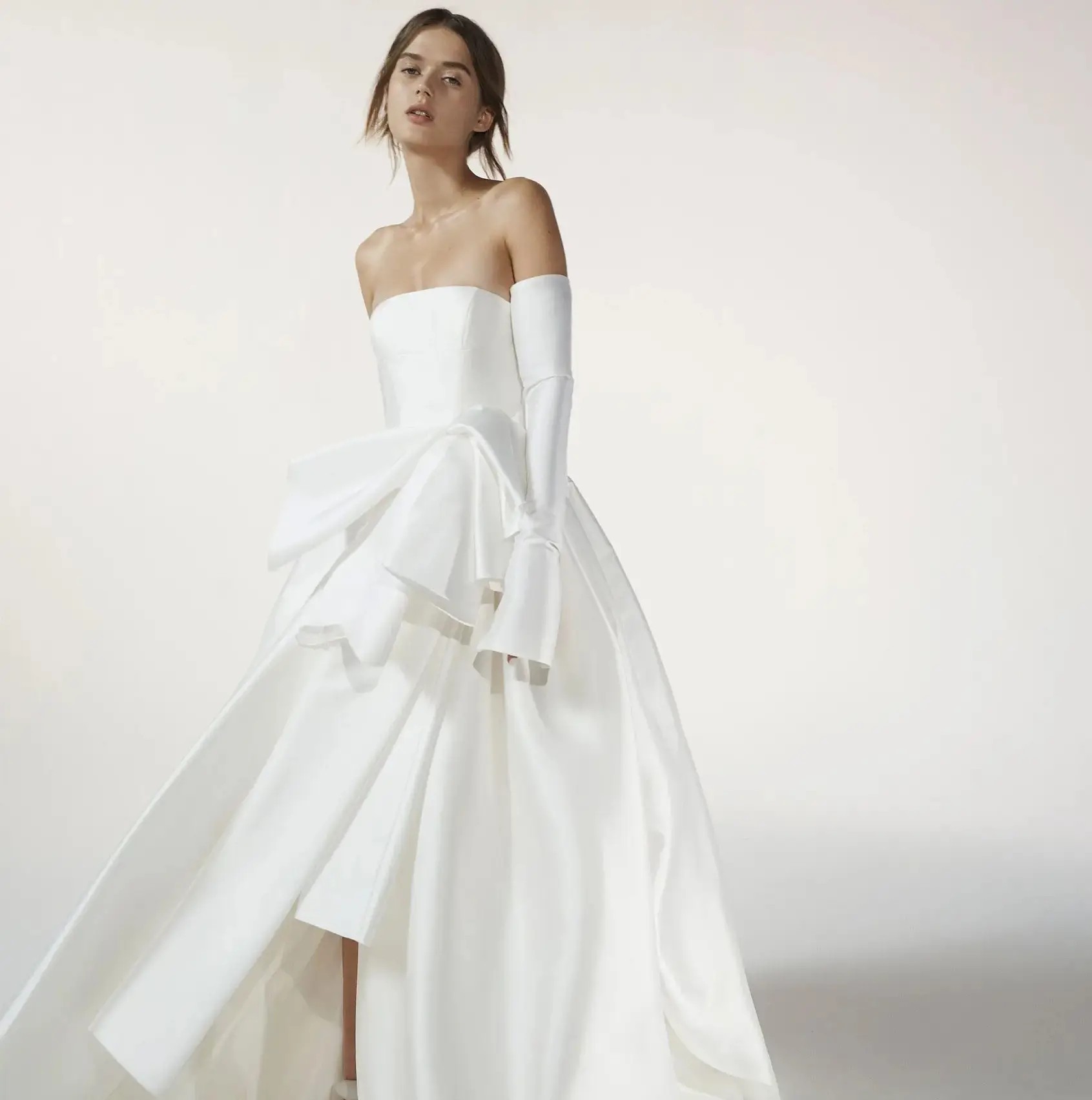
The 2010 dress fashion aesthetic represents a distinct transitional era in modern style, bridging the gap between late-2000s recession chic and the rise of fast-fashion digital trends. Incorporating these silhouettes into a contemporary wardrobe requires identifying versatile pieces—such as bodycon dresses, color-block shifts, and high-low hems—and adapting them with modern tailoring, minimalist accessories, and elevated footwear to achieve a balanced, enduring look.
Decoding the 2010 Dress Fashion Era
The year 2010 occupied a unique space in fashion history. Coming off the heels of the 2008 global financial crisis, the industry experienced a pull toward both practical, recession-friendly minimalism and bold, escapist statements. Runway collections from houses like Céline, under the direction of Phoebe Philo, introduced a renewed focus on structural purity and wearable luxury, while high-street retailers popularized indie-sleaze textures, body-conscious fits, and vibrant geometric prints.
Understanding 2010 dress fashion requires looking past the fleeting novelties of the decade and focusing on structural elements that continue to influence contemporary design. Unlike the hyper-distressed denim or excessively layered boho styles of the mid-2000s, 2010 fashion favored cleaner lines, defined waists, and synthetic fabric blends that held rigid shapes. Dresses from this period often utilized exposed zippers, asymmetric necklines, and mixed media panels—details that can either read as dated or remarkably modern depending on how they are styled.
Defining Silhouettes and Key Dress Types
To successfully wear or adapt elements of 2010 dress fashion today, one must recognize the core silhouettes that defined the era. Designers relied heavily on specific cuts to create distinct visual profiles, many of which can be re-contextualized for modern wardrobes with minor adjustments.
The Bodycon Dress
Popularized by brands like Hervé Léger with signature bandage construction, the bodycon dress was ubiquitous in 2010. Designed to hug every curve, these dresses were typically constructed from heavy rayon, nylon, and spandex blends that offered firm compression. While literal interpretations can feel aggressive or overly restrictive for modern casual settings, wearing a long-sleeve midi-length bodycon dress in a thick, matte jersey fabric provides a sleek, architectural silhouette that remains effortlessly chic.
The Color-Block Shift
The early 2010s embraced graphic minimalism through color-blocking, heavily influenced by Mondrian-inspired aesthetics seen on runways. Shift dresses featuring vertical or diagonal blocks of contrasting primary colors or stark neutrals offered a clean, graphic look. When adapted today, these pieces eliminate the need for heavy accessories because the dress itself serves as the focal point.
The High-Low Hemline
Characterized by a shorter hem in the front and a sweeping train in the back, the high-low dress (often referred to as the mullet dress) emerged strongly around this period, particularly in eveningwear and lightweight chiffon fabrics. While extreme versions with heavy polyester ruffles can appear costume-like, refined interpretations featuring fluid silk or crepe fabrics offer graceful movement and a dramatic profile for formal events.
Core Characteristics of 2010 Dresses
| Dress Style | Primary Fabrics | Dominant Structural Features | Best Modern Styling Approach |
|---|---|---|---|
| Bodycon / Bandage | Rayon, Spandex, Nylon | Heavy compression, tight fit, exposed rear zippers | Pair with oversized blazers and structured ankle boots to balance proportions. |
| Color-Block Shift | Cotton-blend, Crepe, Ponte | Clean geometric lines, straight silhouettes, minimal seams | Keep accessories monochromatic to emphasize the architectural design. |
| High-Low Chiffon | Silk chiffon, Polyester lining | Asymmetric hemlines, gathered waistbands, sheer overlays | Opt for understated sandals and delicate jewelry to avoid visual clutter. |
| Peplum Dress | Structured cotton, Tweed, Satin | Flared waist ruffle, fitted bodice, pencil skirt base | Ensure the peplum sits at the natural waist to maintain a flattering line. |
Timeless Elements vs. Dated Novelties
Not all trends from 2010 have aged gracefully. Discerning between enduring elements and hyper-specific micro-trends is essential for anyone looking to incorporate this era into a modern wardrobe. Timeless aspects of 2010 fashion include structural tailoring, monochrome palettes, and clean shift cuts. Conversely, heavily embellished graphic tees integrated into dresses, excessive neon distressing, and cheap nylon bodycon styles with prominent, shiny hardware often signal a specific, dated timestamp.
When curating vintage or secondhand pieces from 2010, inspect the construction quality closely. The early 2010s marked the acceleration of ultra-fast fashion, meaning many garments from this period were manufactured with synthetic blends that pill easily or lose elasticity. Prioritize natural fibers—such as heavy cottons, silks, and wool blends—or durable ponte knits that maintain their structural integrity over time.
Style Tips for Integrating 2010 Pieces Today
Successfully wearing 2010 dress fashion in a contemporary setting relies heavily on the art of juxtaposition. Because 2010 style leaned toward fitted silhouettes and striking color contrasts, pairing these items with modern, relaxed accessories prevents the outfit from looking like a literal costume.
Proportions and Layering
If you are wearing a fitted bandage dress or a tight bodycon mini, counter the exposed skin and form-fitting nature by layering an oversized menswear-inspired blazer or a relaxed wool coat over your shoulders. This creates a high-low contrast in tailoring that feels intentional and sophisticated. Avoid pairing 2010-era bodycon dresses with matching hyper-fitted jackets from the same era, as this eliminates the necessary breathing room in the outfit.
Footwear and Accessories
The footwear of 2010 often featured aggressive platform pumps with concealed toes and heavy wedges. Modernizing a 2010 dress requires swapping these out for minimalist footwear such as strappy kitten heels, pointed-toe slingbacks, or clean leather loafers. For evening looks, opt for sleek, low-profile boots rather than chunky platforms to ground the outfit elegantly.
Hair and Makeup Balance
The beauty trends of 2010 frequently featured heavy smoky eyes, matte nude lips, and heavily teased or voluminous hair. To bring a 2010 dress into the present day, pair the outfit with fresh, luminous skin, a brushed-up brow, and a relaxed hairstyle such as a low, sleek bun or effortless waves. This modern grooming approach instantly elevates the historical garment.
Common Mistakes to Avoid
- Over-Accessorying: The early 2010s loved statement necklaces, chunky plastic bangles, and oversized belts worn over everything. Let the dress speak for itself by keeping jewelry minimal.
- Ignoring Fabric Quality: Avoid thin, shiny polyester jersey that clings undesirably. Invest in double-lined fabrics or heavy ponte knits that offer proper structure.
- Literal Era Replication: Re-creating a 2010 look from head to toe—complete with platform pumps, heavy eye makeup, and side- swept bangs—reads as a themed party outfit rather than a considered personal style. Mix eras instead.
Frequently Asked Questions
What makes 2010 dress fashion distinct from mid-2000s style?
While the mid-2000s were defined by bohemian layers, low-rise denim, and utilitarian cargo elements, 2010 shifted decisively toward cleaner lines, geometric color-blocking, structured bodycon silhouettes, and the early stages of digital-era minimalism.
Are bandage dresses from 2010 still wearable today?
Yes, bandage dresses can be worn today if they are styled with modern sensibilities. To avoid looking dated, choose neutral or deep jewel tones, ensure the fit is supportive rather than restrictive, and layer with an oversized blazer or coat.
How can I identify high-quality dresses from the 2010 era?
Check interior garment tags for fabric composition. High-quality pieces from this era utilize heavy rayon, thick ponte roma knits, or silk linings rather than lightweight, unlined synthetic polyester that lacks structure.
What are the best shoes to pair with a 2010-era shift dress?
Pointed-toe flats, sleek kitten heels, or minimalist strappy sandals work best. Avoid heavy platform pumps or chunky wedges from the original decade to keep the overall look current.
Next Actions and Wardrobe Curation
To begin incorporating 2010 dress fashion into your wardrobe, audit your current collection for structured shifts, solid-color midi dresses, or minimalist knitwear. Visit reputable vintage platforms or secondhand boutiques to source well-constructed pieces from independent designers of that decade. Focus on tailoring any acquired items to fit your current measurements perfectly, and pair them with modern footwear and accessories to bridge the gap between historical design and contemporary elegance.