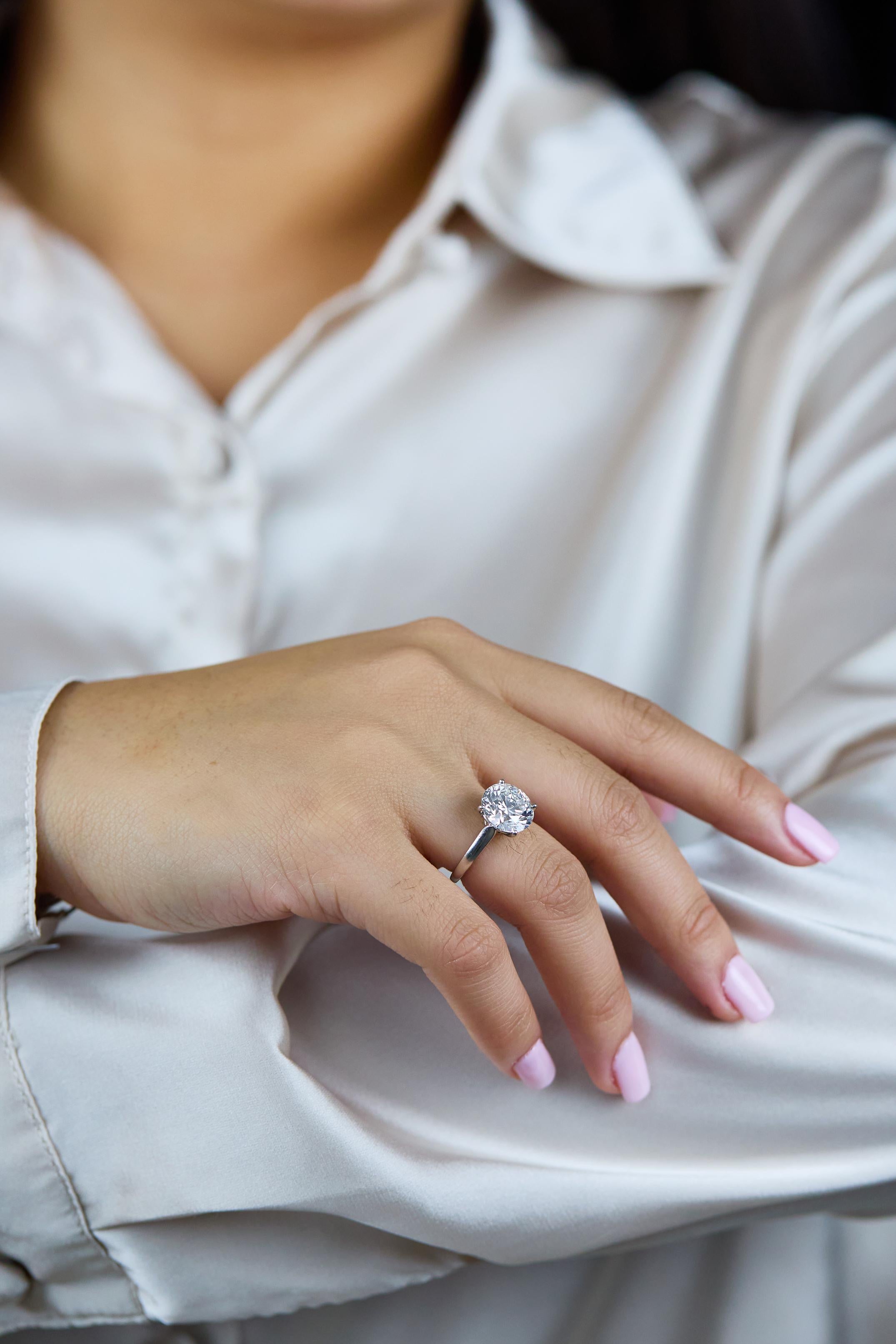
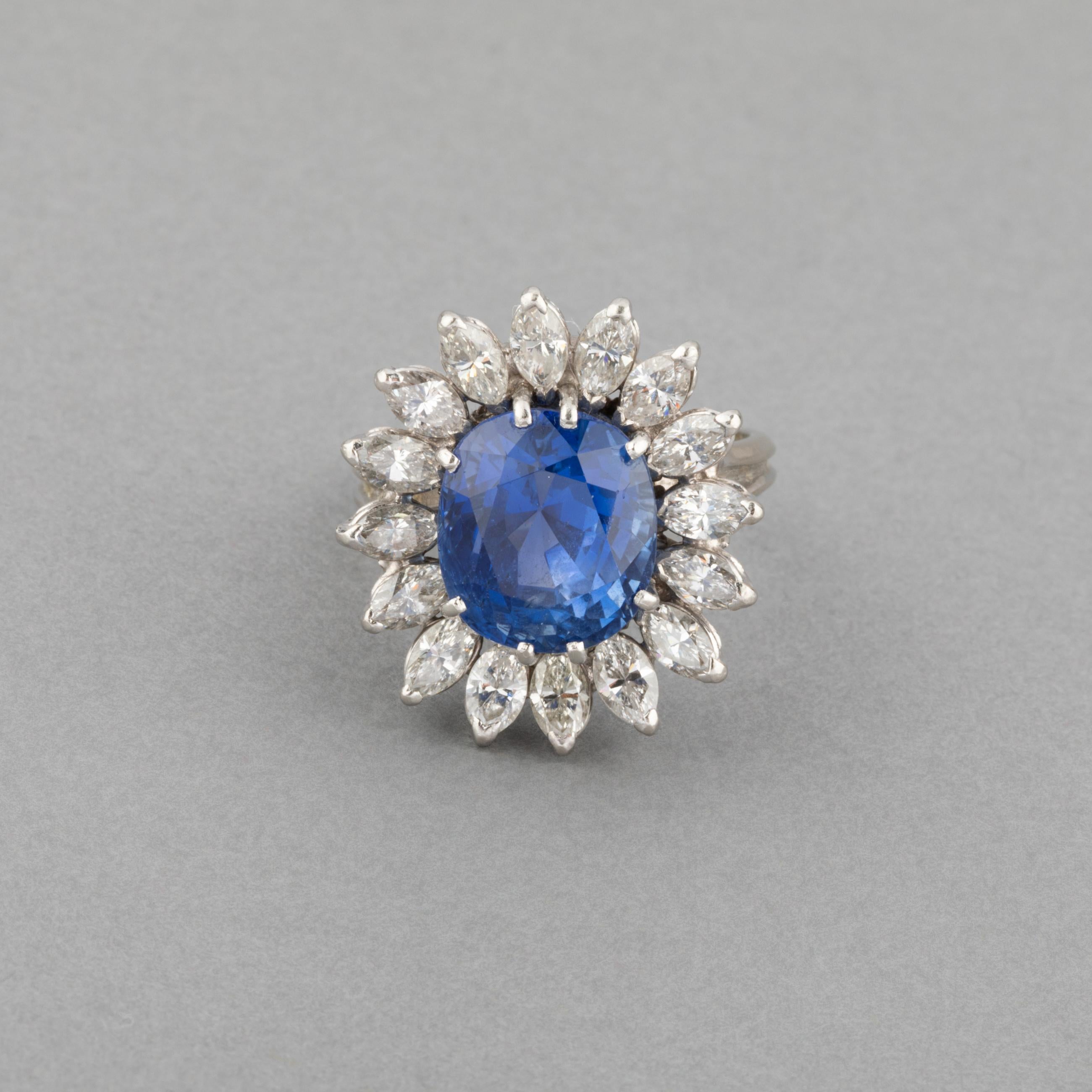
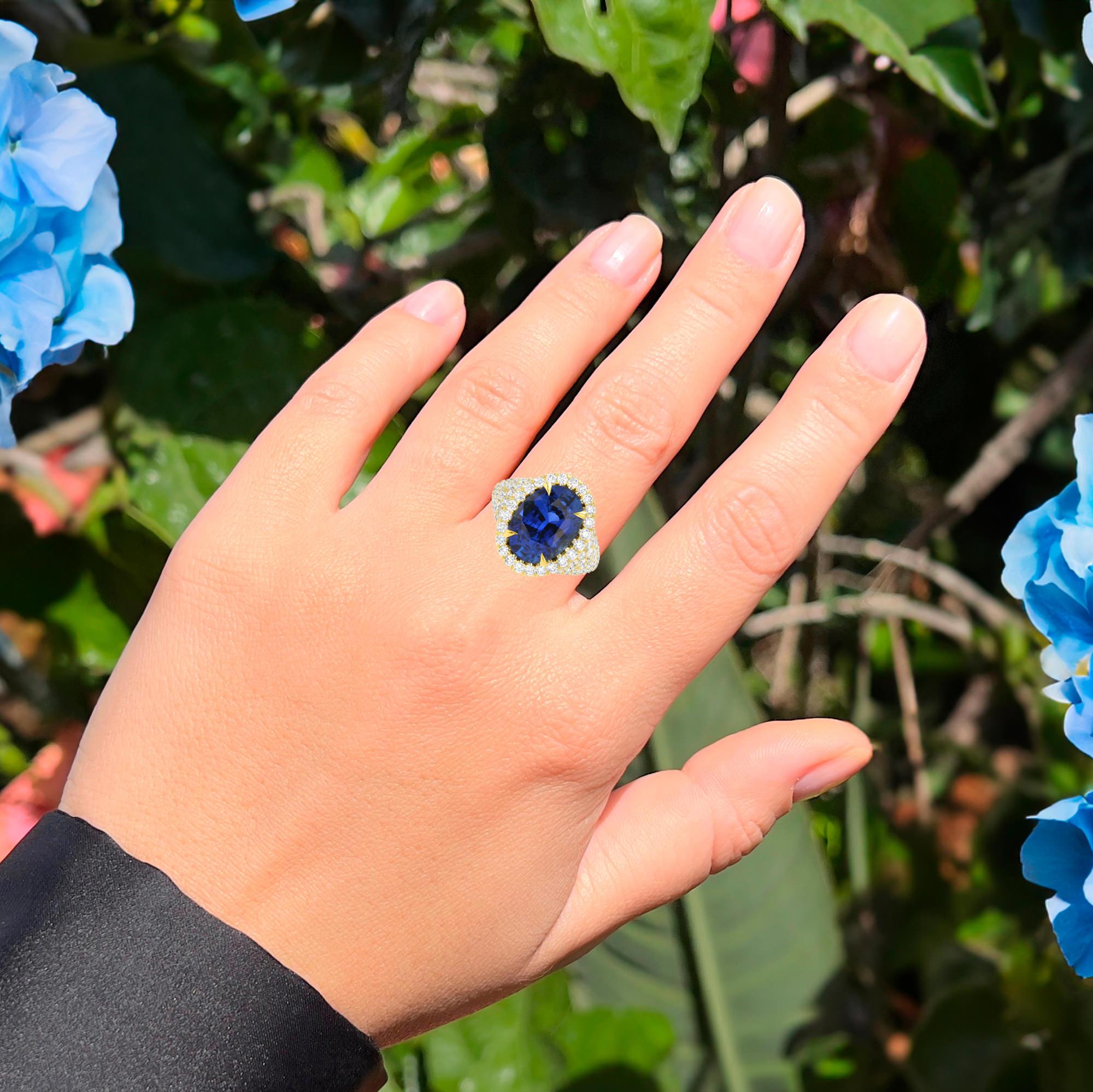
A 10-carat diamond or gemstone represents an exceptional milestone of rarity, prestige, and financial value, weighing precisely 2.0 grams (or 2,000 milligrams) and measuring approximately 13 to 14 millimeters across depending on its cut. Acquiring, evaluating, or insuring a stone of this scale requires specialized knowledge of the four Cs, structural integrity, market pricing dynamics, and secure authentication practices.
Understanding the Scale: What Does 10 Carat Actually Mean?
The term "carat" (ct) originates from the carob bean, which ancient merchants used as a standardized unit of weight for precious gemstones due to the remarkably consistent mass of the seeds. In modern gemological standards, one carat equals exactly 200 milligrams (0.2 grams). Therefore, a 10-carat diamond or colored gemstone weighs two full grams.
It is vital to distinguish between "carat" (weight) and "karat" (purity), which measures the fineness of gold alloys. While a 10-karat gold ring contains 41.67% pure gold mixed with other metals, a 10-carat diamond is a solid, single crystal of carbon (or a heavy mineral specimen in the case of emeralds, rubies, or sapphires) possessing immense physical volume.
Physical Dimensions and Visual Impact
Because weight does not translate linearly to visual surface area, a 10-carat stone does not look merely twice as large as a 5-carat stone. The physical dimensions depend heavily on the diamond's shape and cut proportions.
- Round Brilliant: Typically measures around 13.5 to 14.0 millimeters in diameter.
- Elongated Shapes (Oval, Emerald, Pear): Often offer a greater surface-area-to-weight ratio, creating the illusion of an even larger stone due to their elongated footprints.
- Depth Percentage: A deep cut can hide weight beneath the girdle, making the face-up appearance smaller than expected, whereas an optimal cut maximizes light return and apparent size.
The Four Cs for 10-Carat Stones
Evaluating a gemstone at the 10-carat threshold diverges significantly from evaluating standard engagement ring stones (which typically range from 1 to 2 carats). At 10 carats, microscopic inclusions and subtle tinting become exponentially more visible to the naked eye.
| Gemological Factor | 10-Carat Evaluation Implications |
|---|---|
| Carat Weight | Exactly 2,000 milligrams; extreme rarity tier for fine gems. |
| Cut Quality | Determines optical brilliance; poor cuts waste massive value. |
| Color Grade | Tint becomes more noticeable; D-F preferred for diamonds. |
| Clarity Grade | Eye-clean threshold is higher; VS1 to IF grades command premiums |
Color Evaluation at Scale
As rough diamond crystals grow larger, they absorb trace elements such as nitrogen more intensely, making completely colorless stones exceedingly rare. In a 10-carat diamond, a color grade of G, H, or lower will exhibit a noticeable yellow or warm tint when viewed from the side or face-up against white settings. Investors and collectors generally target color grades ranging from D to F on the Gemological Institute of America (GIA) scale to ensure absolute icy transparency.
Clarity and Inclusions
In smaller diamonds, minor inclusions (such as tiny crystals, feathers, or clouds) are often completely invisible without magnification. In a 10-carat diamond, the massive table facet acts like a magnifying glass. Inclusions that might be graded as SI1 or SI2 in a 1-carat stone can become glaringly obvious to the naked eye in a 10-carat specimen, severely impacting both beauty and structural integrity. Consequently, buyers in this tier focus heavily on VS2 through Internally Flawless (IF) grades.
Market Value, Pricing Dynamics, and Rarity
The price of a diamond does not scale in a linear fashion with weight; it follows an exponential curve. Because large, gem-quality rough stones are unearthed with extreme infrequency, a 10-carat diamond is vastly more expensive per carat than two combined 5-carat diamonds of identical quality.
- Supply Constraints: Mining thousands of tons of kimberlite yields only a minuscule fraction of rough diamonds capable of being cut into a polished 10-carat gem without major flaws.
- Market Liquidity: High-value assets like 10-carat stones trade in exclusive, high-end collector and auction markets (such as Sotheby's or Christie's) rather than standard retail jewelry stores.
- Natural vs. Lab-Grown: While large laboratory-grown diamonds have become widely available and affordable, natural mined 10-carat diamonds retain their status as rare storehouses of wealth, whereas lab-grown counterparts depreciate rapidly upon purchase.
Certification, Authentication, and Security
Purchasing or possessing an asset of this caliber requires uncompromising verification. Never rely solely on a jeweler's verbal appraisal or in-house grading certificates.
Independent Grading Reports
A 10-carat diamond or precious gemstone must be accompanied by a comprehensive grading report from a globally recognized, impartial laboratory, such as the Gemological Institute of America (GIA) or the American Gem Society (AGS). These documents provide laser-inscribed girdle verification, precise weight measurements, detailed plotting of internal characteristics, and unbiased color and clarity assessments.
Insurance and Risk Management
Insuring a 10-carat piece requires specialized high-value personal articles floaters rather than standard renter's or homeowner's policies, which often feature strict payout caps for jewelry.
- Professional Appraisal: Obtain a certified insurance appraisal reflecting current replacement value in the retail market.
- Periodic Revaluation: Due to fluctuations in the precious gem market, have the piece re-evaluated every two to three years.
- Safe Storage and Security: Consider bank vault storage when the piece is not being worn, and ensure your policy covers worldwide travel and mysterious disappearance.
Frequently Asked Questions
How much does a 10-carat diamond cost?
The price of a 10-carat diamond varies dramatically based on its cut, color, clarity, and whether it is natural or lab-grown. Natural 10-carat diamonds of high quality (D-F color, VS clarity or better) can range from several hundred thousand dollars to millions of dollars depending on current market conditions and auction demand.
Are 10-carat gemstones suitable for everyday wear?
While diamonds are the hardest known natural substance (ranking 10 on the Mohs scale) and can withstand daily wear, a 10-carat stone has a massive profile. This makes it prone to snagging on clothing or striking hard surfaces, increasing the risk of chipping or structural damage if the setting is compromised.
Can you tell the difference between a natural and lab-grown 10-carat diamond with the naked eye?
No. Natural and lab-grown diamonds share identical chemical, physical, and optical properties. Specialized gemological equipment utilizing short-wave ultraviolet light or advanced spectroscopy is required to detect the microscopic growth patterns unique to laboratory cultivation.
What is the best ring setting for a 10-carat diamond?
Due to the immense weight and leverage of a 10-carat stone, secure settings such as heavy platinum or 18k gold prong settings with reinforced galleries, hidden halos, or bezel configurations are essential to prevent the stone from shifting or loosening over time.
Next Actions for Prospective Buyers and Collectors
If you are planning to acquire, sell, or appraise a 10-carat diamond or gemstone, begin by securing an appointment with an independent, certified gemologist who does not have a financial stake in the transaction. Verify that the stone possesses an unblemished GIA report, examine the mounting for structural integrity under high magnification, and consult with a qualified insurance broker to update your policy before taking physical possession of the asset.