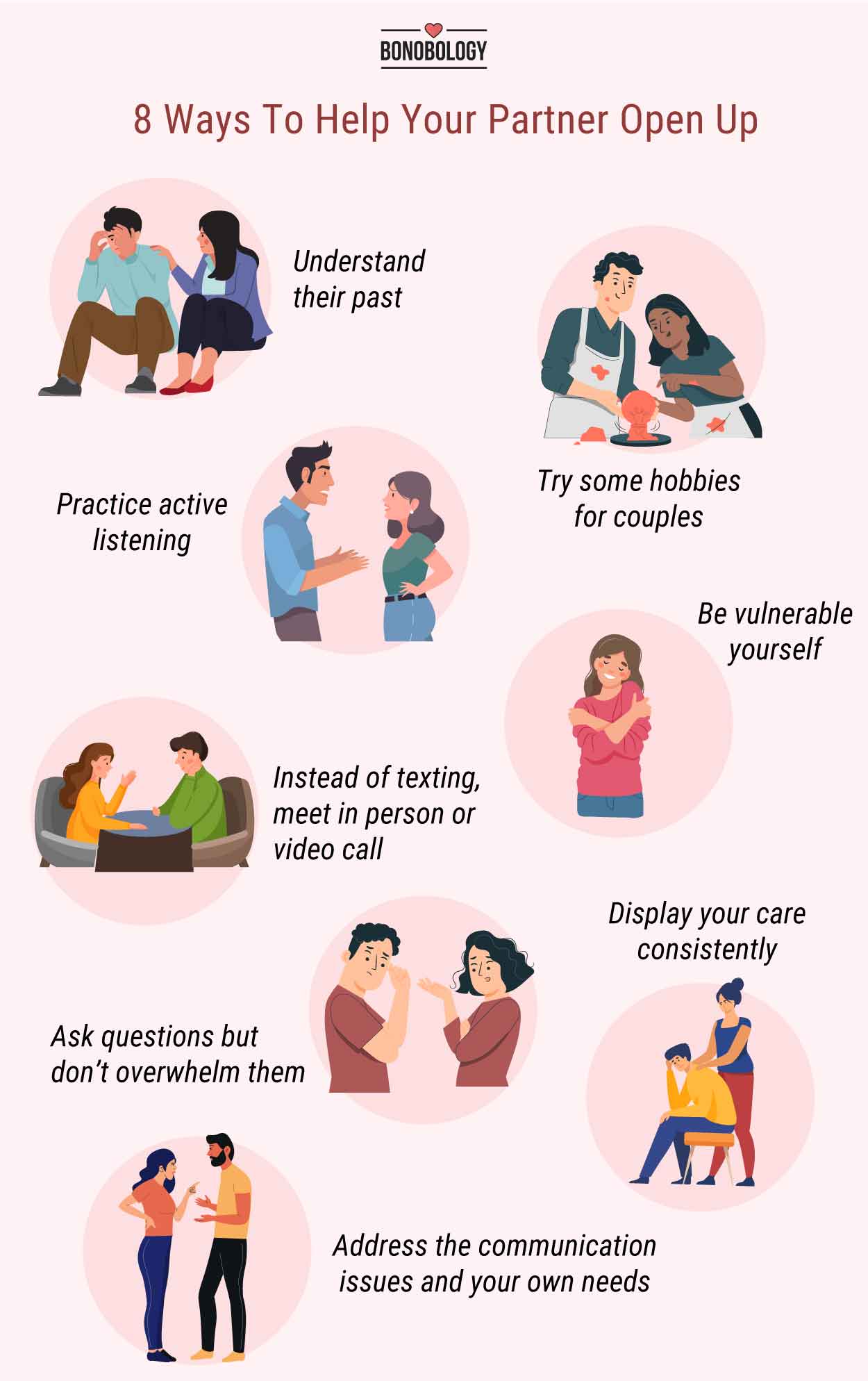
Supporting your partner and strengthening your relationship requires intentional daily habits, emotional attunement, effective communication, and a shared commitment to mutual growth. By actively practicing empathetic listening, validating feelings, managing conflict constructively, and prioritizing quality time, couples can build a resilient foundation that withstands life's inevitable challenges and deepens intimacy over time.
Building and maintaining a healthy, thriving relationship is rarely a passive endeavor. While initial romance often relies on chemistry and novelty, long-term partnership requires consistent effort, deep emotional intelligence, and proactive support. Life introduces stressors ranging from career transitions and financial pressures to family obligations and unexpected health crises. How couples navigate these pressures often determines the longevity and happiness of their bond.
Implementing powerful, evidence-based strategies to support your partner does not require grand gestures. Instead, it thrives in the micro-moments of daily life—how you greet each other after work, how you handle a disagreement, and how consistently you show up when your partner feels vulnerable. This guide explores ten practical, deeply impactful ways to support your partner, enhance emotional intimacy, and solidify your relationship foundation.
1. Practice Active and Empathetic Listening
Communication is frequently cited as the cornerstone of any relationship, but true communication begins with listening. Active listening means fully concentrating, understanding, responding, and then remembering what is being said, rather than passively hearing the speaker's words.
When your partner shares a problem, resist the immediate urge to fix it or offer unprompted advice. Often, people seek emotional validation and a safe space to vent before moving toward solutions.
- Maintain Eye Contact: Put away distractions like smartphones or laptops to signal that your partner has your undivided attention.
- Reflect and Validate: Paraphrase what you heard to ensure understanding, such as, "It sounds like you felt overwhelmed when that deadline was changed unexpectedly."
- Withhold Judgment: Allow your partner to express difficult emotions without interrupting, correcting, or minimizing their experience.
2. Validate Their Emotional Reality
Emotional validation is the act of recognizing and accepting another person's feelings as valid and understandable, even if you do not necessarily agree with their perspective or interpret the situation the same way. Invalidating a partner—such as telling them they are "overreacting" or "making a big deal out of nothing"—can cause them to withdraw and feel emotionally unsafe.
Validation builds psychological safety. When your partner knows their emotions will be met with acceptance rather than dismissal, they are far more likely to share their vulnerabilities. Practice saying things like, "It makes complete sense that you feel stressed about this," or "I can see why that hurt your feelings."
3. Anticipate Needs Through Practical Acts of Service
Acts of service are a powerful love language. Supporting your partner often means stepping in to alleviate their cognitive or physical load before they have to ask. Chronic stress often depletes mental energy, making everyday chores feel insurmountable.
Pay attention to recurring friction points in your partner's routine. If they have an early morning meeting, make their coffee or pack their lunch. If you notice laundry piling up while they are studying for an exam, take care of it proactively. These gestures communicate a silent yet powerful message: I see your burden, and I am a teammate in carrying it.
4. Master Constructive Conflict Resolution
Conflict is inevitable in any long-term relationship; the goal is not to eliminate disagreements, but to manage them constructively. Relationship researcher Dr. John Gottman emphasizes that the way a conflict starts often determines how it ends. Avoid harsh startups characterized by criticism, contempt, or sarcasm.
Instead, use "I" statements to express your feelings and needs without placing blame. For example, replace "You never help around the house" with "I feel overwhelmed managing the household chores alone this week, and I could use your support." Additionally, learn to recognize when emotional flooding is occurring—when your heart rate spikes and you can no longer process information rationally—and take a structured timeout to calm down before continuing the discussion.
5. Cultivate Emotional and Physical Intimacy
Intimacy requires intentional cultivation. Over time, daily routines and responsibilities can overshadow romance, turning partners into logistical roommates rather than lovers. Reclaiming intimacy requires carving out dedicated time for connection.
- Emotional Intimacy: Share daily highs and lows, discuss your dreams and fears, and maintain curiosity about your partner's inner world as it evolves.
- Physical Intimacy: Prioritize affectionate touch outside the bedroom—holding hands, hugging, and cuddling—which releases oxytocin and reinforces bonding.
- Novelty: Engage in new experiences together. Novelty stimulates the brain's reward system, mimicking the excitement of early romance.
6. Support Their Personal Goals and Independence
A strong relationship is composed of two whole, independent individuals rather than two halves making a whole. True support means encouraging your partner's personal development, career aspirations, and individual friendships.
Avoid jealousy or insecurity when your partner pursues hobbies or spends time away from the relationship. Celebrate their individual successes enthusiastically. When a partner feels secure in knowing that their growth threatens neither your love nor your stability, they bring greater confidence, fulfillment, and happiness back into the relationship.
7. Establish Healthy Boundaries Together
Boundaries are essential for maintaining mutual respect and preventing resentment. Supporting your partner involves respecting their personal boundaries—whether they need quiet time to decompress after work or space to process difficult emotions independently.
Sit down together to discuss external boundaries as well, such as managing interactions with extended family, setting limits on work-life balance, and protecting dedicated couple time. Clear boundaries protect the relationship from outside pressures and ensure both partners feel respected and autonomous.
8. Express Genuine Appreciation Daily
Gratitude is a protective buffer against relationship decay. In the rush of daily life, it is easy to take a partner's contributions for granted. Actively noticing and verbalizing appreciation transforms the emotional climate of a relationship.
Go beyond a generic "thank you." Be specific about what you appreciate: "Thank you for handling dinner tonight; it gave me the exact mental break I needed after my meeting." Cultivating a habit of expressing appreciation reinforces positive behaviors and ensures both partners feel seen and valued.
9. Maintain Trust Through Accountability and Reliability
Trust is the foundation upon which all intimacy and support rest. Rebuilding trust after a breach is notoriously difficult, making the daily maintenance of trust paramount. Reliability means following through on commitments, no matter how small, and being transparent about your actions.
If you make a mistake—whether forgetting a commitment or reacting with unnecessary harshness—own it immediately. A sincere apology that includes accountability, empathy, and a commitment to change repairs minor ruptures before they can fester into deep resentments.
10. Know When to Seek Professional Guidance
Recognizing the limits of your own capacity to help is a sign of relationship maturity. Sometimes, couples encounter deeply entrenched patterns, unresolved trauma, grief, or communication breakdowns that require an objective, neutral third party.
Couples therapy is not an admission of failure; it is an investment in the health and longevity of your partnership. Licensed marriage and family therapists (LMFTs) can provide evidence-based tools, such as Emotion-Focused Therapy (EFT) or the Gottman Method, to help partners break negative cycles and rebuild a secure attachment.
Comparison of Support Strategies and Their Impact
| Support Strategy | Primary Focus | Practical Example | Long-Term Benefit |
|---|---|---|---|
| Active Listening | Emotional validation | Reflecting feelings without offering immediate advice | Builds psychological safety and trust |
| Acts of Service | Alleviating daily stress | Handling household chores unasked during busy periods | Reduces burnout and fosters teamwork |
| Constructive Conflict | Problem-solving | Using "I" statements and taking timeouts when flooded | Prevents resentment and escalation |
| Encouraging Independence | Personal growth | Supporting a partner's career change or solo hobbies | Enhances individual confidence and relationship stability |
Frequently Asked Questions
How can I support my partner when I am also feeling stressed and overwhelmed?
When both partners are stretched thin, start by explicitly acknowledging the shared stress rather than competing over who has it worse. Practice micro-connections, such as a brief hug, a kind text during the day, or agreeing to divide essential tasks while temporarily letting non-essential chores slide. Communicating your capacity limits honestly prevents burnout and resentment.
What should I do if my partner rejects my attempts to support them?
Sometimes, a partner may withdraw or reject help due to pride, past conditioning, or a need for autonomy. Respect their boundary by letting them know you are available whenever they are ready. You can say, "I see you're dealing with a lot. I'm here if you want to talk or if you need me to take anything off your plate." Avoid forcing assistance, as this can feel controlling rather than supportive.
How do I know if my partner needs advice or just a listening ear?
When in doubt, simply ask. Asking permission before offering advice is a powerful communication tool. You can ask, "Do you want to brainstorm solutions together right now, or do you just need me to listen and hold space for you?" This honors their immediate emotional needs and prevents unwanted problem-solving.
Can a relationship recover if one partner has stopped communicating?
Yes, a relationship can recover, but it requires both partners to be willing to examine the underlying causes of the withdrawal. Often, withdrawal is a defense mechanism rooted in emotional fatigue or fear of conflict. Rebuilding communication requires patience, lowering defensiveness, and frequently engaging in low-stakes, positive interactions before tackling deeper issues.
How often should couples dedicate to intentional quality time?
Quality matters more than sheer quantity. While daily touchpoints (such as uninterrupted meals or evening conversations) are vital, setting aside dedicated weekly time—such as a weekly date night without distractions or work talk—helps maintain connection and novelty. Discuss what works best for your specific schedules and energy levels.
Final Recommendation
Supporting your partner is not a one-time achievement, but a continuous, daily practice of empathy, patience, and active engagement. Choose one or two strategies from this guide to focus on this week—such as practicing active listening without interrupting or expressing specific, daily appreciation. By investing small amounts of intentional effort consistently, you create an enduring emotional reserve that strengthens your relationship against any challenge.